Sign up now to join the JEGS email newsletter and be the first to learn about new products, special deals and e-mail only offers!

 4 People Found This Article Helpful
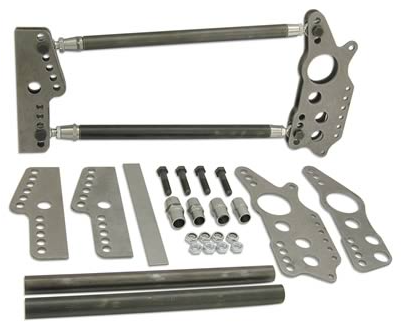

A properly set up 4-link suspension can dramatically improve traction, consistency, and control in drag racing, street and strip builds, and high horsepower street cars. It is one of the most adjustable rear suspension designs available, which is both its greatest strength and the reason it can feel intimidating to set up.
This guide explains how a 4-link suspension works, the purpose of each adjustment, and how to approach setup based on vehicle use. Whether you are building a dedicated drag car or dialing in a powerful street machine, understanding the basics of 4-link geometry will help you get better results and avoid common mistakes.
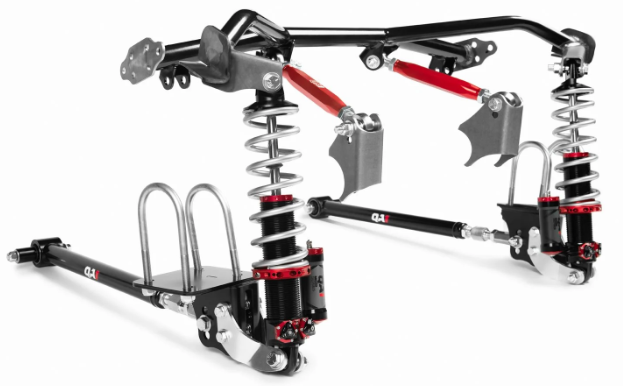
A 4-link suspension uses four control arms to locate the rear axle. Two upper links and two lower links connect the axle housing to the chassis. Coil-over shocks or springs support vehicle weight, while the links control axle movement.
This design allows precise adjustment of rear suspension geometry, which directly affects how weight transfers during acceleration.
4-link suspensions are commonly used in:
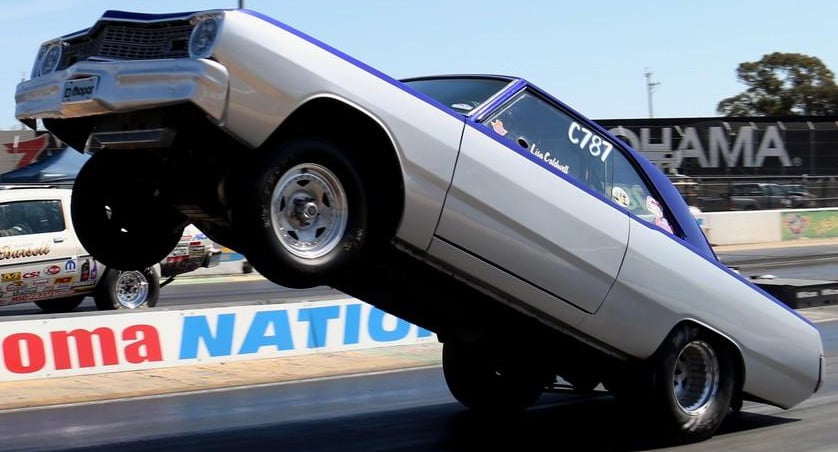
The biggest advantage of a 4-link suspension is adjustability. Unlike leaf springs or simpler control arm setups, a 4-link allows you to tune how the rear tires are loaded under acceleration.
Benefits include:
When set up correctly, a 4-link suspension can help put power to the ground more effectively than many factory designs.

Understanding the components makes setup easier.
The upper and lower links control axle rotation and position. Their mounting points determine suspension geometry and anti squat characteristics.
Adjusting link angles and lengths changes how the rear suspension reacts during acceleration.
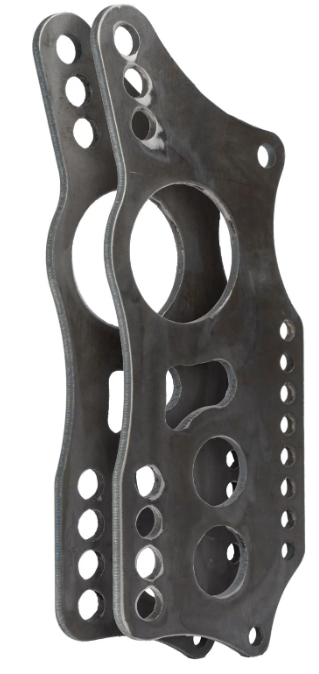
Most 4-link systems use brackets with multiple mounting holes. These holes allow changes to instant center location and anti squat percentage.
More adjustment holes provide more tuning options, but also require careful setup.
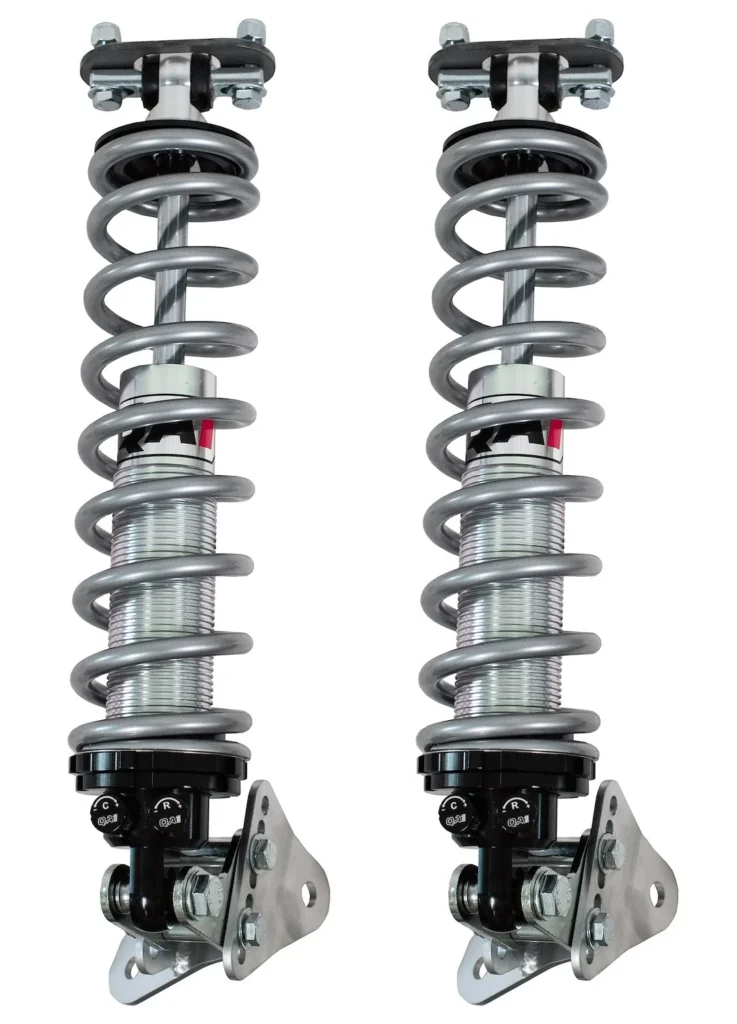
Coilovers support vehicle weight and control suspension movement. Spring rate and shock valving play a major role in how the suspension responds.
Proper shock adjustment works together with link geometry to control weight transfer.
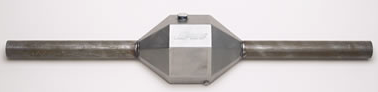
The axle housing must be properly aligned and supported. Any flex or misalignment reduces consistency and traction.
Two key concepts drive 4-link setup: instant center and anti squat.
The instant center is an imaginary point where the upper and lower links intersect when extended forward. This point determines how force is applied to the chassis during acceleration.
A higher or more forward instant center generally increases hit to the tire. A lower or rearward instant center softens the hit.
Anti squat describes how much the suspension resists rear end squat under acceleration.
Higher anti squat percentages apply more force to plant the tires. Lower percentages allow more squat and smoother weight transfer.
There is no single correct number. Optimal anti squat depends on vehicle weight, power level, tire type, and track conditions.
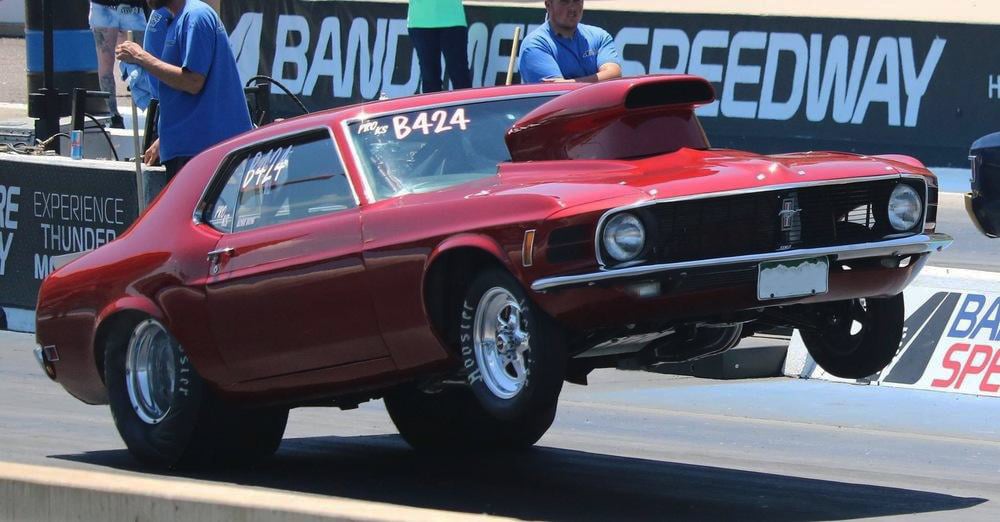
For drag racing, the goal is maximum traction and consistency.
General guidelines include:
Cars with slicks often respond differently than those on drag radials, so setup should match tire choice.
Sign up now to join the JEGS email newsletter and be the first to learn about new products, special deals and e-mail only offers!

Street driven vehicles require compromise. Excessive anti squat can cause harsh ride quality and unpredictable handling on the street.
For street and strip builds:
A balanced setup improves traction without sacrificing comfort or control.
Shocks and springs are just as important as link geometry.
Spring rate affects how quickly weight transfers to the rear tires. Too stiff and the car will not plant. Too soft and it may become unstable.
Spring selection should match vehicle weight and intended use.
Adjustable shocks allow fine tuning of extension and compression. In drag racing, rear shock extension control is especially important.
Slower extension can help manage violent launches, while faster extension can improve bite on marginal surfaces.
Many problems come from simple errors.
Common mistakes include:
Patience and methodical adjustments produce the best results.
Ride height affects suspension geometry and instant center location. Always set ride height before adjusting link positions.
Preload adjustments should be minimal for most applications. Excessive preload can cause unpredictable launches and uneven tire wear.
Tire type has a major influence on setup.
Slicks generally require less aggressive geometry than drag radials. Track prep quality also plays a role.
Be prepared to adjust settings based on weather and surface conditions.


JEGS carries a wide selection of 4-link suspension components, including brackets, control arms, coilovers, shocks, and hardware.
Whether you are building a full race car or upgrading a street machine, JEGS offers trusted brands and parts to support reliable suspension performance.
A 4-link suspension offers unmatched adjustability and performance potential when set up correctly. Understanding the fundamentals of instant center, anti squat, and shock tuning allows you to make informed adjustments rather than guessing.
Start with a conservative baseline, make small changes, and track results. With time and careful tuning, a 4-link suspension can help your car launch harder, run more consistently, and make better use of available power.
Explore 4-link suspension components and setup solutions at www.jegs.com and take control of your rear suspension the right way.





Leave a Reply