


 Order Status & Returns
 Gift Cards
 Help Center
 1-800-345-4545
Performance Racing Valve Spring Kits
Valve spring kits bundle performance valve springs with the retainers, locks, and seals your engine needs to control valve motion at high RPM. These kits take the guesswork out of matching components to a camshaft, whether you're building a street engine, a drag car, or an LS swap. Shop by spring design, outside diameter, and pressure rating to find the set that fits your combination.
Show More
What's Included in a Valve Spring Kit?
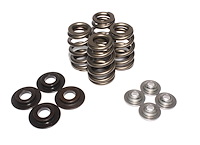
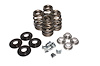
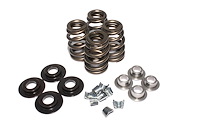
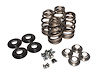
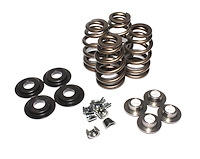
A valve spring kit includes the springs plus the hardware that secures them to each valve. You install a matched set instead of sourcing parts one at a time. Most kits are built around a target spring pressure and installed height, then paired with the correct retainers and locks for your valve stem diameter. Here's what you'll typically find in a complete kit:
- Performance valve springs matched to a target pressure and lift
- Retainers that set installed height and hold the spring in place
- Valve locks (keepers) that lock the retainer to the valve stem
- Spring seats or locators that position the spring on the cylinder head
- Valve stem seals that control oil at the valve guide
- Spring shims used to fine-tune installed height and pressure
Check that each component matches your cylinder head and valve stem size before you order, since these kits are one piece of your camshafts and valvetrain build. Confirming fitment up front saves a return and keeps your assembly on schedule.
What Types of Valve Springs Are Available?
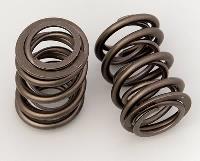
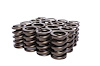
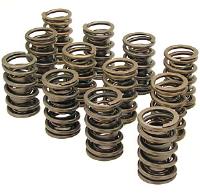
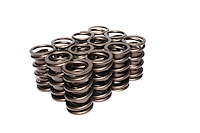
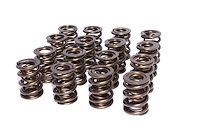
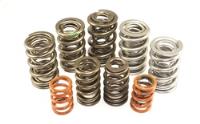
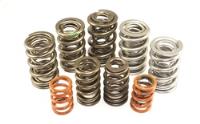
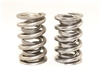
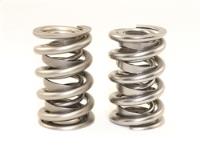
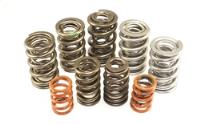
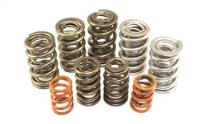
Valve springs come in four main designs, and the right one depends on your cam's lift and how high you plan to spin the engine. Single (standard) springs use one coil and work well for stock or mild builds with lower lift. Dual valve springs add an inner spring and often a damper, which raises pressure and controls harmonics for higher-lift and race applications. Beehive valve springs taper toward the top, so they use a lighter retainer and reduce reciprocating mass, a good fit for street and moderate-lift setups. Conical and triple springs push pressure and RPM capability even further for aggressive race cams. If you already know your target pressure and just need coils, you can order standalone valve springs on their own. For a deeper look at matching springs to a cam profile, our cams and valvetrain tech articles walk through the tradeoffs.
How Do You Choose the Right Valve Spring Kit for Your Camshaft?
Start by matching spring pressure and installed height to your camshaft's lift and profile. The cam card usually lists the seat and open pressures the springs need to hit. A spring that's too light lets the valve float at high RPM, while one that's too stiff adds wear and can overload the valvetrain. Check the spring's outside diameter against your cylinder head's spring pockets. Common sizes run from about 1.250" to 1.645" and the head has to accept them. Confirm the retainer and lock angle match your valve stems, typically a 7- or 10-degree lock, so the parts seat correctly. If you're still selecting a bumpstick, our how to choose a camshaft guide covers lift, duration, and lobe separation. You can also browse the full range of performance camshafts to pair with your springs.
Do Performance Valve Springs Add Horsepower?
Performance valve springs don't add horsepower alone, but they let you safely run a bigger cam and higher RPM where power is made. Power comes from airflow, and a more aggressive camshaft opens the valves farther and faster. The springs' job is to keep the lifter following the cam lobe at those speeds. When spring pressure is correct for the cam, the valvetrain stays in control and the engine revs to its intended limit without valve float. When pressure is too low, the valves lose contact with the lobe, power falls off, and you risk contact between the valves and pistons. Fresh springs with the right pressure also matter alongside other valvetrain upgrades like lifters, which take the same abuse at high RPM. Think of the springs as the parts that protect the power your cam and heads make possible.
Which Valve Spring Kit Brands Does JEGS Carry?
JEGS carries valve spring kits from the major valvetrain manufacturers, so you can match a set to your budget and application. COMP Cams offers springs engineered to pair with its own cam profiles across street and race builds. PAC Racing Springs supplies the coils used in many OE and high-end performance programs, including LS and LT applications. Howards Cams builds springs for hydraulic and solid roller setups, and Manley is a common choice for high-lift race combinations. Beyond complete kits, you can source individual valve spring components like retainers, locks, and seals to refresh an existing setup. If you're upgrading the top end, it's also worth looking at matching rocker arms so the whole valvetrain works together. Pick the brand and design that fit your cam, then add the kit to your cart.

ADD A VEHICLE TO GUARANTEE PARTS FIT
See products that fit

ADD A VEHICLE TO GUARANTEE PARTS FIT
See products that fit
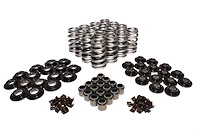
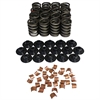
HOWARDS CAMS
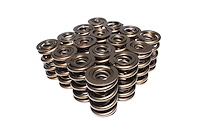
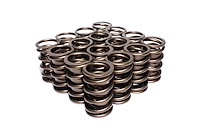
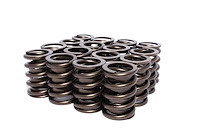
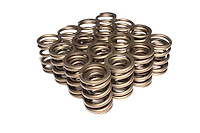
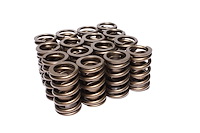
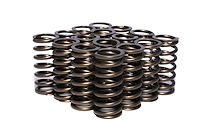
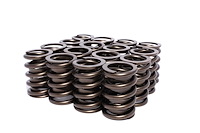
Performance Valve Spring & Retainer Kit 1.485 in. OD
Part Number: 466-98511-K31
 Ships Today
 Lowest price guarantee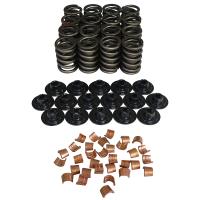
HOWARDS CAMS
Performance Valve Spring & Retainer Kit 1.485 in. OD
Part Number: 466-98511-K31
Ships TodayLowest Price Guarantee


Frequently Asked Questions About Valve Spring Kits
How much do valve spring kits cost?
Prices vary by design and how many parts are bundled in. Performance valve spring sets commonly run from about $50 to $200 depending on the spring type and pressure rating. Complete kits that add retainers, locks, and valve seals cost more than springs alone. Check the specific kit for its exact contents and current price.
When should you replace your valve springs?
Replace your valve springs when you install a more aggressive camshaft that needs higher pressure than your current springs provide. Springs also wear out after long race service or high-mileage street use, gradually losing seat pressure. If you notice valve float, lost power at high RPM, or a spring that measures below spec, it's time for new ones.
Are beehive springs better than dual valve springs?
It depends on your cam and RPM goals. Beehive springs are lighter and use a smaller retainer, which reduces valvetrain mass and suits street and moderate-lift builds. Dual springs handle higher lift and pressure, making them the better choice for aggressive race cams. Match the spring design to your camshaft's requirements rather than picking one as universally better.
Do you have to remove the cylinder heads to install valve springs?
No, you can usually change valve springs with the heads still on the engine. An on-head spring compressor and an air-hold tool that pressurizes the cylinder keep the valve from dropping while you swap springs. This saves the labor of pulling and re-sealing the heads. Work one cylinder at a time with the piston at top dead center.
What causes valve float?
Valve float happens when spring pressure can't keep the lifter on the cam lobe at high RPM. The valve loses control, stops following the cam profile, and power drops off. Too little seat or open pressure for the cam is the usual cause. Correct spring pressure for your camshaft prevents float and keeps the valvetrain stable.