


 Order Status & Returns
 Gift Cards
 Help Center
 1-800-345-4545
Automotive Vacuum Hose
Automotive vacuum hose keeps your engine's vacuum-driven systems working, from power brakes and PCV to emissions and classic accessories. This category brings together silicone vacuum hose, rubber vacuum tubing, PCV hose, and complete vacuum hose kits in the sizes your build needs. Shop here to match the right material, diameter, and brand in one place and get your vacuum line routing done right.
Show More
What Does an Automotive Vacuum Hose Do?
An automotive vacuum hose carries engine vacuum to the accessories and systems that depend on it, so a cracked line can trigger rough idle, hard braking, or a check-engine light. Your power brakes rely on vacuum to run the brake booster, giving you the assist you feel at the pedal. The PCV and crankcase ventilation system uses vacuum to pull blow-by gases back into the intake, which keeps your oil cleaner and your emissions in check. EVAP and emissions controls route fuel vapor through these lines, while ignition advance and transmission modulators read vacuum to adjust timing and shift points. On classic builds, engine vacuum even runs hide-away headlights and cowl induction flaps. If you're chasing an idle problem, review the bad PCV valve symptoms before you start swapping parts. Ready to trace and replace a failing line? Shop All vacuum hose and fittings to match your engine.
Vacuum Hose Materials: Silicone vs. Rubber
Silicone and rubber are the two materials you'll choose between, and the right pick depends on heat, chemical exposure, and budget. Rubber (EPDM or nitrile) is the factory-style choice: it's affordable, flexible, and fine for most under-hood vacuum routing. Silicone handles higher heat and lasts longer, which makes it a favorite for performance builds and tight spots near headers or turbos. Here's how the options compare:
- Rubber vacuum hose: budget-friendly, easy to route, and a direct match for stock replacement and vacuum line repair work.
- Silicone vacuum hose: high-temperature tolerance, longer service life, and bright colors for a clean engine-bay look.
- Reinforced hose: braided or fabric layers add burst strength for boosted and high-vacuum applications.
Brands like Mishimoto build colored silicone vacuum hose for show-quality engine bays, while Gates covers dependable rubber lines for everyday repairs. Match the material to your under-hood temperatures first, then pick the size and color you want.
How to Choose the Right Vacuum Hose Size
Match the hose to your fitting by measuring inside diameter (ID) first, since vacuum hose is sized by the barb or port it slides onto. Slip a hose over a barb and it should feel snug, not loose, so measure the outside diameter (OD) of the barb and choose a hose ID that matches it closely. Common vacuum tubing runs from small 1/8-inch lines for signal ports up to 3/8-inch and larger for brake booster feeds. Check the wall thickness too, because a thin wall can collapse under strong vacuum and a thick wall may not seat on a tight barb. If you're stepping up to threaded connections, our guide to AN fittings and hose sizes explains how the numbering works. For a clean, leak-free assembly, follow how to assemble AN fittings and hose assemblies before you cut and clamp. When in doubt, measure twice and match the hose ID to the barb OD.
Vacuum Hose Types and Applications
Vacuum hose comes in application-specific types, so start with the job and let it guide your choice. Some lines carry oil vapor, others carry fuel vapor or full manifold vacuum, and each has a hose built for it. Here are the types you'll shop most:
- PCV hose: routes crankcase blow-by back to the intake and resists oil and heat.
- Breather and vent hose: feeds fresh air into the crankcase and valve covers.
- Emission hose: handles EVAP and fuel-vapor routing that must resist fuel exposure.
- Brake booster hose: a larger-diameter line built for the steady vacuum your booster needs.
- Silicone vacuum hose kits: assorted lengths and sizes for a full vacuum hose kit refresh.
Dorman offers OE-style replacement lines, while Mr. Gasket and Vibrant Performance cover performance and dress-up options. Need a junction or tee? Shop vacuum fittings and manifolds to split and route your lines cleanly.
Top Vacuum Hose Brands at JEGS
JEGS carries vacuum hose from the brands enthusiasts trust for fitment and durability. For silicone lines and colored engine-bay upgrades, Mishimoto and Vibrant Performance lead the way, while Mr. Gasket brings classic performance styling. For dependable rubber replacement hose, Gates and Dorman keep your daily driver and project car on the road. Buying by brand helps you match quality and appearance across your whole engine bay, so your new lines look and perform like a set. Stock up on a vacuum line repair kit or a full vacuum hose kit and you'll have the right sizes on hand for the next fix. Browse the wider fittings and hose selection to add clamps, tees, and adapters in one order. Ready to finish the job? Shop All vacuum hose and fittings now and get your engine vacuum hose routing back to leak-free.

ADD A VEHICLE TO GUARANTEE PARTS FIT
See products that fit

ADD A VEHICLE TO GUARANTEE PARTS FIT
See products that fit
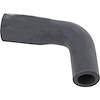
OER
3932336 1968-72 Camaro, Nova, Corvette, Crankcase Ventilator Outer Hose, Each
Part Number: 691-3932336
 Ships on 10/13/2026
 Lowest price guarantee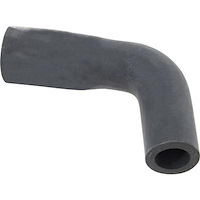
OER
3932336 1968-72 Camaro, Nova, Corvette, Crankcase Ventilator Outer Hose, Each
Part Number: 691-3932336
Ships on 10/13/2026Lowest Price Guarantee
HPS PERFORMANCE
57-2136-BLK Coolant Hose Kit, 3-Ply Reinforced Silicone Coolant & IDle Air Control Hoses, 1995-1998 Skyline GTR R33
Part Number: 589-57-2136-BLK
Ships on 10/21/2026Lowest price guarantee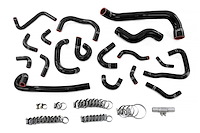
HPS PERFORMANCE
57-2136-BLK Coolant Hose Kit, 3-Ply Reinforced Silicone Coolant & IDle Air Control Hoses, 1995-1998 Skyline GTR R33
Part Number: 589-57-2136-BLK
Ships on 10/21/2026Lowest Price Guarantee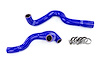
HPS PERFORMANCE
57-1934-BLUE Breather & BPV Hose Kit, Reinforced Fluorolined Silicone, Replaces Rubber Breather & Bypass Valve Hoses
Part Number: 589-57-1934-BLUE
Ships on 10/21/2026Lowest price guarantee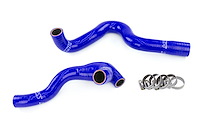
HPS PERFORMANCE
57-1934-BLUE Breather & BPV Hose Kit, Reinforced Fluorolined Silicone, Replaces Rubber Breather & Bypass Valve Hoses
Part Number: 589-57-1934-BLUE
Ships on 10/21/2026Lowest Price Guarantee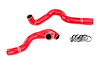
HPS PERFORMANCE
57-1934-RED Breather & BPV Hose Kit, Reinforced Fluorolined Silicone, Replaces Rubber Breather & Bypass Valve Hoses
Part Number: 589-57-1934-RED
Ships on 10/21/2026Lowest price guarantee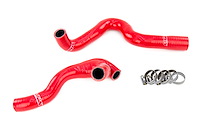
HPS PERFORMANCE
57-1934-RED Breather & BPV Hose Kit, Reinforced Fluorolined Silicone, Replaces Rubber Breather & Bypass Valve Hoses
Part Number: 589-57-1934-RED
Ships on 10/21/2026Lowest Price Guarantee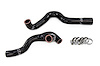
HPS PERFORMANCE
57-1934-BLK Breather & BPV Hose Kit, Reinforced Fluorolined Silicone, Replaces Rubber Breather & Bypass Valve Hoses
Part Number: 589-57-1934-BLK
Ships on 10/21/2026Lowest price guarantee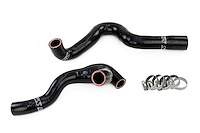
HPS PERFORMANCE
57-1934-BLK Breather & BPV Hose Kit, Reinforced Fluorolined Silicone, Replaces Rubber Breather & Bypass Valve Hoses
Part Number: 589-57-1934-BLK
Ships on 10/21/2026Lowest Price Guarantee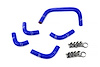
HPS PERFORMANCE
57-2134-BLUE Idle Air Control Valve Hose Kit, 3-Ply Reinforced Silicone, Replaces Rubber IDle Air Control Valve Hoses
Part Number: 589-57-2134-BLUE
Ships on 10/21/2026Lowest price guarantee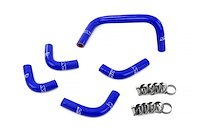
HPS PERFORMANCE
57-2134-BLUE Idle Air Control Valve Hose Kit, 3-Ply Reinforced Silicone, Replaces Rubber IDle Air Control Valve Hoses
Part Number: 589-57-2134-BLUE
Ships on 10/21/2026Lowest Price Guarantee
HPS PERFORMANCE
57-2136-BLUE Coolant Hose Kit, 3-Ply Reinforced Silicone Coolant & IDle Air Control Hoses
Part Number: 589-57-2136-BLUE
Ships on 10/21/2026Lowest price guarantee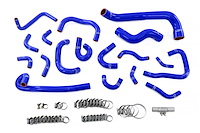
HPS PERFORMANCE
57-2136-BLUE Coolant Hose Kit, 3-Ply Reinforced Silicone Coolant & IDle Air Control Hoses
Part Number: 589-57-2136-BLUE
Ships on 10/21/2026Lowest Price Guarantee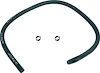
MOTORCRAFT
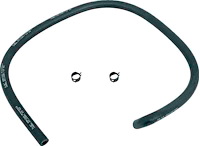
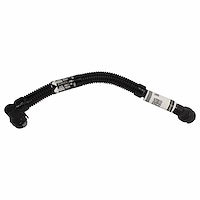
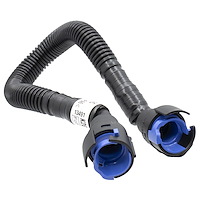
EPDM Rubber Direct-Fit OE Replacement PCV Valve Hose for 2007-2014 Ford and Lincoln Vehicles with 5.4L V8
Part Number: 037-KCV218
Ships on 10/16/2026Lowest price guarantee
MOTORCRAFT
EPDM Rubber Direct-Fit OE Replacement PCV Valve Hose for 2007-2014 Ford and Lincoln Vehicles with 5.4L V8
Part Number: 037-KCV218
Ships on 10/16/2026Lowest Price Guarantee
MOTORCRAFT
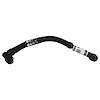
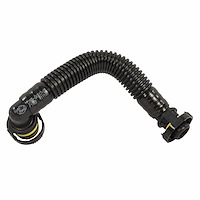
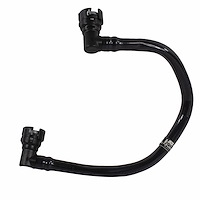
OEM Upper PCV Valve Hose for 2017-2019 Ford Escape SE, 2018-2019 Escape SEL, 2017 Escape Titanium 1.5L L4
Part Number: 037-KCV305
Ships on 10/16/2026Lowest price guarantee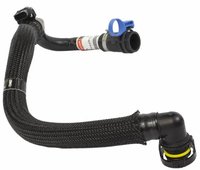
MOTORCRAFT
OEM Upper PCV Valve Hose for 2017-2019 Ford Escape SE, 2018-2019 Escape SEL, 2017 Escape Titanium 1.5L L4
Part Number: 037-KCV305
Ships on 10/16/2026Lowest Price Guarantee

DORMAN PRODUCTS
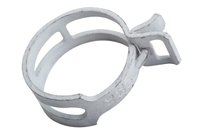
46062 Emissions Hose; 2004-2007 Buick, 2002-2009 Chevrolet, 2002-2009 GMC, 2002-2004 Oldsmobile
Part Number: 326-46062
Ships TomorrowLowest price guarantee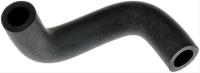
DORMAN PRODUCTS
46062 Emissions Hose; 2004-2007 Buick, 2002-2009 Chevrolet, 2002-2009 GMC, 2002-2004 Oldsmobile
Part Number: 326-46062
Ships TomorrowLowest Price Guarantee
DORMAN PRODUCTS
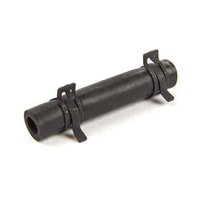
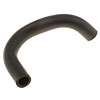
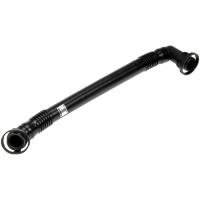
46013 PCV Hose - Fits 3.3l and 3.8l; 1996-2000 Chrysler, 1996-2000 Dodge, 1996-2000 Plymouth
Part Number: 326-46013
Ships on Oct 13, 2026Lowest price guarantee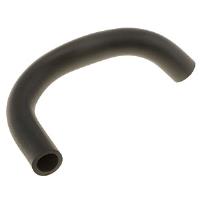
DORMAN PRODUCTS
46013 PCV Hose - Fits 3.3l and 3.8l; 1996-2000 Chrysler, 1996-2000 Dodge, 1996-2000 Plymouth
Part Number: 326-46013
Ships on Oct 13, 2026Lowest Price Guarantee
DORMAN PRODUCTS
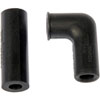
46024 PCV Elbow; 1996-2007 Chevrolet; 1996-2007 GMC; 2006 Pontiac; 2002-2003 Workhorse
Part Number: 326-46024
Ships on Oct 13, 2026Lowest price guarantee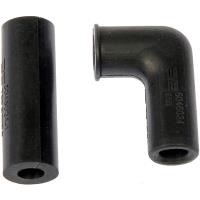
DORMAN PRODUCTS
46024 PCV Elbow; 1996-2007 Chevrolet; 1996-2007 GMC; 2006 Pontiac; 2002-2003 Workhorse
Part Number: 326-46024
Ships on Oct 13, 2026Lowest Price GuaranteeFrequently Asked Questions About Automotive Vacuum Hose
How do you fix a vacuum line?
Start by finding the leak, then cut out the cracked or brittle section and replace it with hose that matches the barb size. Slide the new line fully onto each barb and secure it with a clamp or zip tie so it can't back off under vacuum. For a hose that's split at the end, you can sometimes trim the damaged tip and reseat the line if there's enough length to work with.
What can I use to seal a vacuum hose?
Seal a vacuum hose with a proper hose clamp or spring clamp at the connection, since a snug mechanical seal is what stops leaks. For minor pinhole leaks, silicone tape or vacuum-rated sealant can serve as a short-term fix. The lasting solution is replacing the worn line with correctly sized hose, because tape and sealant break down under heat and constant vacuum.
How much does a vacuum line repair kit cost?
Basic vacuum line repair kits generally run about $5 to $20 and cover common sizes for quick fixes. More comprehensive vacuum hose kits with assorted lengths, materials, and connectors typically fall in the $20 to $50-plus range. What you spend depends on how many sizes you need and whether you choose rubber or silicone hose.
What are the symptoms of a bad or leaking vacuum hose?
A leaking vacuum hose often shows up as rough or high idle, stalling, or a hissing sound under the hood. You may also notice a hard brake pedal, poor fuel economy, or a check-engine light from a lean condition. Cracked, soft, or oil-soaked lines are common visual clues that a hose is due for replacement.