Sign up now to join the JEGS email newsletter and be the first to learn about new products, special deals and e-mail only offers!

 42 People Found This Article Helpful
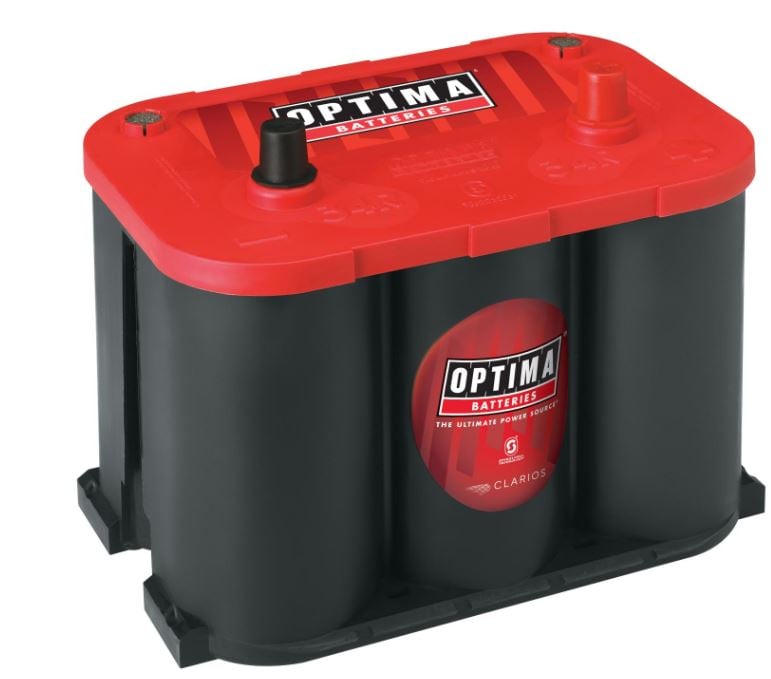
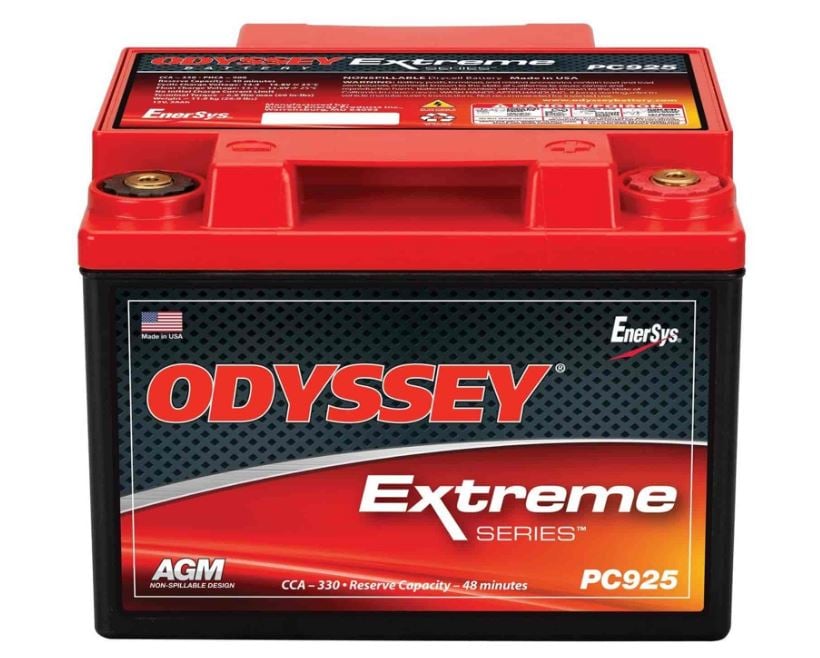

Selecting the right car or truck battery involves various considerations specific to your vehicle and usage. Factors like power-hungry accessories, extreme climates, and your vehicle's requirements all play a crucial role in determining the suitable battery.
Car batteries are essential for powering the starter, supplying electricity to various vehicle components like ignition, lighting, onboard systems, and are kept charged by the alternator while the engine runs. Typically, a battery's lifespan ranges between 4 to 6 years, subject to variations based on type and quality.
Three main aspects define a battery: physical size, cranking amp size, and terminal orientation. The physical size, referred to as the battery group size, must fit snugly onto the battery tray or within the box. The cranking amp ratings, either in cranking amps (CA) or cold cranking amps (CCA), cater to extreme temperature conditions ensuring reliable engine startup.
For vehicles with the original battery, referencing the label atop the battery for the group size is beneficial. It guides in determining the correct physical size. Also, checking the label for cranking and cold cranking amps is vital. Cranking amps are crucial above 32 degrees Fahrenheit, while cold cranking amps are vital in freezing conditions. If the original battery label is unavailable, measurements of the tray or box can assist in finding the right size using a battery group size chart.
Sign up now to join the JEGS email newsletter and be the first to learn about new products, special deals and e-mail only offers!
21 / 21R = 8-3/16 x 6-13/16 x 8-3/4
22F = 9-1/2 x 6-7/8 x 8-5/16
22HF = 9-1/2 x 6-7/8 x 9
22NF = 9-7/16 x 5-1/2 x 8-15/16
22R = 9 x 6-7/8 x 8-5/16
24 = 10-1/4 x 6-13/16 x 8-7/8
24F = 10-3/4 x 6-13/16 x 9
24H = 10-1/4 x 6-13/16 x 9-3/8
24R = 10-1/4 x 6-13/16 x 9
24T = 10-1/4 x 6-13/16 x 9-3/4
25 = 9-1/16 x 6-7/8 x 8-7/8
26 / 26R = 8-3/16 x 6-13/16 x 7-3/4
27 = 12-1/16 x 6-13/16 x 8-7/8
27F = 12-1/2 x 6-13/16 x 8-15/16
27H = 11-3/4 x 6-13/16 x 9-1/4
29NF = 13 x 5-1/2 x 8-15/16
33 = 13-5/16 x 6-13/16 x 9-3/8
34 / 34R = 10-1/4 x 6-13/16 x 7-7/8
35 = 9-1/16 x 6-7/8 x 8-7/8
36R = 10-3/8 x 7-1/4 x 8-1/8
40R = 11 x 6-15/16 x 6-15/16
41 = 11-9/16 x 6-15/16 x 6-15/16
42 = 9-9/16 x 6-15/16 x 6-15/16
43 = 13-1/8 x 6-7/8 x 8-1/16
45 = 9-7/16 x 5-1/2 x 8-15/16
46 = 10-3/4 x 6-13/16 x 9
47 = 9-11/16 x 6-7/8 x 7-1/2
48 = 12-1/16 x 6-7/8 x 7-9/16
49 = 15 x 6-7/8 x 7-3/16
50 = 13-1/2 x 5 x 10
51 / 51R = 9-3/8 x5-1/16 x 8-13/16
52 = 7-5/16 x 5-13/16 x 8-1/4
53 = 13 x 4-11/16 x 8-1/4
54 = 7-5/16 x 6-1/16 x 8-3/8
55 = 8-5/8 x 6-1/16 x 8-3/8
56 = 10 x 6-1/16 x 8-3/8
57 = 8-1/16 x 7-3/16 x 6-15/16
58 / 58R = 10-1/16 x 7-3/16 x 6-15/16
59 = 10-1/16 x 7-5/8 x 7-3/4
60 = 13-1/16 x 6-5/16 x 8-7/8
61 = 7-9/16 x 6-3/8 x 8-7/8
62 = 8-7/8 x 6-3/8 x 8-7/8
63 = 10-3/16 x 6-3/8 x 8-7/8
64 = 11-11/16 x 6-3/8 x 8-7/8
65 = 12-1/16 x 7-1/2 x 7-9/16
70 = 8-3/16 x 7-1/16 x 7-11/16
71 = 8-3/16 x 7-1/16 x 8-1/2
72 = 9-1/16 x 7-1/16 x 8-1/4
73 = 9-1/16 x 7-1/16 x 8-1/2
74 = 10-1/4 x 7-1/4 x 8-3/4
75 = 9-1/16 x 7-1/16 x 7-11/16
76 = 13-1/8 x 7-1/16 x 8-1/2
78 = 10-1/4 x 7-1/16 x 7-11/16
85 = 9-1/16 x 6-13/16 x 8
86 = 9-1/16 x 6-13/16 x 8
90 = 9-11/16 x 6-7/8 x 6-7/8
91 = 11 x 6-7/8 x 6-7/8
92 = 12-1/2 x 6-7/8 x 6-7/8
93 = 15 x 6-7/8 x 6-7/8
94R = 12-3/8 x 6-7/8 x 7-1/2
95R = 15-9/16 x 6-7/8 x 7-1/2
96R = 9-1/2 x 6-15/16 x 6-15/16
97R = 9-15/16 x 6-7/8 x 7-1/2
98R = 11-3/16 x 6-7/8 x 7-1/2
99 / 99R = 8-1/4 x 6-7/8 x 6-7/8
100 = 10-1/4 x 7-1/16 x 7-3/8
101 = 10-1/4 x 7-1/16 x 6-11/16
121R = 8-1/4 x 7 x 8-1/2
124 = 10-7/16 x 6-7/8 x 8-7/16
124R = 10-3/8 x 7 x 8-5/16
151R = 7-3/8 x 4-15/16 x 8-7/8
Selecting the ideal battery involves matching physical size, cranking amp ratings, and terminal orientation (top or side post and positive terminal placement). Understanding these aspects ensures a well-informed choice. Explore JEGS' extensive battery selection and consult our tech support for personalized guidance. With the right battery, ensure reliable vehicle performance under varied conditions.
Trucks demand specific battery considerations due to potential power requirements and diverse usage scenarios. Choosing the appropriate battery size, cranking amp ratings, and terminal orientation is critical for optimal performance in trucks. Understanding the implications of battery group sizes ensures a suitable replacement for truck batteries.
Group size refers to the physical dimensions of a battery, ensuring it fits the designated space in a vehicle. Each group size corresponds to specific measurements, guiding the selection process based on the available space and compatibility with the vehicle's requirements.
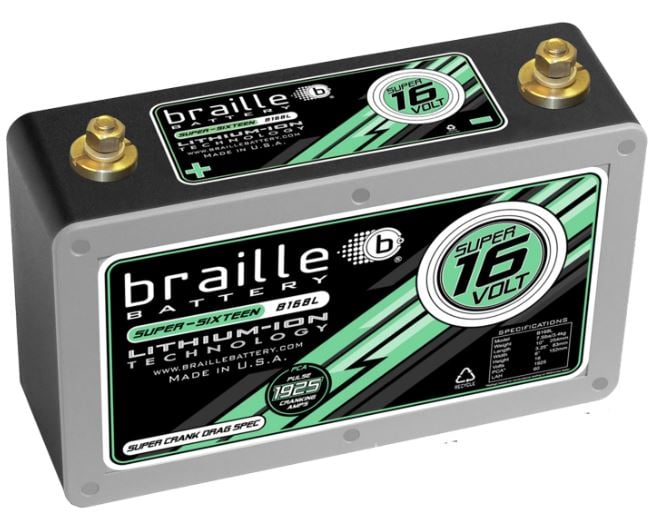

I need a 6.5” x 13” battery for my 68 Camaro with 572 motor!!!

Robert, the physical dimensions are a good starting point, but with a 572 engine the more important considerations are the battery’s cold cranking amps (CCA), reserve capacity, terminal orientation, and whether it will fit your battery tray and hold-down. A battery measuring approximately 13 inches long by 6.5 inches wide is often found in Group 27 and some Group 31 applications, but the exact height and terminal location matter as well.
Because battery sizing can vary by manufacturer, I would not want to recommend a specific group size based solely on the dimensions provided. To make sure you get the right battery for your 1968 Camaro and high-compression big block combination, I would recommend verifying the available tray dimensions, battery height clearance, and your starting system requirements.
Give us a call at 1-800-345-4545 and a Tech Specialist can help identify the best battery options for your Camaro based on the available space and the needs of your 572 engine.

Yes, the battery is in a 54 Chevy running a type three LS engine. Purchase a vehicle one week ago and now the battery is acting old. After a full charge it’s a new show voltage. It’s just under 12 V not good. He has a special mount on the firewall in a very small battery. The battery dimensions are 3 inches wide. 7 inch width and 6 inches high. I need a little bit of help. I can mount a bigger box. There is room, but the battery that’s in place has been there for almost 5 years and work.
Thank you
Tom
Hi Tom, thanks for the details. Based on what you shared, here’s how I’d look at it:
Your current battery sounds like it’s giving up — anything under 12 volts after a full charge usually points to a battery that won’t hold capacity anymore. Given it’s already around 5 years old, it has had a good run. The dimensions you gave (3 inches wide, 7 inches long, 6 inches tall) suggest that someone before you fit a very small, lightweight battery for packaging reasons. That’s not unusual in custom or modified classics, but it does limit cranking power, especially with a modern LS engine.
Since you mentioned you have space to mount a bigger battery box, that’s the direction I’d go. A larger case size will give you a lot more cold cranking amps (CCA) and reserve capacity, which makes for easier starts, more consistent voltage for the fuel injection, and longer life overall. For LS swaps, it’s common to step up to a mid-sized performance battery. If you want to keep costs down, you can use a standard automotive group size battery that fits the space you open up with a bigger tray. If you want something compact but with more power than what you have, look at performance AGM or lightweight race-style batteries in a slightly larger case size.
On the concern about headroom for mounting — as long as you build or buy a secure battery box, you’ll be fine. A standard group 34 or group 78 size battery, for example, is much more practical than what you’ve got now, and still fits underhood in most swaps without issue.
So the short answer is: your current battery has simply aged out, and the smartest move is upgrading to a larger case size since you’ve got the room. That way you’ll have reliable cranking power for your LS engine and won’t be chasing electrical gremlins from a weak battery.
If you’d like some help narrowing down exact battery series and sizes that will suit your setup best, give us a call at 1-800-345-4545 and one of our tech specialists can walk you through the best fit for your 54 Chevy with the LS swap.



Leave a Reply