Sign up now to join the JEGS email newsletter and be the first to learn about new products, special deals and e-mail only offers!

 2 People Found This Article Helpful
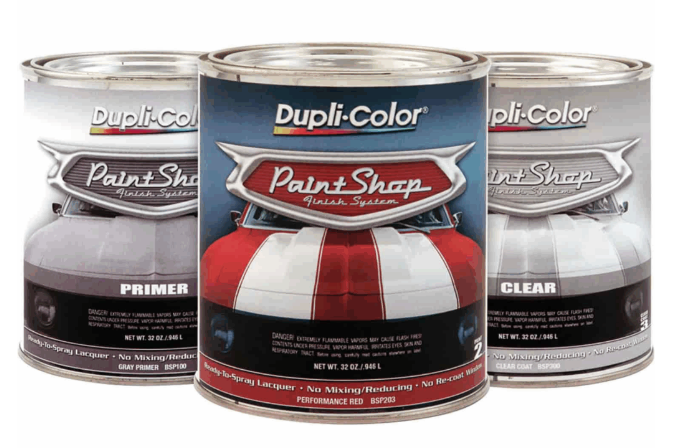

Choosing the right paint is one of the most important decisions in a classic car restoration. Paint does more than define how a car looks. It protects the body, preserves value, and reflects the quality of the work underneath. Whether you are restoring a numbers matching muscle car or building a clean driver with vintage style, selecting the correct paint system is critical.
This guide explains the different types of classic car paint, how to match paint to your goals, and what to consider before making a purchase. The goal is to help you achieve a finish that looks right, lasts, and fits your restoration plan.
Before selecting paint, it is important to be honest about what you want from the finished car.
Some restorations aim for factory correct appearance with original colors and finishes. Others focus on durability, ease of maintenance, or modern performance. Your goal will guide every paint decision that follows.
Common restoration goals include:
Each goal favors different paint types and techniques.
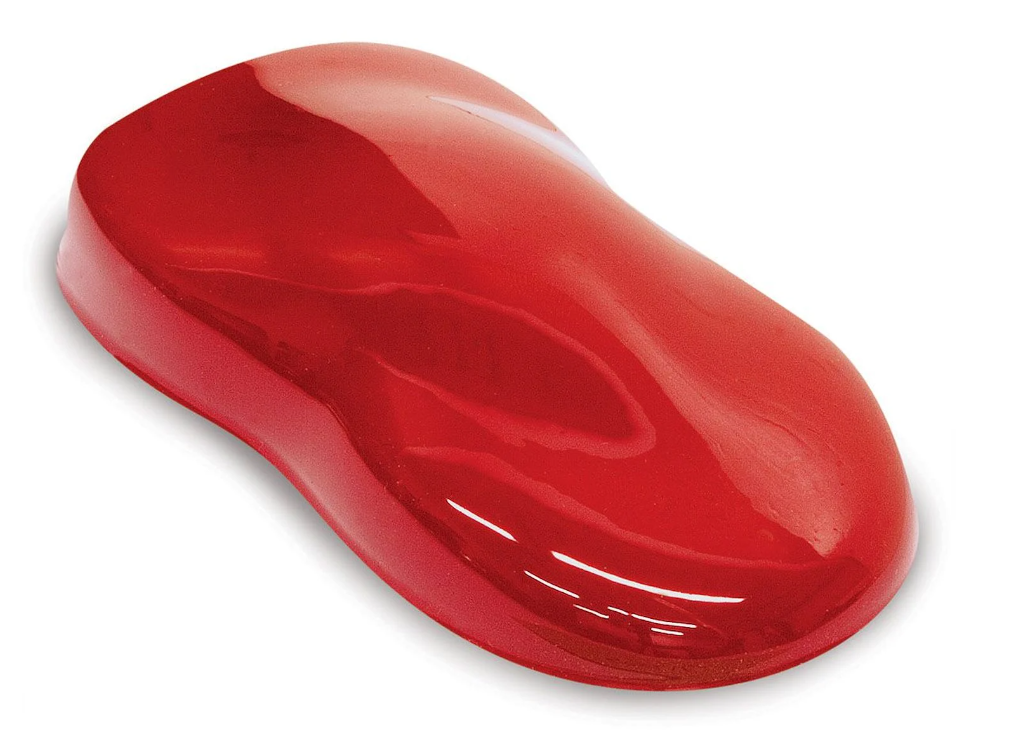
Classic car paint options have evolved over time. Understanding how each type works helps you choose the right one.
Single stage paint combines color and gloss in one application. This was the standard on many classic cars when they were new.
Single stage paint offers an authentic look, especially on older muscle cars and trucks. It is often chosen for factory correct restorations because it closely matches original finishes.
However, single stage paint is less forgiving and can be harder to repair compared to modern systems.
Basecoat clearcoat systems separate color and clear into two layers. This approach is widely used today and offers excellent gloss and durability.
Basecoat clearcoat provides better UV protection and makes color sanding and polishing easier. While not always factory correct for older vehicles, it is a popular choice for drivers and show cars.
Acrylic enamel was commonly used on classic cars and offers a traditional appearance. Modern urethane paints provide improved durability, chemical resistance, and long term color retention.
Urethane systems are widely available and compatible with both single stage and basecoat clearcoat applications.
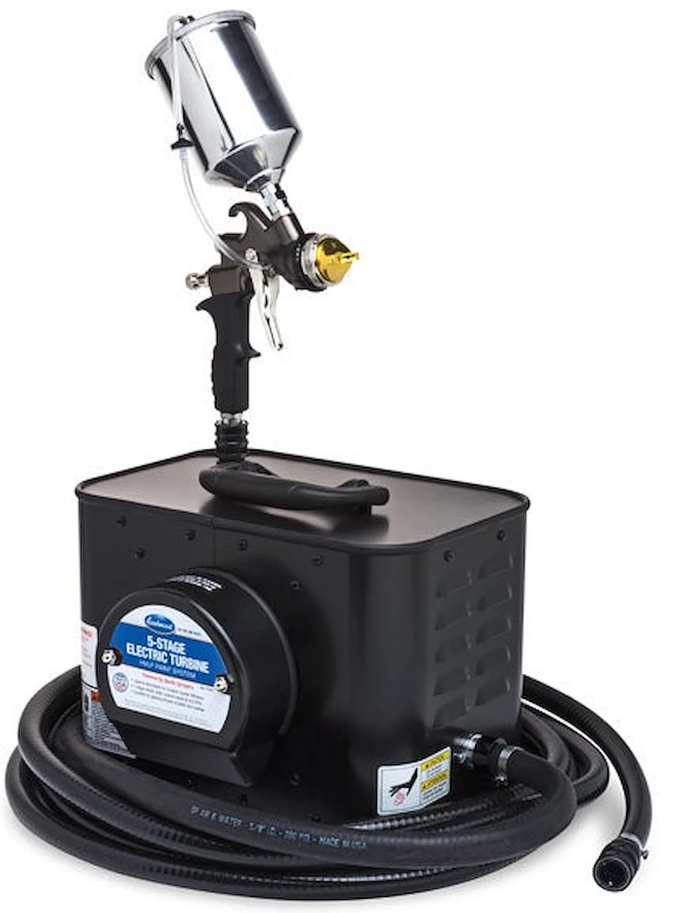
Choosing paint that matches the era of the vehicle helps maintain authenticity.
Many muscle cars from the 1960s and early 1970s originally used single stage finishes. Later vehicles began transitioning to more modern paint systems.
While modern paints outperform older formulas, some restorers prefer traditional finishes for visual accuracy. Both approaches are valid depending on the build goal.
Sign up now to join the JEGS email newsletter and be the first to learn about new products, special deals and e-mail only offers!
Color choice has a major impact on the finished car.
Factory color codes help ensure authenticity for classic restorations. Original colors often add value and appeal to collectors.
For custom or restomod builds, period inspired colors can offer a vintage look with a personalized touch.
Before committing to a color, consider how it complements body lines, trim, and interior components.

Classic cars are often stored differently than daily drivers. Paint durability should match how the car will be used.
If the car will see regular driving, exposure to sunlight, and occasional weather, modern urethane paints offer better long term protection.
Show cars that spend most of their time indoors can use more traditional finishes without concern for UV exposure.
Maintenance requirements also vary. Basecoat clearcoat finishes are generally easier to maintain and repair.
No paint system can compensate for poor surface preparation. Bodywork quality, rust repair, and proper priming are critical.
Steps that impact final results include:
Investing time in preparation often matters more than the paint brand itself.
Using high quality paint from trusted manufacturers helps ensure consistent results.
JEGS carries a variety of classic car paint products, primers, and refinishing supplies from respected brands. Choosing compatible systems from the same manufacturer reduces the risk of adhesion and curing issues.
Follow manufacturer recommendations for mixing, application, and curing times.
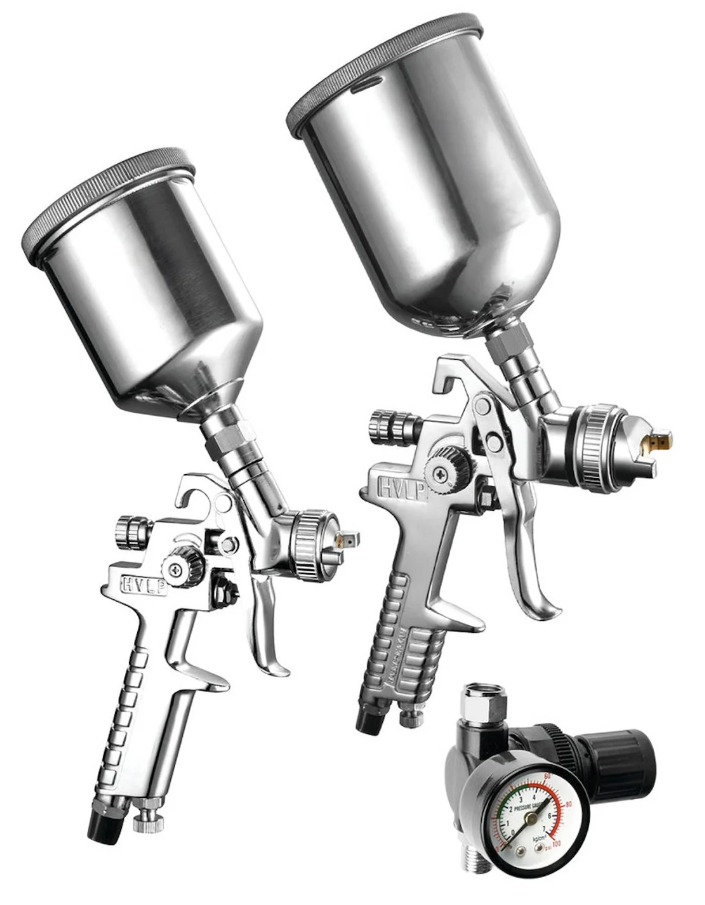
Modern automotive paints contain chemicals that require proper safety equipment.
Always use appropriate respirators, ventilation, and protective gear. If you are not equipped to spray certain paint types safely, professional application may be the best option.
Paint costs extend beyond the paint itself. Supplies, equipment, and labor all factor into the total budget.
Higher quality paints often cost more upfront but can reduce long term maintenance and repainting costs.
Balancing budget and expectations helps avoid disappointment later.
JEGS offers a wide selection of classic car paint supplies, primers, sealers, and refinishing accessories.
From restoration focused finishes to modern performance coatings, JEGS provides options to support every stage of the painting process.

Choosing the best classic car paint starts with understanding your goals, your vehicle, and how the car will be used. The right paint enhances appearance, protects your investment, and completes the restoration properly.
By selecting a paint system that matches your vision and committing to quality preparation, you can achieve a finish that looks right and lasts.
Explore classic car paint products and refinishing supplies at www.jegs.com and bring your restoration project one step closer to completion.





Leave a Reply