Sign up now to join the JEGS email newsletter and be the first to learn about new products, special deals and e-mail only offers!

 4 People Found This Article Helpful


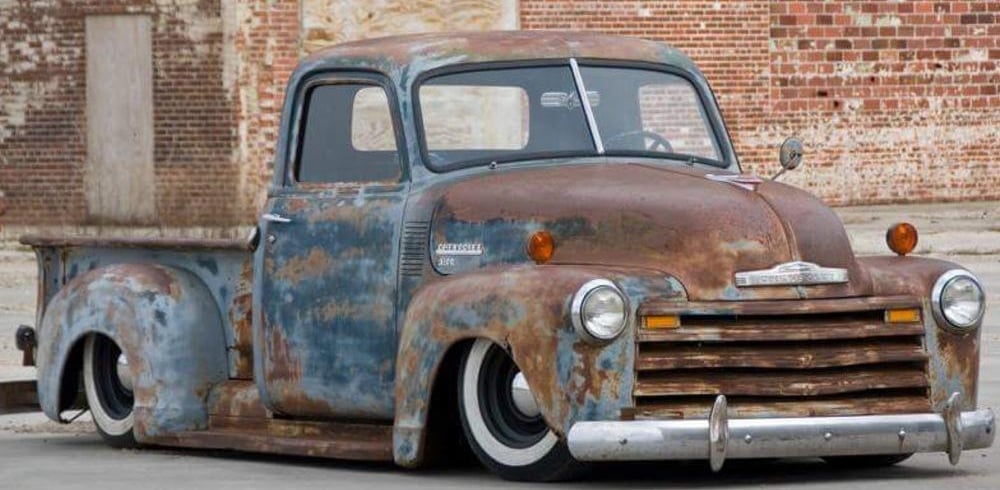
Your car’s finish plays a big part in how you feel about it and what it says about you and your style. If you are tired of your vehicle’s color or the paint is starting to fade or deteriorate, learning how to paint a car can be a great project. While it takes some patience and time to gather all the materials and do the job correctly, it will be well worth it when your vehicle looks its best and you are satisfied. To help get you started, we have compiled a complete guide on how to paint a car and what you should expect.
Before you begin painting your vehicle, you need to have all your materials ready to go. Painting a car requires a lot of preparation, and without the right materials, the process can take a lot longer, and your results may not be as professional as you would like.
To get started, you should have the following items ready:

In addition to these materials, you need to have a space in which you will be doing the painting. This space should be clean, incredibly well-ventilated, and free of dust. A covered carport is an excellent option for learning how to paint a car since it is outside and will be relatively protected from the elements. If you don’t have a carport available, a well-ventilated garage lined with tarps can also work well. As long as the vehicle is protected and you have room to breathe, any space you have available will be sufficient.
Sign up now to join the JEGS email newsletter and be the first to learn about new products, special deals and e-mail only offers!
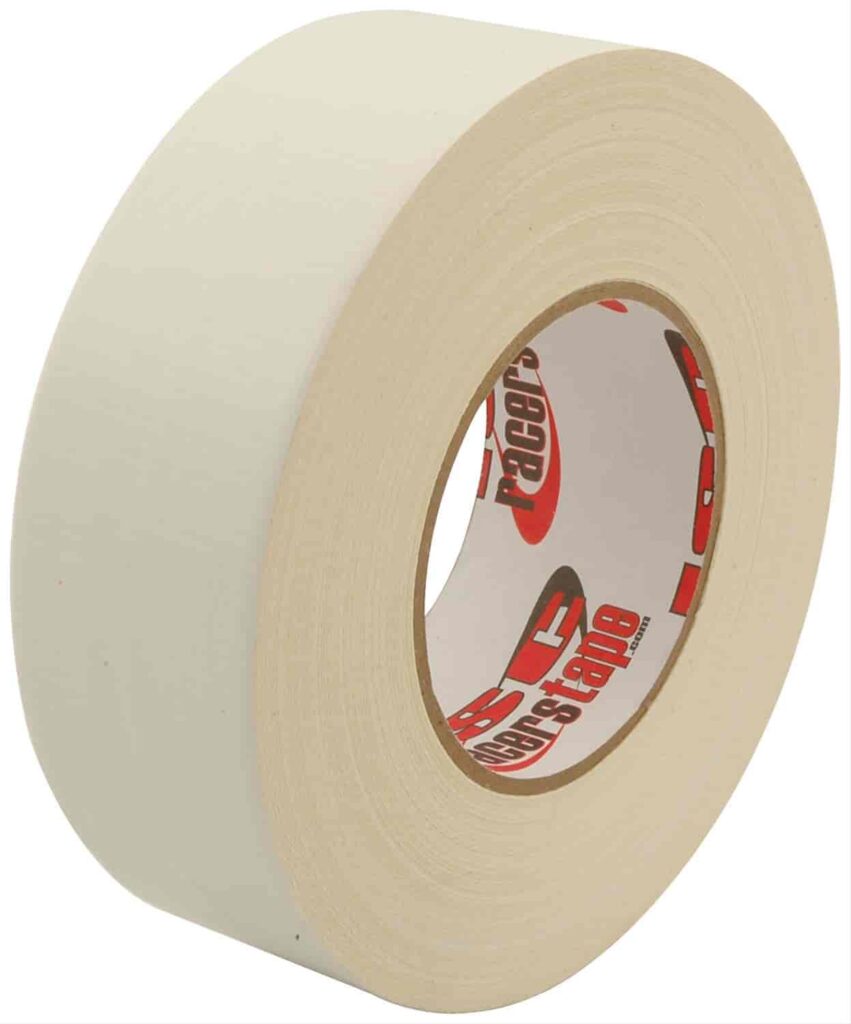
When learning how to paint a car, you should start with masking. Using masking tape and other masking materials, cover up things like windows, trim pieces, and the wheels and tires. Any area that you don’t want to get hit with overspray should be well covered with something easy to remove once the painting process is finished.
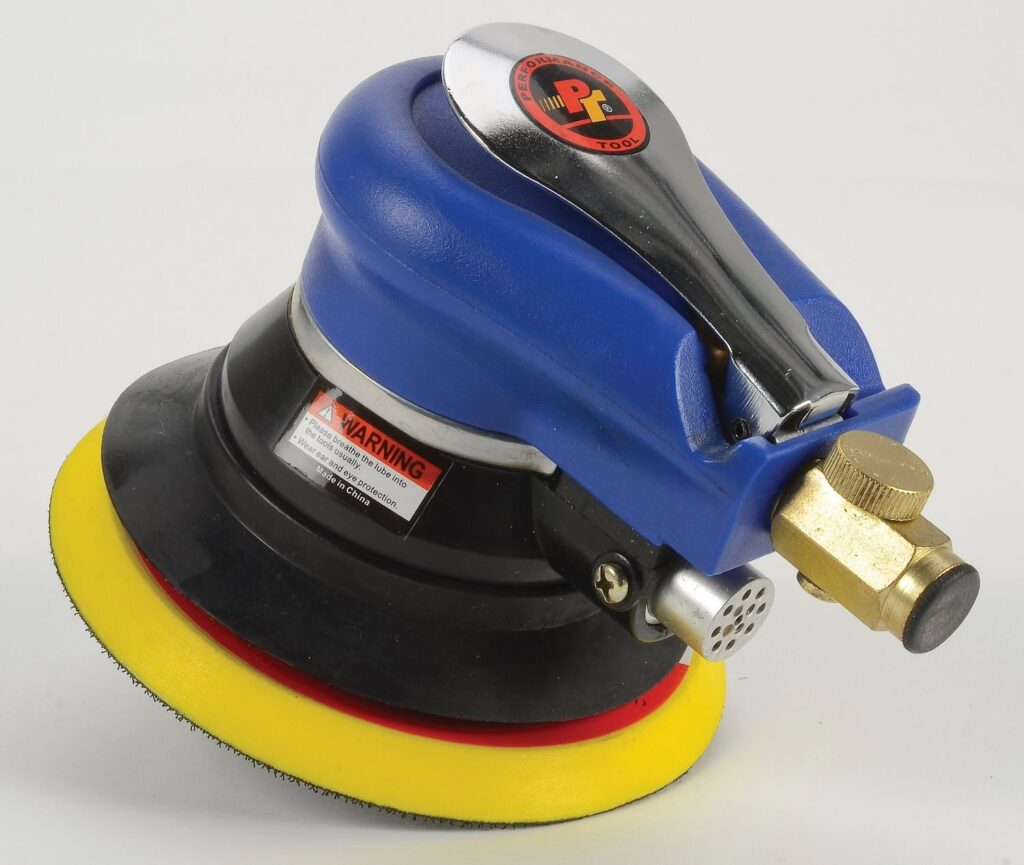
After everything is masked off, you can start sanding the original clear coat. With 1,200-grit sandpaper, scrape off the clear coat. If you are painting the car a color that is different from the original finish, you will need to sand the car down to the bare metal. This process is incredibly time-consuming but it will get you the best results in the end with no bleeding of the original color into the new paint.
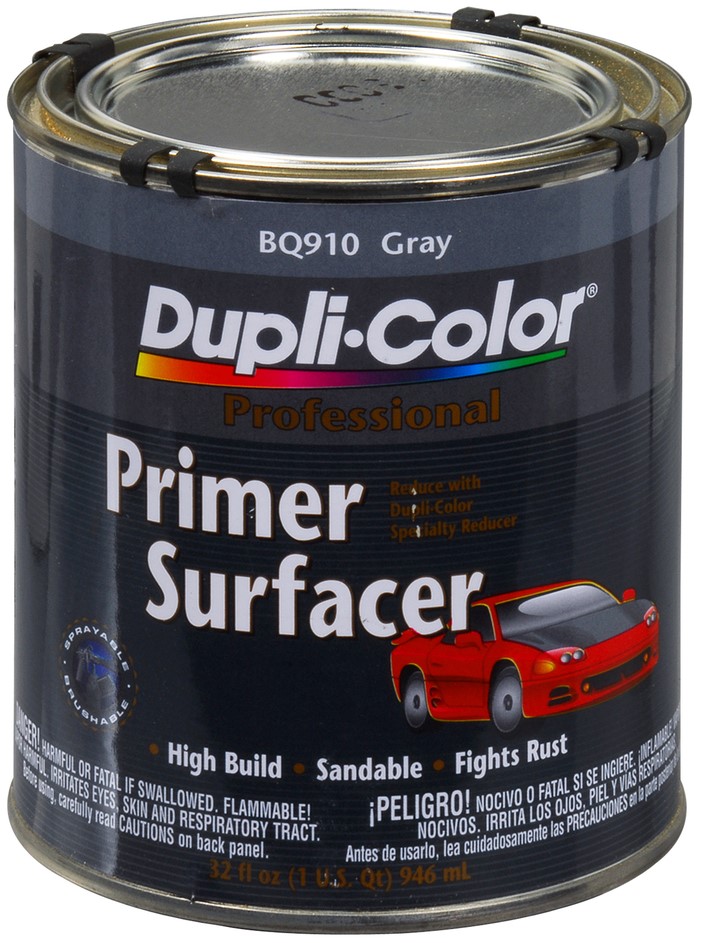
Once you have sanded the vehicle down, you can apply the primer. Primer is crucial for creating a surface to which the new paint will stick. Thin the primer according to the instructions on the primer can, and test the spray gun on a piece of scrap metal or wood to ensure that the spray is consistent. Then, apply the primer, starting at the roof and working your way down. For the most part, it will take two to three coats of primer to cover the vehicle completely. Let the primer dry as long as the can instructs you to and be sure to thoroughly clean the spray gun before moving on to the next step.
Applying the topcoat is the most essential part of learning how to paint a car. Just like with the primer, thin the topcoat paint according to the instructions. Then, starting with the roof, paint the vehicle in smooth, even strokes. You will most likely need three to four coats of paint to completely cover the vehicle and get the color as deep as you want it to be. Before you do the last coat, wipe the vehicle down and smooth out the surface with 2,000-grit sandpaper for an even finish.
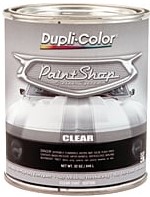
Once the topcoat has cured, you can apply the lacquer clearcoat. For a sleek, shiny finish, this will usually require one to two coats. Remove the masking materials while the clearcoat is still wet to avoid cracking, and then let it cure completely. Once the curing process is done, you can buff the car for a glossy, finished look.
The answer to “How much does it cost to paint a car?” will depend heavily on the materials you choose and what you already have available to you. You can expect to pay between $200 and $500 for a completely budget-friendly paint job. For a mid-level DIY paint job, the cost will most likely be between $500 and $1,500. If you go all out and buy the most high-end materials and equipment, you can spend upwards of $3,000. The results you want and your level of expertise will have a big impact on how much you end up spending. If you want a final product that is as close to professional as possible, it is a good idea to spend money where it is necessary and get the best materials you can afford.
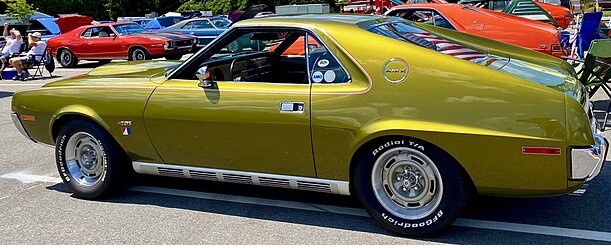
When doing a DIY paint job, you want to take your time with the process. Because of that, you should take as long as you need and not worry about finishing quickly so you can be sure to do everything right. Usually, with all the prep work and curing time, a DIY car paint job will take one to two weeks from start to finish. The longer you let the primer, topcoat, and clearcoat cure, the better your results will be.
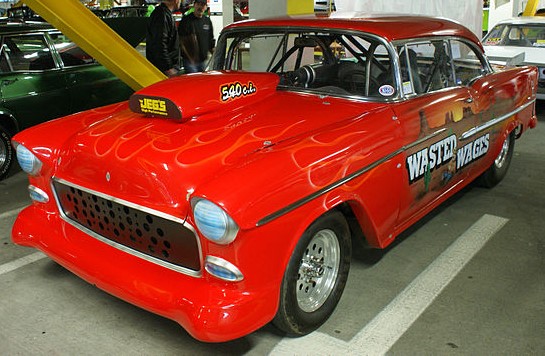
If you want the best materials and equipment when learning how to paint a car, JEGS has everything you need. As a leading supplier of automotive products, our wide selection of paints and painting equipment will help you get beautiful results.



Leave a Reply