Sign up now to join the JEGS email newsletter and be the first to learn about new products, special deals and e-mail only offers!

 2 People Found This Article Helpful
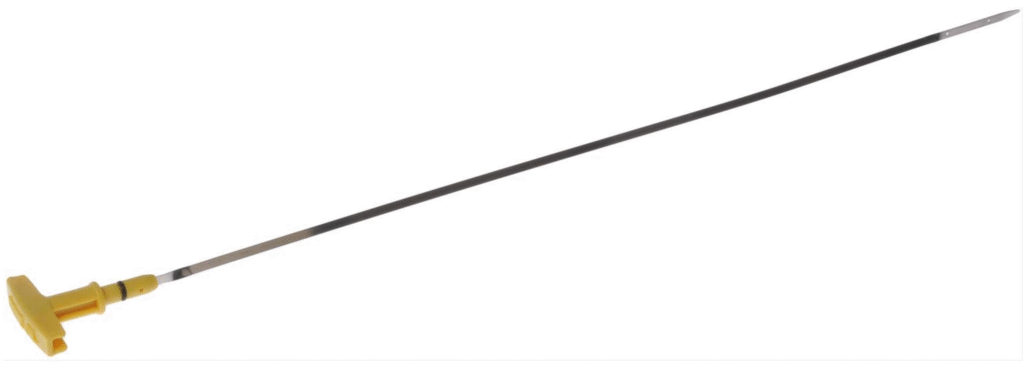

Engine oil is critical to lubrication, cooling, and long term engine health. While running low on oil is widely known to be harmful, overfilling engine oil can also cause serious problems. Adding too much oil can create excess pressure, reduce lubrication effectiveness, and lead to engine damage if not corrected.
This article explains what happens when engine oil is overfilled, the symptoms to watch for, and what to do if it happens.
Engine oil is designed to operate within a specific level range. The oil pump draws oil from the pan and distributes it throughout the engine, while excess oil drains back down.
When the oil level is too high, rotating engine components can come into contact with the oil, which disrupts normal lubrication and pressure control.
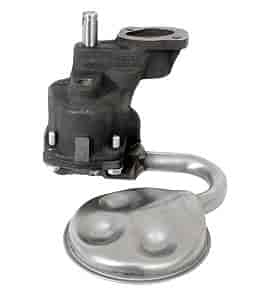
One of the most common problems caused by overfilled oil is foaming. When the crankshaft spins through excess oil, it can whip the oil into foam.
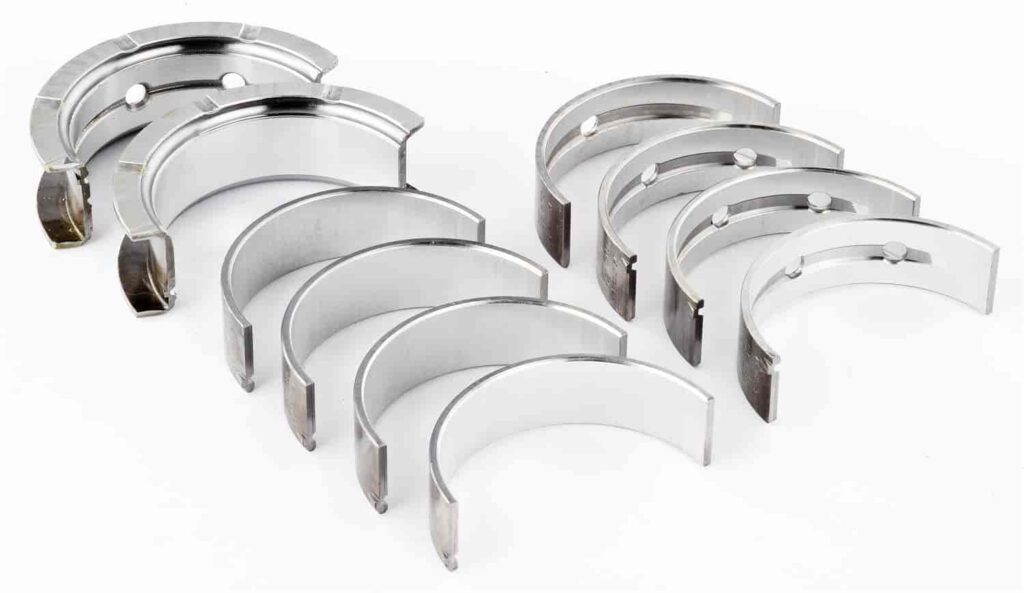
Foamy oil contains air bubbles, which reduces its ability to lubricate engine parts. This can lead to increased friction, heat, and accelerated wear on bearings and other moving components.
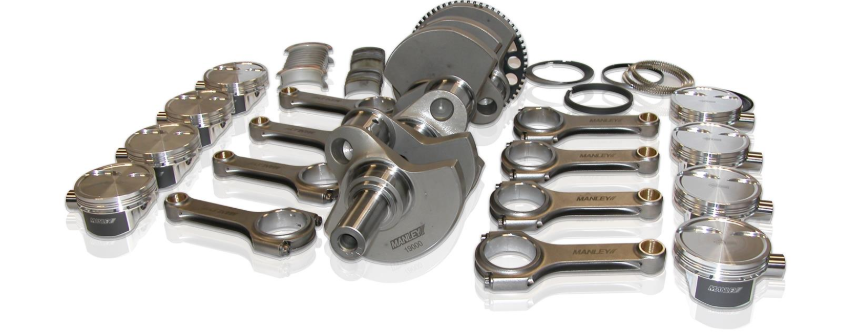
Too much oil in the engine can raise crankcase pressure. This excess pressure can overwhelm seals and gaskets that are designed to operate within a specific range.
As a result, oil may be forced past seals, leading to leaks around valve covers, crankshaft seals, or oil pan gaskets. In some cases, oil can be pushed into the intake system through the crankcase ventilation system.
When crankcase pressure increases, oil can be drawn into the intake through the positive crankcase ventilation system. This oil can coat intake components and enter the combustion chambers.
Burning oil can cause blue or gray exhaust smoke, fouled spark plugs, and reduced engine performance. Over time, it can also damage emissions components.

Sign up now to join the JEGS email newsletter and be the first to learn about new products, special deals and e-mail only offers!
Overfilled oil can create drag on rotating components, which increases resistance inside the engine. This extra drag can lead to reduced power, poor throttle response, and decreased fuel economy.
While the effects may be subtle at first, continued operation with too much oil can cause noticeable drivability issues.
If left uncorrected, overfilled oil can cause serious engine damage. Bearings rely on a stable oil film, and aerated oil cannot maintain proper protection. Seals and gaskets can fail under excess pressure, leading to oil leaks and further complications.
In extreme cases, engine damage can occur, especially if the vehicle is driven hard or for extended periods.
Symptoms of too much oil may include oil leaks, blue smoke from the exhaust, a burning oil smell, rough running, or increased oil consumption. In some vehicles, a check engine light may come on if oil contamination affects sensors.
Checking the oil level with the dipstick is the best way to confirm whether the engine has been overfilled.
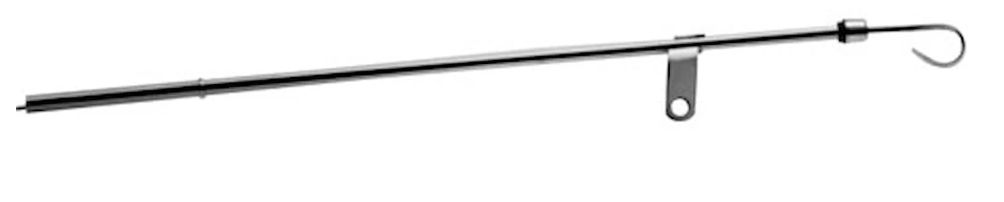
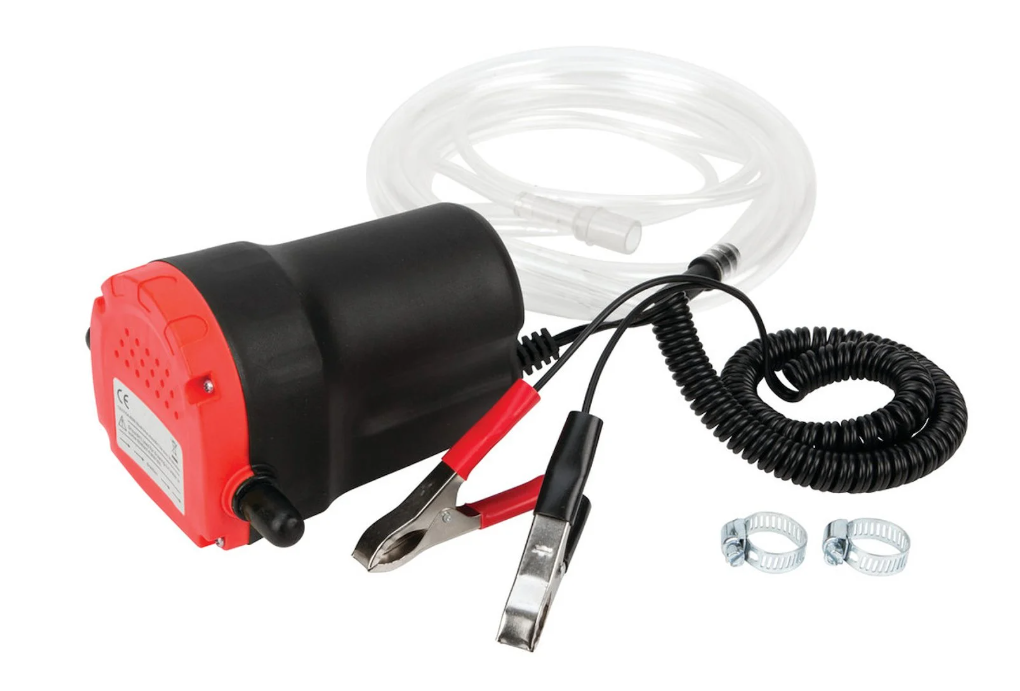
If you discover that the oil level is above the recommended range, the excess oil should be removed as soon as possible. This can be done by draining a small amount of oil from the oil pan or using an oil extraction pump.
Avoid driving the vehicle until the oil level is corrected, especially if symptoms are present. Once the oil is at the proper level, monitor for leaks or other issues.
Always add oil in small amounts and recheck the level after each addition. Make sure the vehicle is parked on level ground and allow time for oil to drain back into the pan before checking the dipstick.
Following the manufacturer’s recommended oil capacity and checking the level carefully helps prevent overfilling.
Maintaining the correct oil level is one of the simplest ways to protect your engine. At www.jegs.com, you will find a wide selection of engine oils, oil filters, drain plugs, and maintenance tools designed to keep your engine running smoothly.
If you have questions about oil capacity, oil selection, or engine maintenance, the JEGS Tech Specialists are available to help you keep your engine protected and performing at its best.



Leave a Reply