


 Order Status & Returns
 Gift Cards
 Help Center
 1-800-345-4545

Gauges
Automotive gauges show oil pressure, water temperature, fuel pressure, boost, and voltage in real time, so you can spot trouble before it damages your engine. JEGS carries more than 11,000 aftermarket gauges, kits, and mounting parts in 1-1/2-inch, 2-1/16-inch, 2-1/8-inch, and 2-5/8-inch sizes. Enter your Year/Make/Model or VIN in the vehicle selector to see the car gauges and kits that fit your ride.
Show More
What Types Of Automotive Gauges Can You Install?
Most builds start with oil pressure, water temperature, and voltage, then add gauges for the systems you've modified. Each gauge watches one system, so choose based on what your engine needs to report.
- Oil pressure gauges monitor the lubrication system, so you catch a pressure drop early.
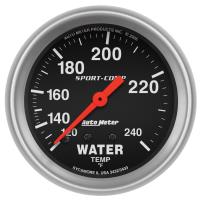
- Water temperature gauges track coolant temperature to help you prevent overheating.
- Fuel pressure gauges confirm your pump and regulator hold steady pressure.
- Boost/vacuum gauges show intake manifold pressure on turbocharged, supercharged, and naturally aspirated engines.
- Voltmeter gauges monitor battery voltage and charging system output.
- Nitrous pressure gauges read bottle pressure, with mechanical versions covering 0-1500 psi.
- Tachometers and speedometers display engine rpm and road speed.
Need an alert you can't miss at high rpm or low oil pressure? Pair your gauges with shift lights and warning lights. A light in your line of sight gets your attention without you looking down at a needle.
Should You Choose Mechanical Or Electric Aftermarket Gauges?
Choose mechanical gauges for a direct physical reading, and electric gauges for easier routing. A mechanical gauge connects to the measured system through tubing or a capillary line. Because there's no circuit involved, an electrical failure won't affect the reading.
Electric gauges read a signal from sending units and sensors, then carry it to the dash through wires. Wire is easier to route through a firewall than tubing. It also keeps oil and fuel lines out of the cabin.
Mechanical gauges are often more affordable, which helps when you're outfitting a full cluster. Electric gauges make sense when the gauge sits far from the engine or the routing path is tight. For a full comparison of how each style works, read our electric vs mechanical gauges guide.
How Do You Choose Gauge Size, Face Style, And Mounting?
Start with your mounting space, then match gauge diameter and face style to the rest of your dash. Common sizes here include 1-1/2-inch, 2-inch (2-1/16-inch), 2-1/8-inch, and 2-5/8-inch. Measure the hole in your gauge pod or panel before you order, since a 2-1/16-inch gauge won't fill a 2-5/8-inch opening.
Smaller 1-1/2-inch gauges suit tight spots and under-hood checks on fuel or nitrous lines. A matching face color across every gauge keeps a multi-gauge cluster easy to read at a glance. You can finish the look with bezels and wiring harnesses from gauge accessories.
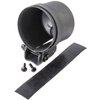
No room in the factory dash? Shop gauge mounts, pods, and panels for brackets and dash kits that add space for extra automotive gauges. To work through range, style, and placement step by step, use our Gauge Selection Guide: How To Choose Gauges.
Which Gauge Brands Can You Shop At JEGS?
JEGS stocks automotive gauges, kits, and panels from established aftermarket names alongside its own brand. AutoMeter gauges include dash kits, boost gauges, tachometers, pods, and a diesel fuel rail pressure gauge. Stewart Warner Deluxe-Series gauges include mechanical oil pressure and water temperature gauges plus an electrical voltmeter, all 2-1/16-inch with a black face.
Equus offers tachs, trio gauge sets, 5-gauge kits, a 2-inch two-hole gauge panel, and a 2-5/8-inch double gauge mounting panel. Longacre Racing builds an adjustable oil pressure warning light kit that triggers between 15 and 50 psi. Mr. Gasket offers a fuel pressure gauge with 3/8-inch inline adapters.
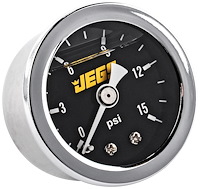
JEGS brand gauges include 1-1/2-inch liquid-filled fuel pressure gauges and a 1-1/2-inch mechanical nitrous pressure gauge. You'll also find a 2-1/8-inch OD liquid-filled engine thermometer. For late-model Fords, there's a fuel pressure gauge kit for 2005-10 Mustang 4.6L engines.
How Do You Install Car Gauges, Senders, And Tubing?
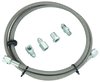
Installing automotive gauges takes three things: a mount, a connection to the measured system, and wiring for power or lighting. Mechanical gauges route tubing from an engine port to the back of the gauge. JEGS mechanical oil pressure gauge tubing kits include either 6 ft of nylon or 6 ft of copper tubing.
Electric gauges need a sender threaded into the engine, a solid ground, and a switched 12-volt feed. Use the sender specified for your gauge, since the sender and gauge must share the same resistance range. Route wires away from headers and moving parts.
Tachometers typically take their signal from the negative side of the ignition coil, the ECM, or an aftermarket ignition box. Our step-by-step tachometer installation guide walks through the wiring. When you're ready to finish your dash, shop all Gauges & Accessories.

ADD A VEHICLE TO GUARANTEE PARTS FIT
See products that fit


JEGS
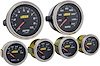
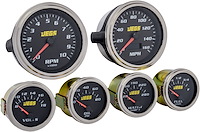
6-Gauge Set, Black Analog Face [3 3/8 in. Dia. Speedometer & Tachometer]
Part Number: 555-41290
 Ships on Nov 09, 2026
 Lowest price guarantee
JEGS
6-Gauge Set, Black Analog Face [3 3/8 in. Dia. Speedometer & Tachometer]
Part Number: 555-41290
Ships on Nov 09, 2026Lowest Price Guarantee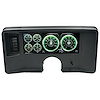
AUTO METAL DIRECT
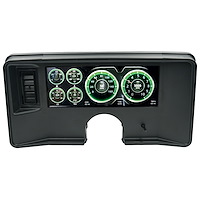
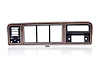
460-4573-WAC Chrome Dash Bezel Woodgrain with AC for 1973-1979 Ford F100, F150, F250, F350 Truck, 1978-1979 Bronco
Part Number: 106-460-4573-WAC
Ships on Nov 09, 2026Lowest price guarantee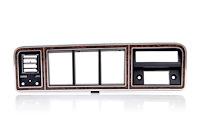
AUTO METAL DIRECT
460-4573-WAC Chrome Dash Bezel Woodgrain with AC for 1973-1979 Ford F100, F150, F250, F350 Truck, 1978-1979 Bronco
Part Number: 106-460-4573-WAC
Ships on Nov 09, 2026Lowest Price Guarantee
JEGS
Dash Panel Bezel for 1964 Chevrolet Chevelle and El Camino [Without A/C]
Part Number: 555-79251
Ships on Nov 09, 2026Lowest price guarantee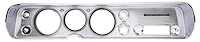
JEGS
Dash Panel Bezel for 1964 Chevrolet Chevelle and El Camino [Without A/C]
Part Number: 555-79251
Ships on Nov 09, 2026Lowest Price Guarantee
JEGS
Voltmeter Gauge [2 1/16 in. Electrical, 8-18 Volts with Black Face]
Part Number: 555-41403
Ships on Nov 09, 2026Lowest price guarantee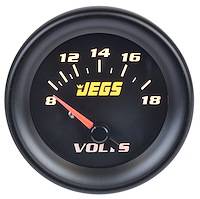
JEGS
Voltmeter Gauge [2 1/16 in. Electrical, 8-18 Volts with Black Face]
Part Number: 555-41403
Ships on Nov 09, 2026Lowest Price Guarantee
JEGS
Voltmeter Gauge, Retro Style [2 1/16 in. Dia., 8-18 Volts]
Part Number: 555-41327
Ships on Nov 09, 2026Lowest price guarantee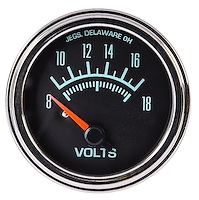
JEGS
Voltmeter Gauge, Retro Style [2 1/16 in. Dia., 8-18 Volts]
Part Number: 555-41327
Ships on Nov 09, 2026Lowest Price Guarantee
AEM ELECTRONICS
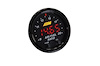
30-0300 X-Series Wideband UEGO AFR Sensor Controller Gauge With X-Digital Technology
Part Number: 017-30-0300
Ships on Nov 09, 2026Lowest price guarantee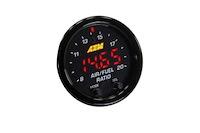
AEM ELECTRONICS
30-0300 X-Series Wideband UEGO AFR Sensor Controller Gauge With X-Digital Technology
Part Number: 017-30-0300
Ships on Nov 09, 2026Lowest Price Guarantee
INNOVATE MOTORSPORTS
3891 DLG-1 Dual Lambda Wideband Air/Fuel Ratio Gauge Kit w/2 Bosch LSU 4.9 O2 Sensors
Part Number: 540-38910
Ships on Nov 09, 2026Lowest price guarantee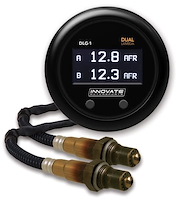
INNOVATE MOTORSPORTS
3891 DLG-1 Dual Lambda Wideband Air/Fuel Ratio Gauge Kit w/2 Bosch LSU 4.9 O2 Sensors
Part Number: 540-38910
Ships on Nov 09, 2026Lowest Price Guarantee
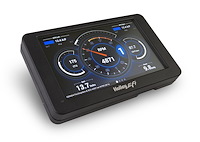
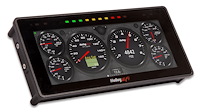
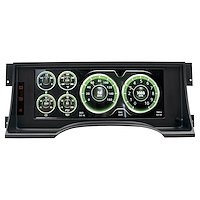
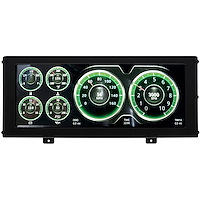
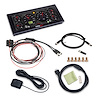
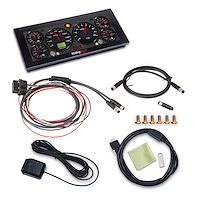
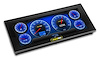
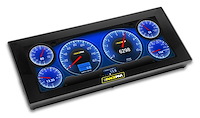
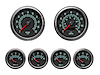
JEGS
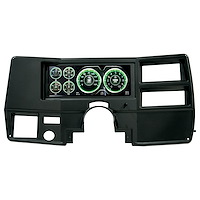
Retro Muscle Car 6-Gauge Set, Black Analog Face [3 3/8 in. Dia. Speedometer & Tachometer]
Part Number: 555-41448
Ships on Nov 09, 2026Lowest price guarantee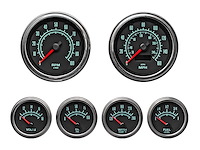
JEGS
Retro Muscle Car 6-Gauge Set, Black Analog Face [3 3/8 in. Dia. Speedometer & Tachometer]
Part Number: 555-41448
Ships on Nov 09, 2026Lowest Price Guarantee

JEGS
Water Temperature Gauge, 2 5/8 in. Mechanical [120-280 degrees F] Black Face
Part Number: 555-41201
Ships on Nov 09, 2026Lowest price guarantee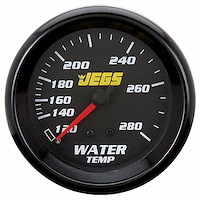
JEGS
Water Temperature Gauge, 2 5/8 in. Mechanical [120-280 degrees F] Black Face
Part Number: 555-41201
Ships on Nov 09, 2026Lowest Price Guarantee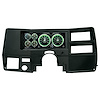

Frequently Asked Questions About Automotive Gauges
What Gauges Should I Put In My Car First?
Start with oil pressure, water temperature, and a voltmeter, since they cover lubrication, cooling, and charging. Add a fuel pressure gauge if you've changed the fuel system. Turbocharged and supercharged engines also call for a boost gauge.
Why Use A Liquid-Filled Gauge?
The fluid inside a liquid-filled gauge dampens needle bounce from engine vibration and pressure pulses. You get a steadier needle that's easier to read. That's why liquid-filled designs are common on fuel and nitrous pressure gauges.
Does A Boost Gauge Need A Vacuum Line?
Yes, a boost gauge needs a line to the intake manifold to read pressure. Mechanical boost gauges run that line to the back of the gauge, while electric versions connect it to a sensor in the engine bay. Tap a port on the manifold side of the throttle plate for an accurate reading.
Should I Run A Warning Light With My Oil Pressure Gauge?
A warning light is a useful backup when your eyes are on the road or the track. Adjustable kits trigger at a set point, so you get an alert before pressure falls too low. The gauge still shows you the actual reading.
Can I Replace The Original Gauges In A Classic Car?
Yes, this category includes OE-style reproduction gauges for classic Corvettes that restore a stock dash look. Use the vehicle selector to filter results to your year, make, and model. That way, you only see automotive gauges built for your car.