
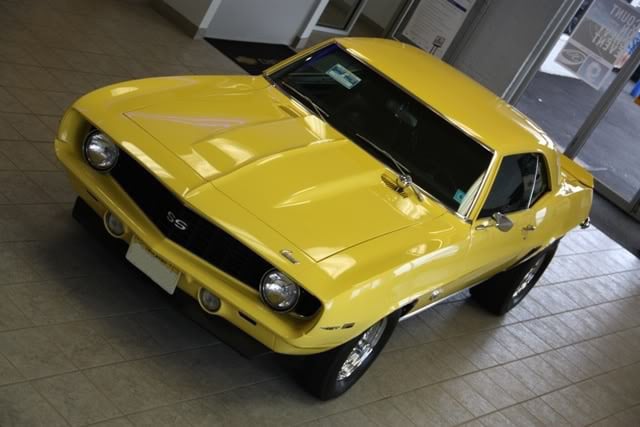

If you're a proud owner or prospective buyer of a 1967, 1968, or 1969 Chevrolet Camaro, you've likely heard about the importance of decoding your Camaro's VIN (Vehicle Identification Number). The VIN holds critical information about your classic muscle car, including its production year, body style, engine type, and manufacturing plant.
In this guide, we’ll walk through how to decode a first-gen Camaro VIN, where to find it on the vehicle, and how to determine if your car is a Z28, SS, RS, or another special model—information not directly found in the VIN alone.
1967-1969 Camaro Identification Quick Reference
A first-generation Camaro may have several identification numbers, tags, stampings, and factory documents. Use this quick reference to determine which source is most helpful for the information you are trying to verify.
| What You Want to Identify | Best Source to Check |
|---|---|
| Model year | VIN and cowl tag |
| Assembly plant | VIN and cowl tag |
| Coupe or convertible body style | VIN and cowl tag |
| Original six-cylinder or V8 series | VIN |
| Original exterior paint | Cowl tag and factory documentation |
| Original interior trim | Cowl tag and factory documentation |
| Fisher Body build month and week | Cowl tag |
| Exact engine application | Engine assembly stamp and suffix code |
| Whether the engine is likely original- | Partial VIN stamp, assembly dates, and factory documentation |
| Original transmission or rear axle | Component stampings, Protect-O-Plate, and factory documentation |
| Z28, SS, or RS equipment | Cowl tag where applicable, drivetrain stampings, physical equipment, and factory documentation |
| Factory-installed options | Build sheet, dealer invoice, Protect-O-Plate, and applicable cowl tag codes |
No single identification number, tag, stamping, or document tells the complete story of a 1967-1969 Camaro. The most reliable conclusions come from comparing the VIN, cowl tag, Protect-O-Plate, drivetrain stampings, physical equipment, and surviving factory documentation together.
What Are The Parts Of A Camaro VIN Number?
First-generation Camaros (1967–1969) have a 13-digit VIN that includes details about the vehicle’s identity. Here's how to decode it:
- Character 1: GM Division. Always “1” for Chevrolet.
- Character 2: Series. Always “2” for Camaro.
- Character 3: Engine Type. “3” for inline-6, “4” for V8.
- Characters 4–5: Body Style. “37” = Coupe, “67” = Convertible.
- Character 6: Model Year. “7” = 1967, “8” = 1968, “9” = 1969.
- Character 7: Assembly Plant. “N” = Norwood, Ohio. “L” = Van Nuys, California.
- Characters 8–13: Sequential Production Number. For example:
- 1967 Camaros: Start at 100001
- 1968 Camaros: Start at 300001
- 1969 Camaros: Start at 500001
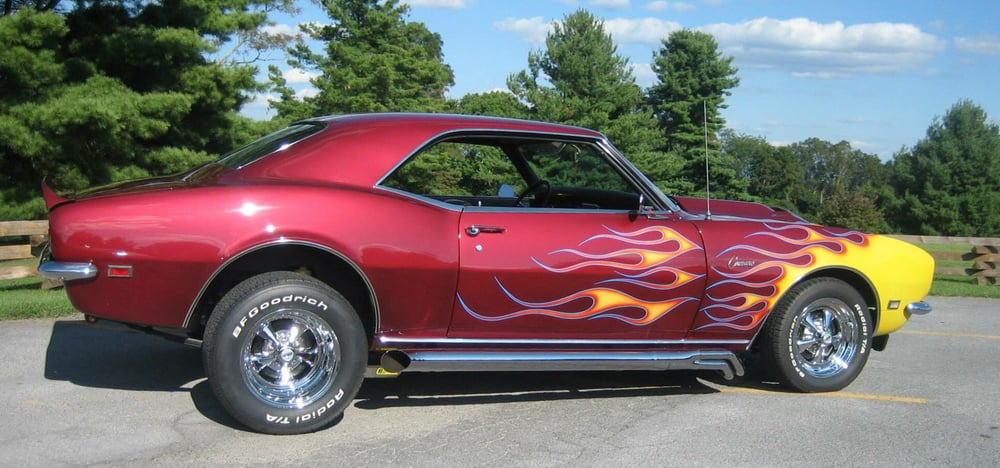
Where You Can Find Your Camaro VIN?
Depending on the model year, the VIN plate is located in one of two factory locations:
- 1967: Attached to the driver-side hinge pillar (A-pillar), visible when the driver's door is open.
- 1968-1969: Attached to the top of the driver-side instrument panel, visible through the lower corner of the windshield.
If the VIN plate appears to have been removed, replaced, or reattached with incorrect rivets, inspect the VIN plate carefully and compare it with the cowl tag, drivetrain stampings, and factory documentation before determining originality.
You can also find the VIN on:
- The original owner’s manual
- Registration and title documents
- Insurance records
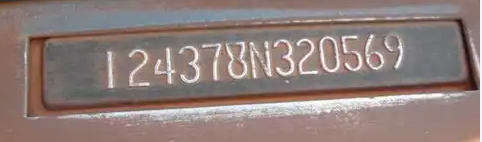
Camaro VIN Decoder Example
Let’s break down this sample 1969 VIN: 124379N518555
- 1 = Chevrolet
- 2 = Camaro series
- 4 = V8 engine
- 37 = Coupe body style
- 9 = 1969 model year
- N = Norwood plant
- 518555 = Sequential production number
This example shows how much information is stored in the VIN, but it’s important to note that performance packages like Z28, SS, and RS are not encoded in the VIN for first-gen Camaros.
Camaro VIN Decoder
What Is a Protect-O-Plate and What Does It Tell You?
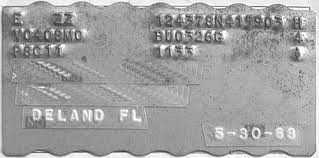
The Protect-O-Plate was a small metal warranty identification plate that originally came with your Chevrolet when it was new, usually attached to the warranty booklet. It served as a quick reference for dealership warranty and service work by identifying the vehicle and several of its factory-installed components. Although it is not as standardized or as easy to decode as a VIN, it remains one of the most valuable documents for verifying originality when combined with the VIN, cowl tag, engine stamp, and other factory records.
How To Read A 1967-1969 Camaro Protect-O-Plate
The Protect-O-Plate contains several important pieces of factory identification information that can help verify whether major components are original to the vehicle. While the exact layout varies slightly by model year, most 1967-1969 Camaro Protect-O-Plates include many of the following fields:
- Vehicle Identification Number (VIN): Identifies the original vehicle.
- Engine Assembly Code: Identifies the engine assembly plant, production information, and engine suffix code used to identify the original engine application.
- Transmission Assembly Code: Identifies the factory-installed transmission.
- Rear Axle Assembly Code: Identifies the original rear axle assembly.
- Vehicle Build Month: Indicates the month the vehicle was built. This is not a specific production date.
- Paint and Trim Information: Many 1967 and 1968 Protect-O-Plates also include factory paint and interior trim information.
- Original Owner Information: The selling dealer typically embossed the original owner's name and address onto the Protect-O-Plate before delivery.
Because Protect-O-Plate formats varied by model year, production plant, and market, not every plate contains the same fields. Canadian vehicles and certain export models may include different information. Always compare the Protect-O-Plate with the VIN, cowl tag, drivetrain stampings, and other factory documentation when verifying originality.
1967-1969 Camaro Protect-O-Plate Decoder
Paste the full Protect-O-Plate text exactly as you have it. Dashes, spacing, punctuation, and line breaks do not matter. This tool is for 1967, 1968, and 1969 Chevrolet Camaro only and decodes the most reliable fields first.

What Is a Cowl Tag and What Does It Tell You?
The cowl tag, also known as the trim tag or Fisher Body tag, is a small metal plate mounted on the firewall of your Camaro that provides key information about how the body was originally built at the factory. It includes details like the model year, body style, assembly plant, trim (interior) code, paint color, and build date. Unlike the VIN, which identifies the vehicle as a whole, the cowl tag focuses on body-specific information and factory-installed appearance options. While it does not list every option or drivetrain detail, it is one of the most useful references for confirming original colors, interior combinations, and production timing on 1967–1969 Camaros, especially when combined with the VIN and Protect-O-Plate.
VIN vs. Cowl Tag vs. Protect-O-Plate
Each factory identification source tells a different part of your Camaro's story. No single identification number, tag, or document can verify every aspect of a 1967-1969 Camaro by itself.
| Information | VIN | Cowl Tag | Protect-O-Plate |
|---|---|---|---|
| Model Year | ✔ | ✔ | ✔ |
| Assembly Plant | ✔ | ✔ | Dealer |
| Body Style | ✔ | ✔ | — |
| Original Engine Series | ✔ | — | ✔ |
| Interior Trim | — | ✔ | Often |
| Exterior Paint | — | ✔ | Often |
| Build Timing | Sequence No. | Month & Week | Often |
| Factory Options | — | Some | Many |
| Originality | Partial | Partial | Partial |
Important: Each source has limitations. The VIN identifies the vehicle itself but does not identify packages such as Z28, SS, or RS. The cowl tag records Fisher Body production information and certain factory-installed features but not every option. Protect-O-Plates varied by model year, production plant, and market. The most reliable conclusions come from comparing all three sources together, along with drivetrain stampings, casting dates, physical equipment, and surviving factory documentation.
How To Read A 1967-1969 Camaro Cowl Tag
A first generation Camaro cowl tag, also known as the Fisher Body tag or trim tag, contains several groups of codes that describe how the body was built before it reached the Chevrolet assembly line. Unlike the VIN, which identifies the vehicle as a whole, the cowl tag focuses on body style, trim, paint, build timing, and certain factory-installed options.
Although the exact layout varies slightly between 1967, 1968, and 1969, most tags include the following information:
- Build Date: Indicates the month and production week the body was assembled.
- Style (ST): Identifies the model year and body style.
- Body: Fisher Body production number assigned during assembly.
- Trim (TR): Interior color and seat style.
- Paint: Exterior paint color or two-tone paint combination.
- Accessory Codes: Factory-installed appearance or equipment options. These vary depending on the assembly plant and model year.
- Assembly Plant: Indicates whether the vehicle was built at Norwood, Ohio or Van Nuys, California.
When combined with the VIN, Protect-O-Plate, engine stamp, and factory documentation, the cowl tag becomes one of the most valuable tools for verifying an original 1967-1969 Camaro.
Build Date Codes
The first code on most first-generation Camaro cowl tags is the Fisher Body build date code. It identifies the month and production week when Fisher Body began assembling the body shell before it was transferred to the Chevrolet assembly line for final vehicle assembly.
The number identifies the month, while the letter identifies the production week within that month.
| Example | Meaning |
|---|---|
| 01A | First week of January |
| 02B | Second week of February |
| 05A | First week of May |
| 09D | Fourth week of September |
| 12E | Fifth week of December (when applicable) |
The letters typically represent:
- A = First week
- B = Second week
- C = Third week
- D = Fourth week
- E = Fifth week (used only when necessary)
Keep in mind that the build date identifies when Fisher Body began assembling the body, not when the completed vehicle rolled off the Chevrolet assembly line. Final assembly, inspection, and shipping typically occurred later, with the exact timing varying by assembly plant and production schedules.
Understanding Body Style Codes
The ST (Style) code on the Fisher Body cowl tag identifies the model year and body style used during body production. It should be interpreted together with the VIN, since the VIN remains the primary source for identifying the vehicle's series and original engine designation.
For first-generation Camaros, the style code includes the model year followed by the Fisher Body style number.
For example:
- ST 67-12437 = 1967 Camaro Sport Coupe
- ST 67-12467 = 1967 Camaro Convertible
- ST 68-12437 = 1968 Camaro Sport Coupe
- ST 69-12437 = 1969 Camaro Sport Coupe
While the style code confirms the body style produced by Fisher Body, it should always be compared with the VIN and other factory documentation when verifying a vehicle's originality. The VIN, cowl tag, Protect-O-Plate, engine stamp, and factory records each provide different pieces of the vehicle's history and are most useful when used together.
Understanding Trim Codes
The TR (Trim) code on the Fisher Body cowl tag identifies the original interior color, seat style, and whether the car received a standard or custom interior. Trim codes changed from year to year, so the model year must always be identified before interpreting the three-digit code.
The same trim number can have a different meaning in another model year. For example, TR 714 identifies a black custom bucket-seat interior in 1968, but it identifies a yellow houndstooth custom bucket-seat interior in 1969. Because of these year-to-year differences, a trim code should never be decoded without first confirming the Camaro's model year.
Verified Trim Code Examples
- 1967 TR 760: Black standard bucket-seat interior
- 1967 TR 765: Black custom bucket-seat interior
- 1968 TR 712: Black standard bucket-seat interior
- 1968 TR 714: Black custom bucket-seat interior
- 1968 TR 718: Blue standard bench-seat interior
- 1968 TR 730: Parchment and black custom bucket-seat interior
- 1969 TR 711: Black standard bucket-seat interior
- 1969 TR 713: Black custom bucket-seat interior
- 1969 TR 714: Yellow houndstooth custom bucket-seat interior
- 1969 TR 718: Medium Red standard bucket-seat interior
Standard and Custom Interiors
Standard interiors generally used basic vinyl upholstery and standard door panels. Custom interiors, also referred to as the Custom Interior option (RPO Z87), included upgraded seat trim, molded door panels, additional bright trim, and other appearance enhancements. Houndstooth cloth-and-vinyl seat trim was available with certain Custom Interior combinations in 1968 and 1969.
1967 Trim Code Suffix Letters
1967 Camaro trim codes may include a hyphenated suffix letter identifying the seat and headrest configuration:
- Z: Standard Strato bucket seats without headrests
- Y: Strato bucket seats with optional headrests
- H: Strato bench seat without headrests
- T: Strato bench seat with optional headrests
These suffix letters apply specifically to 1967 Camaro cowl tags and should not be applied to 1968 or 1969 trim codes.
Trim codes should always be compared with the VIN, cowl tag build date, Protect-O-Plate, and surviving factory documentation. Many first-generation Camaros have had their seats, upholstery, carpet, or interior panels replaced during restoration, so the current interior may not match the original trim code.
Understanding Paint Codes
The PAINT or PNT field on the cowl tag identifies the original exterior body color and, when applicable, the convertible top, vinyl roof, or two-tone upper-body color. The code format changed during first-generation Camaro production, so it must be decoded using the correct model year.
- 1967-1968: Exterior body colors use letter codes. A car without a convertible or vinyl top normally repeats the body-color letter, such as C-C. If the car had a convertible or vinyl top, a numeric top code normally appears in the second position, such as R-1.
- 1969: Exterior body colors use two-digit numeric codes. A solid-color car normally repeats the number, such as 50-50. Convertible and vinyl top colors use letter codes in the second position. Factory two-tone body paint was also available on certain 1969 coupes.
Special-order paint cars may use a dash or another special designation instead of a standard paint code. Because paint and top coding differed by year, always identify the model year before interpreting the PAINT or PNT field.
1967 Camaro Exterior Paint Codes
| Code | Factory Color |
|---|---|
| A | Tuxedo Black |
| C | Ermine White |
| D | Nantucket Blue |
| E | Deepwater Blue |
| F | Marina Blue |
| G | Granada Gold |
| H | Mountain Green |
| K | Emerald Turquoise |
| L | Tahoe Turquoise |
| M | Royal Plum |
| N | Madeira Maroon |
| R | Bolero Red |
| S | Sierra Fawn |
| T | Capri Cream |
| Y | Butternut Yellow |
1968 Camaro Exterior Paint Codes
| Code | Factory Color |
|---|---|
| A | Tuxedo Black |
| C | Ermine White |
| D | Grotto Blue |
| E | Fathom Blue |
| F | Island Teal |
| G | Ash Gold |
| H | Grecian Green |
| J | Rallye Green |
| K | Tripoli Turquoise |
| L | Teal Blue |
| N | Cordovan Maroon |
| O | Corvette Bronze |
| P | Seafrost Green |
| R | Matador Red |
| T | Palomino Ivory |
| U | LeMans Blue |
| V | Sequoia Green |
| Y | Butternut Yellow |
| Z | British Green |
During the 1968 model year, Tuxedo Black, Fathom Blue, Grecian Green, and Palomino Ivory were discontinued. Rallye Green, Corvette Bronze, LeMans Blue, and British Green were added during the model year. A color should therefore be compared with the vehicle's scheduled build period when checking originality.
1969 Camaro Exterior Paint Codes
| Code | Factory Color |
|---|---|
| 10 | Tuxedo Black |
| 40 | Butternut Yellow |
| 50 | Dover White |
| 51 | Dusk Blue |
| 52 | Garnet Red |
| 53 | Glacier Blue |
| 55 | Azure Turquoise |
| 57 | Fathom Green |
| 59 | Frost Green |
| 61 | Burnished Brown |
| 63 | Champagne |
| 65 | Olympic Gold |
| 67 | Burgundy |
| 69 | Cortez Silver |
| 71 | LeMans Blue |
| 72 | Hugger Orange |
| 76 | Daytona Yellow |
| 79 | Rallye Green |
1969 Camaro Two-Tone Paint Codes
| Cowl Tag Code | Factory Color Combination |
|---|---|
| 53-50 | Glacier Blue with Dover White upper body |
| 55-50 | Azure Turquoise with Dover White upper body |
| 53-51 | Glacier Blue with Dusk Blue upper body |
| 51-53 | Dusk Blue with Glacier Blue upper body |
| 65-50 | Olympic Gold with Dover White upper body |
| 61-63 | Burnished Brown with Champagne upper body |
Convertible and Vinyl Top Codes
On 1967 and 1968 cowl tags, numeric codes were used for convertible and vinyl tops:
- 1: White convertible top
- 2: Black convertible or vinyl top
- 4: Blue convertible top
- 6: Beige or light-fawn vinyl top for 1967, or white vinyl top for 1968
On 1969 cowl tags, letter codes were used for convertible and vinyl tops:
- A: White convertible top
- B: Black convertible or vinyl top
- C: Dark Blue vinyl top
- E: Parchment vinyl top
- F: Dark Brown vinyl top
- S: Midnight Green vinyl top
For example, R-1 on a 1967 cowl tag identifies Bolero Red with a white convertible top. A 1969 code of 50-B identifies Dover White with a black convertible or vinyl top, depending on the body style.
Paint codes identify how the Camaro left the Fisher Body plant, but they should always be compared with the vehicle's current finish, trim tag, Protect-O-Plate, and factory documentation. Many first-generation Camaros have been repainted during restoration, so a mismatch between the paint code and the current color does not necessarily indicate a problem.
Understanding Accessory Codes
Accessory codes identify certain factory-installed equipment and appearance options recorded by Fisher Body. These codes are among the most difficult parts of a first-generation Camaro cowl tag to interpret because their format and meaning can vary by model year, assembly plant, and production period.
Grouped accessory codes were used primarily on 1967 Camaro cowl tags. The number identifies an accessory group, while each letter following the number represents a separate option within that group.
Common 1967 grouped accessory codes include:
- 2G: Center console
- 2L: Four-speed manual transmission
- 2M: Automatic transmission on many Van Nuys-built cars
- 2S: Rear-mounted antenna
- 3K: Exterior Molding Group
- 3L: Rally Sport package
- 3S: Interior Decor Group
- 5Y: Deluxe seat belts
These examples should not be treated as a complete universal list. Some codes were used differently depending on the assembly plant or production period, and not every factory option appears on every cowl tag. Always identify the model year and assembly plant before interpreting grouped accessory codes.
How Grouped Accessory Codes Work
Several options from the same numbered group may be combined into one compact code. The group number applies to every letter that follows it until the next numbered group begins.
For example:
- 2GS = Group 2, Option G and Option S
- 3SK = Group 3, Option S and Option K
- 5Y = Group 5, Option Y
Using commonly accepted 1967 Camaro interpretations, 2GS may indicate a center console and rear-mounted antenna, 3SK may indicate the Interior Decor Group and Exterior Molding Group, and 5Y indicates deluxe seat belts. However, these codes should still be compared with the vehicle's assembly plant, production date, physical equipment, and surviving factory documentation before drawing a final conclusion.
Later first-generation Camaros used different identification methods. Many 1969 Norwood-built Camaros, for example, used X-codes that can help identify certain performance and trim combinations. Do not apply 1967 grouped accessory-code meanings to 1968 or 1969 tags.
Located on the firewall, the cowl tag reveals body style, paint color, interior trim, build date, and factory options.
Z28, SS, and RS Cowl Tag Codes
Beginning around the second week of December 1968 production (approximately 12B), many Norwood-built Camaros received an additional X-code stamped on the Fisher Body cowl tag. These codes help identify major trim and performance combinations, but they were not used on 1967 or 1968 Camaros and were not used on production Van Nuys-built 1969 Camaros.
X-codes were introduced during 1969 Norwood production and should always be interpreted together with the VIN, drivetrain stampings, Protect-O-Plate, and other factory documentation.
1969 Norwood X-Codes
- X11: Non-SS396, non-Z28 Camaro with the Style Trim Group (Z21) or Rally Sport (Z22). This group also includes most SS350 models.
- X22: SS396 with the Style Trim Group (Z21) or Rally Sport (Z22).
- X33: Z28 with the Style Trim Group (Z21) or Rally Sport (Z22).
- X44: Non-SS, non-Z28 Camaro without the Style Trim Group or Rally Sport.
- X55: SS350 without the Style Trim Group or Rally Sport.
- X66: SS396 without the Style Trim Group or Rally Sport.
- X77: Z28 without the Style Trim Group or Rally Sport.
Some COPO Camaros used X11 or X44 body configurations, so an X-code alone does not identify every special-production Camaro. Likewise, early 1969 Norwood cars built before the introduction of X-codes and nearly all Van Nuys-built cars require verification using other factory documentation.
For 1967 and 1968 Camaros, factory performance packages must be identified using the VIN, cowl tag, drivetrain stampings, Protect-O-Plate, build sheet, and original documentation rather than X-codes.
1967-1969 Camaro Cowl Tag Decoder
Paste the full cowl tag text exactly as you have it. Dashes, spacing, punctuation, and labels like BODY, BDY, PAINT, and PNT do not matter. This tool is for 1967, 1968, and 1969 Chevrolet Camaro only.
How To Tell If a First-Gen Camaro Is a Z28, SS, or RS
While the VIN reveals important information, it does not identify special performance or appearance packages on 1967–1969 Camaros. To determine if your car is a Z28, SS, RS, or another trim, you’ll need to look at a combination of factory documents, physical features, and specific codes.

Exterior Features and Badges
- Z28: Dual racing stripes, Z28 fender and grille emblems, and 302ci engine.
- SS: “SS” badges on grille, fenders, and gas cap. Cowl-induction hood and high-performance V8 engines (350ci or 396ci).
- RS: Hideaway headlights, revised taillights with backup lights under the bumper, RS emblems, and chrome trim enhancements.
- RS/SS Combo: Many Camaros came with both RS appearance and SS performance features.
- Z10/Z11: Special edition Indy Pace Cars (Z11 convertible and Z10 coupe), available in 1969 only. Look for white paint with Hugger Orange stripes and unique trim.

Engine Codes and Drivetrain Stampings
While the VIN identifies the engine series originally installed in the vehicle, it does not confirm that the engine currently in the car is the one it left the factory with. Chevrolet stamped identification numbers on major drivetrain components that can help verify originality when compared with the VIN, cowl tag, Protect-O-Plate, and factory documentation.
- Engine Pad Stamp: Located on the machined pad at the front passenger side of the engine block, just ahead of the passenger-side cylinder head. It typically includes the engine assembly plant, assembly date, and engine suffix code.
- Engine Suffix Code: Identifies the engine's original horsepower rating, transmission application, and intended vehicle usage. It should always be interpreted using references for the correct model year.
- Partial VIN Stamp: Many original engines also include a partial VIN that can be compared to the vehicle VIN to help determine whether the engine is original to the car.
- Transmission Identification: Manual and automatic transmissions also carry identification numbers and casting information that can help verify originality when compared with factory documentation.
- Rear Axle Codes: Rear axle stampings identify information such as axle ratio, differential type, and production date, helping determine whether the axle is consistent with the vehicle's original configuration.
- Date Codes: Casting dates and assembly dates on drivetrain components should generally precede the vehicle's scheduled build period by a reasonable amount of time. Components dated after the vehicle was built may indicate later replacements.
While matching engine and drivetrain stampings provide valuable evidence of originality, they should always be evaluated together with the VIN, cowl tag, Protect-O-Plate, build sheet, and other factory documentation before reaching a final conclusion.
Factory Documentation
Original factory documentation provides some of the strongest evidence when verifying the authenticity of a first-generation Camaro. While no single document should be considered absolute proof, comparing multiple factory records with the VIN, cowl tag, Protect-O-Plate, and drivetrain stampings can provide a high level of confidence when evaluating a vehicle.
- Build Sheet: Often considered one of the most valuable factory documents because it lists many of the vehicle's original options and equipment. On Norwood-built Camaros, build sheets were commonly found above the fuel tank, while Van Nuys cars may have them under the seats, carpet, or in other interior locations.
- Window Sticker: Lists the original factory options, pricing, destination charges, and MSRP as the vehicle was delivered to the selling dealer.
- Dealer Invoice: Documents how the vehicle was originally ordered and invoiced by Chevrolet, helping verify factory-installed equipment and options.
- Protect-O-Plate: Contains warranty identification information that can often be compared with the VIN, engine stamp, transmission information, and selling dealer records.
- Warranty Booklet and Service Records: Original ownership documents and maintenance records may provide additional evidence supporting a vehicle's history.
Because many classic Camaros have been restored over the years, some documentation has been lost while other documents have been reproduced. Whenever possible, compare factory paperwork with the vehicle's identification numbers and physical components rather than relying on a single document.
Putting It All Together
No single identification number, factory tag, or document tells the complete story of a first-generation Camaro.
Start by decoding the VIN to confirm the model year, assembly plant, engine type, body style, and production sequence. Next, decode the cowl tag to verify the build date, body style, trim, paint, assembly plant, and factory-installed body options. If available, use the Protect-O-Plate to compare the VIN, engine information, transmission, rear axle, and original dealership information.
For cars claiming to be factory-built Z28, SS, RS, or other special models, additional verification should include the engine stamp, transmission stamp, build sheet, window sticker, Protect-O-Plate, and original dealer invoice whenever available. Comparing multiple factory records provides the highest level of confidence when confirming originality or authenticity.
Because many classic Camaros have been restored, modified, or repaired during their lifetime, differences between these records do not always indicate fraud. However, major inconsistencies should be investigated before purchasing or restoring a vehicle.
Originality Verification Checklist
If you are evaluating a 1967-1969 Camaro for purchase, restoration, or authentication, use this checklist to compare every major factory identification source before reaching a conclusion.
- ☐ Decode the VIN to verify the model year, assembly plant, engine series, body style, and production sequence.
- ☐ Decode the Fisher Body cowl tag to verify the build date, body style, trim, paint, assembly plant, and factory-installed body options.
- ☐ Inspect the VIN plate for signs of removal, replacement, incorrect rivets, or other evidence of tampering.
- ☐ Compare the engine assembly stamp, engine suffix code, and partial VIN stamp with the vehicle VIN when applicable.
- ☐ Verify transmission and rear axle identification numbers when originality is important.
- ☐ Compare casting dates to the vehicle's scheduled production period. Components should generally predate final vehicle assembly by a reasonable amount of time.
- ☐ Compare the Protect-O-Plate, build sheet, dealer invoice, window sticker, warranty booklet, and other factory documentation whenever available.
- ☐ Verify that the vehicle's paint, trim, engine, transmission, and physical equipment agree with the identification numbers and factory documentation.
- ☐ Remember that no single number, tag, stamping, or document proves originality by itself. Always compare multiple factory records before determining whether a vehicle is original.
Many first-generation Camaros have been restored, repainted, repaired, or modified during the past five decades. Differences between individual identification sources do not automatically indicate fraud, but significant inconsistencies should always be investigated before purchasing or restoring the vehicle.
Common Mistakes When Decoding a 1967-1969 Camaro
Decoding a first-generation Camaro involves comparing information from several factory sources. One of the most common mistakes owners make is relying on only one identification number or document. Understanding the limitations of each source can help prevent costly mistakes during a purchase or restoration.
-
Assuming the VIN Identifies a Z28, SS, or RS
The VIN identifies the model year, assembly plant, engine type, body style, and production sequence, but it does not identify performance packages such as Z28, SS, or RS. Those models must be verified using factory documentation, cowl tag information, engine codes, and original drivetrain components. -
Using the Wrong Model Year Reference
Camaro identification codes changed between 1967, 1968, and 1969. Paint codes, trim codes, accessory codes, and cowl tag layouts are not always interchangeable. Always use decoding references for the correct model year. -
Ignoring the Assembly Plant
Norwood and Van Nuys Camaros often used different cowl tag layouts and accessory coding methods. Decoding a Van Nuys tag with Norwood references, or vice versa, can lead to incorrect conclusions about factory equipment. -
Confusing Fisher Body Numbers with VIN Production Numbers
The Fisher Body number found on the cowl tag is not the same as the VIN production sequence. Fisher Body numbers were used during body assembly and should not be confused with the vehicle serial number. -
Assuming Matching Numbers Guarantee Originality
Matching engine and drivetrain numbers are important, but they are only one part of verifying a first-generation Camaro. Many restored vehicles contain date-correct replacement parts, reproduction documentation, or replacement body components. Always evaluate the VIN, cowl tag, Protect-O-Plate, drivetrain stampings, and factory documentation together before determining originality.
Frequently Asked Questions
Can I tell if my Camaro is a Z28 from the VIN?
No. The 1967-1969 Camaro VIN identifies the model year, assembly plant, engine type, body style, and production sequence, but it does not identify Z28, SS, or RS packages. Those packages must be verified using the cowl tag, engine stampings, factory documentation, and original equipment.
Can the cowl tag confirm a Z28?
Sometimes. Certain 1969 Norwood-built Camaros include cowl tag codes such as X33 or X77 that are strong indicators of a factory-built Z28. Earlier model years and Van Nuys-built cars require additional documentation and physical inspection.
Can I determine the original engine from the VIN?
The VIN identifies whether the car originally left the factory with a six-cylinder or V8 engine, but it does not identify the exact displacement or horsepower. Engine stampings and suffix codes are needed to determine the original engine configuration.
Can I decode a Camaro cowl tag online?
Yes. The Camaro Cowl Tag Decoder on this page can interpret many common Fisher Body codes for 1967, 1968, and 1969 Camaros. However, some accessory codes varied by assembly plant and production period, so unusual tags may still require additional factory references.
What is the most important document for verifying originality?
No single document proves originality by itself. The highest confidence comes from comparing the VIN, cowl tag, Protect-O-Plate, engine stampings, drivetrain numbers, build sheet, window sticker, dealer invoice, and the vehicle itself.
Why doesn't my Camaro match the factory codes?
Many first-generation Camaros have been repainted, restored, modified, or repaired over the past five decades. Differences between the factory identification codes and the current vehicle do not automatically indicate fraud, but significant inconsistencies should be investigated before buying or restoring the vehicle.
Decoding the VIN on a 1967–1969 Chevy Camaro is an essential step for verifying the basics, but it won’t tell the whole story. Special packages like Z28, SS, and RS require digging deeper into trim tags, engine codes, and documentation.
At JEGS, we help classic car enthusiasts uncover the truth about their vehicles with the right restoration parts and expert support. Whether you're reviving a rare Z28 or customizing a Camaro clone, accurate identification helps you protect value and make informed upgrade decisions.
Use our Camaro VIN decoder tool to get started, and explore our wide range of body panels, suspension kits, and drivetrain components designed specifically for first-generation Camaros.
24 responses to “1967-1969 Chevy Camaro (First Gen): Vin Decoder Tool”
-
During the 1980s I believe, I saw the very first 1968 Camaro at Moore Motors VW body shop in Bellevue Washington. I saw the VIN on the dash showing a bunch of 0s with a 1 at the end.
It was a red convertible with a white top and it said “SS-396“ on the back. It was in the shop not because it was in an accident, but to straighten out the kinks associated with being the very first car on the assembly line. The VIN number probably was 124678N300001. How can I find out what became in this car?-
Hey Marshall,
Great story, and the VIN format you remember is in the right ballpark — but a couple of details don’t line up with how Chevrolet actually sequenced the first 1968 Camaros.
What that VIN would mean
A 13-digit first-gen Camaro VIN breaks down like this:1 = Chevrolet
2 = Camaro
4 = V8
67 = convertible (37 = coupe)
8 = 1968
N = Norwood, Ohio
300001 = first sequence number for 1968 at that plantSo 124678N300001 would be a V8 convertible. That part of your memory is internally consistent.
The problem
The first 1968 Camaro off the Norwood line is documented as 124378N300001 — a V8 coupe, not a convertible. Sequence numbers started at 300001 at both plants, and the very first Norwood car was a coupe. Convertibles were mixed in later; they weren’t car #1.
A red convertible with a white top and SS-396 badging could absolutely have been an early car, and early bodies did get extra attention for panel fit. “First car on the line / straighten the kinks” is the kind of plant-floor story that gets attached to low-sequence cars. It just doesn’t match the documented #1 VIN.
How to try to find the carTreat 124678N300001 as a possible VIN and search it as written. Also search 124378N300001 (the known first coupe) in case the body-style digit got mixed up over the years.
Check Camaro Research Group / camaross.org registries and the first-gen forums. Low-sequence ’68s get discussed there.
NCRS shipping data / Protect-O-Plate lookups can sometimes tie a VIN to the delivering dealer. That costs a small research fee but is the closest thing to a factory paper trail.
Washington title history won’t go back cleanly to the ’80s for most cars, but a current owner of a matching VIN would show up if the car is registered or listed.If it really was an early SS-396 convertible seen at Moore Motors in Bellevue, someone in the first-gen community may already have the cowl tag or Protect-O-Plate on file. Post the color combo and that VIN on the Camaro Research Group board — that’s your best shot at “what became of it.”
-
-
I’m having trouble decoding the accessory codes on a 1967 convertible Camero tag.
05A E ST 67-12467 NOR114225 BODY TR 760-Z R-1 PAINT WD 2GS 3SK 5Y
The WD might be MD.Thanks
Dave-
Dave, based on the information you provided, here’s what can be decoded with reasonable confidence:
-05A indicates the body was built during the first week of May 1967.
-ST 67-12467 identifies it as a 1967 Camaro V8 convertible.
-NOR114225 BODY indicates it was assembled at the Norwood, Ohio Fisher Body plant, with Fisher Body number 114225.
-TR 760-Z is the Parchment standard bucket seat interior with the Z trim variation, which was used on certain 1967 Camaros.
-R-1 PAINT appears to indicate Bolero Red (R) with a White convertible top (1). If the tag actually reads WD instead of R-1, it would be helpful to verify the stamping, as light wear can make those characters difficult to distinguish.
-The accessory codes 2GS 3SK 5Y are consistent with the grouped accessory coding used on 1967 Norwood-built Camaros. 2G typically identifies the center console, 3S is commonly associated with rear seat belts, and 5Y is generally accepted as the Deluxe Seat Belt option. The trailing letters in grouped accessory codes can vary by plant and production period, so they should always be verified against 1967 Norwood references.Please give us a call at 1-800-345-4545 and speak to a Tech Specialist if you have any additional questions.
-
-
69. Camaro.
124379N633101
Those rip off sites like bumper have it listed as a copO pictures say otherwise how can I decode without a trim tag?-
Scott, the VIN you provided decodes as a 1969 Camaro V8 sport coupe built at the Norwood, Ohio assembly plant. The sequential production number is N633101. Unfortunately, the VIN alone cannot tell you whether the car was originally a COPO Camaro.
A true COPO Camaro cannot be verified from the VIN by itself. The VIN identifies the model, engine family, assembly plant, and production sequence, but it does not contain the special COPO order information.
Without the original cowl tag, Protect-O-Plate, dealer paperwork, build sheet, or other factory documentation, it becomes much more difficult to verify a COPO car. The most reliable evidence is usually the original build sheet or documentation from recognized Camaro historians and documentation services.
If online databases are showing conflicting information, I would be cautious about drawing conclusions from VIN lookups alone. Many websites make assumptions based on limited information, and a VIN by itself is not sufficient proof of a COPO.
If the cowl tag is missing, look for any surviving factory paperwork, Protect-O-Plate, warranty documentation, dealer records, or build sheets hidden in common locations such as under seats, behind interior panels, or above the fuel tank. Those items can often provide much stronger evidence of the car’s original configuration.
If you need help decoding additional numbers or documentation you find, give us a call at 1-800-345-4545 and a Tech Specialist can help point you in the right direction.
-
-
I have owned this car since 1973. Please decode it for me, I am in the restoring mode. VIN 12437L503169. Cowl Tag ST 6912437 LOS119389 BDY TR 712 69 69 PNT 10A C548. Protect-O-Plate 124379L503169 H VO 926DZ BU09256 O P9P11 133
-
Gary, that is a great piece of history to still have since 1973, and you have a lot of useful information there. Starting with the VIN 12437L503169, the “1” tells us it is a Chevrolet, “24” identifies it as a Camaro V8 model, and “37” confirms it is a 2 door sport coupe. The “L” shows it was built at the Los Angeles plant, and the sequence number places it as an early production 1969 model. Your cowl tag backs that up with “ST 69 12437,” which again confirms a 1969 Camaro V8 sport coupe. “LOS” matches the Los Angeles assembly plant, and the body number is the internal production number for that plant. The trim code “712” indicates a black standard interior, and the paint code “69 69” points to Cortez Silver with a black vinyl top. The “10A” build date decodes to the first week of October 1968, which is very early in the 1969 model year. The accessory code “C548” is typical of Los Angeles built cars and relates to factory options, though those codes can vary slightly by plant and are not always fully documented. Looking at your Protect-O-Plate, the engine suffix “DZ” is a strong indicator of a 302 Z28 engine when original to the car, but the VIN you provided is a V8 sport coupe and not a factory Z28 designation, so that engine may have been added or replaced at some point unless documentation proves otherwise. The rest of the codes on the Protect-O-Plate relate to engine assembly, transmission, and original owner data. Overall, you have a 1969 Camaro V8 coupe built in Los Angeles, originally Cortez Silver with a black vinyl top and black interior, assembled very early in the production year. If you would like help digging deeper into originality or parts for your restoration, give us a call at 1-800-345-4545 and speak with a Tech Specialist and we will be glad to help.
-
-
where on the trim tag is the number that will tell me it’s a true Z28?
-
Hi Gary, great question. On a first gen Camaro trim tag there actually isn’t a specific number that will confirm a Z/28 on its own. Here’s how it breaks down:
For 1967, the trim tag did not carry any Z/28 designation. The only way to prove a real Z/28 from that year is by factory documentation such as the original window sticker, protect-o-plate, or build sheet.
For 1968, the Z/28 was identified on the trim tag with the code “28” in the special options group, but this was tied to certain plants and not always consistent. VINs alone won’t tell you it’s a Z/28 since Chevrolet didn’t assign unique VIN identifiers that year.
For 1969, things got a little clearer. The Norwood plant added “X33” or “X77” codes on the trim tag to indicate a Z/28. The Van Nuys plant did not use these X-codes, so again, you’d need documentation to prove authenticity if your car was built there.
So the short answer is that you can’t always rely on just the trim tag to confirm a true Z/28, especially in 1967 and 1968. In 1969, the Norwood-built cars are the easiest to verify with those X-codes, but outside of that, you’ll need original paperwork or strong supporting evidence from date-coded parts and drivetrain components.
If you’d like, our tech team can walk you through exactly what to look for and how to verify your car more confidently. Give us a call at 1-800-345-4545 and a specialist can help you dig into the details.
-
-
Is there anyway of knowing if 68 camaro is an ss by the vin number cause tag on firewall is missing but it has disc brakes multileaf rear springs
-
Hi Michael,
On a 1968 Camaro, the VIN alone will not tell you if the car was originally an SS model. For that year, Chevrolet did not encode the SS package into the VIN, so without the original cowl tag (firewall trim tag), it’s not possible to confirm SS status from numbers alone.
While features like front disc brakes and multi-leaf rear springs were common on SS models, they were also available on other trim levels or could have been added later in the car’s life. Factory SS cars often came with things like heavier duty suspension, specific badging, and other trim details, but without the cowl tag or original build documentation (such as a Protect-O-Plate, original window sticker, or dealer invoice), it’s not definitive.
If you want to narrow it down further, you’d need to look for other original SS-specific clues like the rear axle code, original engine code, and factory-installed big-block or high-performance small-block options.
If you’d like help going over the casting codes or other identifying features to get closer to an answer, give us a call at 1-800-345-4545 and speak to a tech specialist.
-
-
How to find a build sheet or options wit just the VIN?
-
Hi Dizzy D,
Great question! Unfortunately, a VIN alone doesn’t provide a complete breakdown of the factory options or build sheet for a 1967–1969 Chevy Camaro. Here are a few ways you might track down the build sheet or get more info:
Check Hidden Locations for the Build Sheet: Chevy often tucked the build sheet (also called the broadcast sheet) into odd places during assembly—like under the rear seat, inside the door panels, behind the glove box liner, or above the gas tank. If you haven’t checked those areas yet, it’s worth a look.
Protect-O-Plate & Owner Documentation: If your car came with the original warranty booklet or Protect-O-Plate, that metal plate and booklet can reveal factory options and drivetrain info.
Order Historical Records: For some GM vehicles, you can request documentation from services like:
GM Vintage Vehicle Services (Canada-built cars)
NCRS (National Corvette Restorers Society) VIN service—available for Chevys too. They can provide dealer delivery data for 1965–1972 vehicles.
Third-party sources such as the Camaro Research Group or Classic Car Database may also help decode certain elements if you know more than just the VIN.
Cowl Tag & Casting Numbers: The cowl tag on the firewall provides body build date, paint, trim codes, and plant info. Pairing that with block and head casting numbers helps piece together the puzzle.
If you need additional help, contact us at 1-800-345-4545 and speak to a tech support specialist.
-
-
How do I know if my 68 was a 396ss.
-
Hi Silvia,
To determine if your 1968 Camaro was originally a 396 SS (Super Sport), you’ll need to check a few key identifiers, as Chevrolet did not designate the SS package directly in the VIN. The best way to confirm is by checking the trim tag (cowl tag), engine code, and documentation. On a 1968 Camaro, the trim tag is located on the firewall near the driver’s side wiper motor. If your car was originally a true SS 396, it may have an “L35” (325 HP), “L34” (350 HP), or “L78” (375 HP) code on the original build sheet or Protect-O-Plate. Additionally, SS models came with reinforced multi-leaf rear springs, front disc brakes, and an “L” or “M” as the fourth digit in the trim tag body code (depending on the factory it was built in). The VIN alone will not confirm an SS 396, but if you still have the original engine block, look for a suffix code stamped on the engine pad (in front of the passenger-side cylinder head)—codes like “MQ,” “MV,” or “MT” would indicate a 396 SS engine. If you need more help decoding your Camaro’s history, checking original paperwork, dealership records, or consulting a Camaro historical registry can also provide valuable insight. Hope this helps, and good luck uncovering your Camaro’s history!
-
-
I would like to know the trim package
-
Hello John,
Thank you for your response! Unfortunately, the VIN for 1967-1969 Chevy Camaros doesn’t directly indicate specific trim packages like RS (Rally Sport), SS (Super Sport), or Z/28. The VIN provides basic details such as the model year, assembly plant, body style, and engine type, but trim level information was not encoded in the VIN for first-gen Camaros.
To determine the trim package, you’ll need to look beyond the VIN. Here are some steps to help:
Check the Cowl Tag: Located on the firewall, the cowl tag may include codes for interior trim, paint, and additional options that can hint at the original package.
Look for Physical Features:
RS: Hidden headlights, specific trim accents, and RS badging.
SS: Special hood, SS emblems, and upgraded performance components.
Z/28: Engine-specific features, Z/28 stripes, and badging.
Search for Documentation: If available, items like the build sheet, Protect-O-Plate, or dealer invoices can confirm the trim package and other factory-installed options.
If you’re unsure, you may want to consult a Camaro expert or use restoration guides to verify specific features. Let us know if you have more questions!
-
-
My VIN is 124379N679266 thank you code x77
-
Wes, i pasted that VIN into the decoder that is in this article and it decoded the number to the following:
1969
Chevrolet
Camaro
Coupe
V8 engine
Norwood, OH is where it was built
679266 is the sequential production number at the Norwood, OH plant. -
Wes,
I pasted the VIN into the decoder window that is in this article and it decoded it to the following:
1969
Chevrolet
Camaro
Coupe
V8 engine
Norwood, OH manufacturing plant
679266 is the sequential number at that plant. -
Wish the vin number will tell you it’s a Z28 on trim tag.
-
-
Are you going to send me my decoded Vin??
-
Chuck, in the blog article, near the bottom. The section, “Camaro VIN Decoder” allows you to input the VIN number inside the box. If you click on the “Decode” button, it will tell you what each digit of your VIN means. Please let me know if you are able to do this. I tested it with a VIN and it worked properly.
-



Leave a Reply