


Keeping your engine bay clean is crucial for the overall health of your vehicle. Not only does it improve your car's appearance, but it also helps identify potential leaks and problems early on. In this guide, we’ll walk you through how to wash your engine bay in five simple steps, ensuring that your engine stays in great condition.
Preparing Your Engine For Cleaning
Before you start cleaning your engine bay, it's important to take a few precautions to protect sensitive components.
- Cool Down Your Engine: Make sure the engine is cool to the touch before you begin. Cleaning a hot engine can cause damage to components and lead to potential burn injuries.
- Cover Sensitive Areas: Use plastic bags or covers to protect electrical parts, air intakes, and any exposed wires. This prevents water from damaging these crucial components.
- Remove Loose Debris: Use a brush or compressed air to remove loose dirt, leaves, and debris from the engine bay before applying any cleaners.

Proper preparation is essential to ensure that washing your engine bay goes smoothly and safely.
Washing Your Engine Bay
Once you've prepped the engine, it's time to start washing your engine bay. Follow these steps to make the process quick and efficient:
- Apply a Degreaser: Spray a non-abrasive degreaser evenly over the engine bay, focusing on the areas with the most grime buildup. Let it sit for a few minutes to break down the grease and dirt.
- Scrub Gently: Use a soft-bristled brush to scrub away any stubborn dirt. Avoid using too much force to prevent damage to hoses and plastic components.
- Rinse Carefully: Using a low-pressure water spray, rinse off the degreaser and dirt. Make sure to avoid high-pressure streams that could dislodge delicate parts.
Rinsing thoroughly is a critical part of the how to wash engine bay process to ensure no residue is left behind.

Drying And Finishing Touches
Drying your engine bay properly will help prevent rust and water damage. Here’s how to do it effectively:
- Blow Dry: Use compressed air or a leaf blower to remove excess water from hard-to-reach areas. This step helps to speed up the drying process.
- Wipe Down Surfaces: Use a microfiber cloth to wipe down all accessible surfaces for a polished look. This will help remove any remaining moisture and leave your engine bay shining.

Drying your engine bay thoroughly is an important step to ensure all components stay in top condition.
How To Prevent Dirt Buildup
Regular maintenance can help you keep your engine bay cleaner for longer. Follow these tips to minimize dirt and grime buildup:
- Regular Cleaning Routine: Make engine bay cleaning a part of your regular maintenance schedule. Frequent cleaning will make the process faster and more efficient over time.
- Use Protective Coatings: Apply a light coat of engine protectant to prevent dirt and grease from sticking to the surfaces. This will also help to maintain a clean look.
- Check For Leaks: Inspect your engine bay for any oil or fluid leaks, as they can cause grime to accumulate quickly. Addressing leaks early will keep your engine cleaner and running efficiently.
Taking these steps to prevent dirt buildup will save you time and effort when it comes to cleaning your engine bay.
Safety Tips For Cleaning Your Engine Bay
To avoid any damage or hazards while washing your engine bay, follow these safety tips:
- Avoid High-Pressure Water: Use a low-pressure setting to rinse your engine bay to prevent damage to sensitive components.
- Protect Electrical Components: Ensure that all electrical parts are properly covered before you begin the cleaning process.
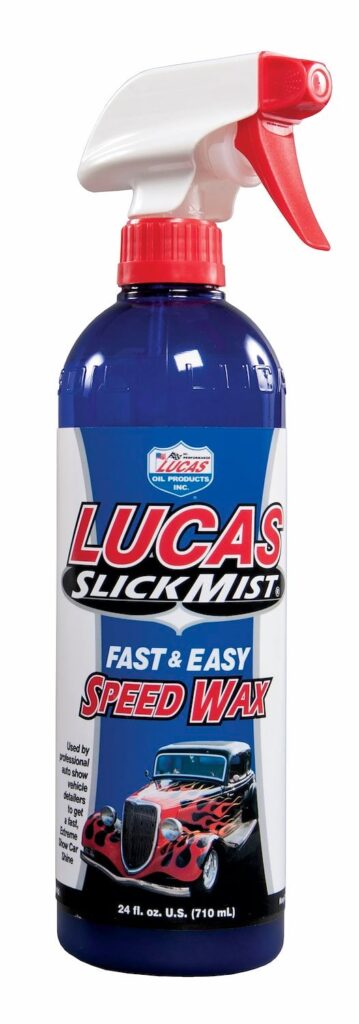
- Use the Right Products: Always choose cleaning products that are safe for automotive use to avoid damaging your engine.
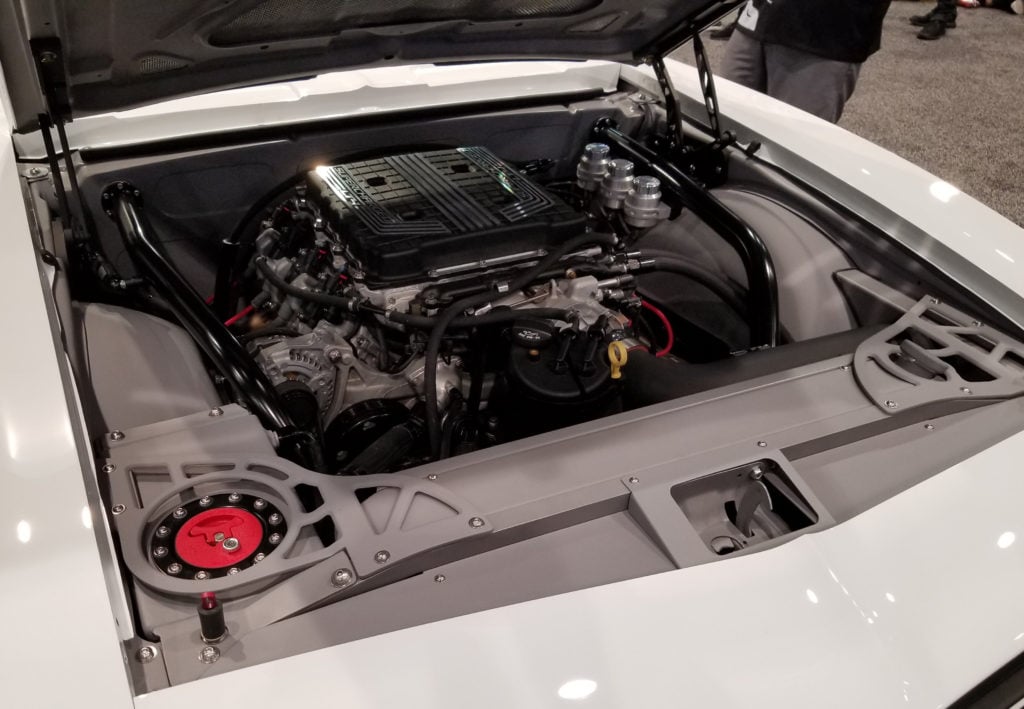
Cleaning your engine bay is a simple yet essential task that can greatly enhance your vehicle's performance and longevity. By following these washing engine bay steps and maintaining a clean engine, you'll keep your car running smoothly and spot potential issues before they become costly repairs. Regularly cleaning engine bay areas not only adds to the visual appeal but also ensures your vehicle remains in peak condition.




Leave a Reply