Sign up now to join the JEGS email newsletter and be the first to learn about new products, special deals and e-mail only offers!

 2 People Found This Article Helpful
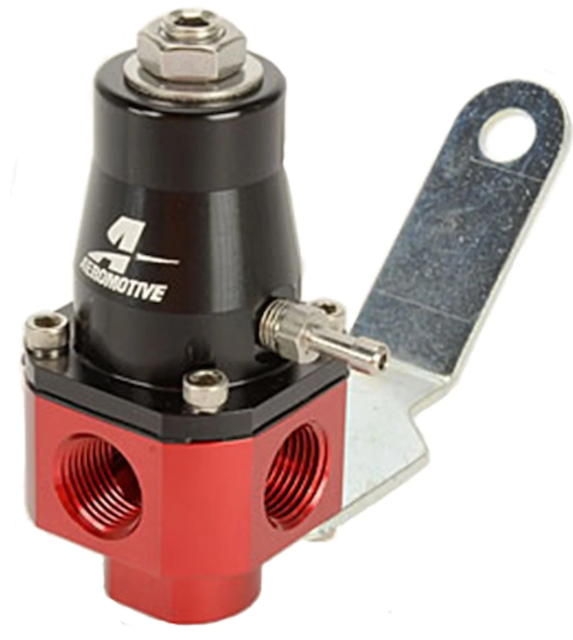

A fuel pressure regulator is only as effective as the way it is mounted. Proper placement and secure mounting are critical for accurate fuel pressure control, long term reliability, and easy service access. Aeromotive fuel pressure regulators are widely used in street performance, street and strip, and race applications, and using the correct mounting bracket helps ensure they perform as intended.
This guide walks through how to properly install an Aeromotive fuel pressure regulator mounting bracket, where to mount it, and what to consider before tightening the first bolt. Whether you are installing a new fuel system or cleaning up an existing setup, correct mounting makes a noticeable difference.
Fuel pressure regulators rely on stable reference signals and consistent fuel flow. A poorly mounted regulator can vibrate, loosen fittings, stress fuel lines, or create inconsistent pressure readings.
Correct mounting helps with:
Aeromotive mounting brackets are designed to support the regulator body while keeping it accessible and secure.

Aeromotive offers regulator mounting brackets designed specifically for their fuel pressure regulators. These brackets match the regulator body shape and mounting points, which prevents movement and reduces the risk of damage.
Most brackets are designed for flat surface mounting and are compatible with common chassis locations. Using the correct bracket ensures proper alignment and avoids makeshift solutions that can lead to problems later.
Before installing the bracket, choosing the correct location is essential.
Typical mounting locations include:
The best location depends on your vehicle layout and fuel system design.
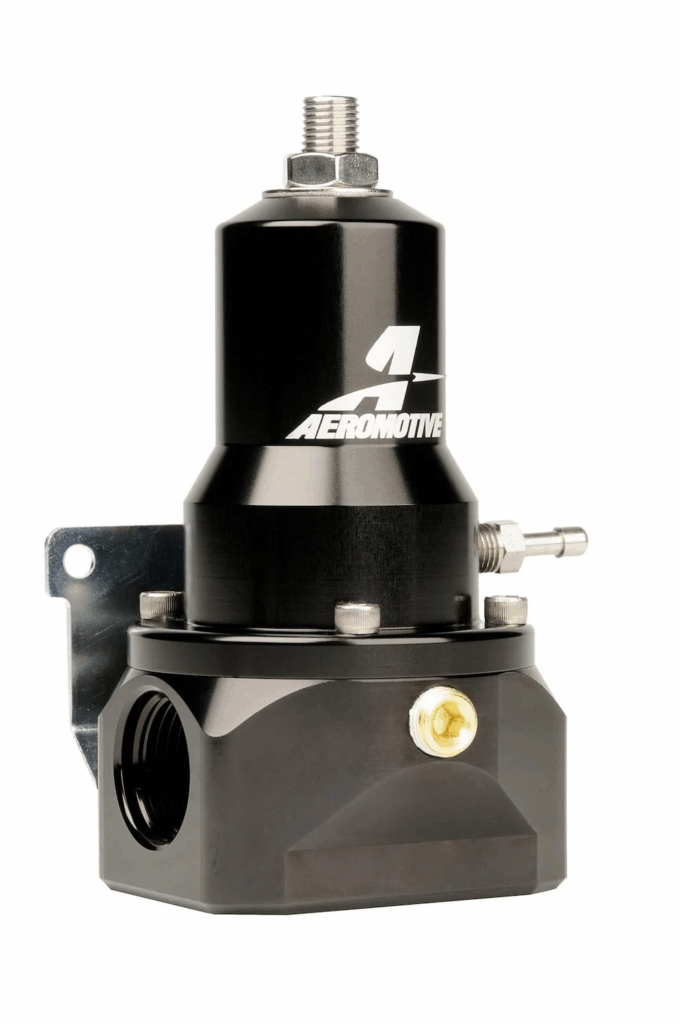
When selecting a mounting location, consider the following:
Mounting the regulator close to the fuel rails often improves response and simplifies hose routing.
Having the right tools on hand helps the installation go smoothly.
Common tools and supplies include:
Always verify hardware size and thread type before installation.
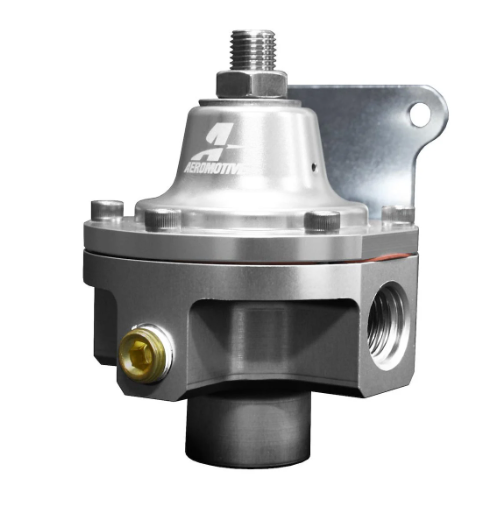
Sign up now to join the JEGS email newsletter and be the first to learn about new products, special deals and e-mail only offers!
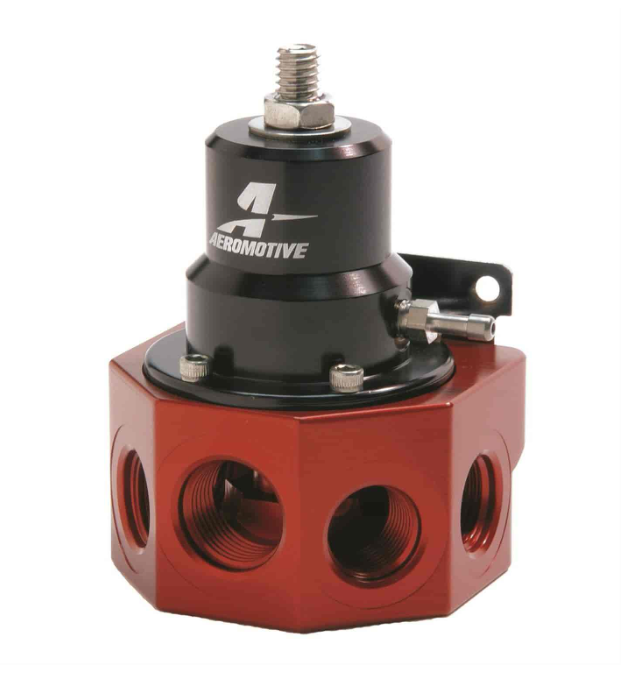
Before drilling any holes, assemble the regulator to the mounting bracket and hold it in place at the chosen location. Confirm clearance for fittings, hoses, and adjustment knobs.
This step helps prevent interference issues once everything is mounted.
With the bracket positioned correctly, mark the mounting holes. Double check alignment and spacing before drilling.
Drill the holes using the correct bit size for your hardware. Clean any sharp edges or burrs after drilling.
Bolt the mounting bracket to the chosen surface using appropriate hardware. Tighten the fasteners securely, but avoid overtightening which can distort thin sheet metal.
If mounting to thin panels, using backing plates or large washers can improve strength.
Attach the Aeromotive fuel pressure regulator to the bracket according to manufacturer instructions. Ensure it sits flat and is fully supported.
The regulator should not be under tension or forced into position.
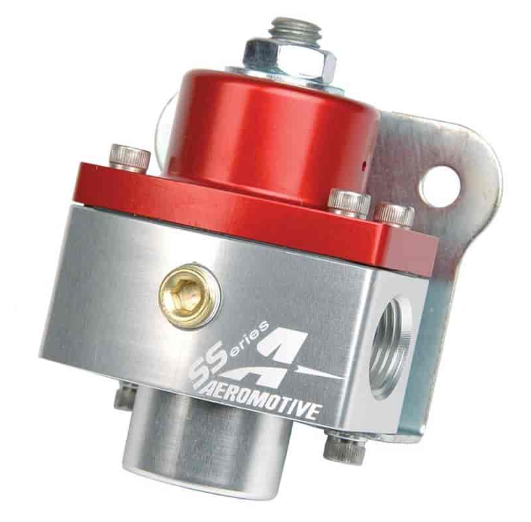
Once mounted, connect the fuel inlet, outlet, and return lines. Ensure hoses are routed cleanly without sharp bends or contact with hot or moving components.
If the regulator uses a vacuum or boost reference, connect the reference hose to the appropriate intake source.
After everything is connected, gently move the regulator and lines to confirm nothing shifts or contacts surrounding components.
A solid mount reduces vibration and improves long term reliability.
Avoiding common mistakes saves time and prevents issues.
Common problems include:
Taking time during installation helps avoid these issues.
Once the mounting bracket and regulator are installed, fuel pressure should be set according to your engine and fuel system requirements.
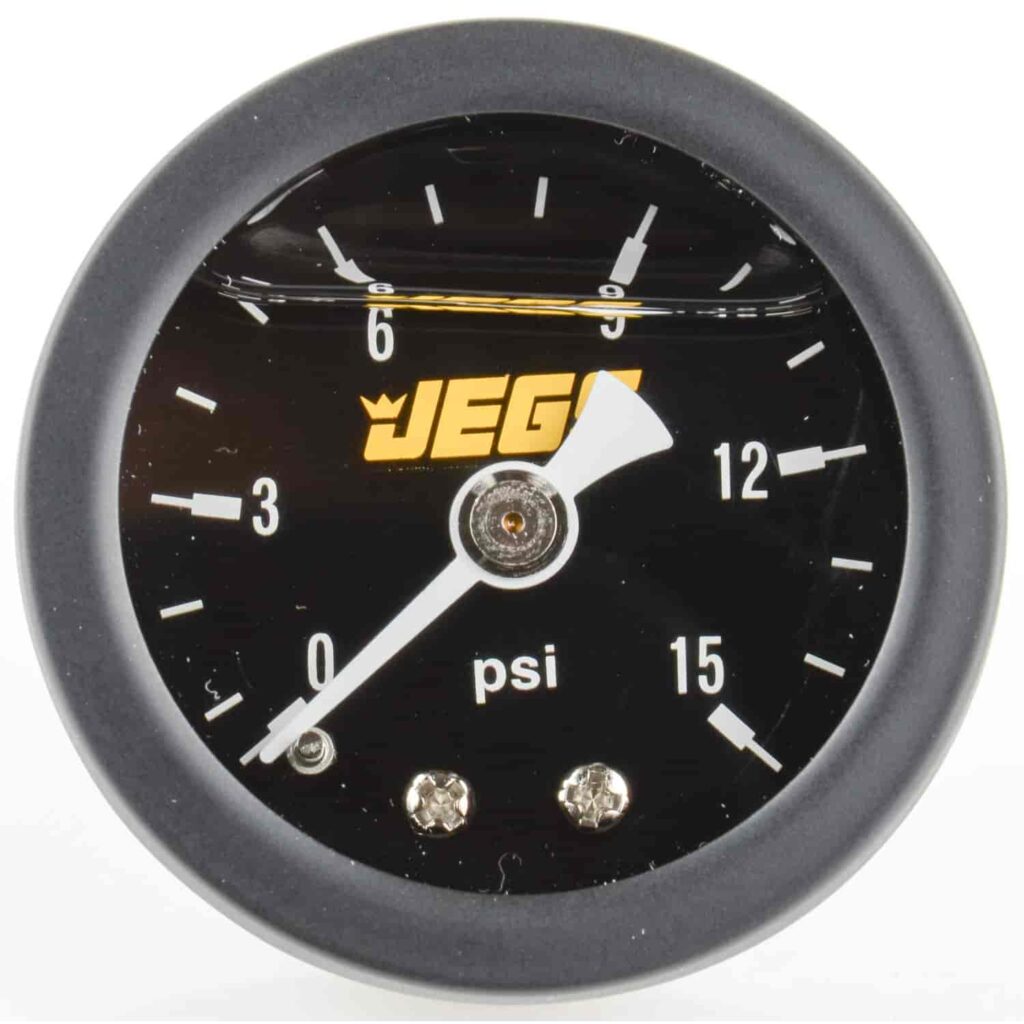
Always adjust fuel pressure with the engine running if recommended by the regulator manufacturer. Use a quality fuel pressure gauge for accuracy.
Recheck pressure after a short drive or test session to confirm stability.
Street driven vehicles benefit from mounting locations that protect the regulator from moisture and debris while remaining accessible.
Race vehicles may prioritize accessibility and quick adjustments between passes. In these cases, mounting the regulator in the engine bay or near the fuel rails is common.
Choose the approach that best matches how the vehicle will be used.
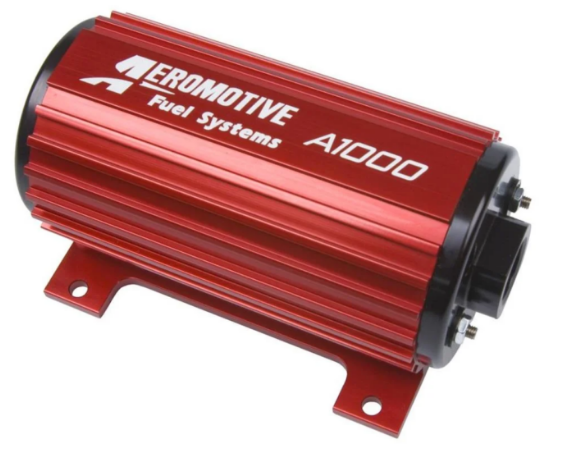
JEGS carries Aeromotive fuel pressure regulators, mounting brackets, fuel pumps, fittings, and complete fuel system components.
Having all parts designed to work together helps simplify installation and ensures consistent performance.
Proper installation of an Aeromotive fuel pressure regulator mounting bracket is a small step that has a big impact on fuel system performance and reliability.
By choosing the right location, using the correct bracket, and taking time to mount everything securely, you set the foundation for accurate fuel pressure control and long term durability.
Explore Aeromotive fuel pressure regulators, mounting brackets, and fuel system components at www.jegs.com and build a fuel system you can trust from the first startup onward.





Leave a Reply