Sign up now to join the JEGS email newsletter and be the first to learn about new products, special deals and e-mail only offers!

 3 People Found This Article Helpful

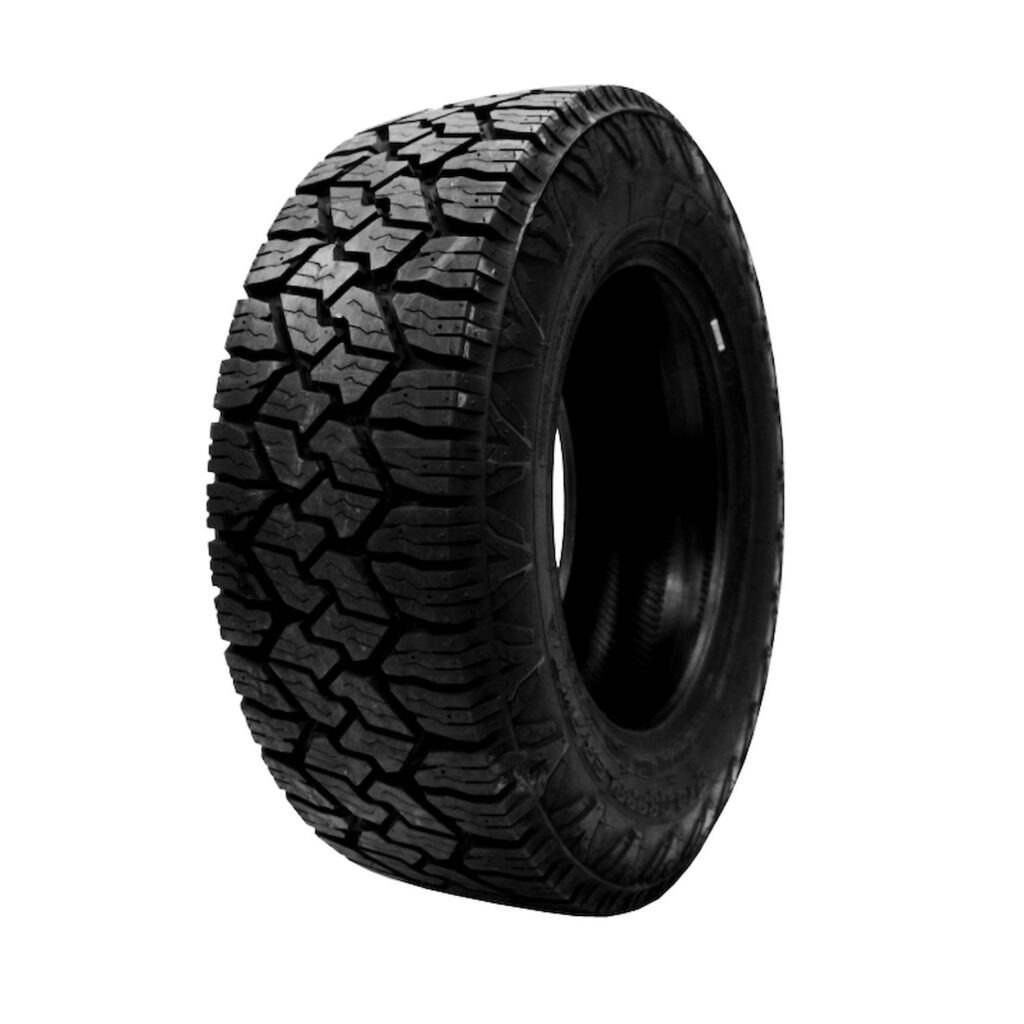

When it comes to road safety, many features and components of your car come into play, but none are as crucial as your tires. They’re your vehicle’s only contact with the road, which becomes especially important in challenging weather conditions. Having the right tires for the weather you face can make all the difference in staying safe behind the wheel.
For year-round traction, two popular options are all-season and all-weather tires. While these may sound similar, they’re designed for different conditions, each offering unique levels of grip and control. Depending on where you live and the weather you regularly encounter, one type may be better suited to your needs than the other. Understanding the differences between all-season and all-weather tires will help you make the right choice for confident driving.
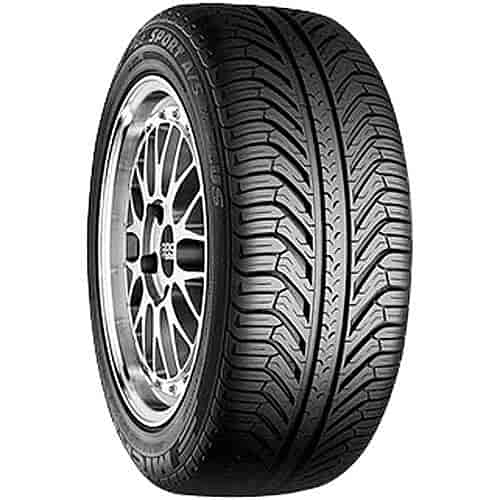
If you need tires that can handle a range of weather conditions without seasonal change-outs, all-season tires could be a great choice—especially if you live in an area with mild winters. These tires feature a moderate tread pattern designed to channel water away from the tire to reduce hydroplaning risk, while remaining mild enough to maintain fuel efficiency and reduce road noise.
All-season tires use a rubber compound that remains flexible enough in cooler temperatures yet durable in heat, balancing comfort and longevity. Their tread and rubber design are best for areas with light rain, occasional cold spells, or limited winter weather. If you live in a region with only mild winter conditions, all-season tires could be the perfect choice for year-round use.

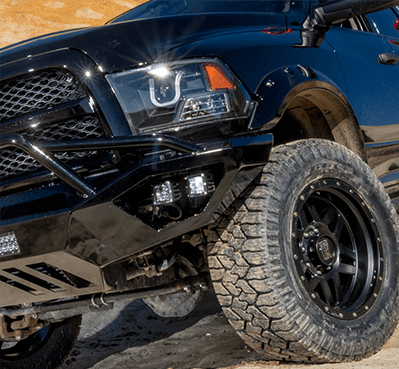
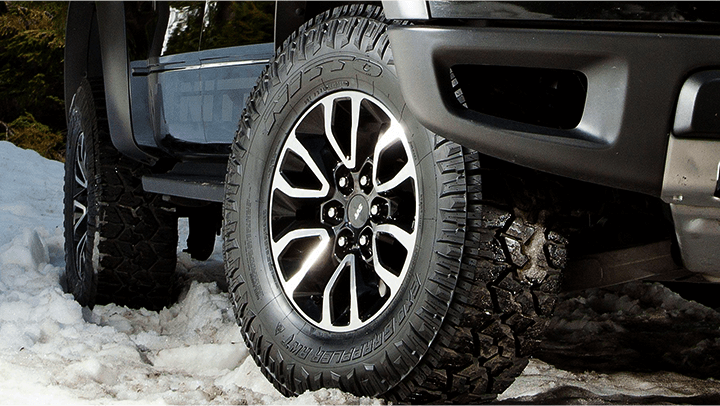
All-weather tires are designed with harsher winter conditions in mind and provide enhanced grip in snow and ice. Featuring a more aggressive tread design and deep sipes (thin slits in the tread blocks), these tires can handle snowy, icy, or slushy roads with ease. They stay flexible in lower temperatures, giving you the grip needed for safe winter driving. However, because all-weather tires use a softer rubber compound, they may wear out slightly faster than all-season tires, particularly in warm climates.
The key difference between all-season and all-weather tires is in their winter performance rating. All-weather tires often carry the Three-Peak Mountain Snowflake (3PMSF) symbol, indicating that they meet strict requirements for snow performance. This makes them an excellent choice if you experience heavy snow or frequent icy conditions, though they may wear down more quickly in warm weather.
Sign up now to join the JEGS email newsletter and be the first to learn about new products, special deals and e-mail only offers!
To choose between all-season and all-weather tires, consider your climate, driving habits, and budget. Both tire types provide resistance to skidding and hydroplaning, but they differ in durability and suitability for varying weather. Here’s what to keep in mind:
Whether you choose all-season or all-weather tires, JEGS has a vast selection to meet your needs. With top brands like Michelin, Toyo, and Cooper, you can find the perfect fit for your driving style and weather conditions. Plus, with convenient shipping, you can have your new tires delivered directly to your door, so you’re ready to tackle any road with confidence.



Leave a Reply