Sign up now to join the JEGS email newsletter and be the first to learn about new products, special deals and e-mail only offers!

 2 People Found This Article Helpful


If your car shakes at highway speeds, it is more than just an annoyance. Vibrations at 55 mph and above can point to safety issues, accelerated wear, or underlying mechanical problems. Whether the shaking shows up in the steering wheel, the seat, or the entire vehicle, identifying the cause early can help prevent bigger repairs down the road.
This guide covers the most common reasons a car shakes at highway speeds, how to diagnose the issue, and what fixes typically restore a smooth ride.
A vibration at highway speeds may feel different depending on the source. Some drivers notice the steering wheel shaking, others feel it through the floor or seat, and some experience a pulsing sensation that comes and goes. In many cases, the vibration becomes more noticeable as speed increases or when cruising at a steady throttle.
These symptoms often point to issues with tires, wheels, suspension, brakes, or driveline components.
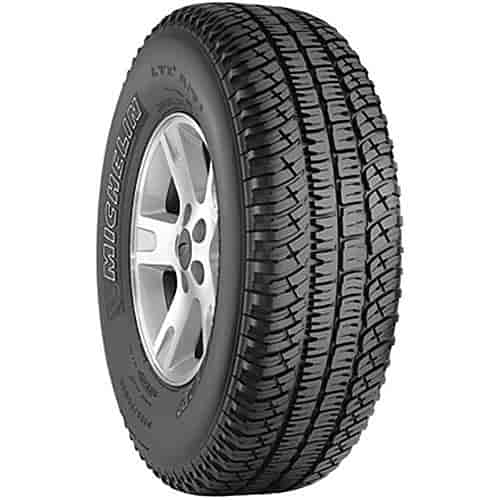
Tire problems are the most common cause of a car shaking at highway speeds. Even a small imbalance can create noticeable vibration once vehicle speed increases.
Common signs include steering wheel shake at higher speeds, vibration that gets worse the faster you drive, and uneven tire wear. A professional tire balance often resolves the issue. While inspecting the tires, check for flat spots, bulges, or internal damage that may require tire replacement.

Hitting potholes, curbs, or road debris can bend a wheel just enough to cause vibration at highway speeds.
Symptoms often mimic tire imbalance, but balancing alone may not fix the problem. A visual inspection or wheel runout test can confirm if a wheel is bent. In many cases, replacing the damaged wheel is the best solution for restoring smooth operation.
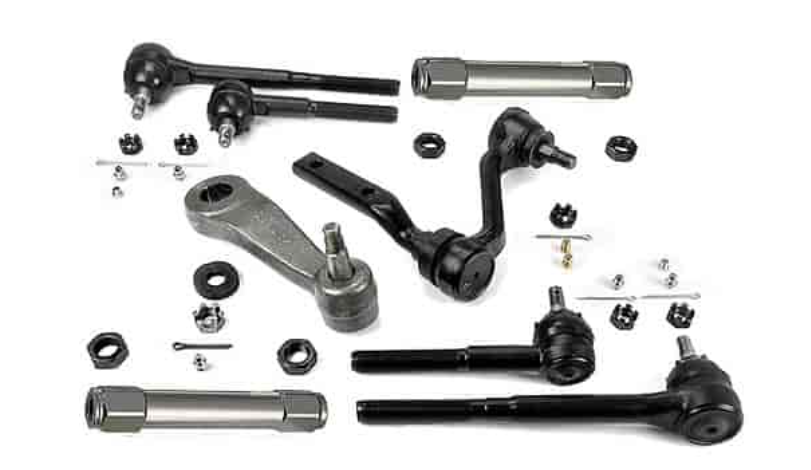
Suspension and steering parts play a major role in keeping the vehicle stable at speed. When components wear out, vibrations can develop.
Look for signs such as steering wheel shake, wandering at highway speeds, clunking noises over bumps, or uneven tire wear. Common culprits include worn ball joints, tie rod ends, control arm bushings, and shocks or struts. Replacing worn components and performing a proper alignment can significantly improve ride quality.
Sign up now to join the JEGS email newsletter and be the first to learn about new products, special deals and e-mail only offers!
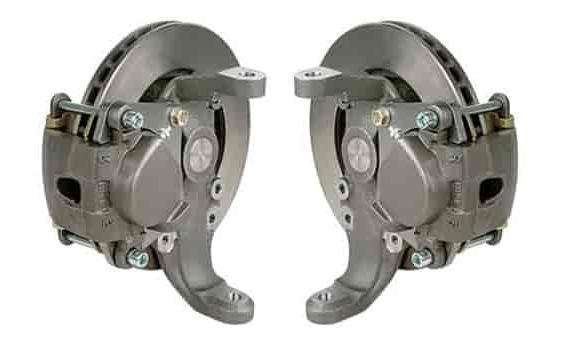
While brake-related vibration is often felt during braking, certain brake issues can cause shaking even when cruising at highway speeds.
Warped brake rotors, sticking calipers, or uneven pad wear can contribute to vibration. If the shaking becomes more noticeable when lightly applying the brakes at highway speeds, inspecting the brake system should be a priority.
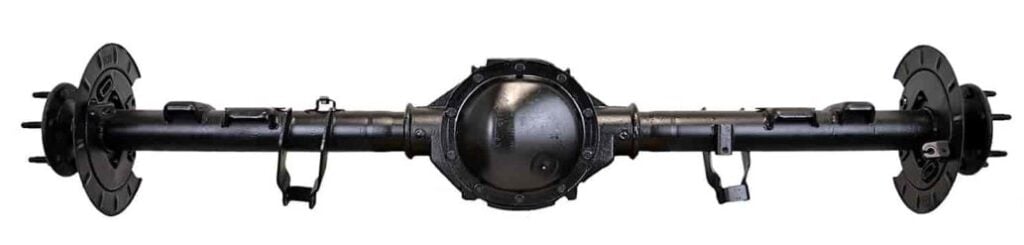
Vibration that feels like it comes from under the vehicle or through the seat may be related to driveline components.
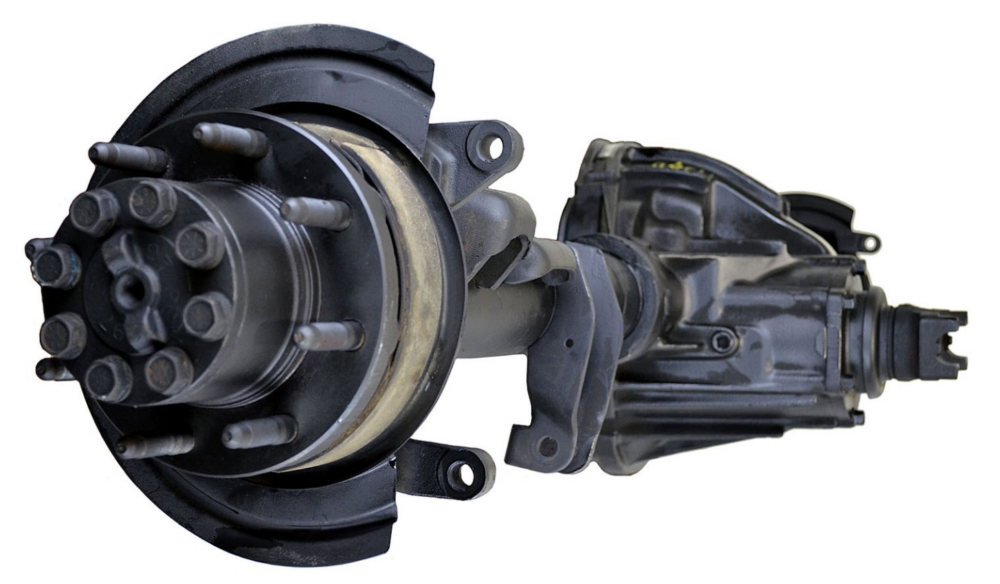
Common causes include worn CV joints, damaged axles, or an imbalanced driveshaft on rear-wheel drive or four-wheel drive vehicles. These issues often produce vibration that increases with speed and may change under acceleration or deceleration.
Improper wheel alignment can lead to vibration, pulling, and uneven tire wear. While alignment issues alone do not always cause shaking, they can make other problems more noticeable.
If the vehicle pulls to one side, the steering wheel is off center, or tires show uneven wear patterns, a professional alignment is recommended after addressing any worn parts.
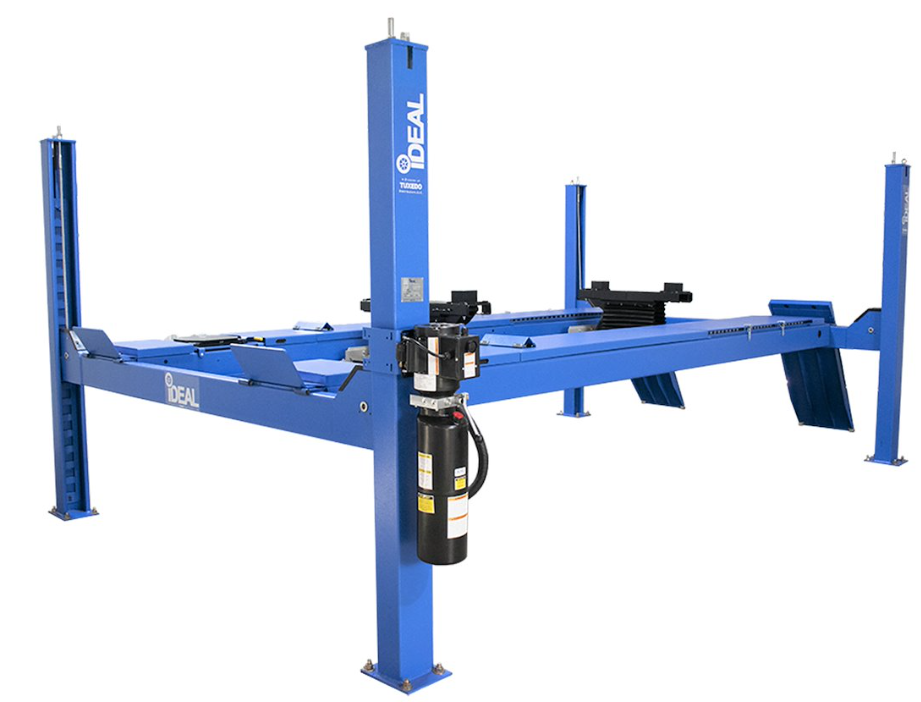
Start with the basics. Inspect tire condition and pressure, then have the tires balanced if it has been a while. Check wheels for visible damage and look for uneven tire wear that may indicate suspension or alignment issues.
If the vibration persists, pay attention to where and when it occurs. Steering wheel vibration often points to front-end issues, while seat or floor vibration may suggest rear tires or driveline components. A qualified technician can help pinpoint the cause with a thorough inspection.
Routine maintenance goes a long way toward preventing vibration problems. Regular tire rotations, wheel balancing, suspension inspections, and brake service all help maintain a smooth ride. Avoiding potholes and keeping tires properly inflated can also reduce the risk of wheel and tire damage.
If your car shakes at highway speeds, addressing the issue quickly can improve comfort, safety, and overall performance. At www.jegs.com, you will find a wide selection of suspension components, steering parts, brake components, wheels, and drivetrain solutions for street and performance vehicles.
If you need help diagnosing the problem or choosing the right parts for your setup, the JEGS Tech Specialists are available to help you get back to smooth, confident highway driving.





Leave a Reply