Sign up now to join the JEGS email newsletter and be the first to learn about new products, special deals and e-mail only offers!

 13 People Found This Article Helpful


Edelbrock has been a trusted name in performance automotive parts since 1938. From carburetors and intake manifolds to fuel injection systems and cylinder heads, the brand has earned a reputation for quality engineering and dependable performance. Edelbrock crate engines follow that same philosophy, offering complete engine solutions designed for reliability, drivability, and street-friendly power.
If you are researching Edelbrock crate engines and wondering whether they are worth the swap, this guide explains what makes them appealing, what to expect from their design, and how current availability at JEGS fits into your engine swap or rebuild plans.
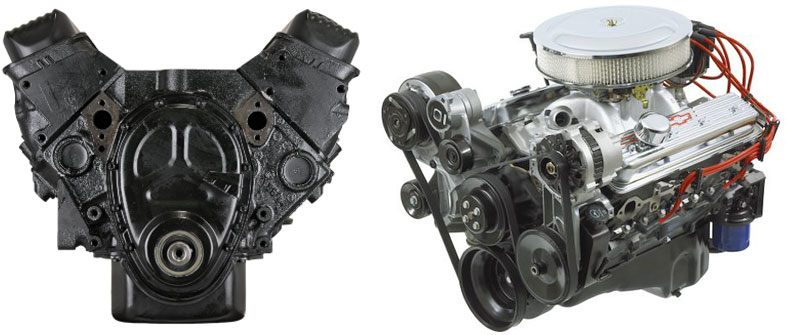
Edelbrock crate engines are designed as complete, ready-to-install powerplants built with all new components. They are engineered to deliver reliable horsepower while maintaining compatibility with pump gas and street use. Rather than focusing on extreme race-only combinations, Edelbrock crate engines are typically aimed at enthusiasts who want strong performance without sacrificing durability or drivability.
Key characteristics commonly associated with Edelbrock crate engines include carefully matched components, proven engine architectures, and a focus on long-term reliability when used as intended.
Historically, Edelbrock crate engines have been offered in a wide range of configurations, including naturally aspirated, carbureted, EFI-equipped, and supercharged combinations. Power levels vary by application, but Edelbrock engines are generally designed to provide meaningful gains over factory output while remaining manageable for street-driven vehicles.
Many Edelbrock crate engines are designed to operate on 91 to 93 octane pump gas, which makes them practical for real-world driving. EFI-equipped engines are intended to improve cold starts, throttle response, and consistency across changing conditions, while carbureted engines appeal to classic muscle car builds and traditional performance enthusiasts.
One of the strongest selling points of Edelbrock crate engines is that they are built using all new parts rather than rebuilt or remanufactured components. This approach reduces uncertainty and helps ensure consistent quality from engine to engine.
Edelbrock crate engines are backed by a two-year unlimited mileage warranty, which reflects confidence in their engineering and assembly process. Engines are not dyno tested unless an optional dyno service is selected, so proper break-in after installation is required to ensure longevity and performance.

Sign up now to join the JEGS email newsletter and be the first to learn about new products, special deals and e-mail only offers!
Edelbrock remains an important performance brand at JEGS. However, crate engine availability is more limited than in years past. JEGS currently offers a select number of Edelbrock crate engine part numbers based on demand, manufacturer production, and long-term availability.
Crate engines are a specialized, high-investment purchase, and offerings can change over time. For this reason, the best way to confirm current Edelbrock crate engine options, specifications, and compatibility is by checking jegs.com or speaking directly with a JEGS Tech Specialist.
Edelbrock crate engines can be an excellent choice for the right application. They are well suited for enthusiasts who value brand reputation, engineered compatibility, and dependable street performance. When installed with properly matched supporting components such as cooling systems, fuel delivery, exhaust, and drivetrain upgrades, Edelbrock crate engines are known for smooth operation and long service life.
As with any crate engine, results depend heavily on correct installation, proper break-in, and realistic performance expectations. Edelbrock crate engines are not designed to be heavily modified beyond their intended configuration, but when used as designed, they offer consistent and predictable results.

Before committing to any crate engine, it is important to consider vehicle compatibility, intended use, and overall project budget. Transmission type, rear gearing, vehicle weight, and cooling capacity all play a role in how well a crate engine performs once installed.
Availability is another key factor. Even within a well-known brand like Edelbrock, crate engine offerings can be limited. In some cases, alternative engine options from other manufacturers may better suit your timeline or performance goals.
At JEGS, our goal is to help you choose the right components for your build, not just sell parts. If you are considering an Edelbrock crate engine or comparing it to other crate engine options, our Tech Specialists can help you evaluate current availability, confirm fitment, and explore alternatives that meet your needs.
To get expert guidance on Edelbrock crate engines or any engine swap project, call 1-800-345-4545 and speak with a JEGS Tech Specialist. We are here to answer your technical questions and help you move forward with confidence.




Leave a Reply