Maintaining the correct tire pressure is essential for safety, fuel efficiency, and tire longevity. Understanding the difference between cold tire pressure vs hot tire pressure is crucial, especially with changing weather and driving conditions. In this guide, we’ll explain how temperature affects tire pressure, why it matters, and how to maintain the ideal levels for optimal performance.
Cold Tire Pressure
Cold tire pressure refers to the pressure measured when your vehicle’s tires are cool, typically after sitting for at least three hours or being driven less than a mile.
How Cold Tire Pressure Works
When tires are at rest, the air inside them cools, reducing the pressure, as air molecule movement changes in relation to temperature. This is why most manufacturers recommend checking and setting tire pressure when the tires are cold.
Why Cold Pressure Matters
Accurate Readings: Tire pressure gauges provide the most reliable readings when the tires are cool.
Manufacturer Standards: Automakers specify recommended tire pressure for cold conditions because it’s the baseline for safe and efficient driving.
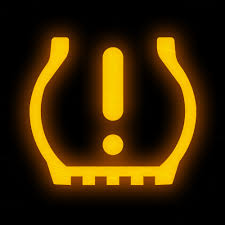
Temperature Drops: For every 10-degree Fahrenheit drop in temperature, tire pressure decreases by about 1-2 PSI. This is especially important during colder seasons when tire pressure can drop significantly overnight, causing your low tire pressure warning light to come on (if your vehicle is equipped with a tire pressure monitoring system)
Hot Tire Pressure
Hot tire pressure refers to the pressure measured after driving your vehicle for some time. As you drive, the friction between the tires and the road generates heat, causing the air inside to expand and raise the pressure (the increased speed of air molecules due to heat).
How Hot Tire Pressure Works
Driving at highway speeds or under heavy loads increases tire temperature, which can raise pressure by 3-5 PSI or more. This is a normal process and not usually a cause for concern.
Why Hot Pressure Matters
Temporary Increase: Hot tire pressure will always read higher than cold pressure. It’s important not to release air from a hot tire since it will cool down and lose more pressure than intended.
Driving Conditions: Factors like aggressive driving, towing, or hot weather can amplify tire heat and pressure increases.
Overinflation Risk: While a temporary increase is normal, consistently driving on overinflated tires due to excessive heat can lead to uneven wear and reduced grip.
JEGS Newsletter Signup
Sign up now to join the JEGS email newsletter and be the first to learn about new products,
special deals and e-mail only offers!
Thank you for signing up!
Ideal Tire Pressure
Striking the right balance between cold tire pressure vs hot tire pressure is essential for safe driving and tire longevity.
How To Determine Ideal Pressure
Manufacturer Recommendations: Check the tire placard inside your driver’s door jamb or your owner’s manual for the manufacturer’s recommended cold tire pressure.
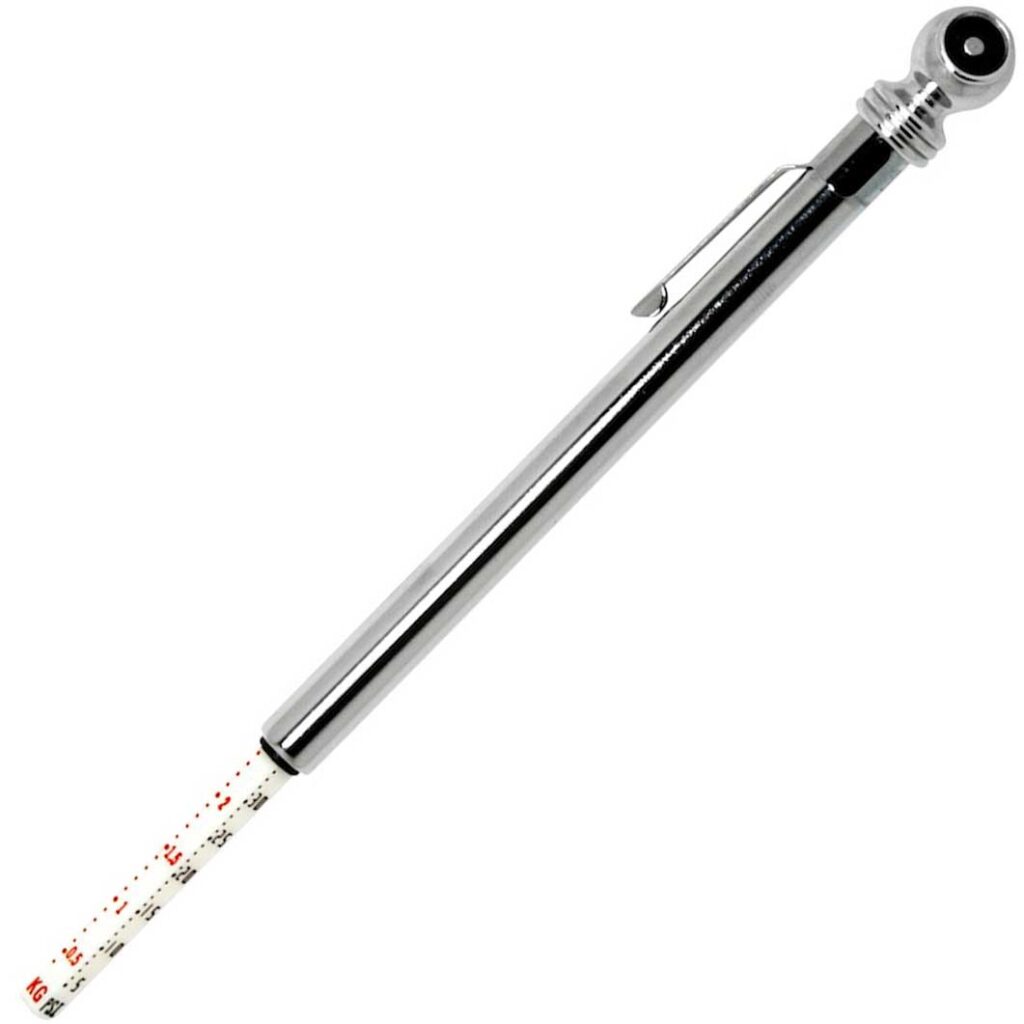
Regular Checks: Always measure your tire pressure when the tires are cold for accurate readings. Use a reliable tire pressure gauge for the best results.
Adjust for Conditions: If you’re driving long distances, towing, or driving in hot climates, monitor your pressure regularly. Don’t adjust the pressure when tires are hot; wait until they cool.
The Impact of Incorrect Pressure
Underinflated Tires: Lead to poor fuel efficiency, uneven wear, and increased risk of blowouts.
Overinflated Tires: Reduce traction, cause a harsh ride, and accelerate center tread wear. They can also lead to blow-outs in extreme cases.
Temperature Sensitivity: Tire pressure cold vs hot can fluctuate significantly in extreme weather, so adjustments may be needed during seasonal changes.
Tips To Maintain Proper Tire Pressure
Check Tire Pressure Monthly: Use a gauge to check your tires, preferably in the morning when they’re cold.
Monitor During Temperature Changes: Tire pressure can drop during winter or increase in summer, so adjust accordingly.
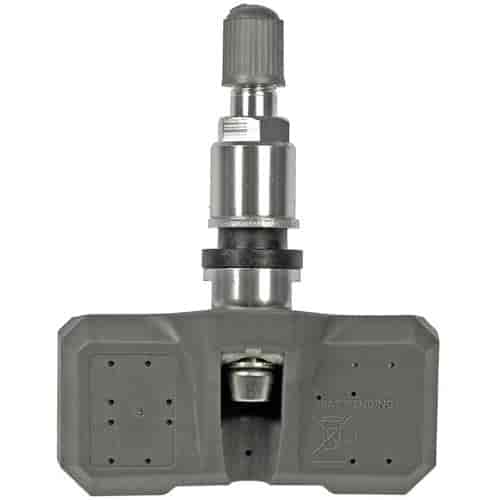
Invest in a TPMS: Vehicles with a Tire Pressure Monitoring System can alert you when pressures are too low or high, helping you stay ahead of potential issues.
Final Thoughts
Understanding cold tire pressure vs hot tire pressure is key to maintaining your tires and ensuring safety on the road. By checking pressure regularly and following manufacturer recommendations, you can avoid unnecessary wear and improve fuel efficiency. Remember, temperature fluctuations affect pressure, so stay mindful during seasonal changes or long drives.
If you’re looking for tire pressure gauges, tire inflators, or top-rated tires, visit our online catalog at JEGS. We have everything you need to keep your vehicle running smoothly and safely.

 2 People Found This Article Helpful








Leave a Reply