Sign up now to join the JEGS email newsletter and be the first to learn about new products, special deals and e-mail only offers!

 2 People Found This Article Helpful
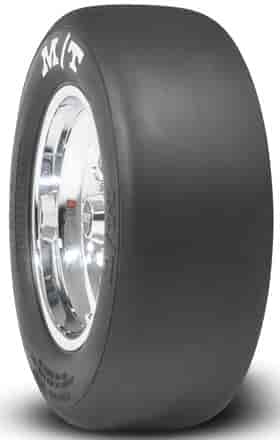


In the world of drag racing, tire choice can make or break your pass. Two names dominate the conversation: Mickey Thompson and Hoosier. Both brands are trusted by weekend warriors and professional racers alike, but deciding between them depends on your setup, driving habits, and performance goals.
Instead of simply picking a winner, this guide breaks down the real differences between Hoosier and Mickey Thompson drag radials so you can make the most informed choice for your car.
When comparing Hoosier drag radials vs Mickey Thompson, start with the tread compound and overall design. Both brands are focused on traction, but they approach it in very different ways.
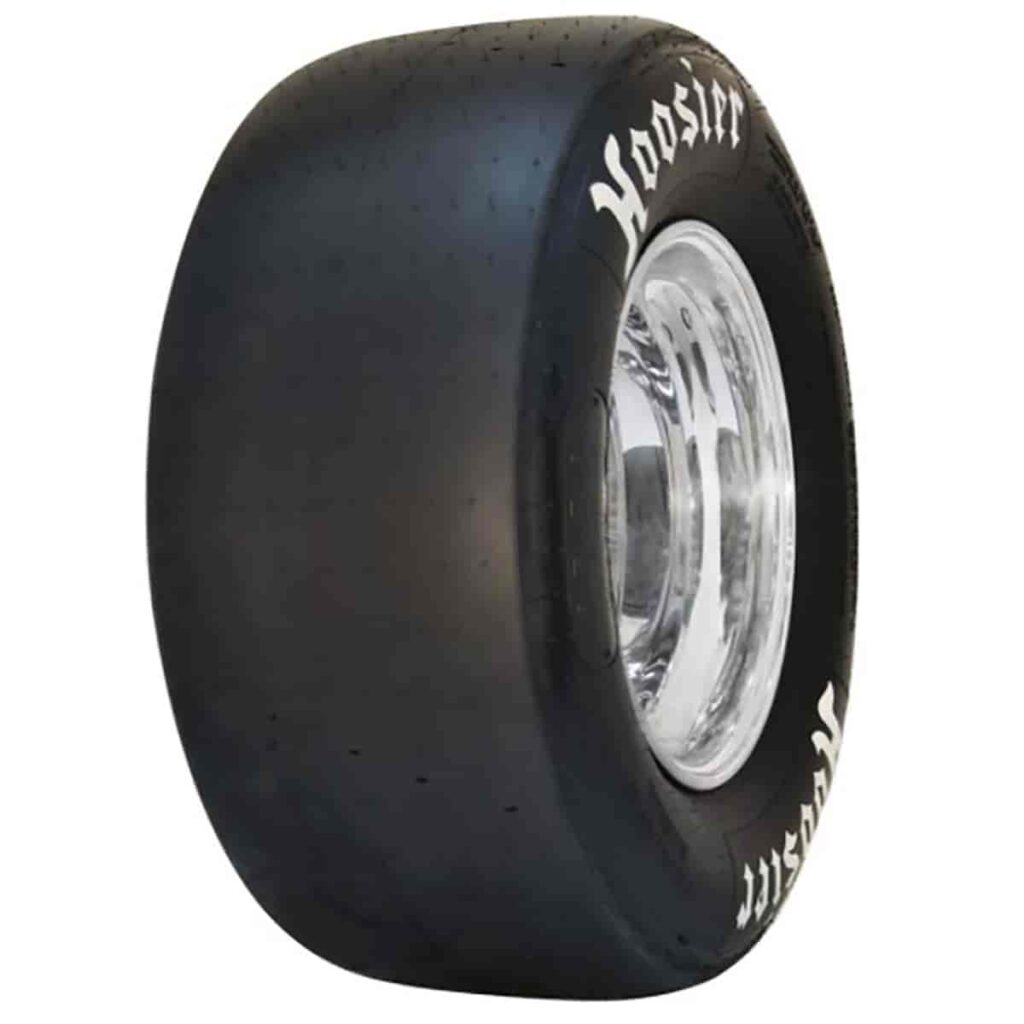
Hoosier drag radial tires are designed almost exclusively for the track. Even though some models carry DOT approval, the brand makes it clear that they are not suited for street use. Hoosier includes disclaimers that warn against street driving due to the potential for loss of air pressure, traction, and tire integrity. In other words, these tires were built for one purpose: track performance.
Their DOT drag radials commonly use the DR2 compound, which is soft and optimized for maximum grip, acceleration, and heat resistance. Other compounds like DBR are used for bracket racing and offer similar characteristics. These tires are not built for longevity. They are designed to perform at a high level for a limited number of runs.
In terms of tread design, Hoosier tires look almost like slicks. Most models feature a smooth surface with just five circumferential grooves. This layout maximizes contact patch while still meeting the minimum tread requirements for certain classes or sanctioning bodies.
Internally, Hoosier uses lightweight casings to reduce rolling resistance and stiff sidewalls to handle high torque applications. Many racers also appreciate Hoosier's focus on heat management. Their tires are engineered to stay consistent under temperature swings, helping avoid loss of grip during long staging waits or repeat runs.
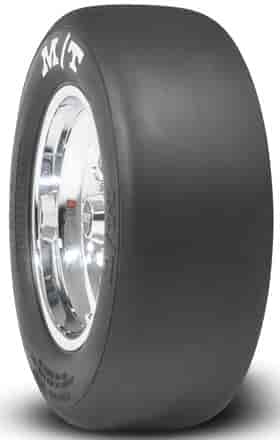
Mickey Thompson offers a wider range of drag radial tires, including several that can be used both on the track and on the street. Their R1 and R2 compounds offer soft, quick-heating performance. R1 is the softer of the two and is used in the Pro Drag Radial line. R2 is common in hybrid options like the ET Street S/S, which provide track-level grip while also being street legal.
Mickey Thompson tires typically feature smooth tread patterns that maximize surface contact. While their Pro Drag Radials closely resemble full slicks, the street-friendly models include larger circumferential grooves. These help move water and improve safety when you're driving to the track or caught in a sudden rain.
One standout innovation is Mickey Thompson's Zero Growth Technology. This design prevents the tire from growing in diameter at high speeds, which is critical for keeping gear ratios consistent and reducing drivetrain stress. Combined with reinforced sidewalls and directional tread patterns, Mickey Thompson drag radials deliver stable, consistent launches.
Sign up now to join the JEGS email newsletter and be the first to learn about new products, special deals and e-mail only offers!
Price is often a deciding factor when buying drag tires, especially for racers who go through multiple sets each season. Let’s take a closer look at how both brands compare in terms of cost.
Hoosier drag radials generally range from $300 to $450 depending on size and compound. Bracket racing tires can start around $270 and go up from there. DOT-approved models typically fall between $300 and $380.
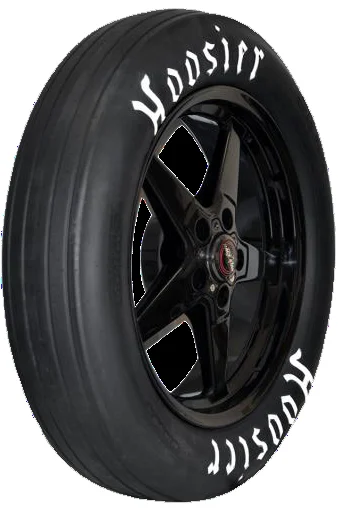
For front runners or slim drag tires, Hoosier offers options that cost roughly $180 to $230. These are a popular pairing with their rear radials.
Mickey Thompson’s ET Street Radial Pro tires generally cost between $330 and $360. Their Pro Bracket Radial line starts around $285 and can reach up to $450 for larger sizes.
Front tires like the ET Street Front typically range from $280 to $340, which puts them a bit higher than Hoosier’s in most cases. However, the additional cost reflects the added flexibility and street-friendly features found in some of Mickey Thompson’s offerings.

While specs and price tell part of the story, hearing from racers who actually use these tires is just as important. Performance and longevity vary depending on how and where you drive.
When it comes to durability, Mickey Thompson often gets the edge. Their hybrid street/track tires hold up better over time, and racers report getting over 150 passes from some of their bracket radial models. Hoosier tires, on the other hand, tend to wear faster due to the softer compounds. If you race weekly and want maximum grip every time, that may be a worthwhile tradeoff.
In terms of outright grip, Hoosier tires are widely praised by drag racers. Many believe they offer the best hook at the track. But this performance comes with the tradeoff of faster wear and limited street usability.
One point racers agree on is flexibility. Mickey Thompson offers more options for drivers who need tires that can work at the track and on the drive there. Their street-legal drag radials offer performance without sacrificing safety in wet or unpredictable conditions.
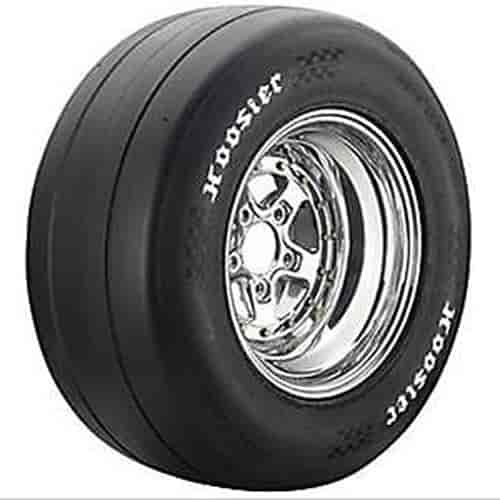
Ultimately, the Hoosier vs Mickey Thompson drag radial debate comes down to your specific needs.
Whichever brand you choose, make sure you match the tire to your setup, power level, and how you plan to use the vehicle. Both Hoosier and Mickey Thompson offer proven products trusted by racers across the country.

JEGS carries a full selection of Mickey Thompson and Hoosier drag radial tires, including street-legal models, Pro bracket slicks, and front runners. Whether you’re building a classic muscle car or a modern drag racer, we have the tires you need to get down the track.
Need help picking the right set? Contact a JEGS Tech Specialist at 1-800-345-4545 and get personalized support and advice for your next build.



Leave a Reply