Sign up now to join the JEGS email newsletter and be the first to learn about new products, special deals and e-mail only offers!

 91 People Found This Article Helpful
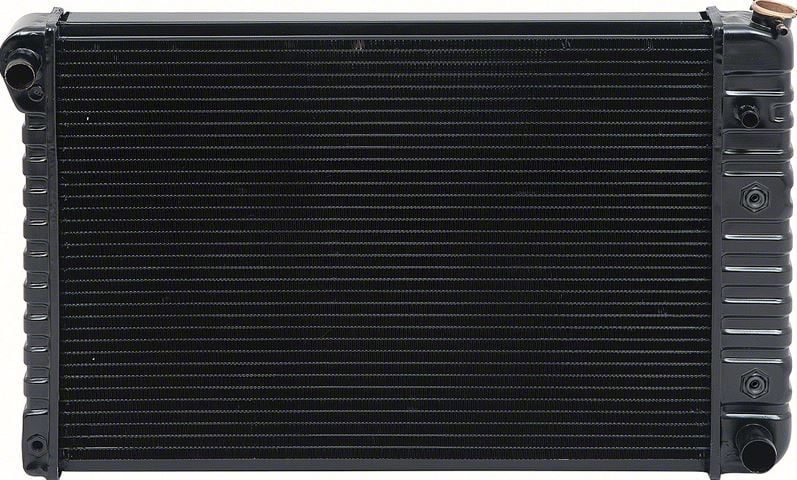
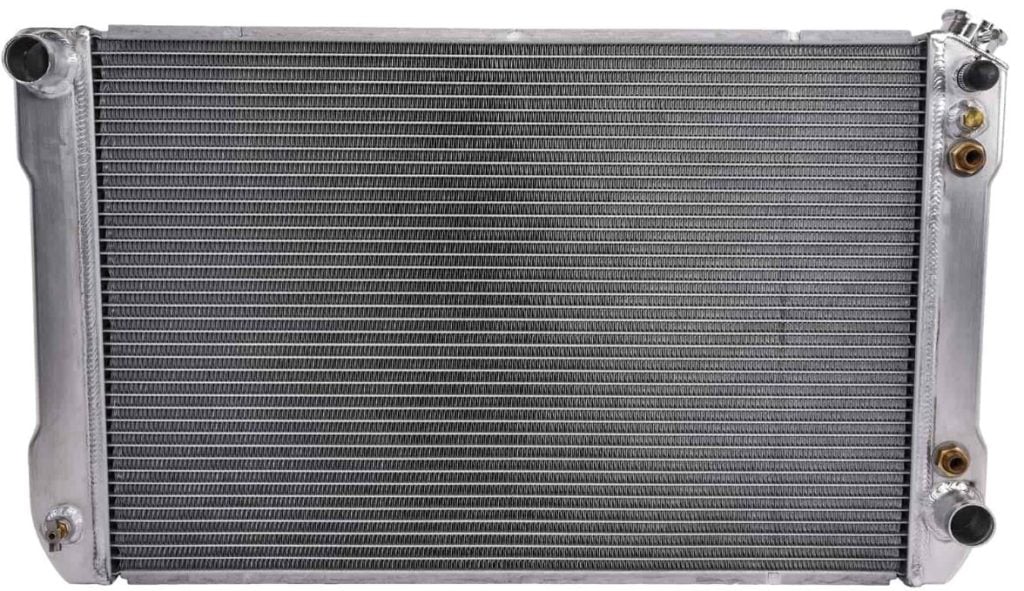

Choosing the right radiator material can impact your vehicle’s cooling efficiency, long-term durability, and even overall performance. For decades, copper and brass were the go-to materials, but aluminum has become the new standard for modern vehicles. So which one is better? Let’s compare copper/brass and aluminum radiators to help you decide what works best for your application.
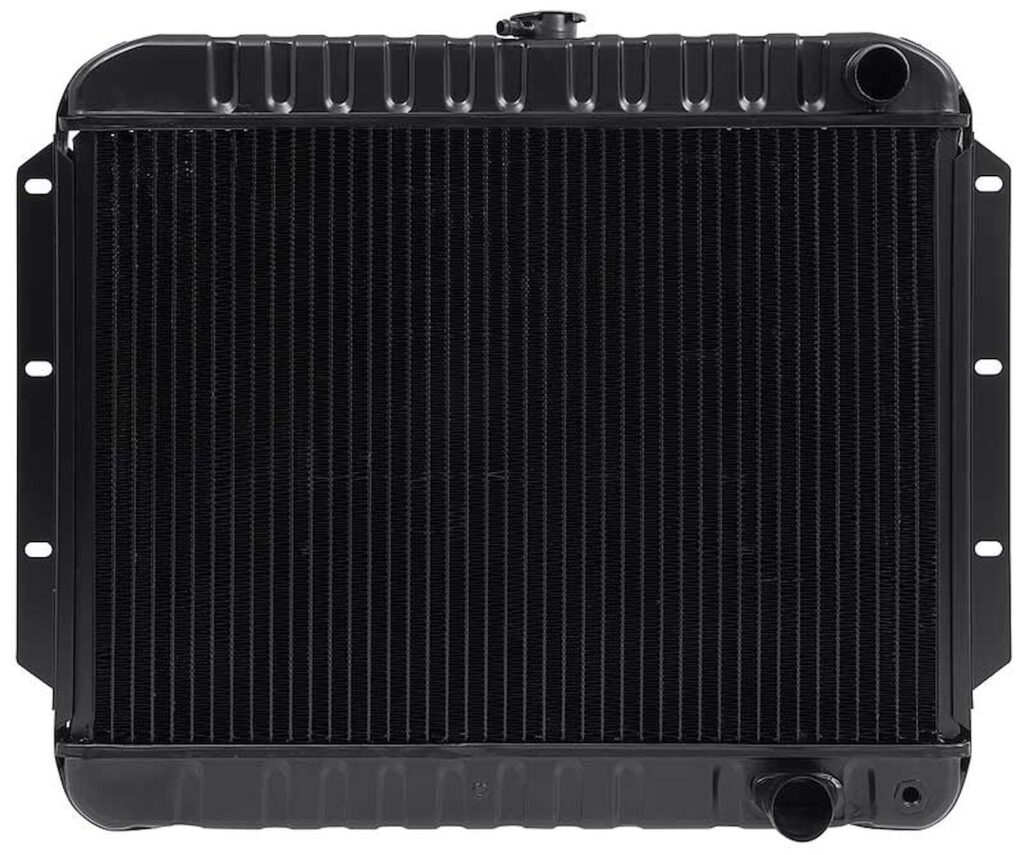
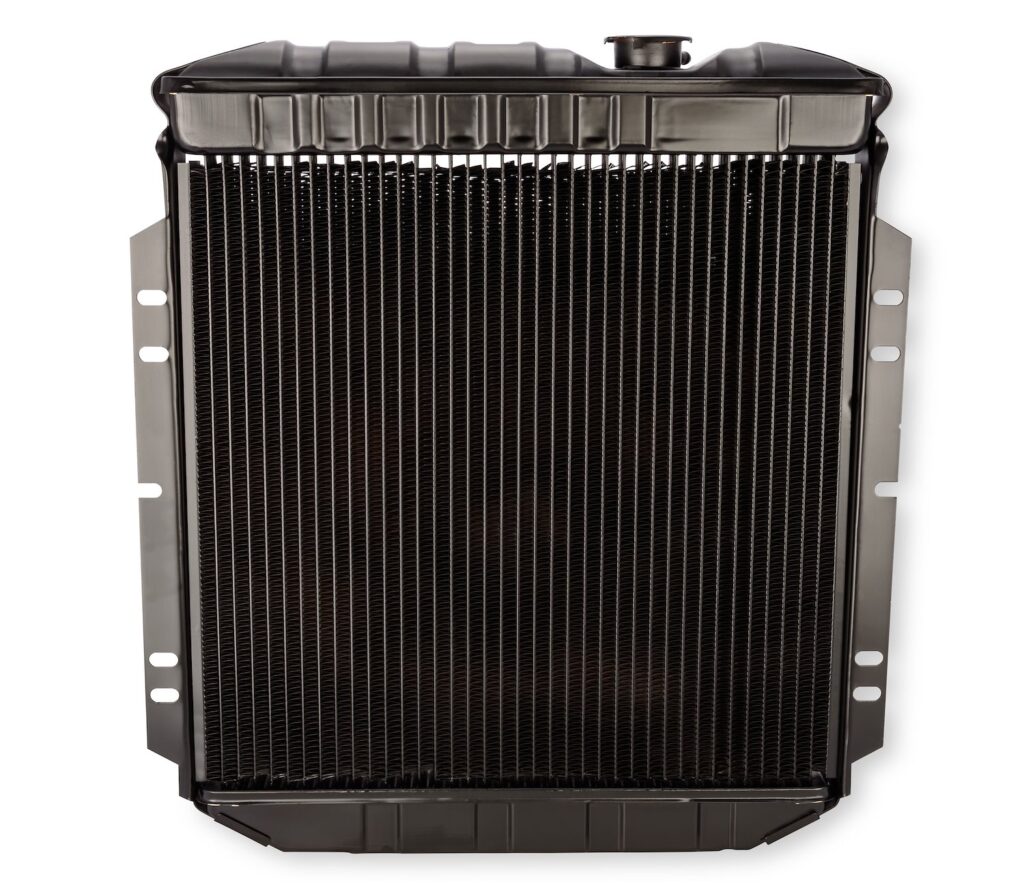
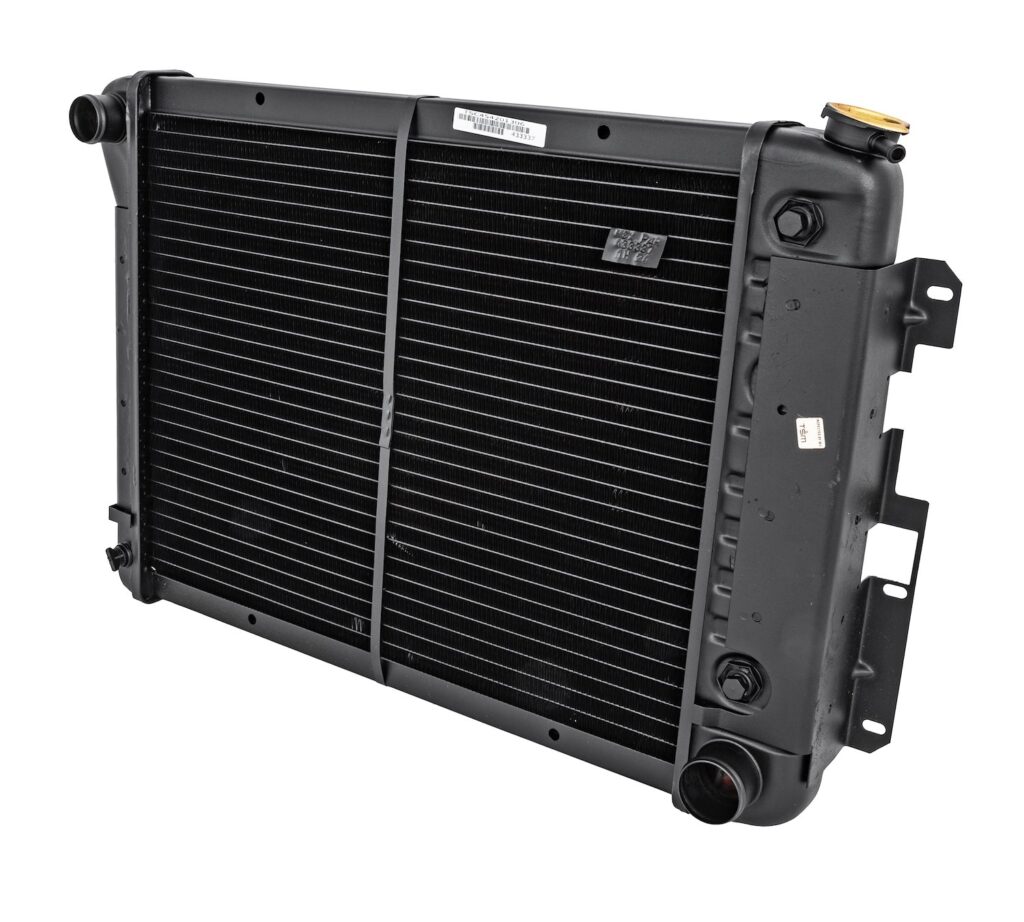
Copper was widely used in early automotive radiators for good reason. It offers excellent heat conductivity and is easy to work with. Even today, copper radiators are still popular among classic car owners and restorers due to their:
Modern manufacturing techniques have allowed copper radiators to become thinner and lighter than ever. Newer versions use brazing instead of lead-based soldering, improving corrosion resistance and safety. Although these advancements help close the gap with aluminum radiators, copper radiators still tend to be heavier and more expensive.


Sign up now to join the JEGS email newsletter and be the first to learn about new products, special deals and e-mail only offers!
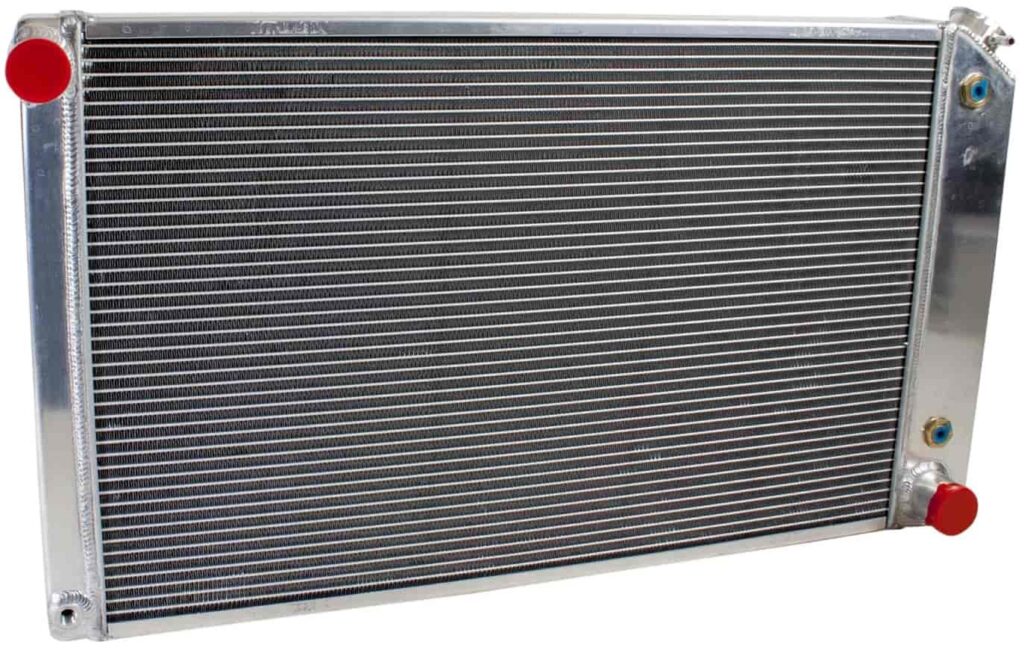
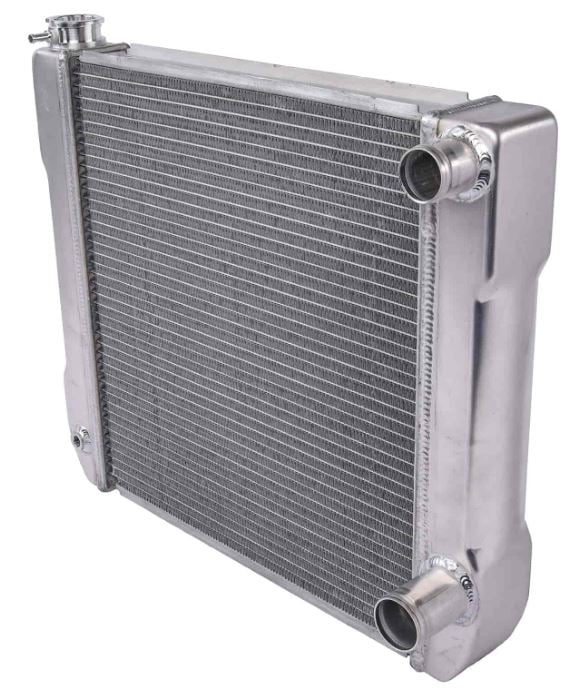
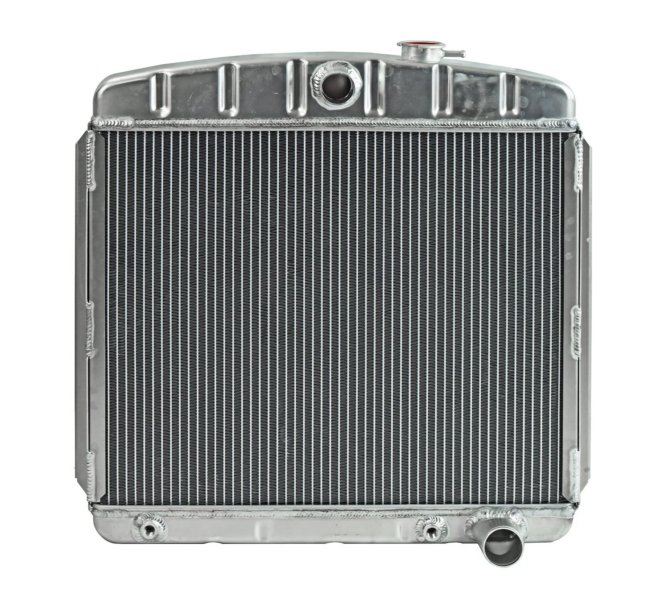
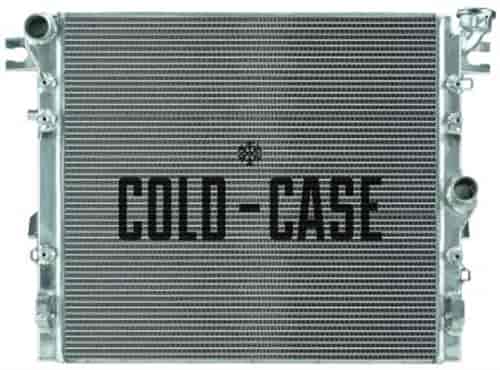
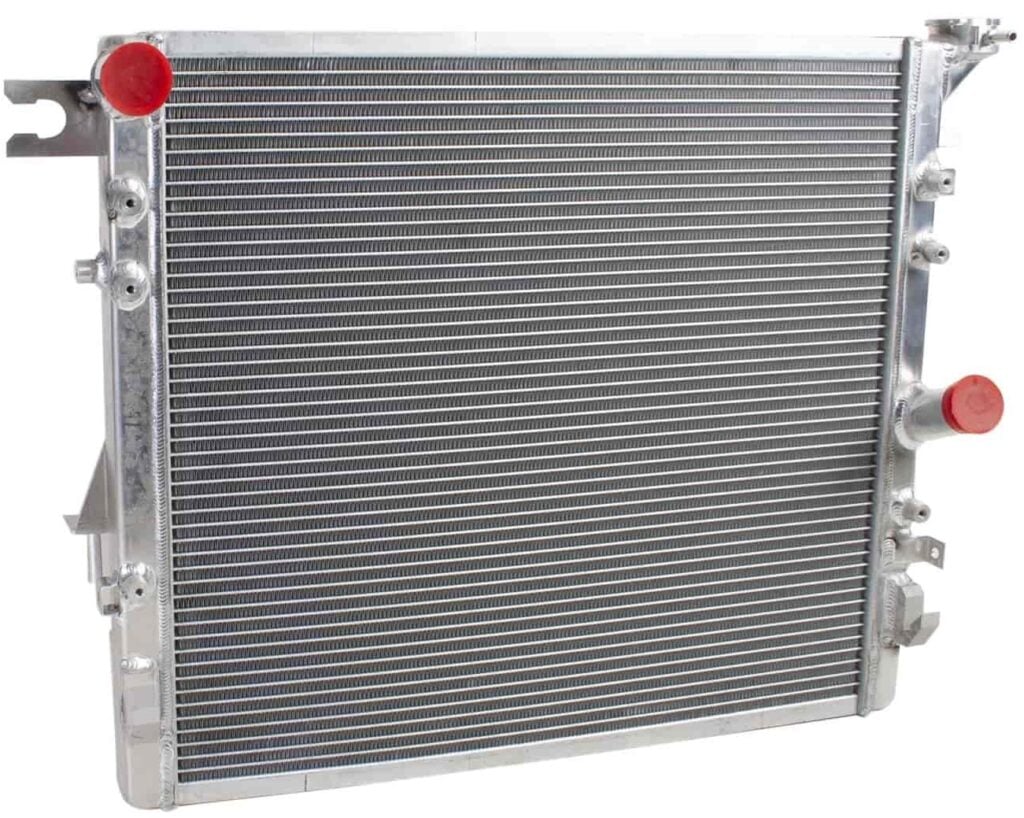
Aluminum has become the industry standard for newer vehicles, and for good reason. Compared to copper, aluminum radiators offer several advantages:
Aluminum radiators also commonly feature plastic end tanks that can be molded into complex shapes, making them easier to integrate into compact, modern engine bays. These innovations make aluminum radiators a better choice for daily drivers and performance applications alike.
While steel is strong and durable, it is not suitable for radiator use. It does not conduct heat as efficiently as copper or aluminum and is significantly heavier. Steel is also more prone to rust, especially in the presence of coolant and temperature fluctuations. The added weight and poor thermal performance make it a poor option for today’s automotive cooling systems.
Ultimately, the decision between copper and aluminum radiators comes down to your vehicle and how you use it. Here are some considerations:
Whether you’re building a classic hot rod or upgrading a modern street machine, JEGS has the right radiator for your setup. Choose from a wide selection of copper, brass, and aluminum radiators designed for OE replacement or performance applications. With trusted brands and fast shipping, JEGS makes it easy to keep your engine cool and your project moving forward.






Leave a Reply