Sign up now to join the JEGS email newsletter and be the first to learn about new products, special deals and e-mail only offers!

 2 People Found This Article Helpful


Engine oil coolers and transmission oil coolers play an important role in controlling operating temperatures. Whether you are building a high horsepower street machine, towing heavy loads, or simply trying to improve long term reliability, managing heat is critical. Excessive oil temperature can break down lubricants, reduce protection, and shorten the life of your engine or transmission.
Choosing the right oil cooler or transmission cooler depends on how your vehicle is used. Performance driving, towing, and daily commuting all place different demands on cooling systems.
Engine oil does more than lubricate internal components. It also carries heat away from bearings, pistons, and valvetrain parts. When oil temperatures climb too high, viscosity drops and the oil film becomes less effective.
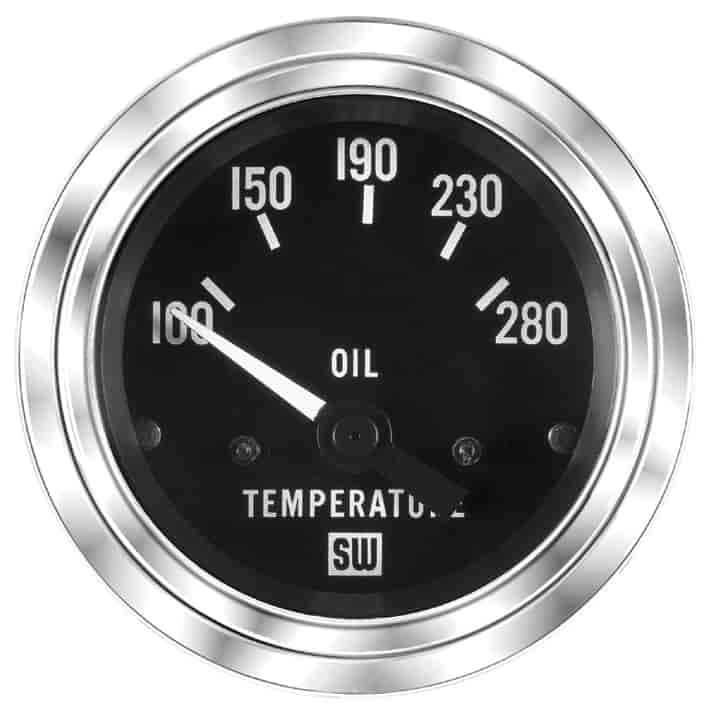
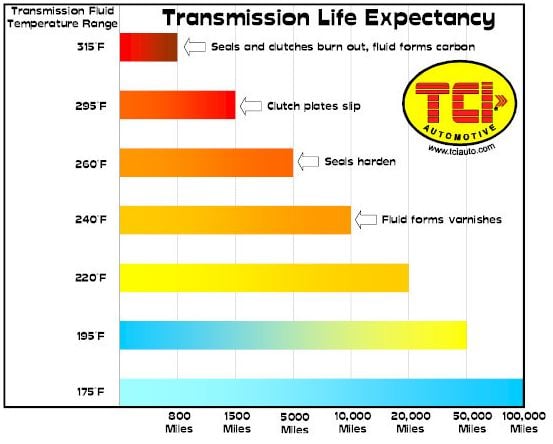
Transmission fluid faces similar challenges. Automatic transmissions generate heat through friction inside clutches, torque converters, and planetary gear sets. High temperatures can lead to slipping, fluid breakdown, and premature transmission wear.
Adding an oil cooler or transmission cooler helps stabilize fluid temperatures and improve durability.
Oil coolers typically fall into two main designs.
Tube and fin coolers are common and cost effective. These coolers circulate oil through a series of tubes while air flows across fins that dissipate heat. They work well for moderate cooling needs and are often used in daily driven vehicles.

Stacked plate coolers provide greater cooling efficiency. They use tightly packed plates that increase surface area and improve heat transfer. Stacked plate designs are often preferred for high performance engines and heavy towing applications.

Brands such as Derale Performance, Earl’s Performance Plumbing, and Mishimoto offer oil cooler kits designed for both street and performance vehicles.
High performance engines generate more heat due to increased horsepower, higher rpm, and aggressive driving. Road racing, drag racing, and spirited street driving can push oil temperatures beyond safe limits.
A stacked plate oil cooler is often the best choice for performance applications. These coolers offer efficient heat rejection in a compact design.
When installing an engine oil cooler, many builders also use a thermostat adapter. This allows the engine oil to reach proper operating temperature before circulating through the cooler. Companies like Derale Performance offer oil cooler kits that include thermostatic adapters and mounting hardware.
Proper hose routing and high quality fittings are important for reliable installation.

Sign up now to join the JEGS email newsletter and be the first to learn about new products, special deals and e-mail only offers!
Vehicles used for towing frequently benefit from upgraded transmission coolers. Pulling trailers or hauling heavy cargo increases transmission load and generates significant heat.
Large stacked plate transmission coolers are ideal for these situations because they provide strong cooling performance even during slow speed driving where airflow is limited.
Manufacturers like Derale Performance produce heavy duty transmission cooler kits designed specifically for towing and truck applications.
Installing the cooler in front of the radiator or air conditioning condenser allows maximum airflow for efficient cooling.

Daily drivers do not always require large racing style coolers, but improved cooling can still be beneficial. Vehicles that see stop and go traffic, hot climates, or moderate towing loads may benefit from a compact oil cooler system.
Tube and fin coolers or smaller stacked plate designs often provide enough cooling capacity for these applications while remaining affordable and easy to install.
For street vehicles, maintaining proper oil warm up is important. Using a thermostat controlled oil cooler helps prevent oil from running too cool during normal driving.

Regardless of cooler type, installation location plays a major role in performance. Oil coolers and transmission coolers should be placed where they receive steady airflow.
Many installers mount coolers in front of the radiator or behind the grille opening. Secure mounting brackets and quality hoses help prevent leaks and vibration related damage.
Checking fluid levels after installation is essential to ensure proper system operation.
Managing heat is one of the most important steps in protecting an engine and transmission. The right oil cooler or transmission cooler helps maintain stable operating temperatures during performance driving, towing, or daily commuting.
At www.jegs.com, you will find a wide selection of oil cooler kits, transmission coolers, fittings, hoses, and mounting hardware from trusted brands such as Derale Performance, Mishimoto, Earl’s Performance Plumbing, and B&M Racing.
If you need help selecting the best oil cooler or transmission cooler for your vehicle, the JEGS Tech Specialists are available to help you choose the right setup for your power level and driving needs.




Leave a Reply