Sign up now to join the JEGS email newsletter and be the first to learn about new products, special deals and e-mail only offers!

 2 People Found This Article Helpful
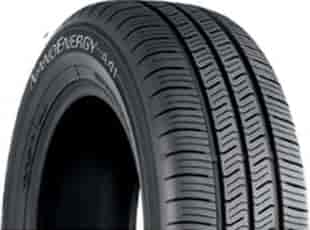

When upgrading your vehicle’s performance with high-end parts like shocks, struts, and superchargers, it’s easy to overlook tires. Yet, cost-effective tires don’t have to mean compromising on quality. With proper care and informed decisions, affordable tires can last a long time while delivering reliable performance.
Let’s dive into how long cost-effective tires last, what impacts their lifespan, and how you can make the most of your investment.
The average tire lasts between 40,000 and 75,000 miles, which typically translates to three to five years of regular driving. However, even if you don’t drive frequently, your tires may need replacement if they show signs of aging or damage.
Several factors influence tire lifespan. Knowing what affects your tires will help you extend their durability.

Different types of tires have varying lifespans. Cost-effective tires may not last as long as premium options from brands like Nitto or Michelin, but they can still deliver value if used properly.
The size and weight of your vehicle significantly impact tire wear:
Road and climate conditions also play a role:
Extreme Climates: Frequent temperature changes (e.g., summer to winter) can lead to faster degradation.
Rough Roads: Potholes and uneven surfaces accelerate wear on the sidewall and tread.

Recognizing when your tires need replacement is crucial for safety and performance. Here are the top signs to watch for:
Most manufacturers recommend replacing tires when tread depth reaches 2/32 inches. To test this:

Even with low mileage, tires can age. Look for:
If your vehicle starts slipping in wet conditions or losing grip on dry roads, it’s a clear sign your tires are no longer effective.
Sign up now to join the JEGS email newsletter and be the first to learn about new products, special deals and e-mail only offers!
While factors like road conditions and climate are out of your control, proper maintenance and driving habits can extend your tires’ lifespan.

Aggressive driving, such as hard acceleration and sudden braking, wears tires faster. Adopting smoother driving habits will not only extend tire life but also improve fuel efficiency.
Tires designed for specific conditions perform better and last longer:
All-season and all-terrain tires offer flexibility but should still be used appropriately for weather and road conditions.
Avoid using mud-terrain tires on pavement, as it will rapidly wear down the tread.
Drag radials and slicks should only be used at the track.


Cost-effective tires, when properly maintained, can last almost as long as premium options. While they may not have the same advanced materials or treadwear warranties, brands like Nexen and AMP Tires offer affordable solutions without compromising safety or reliability.
For maximum performance, pair cost-effective tires with proper care and smart driving habits.
Shopping for tires doesn’t have to break the bank. At JEGS, we stock a wide range of budget-friendly tires that deliver excellent performance for various vehicles and driving conditions.
Not sure which tire is best for your vehicle? Our experts are ready to help you find the perfect fit for your needs. With proper maintenance, cost-effective tires can deliver lasting value and keep your vehicle performing at its best.
Cost-effective tires can last a long time when paired with proper maintenance and responsible driving. By understanding what affects tire lifespan and addressing issues early, you can get the most out of your investment.
Whether you’re driving a commuter sedan or a lifted off-roader, JEGS has the right tires for your budget and build. Don’t compromise safety or performance—upgrade your tires today and enjoy the road ahead.



Leave a Reply