Sign up now to join the JEGS email newsletter and be the first to learn about new products, special deals and e-mail only offers!

 2 People Found This Article Helpful
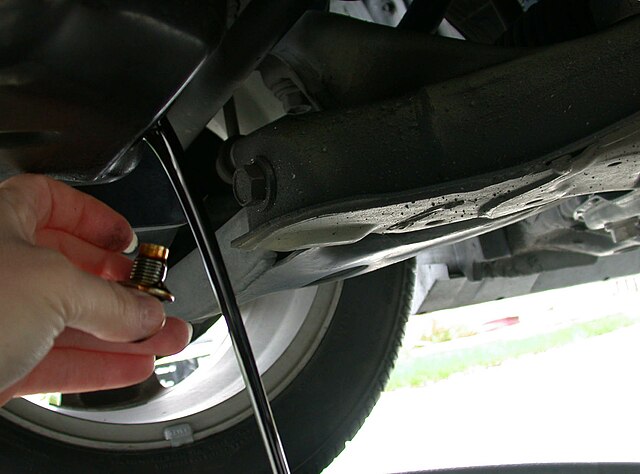

We’ve all been guilty of letting an oil change slide. Life gets hectic, the mileage ticks up, and before you know it, you’re wondering: How long can you go without an oil change? The short answer? It depends. While some cars can handle a bit of procrastination, skipping too many oil changes isn’t a gamble you want to take.
Let’s explore why oil changes matter, how to recognize the warning signs, and what happens if you push your luck.
Oil changes might seem routine, but they’re vital for your car’s health. Engine oil performs multiple essential functions:
Over time, oil breaks down and loses its ability to do these jobs effectively. That’s when trouble starts.
Fresh oil ensures your engine runs smoothly and efficiently, while neglecting oil changes can lead to:
Whether you’re using conventional or synthetic oil, follow your vehicle manufacturer’s recommendations for oil change intervals. While it’s tempting to stretch the time between changes, the risks to your engine’s performance and longevity aren’t worth it.

Pay attention to these warning signs that your car needs fresh oil:
Address these signs early to avoid bigger issues later.
Delaying oil changes can have serious consequences:
As the saying goes: Pay a little now, or pay a lot more later.
Sign up now to join the JEGS email newsletter and be the first to learn about new products, special deals and e-mail only offers!
The answer depends on several factors:
Refer to your owner’s manual for specific recommendations. Your car’s manufacturer knows exactly what your engine needs to perform at its best.
If you need to delay an oil change for a bit longer, follow these tips to protect your engine:
While additives can temporarily enhance oil performance, they’re no substitute for regular oil changes. Staying on schedule is the best way to ensure your engine stays healthy.

So, how long can you really go without changing your oil? The answer depends on your car, oil type, and driving habits. However, the risks of waiting too long are clear: engine damage, higher fuel costs, and even a voided warranty.
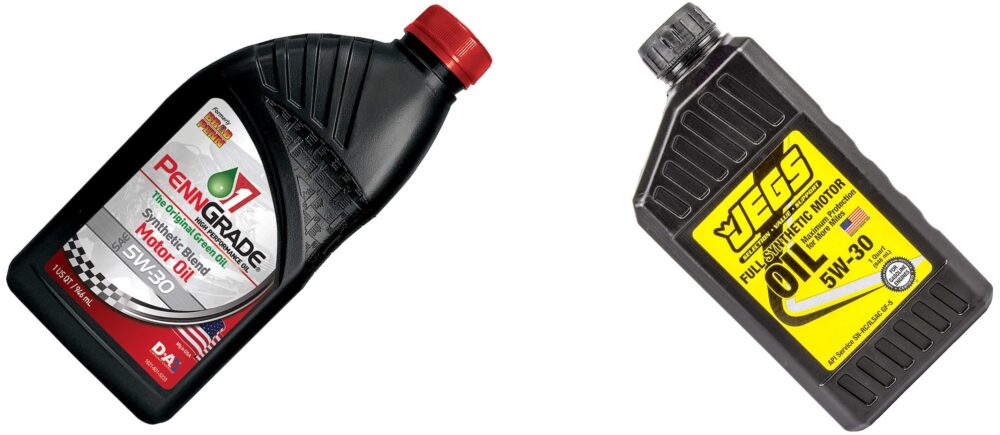
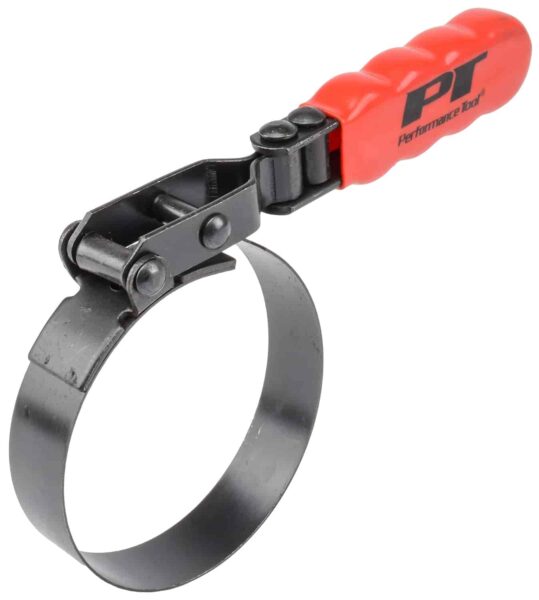
Regular oil changes are an easy and affordable way to keep your engine in top shape, avoid costly repairs, and ensure your vehicle performs its best. The next time you’re tempted to skip an oil change, remember: a quick trip to JEGS for engine oil and an oil filter beats dealing with a blown engine. Your car (and your wallet) will thank you.



Leave a Reply