Sign up now to join the JEGS email newsletter and be the first to learn about new products, special deals and e-mail only offers!

 3 People Found This Article Helpful


Breaking in a new camshaft is one of the most critical steps in any engine build. Proper break in determines how well the camshaft and lifters wear together, how long they last, and whether the engine delivers the performance you expect. Using the correct oil during this process is just as important as the break-in procedure itself.
COMP Cams break in oil is specifically formulated to protect new camshafts and lifters during those first crucial minutes and miles. This guide explains how long to run COMP Cams break in oil, why it matters, and what to do after the break-in period is complete.
During initial startup, a flat tappet camshaft and its lifters must establish a wear pattern. This process happens quickly and under high load. If lubrication is inadequate, the cam lobes can wear prematurely or fail entirely.
Modern engine oils often lack the zinc and phosphorus levels required for flat tappet camshaft protection. That is why break in oil exists. It provides elevated levels of ZDDP and other additives that protect metal surfaces during this high stress period.
While roller camshafts are less sensitive than flat tappet designs, proper break in oil is still recommended for new engines to protect bearings, rings, and valvetrain components.
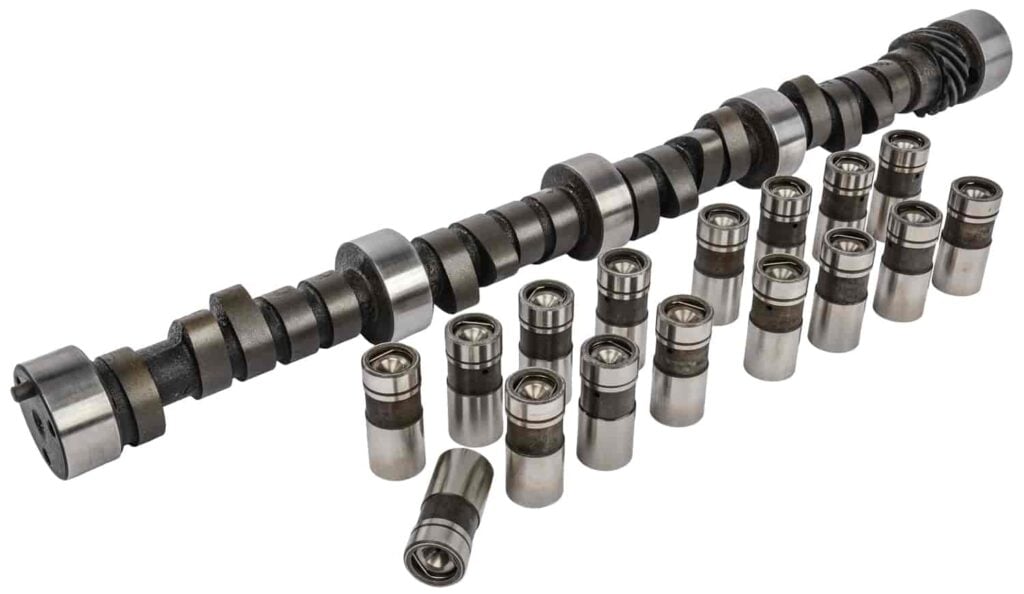
COMP Cams break in oil is a high zinc, non detergent oil designed specifically for initial engine startup and early operation. It is formulated to protect flat tappet camshafts, lifters, and other critical engine components during break in.
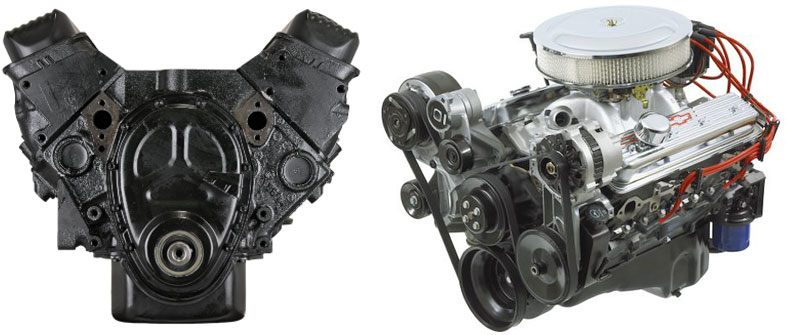
This oil is commonly used in classic small block Chevy, big block Chevy, Ford Windsor, and other flat tappet equipped engines. It is also frequently used in new builds with hydraulic roller cams to protect bearings and rings during initial run time.
For flat tappet camshafts, COMP Cams break in oil should be used during the initial startup and cam break in procedure.
This typically involves running the engine at 2,000 to 2,500 RPM for 20 to 30 minutes immediately after first startup. This sustained RPM helps splash oil onto the camshaft lobes and ensures proper lifter rotation.
During this period, COMP Cams break in oil should remain in the engine. Do not shut the engine off unless necessary, and monitor oil pressure, coolant temperature, and leaks closely.

Once the initial cam break in procedure is complete, the engine should be allowed to cool completely. At this point, it is recommended to drain the break in oil and replace the oil filter.
Metal particles and assembly residue can be present after initial startup, and removing them helps protect the engine moving forward.
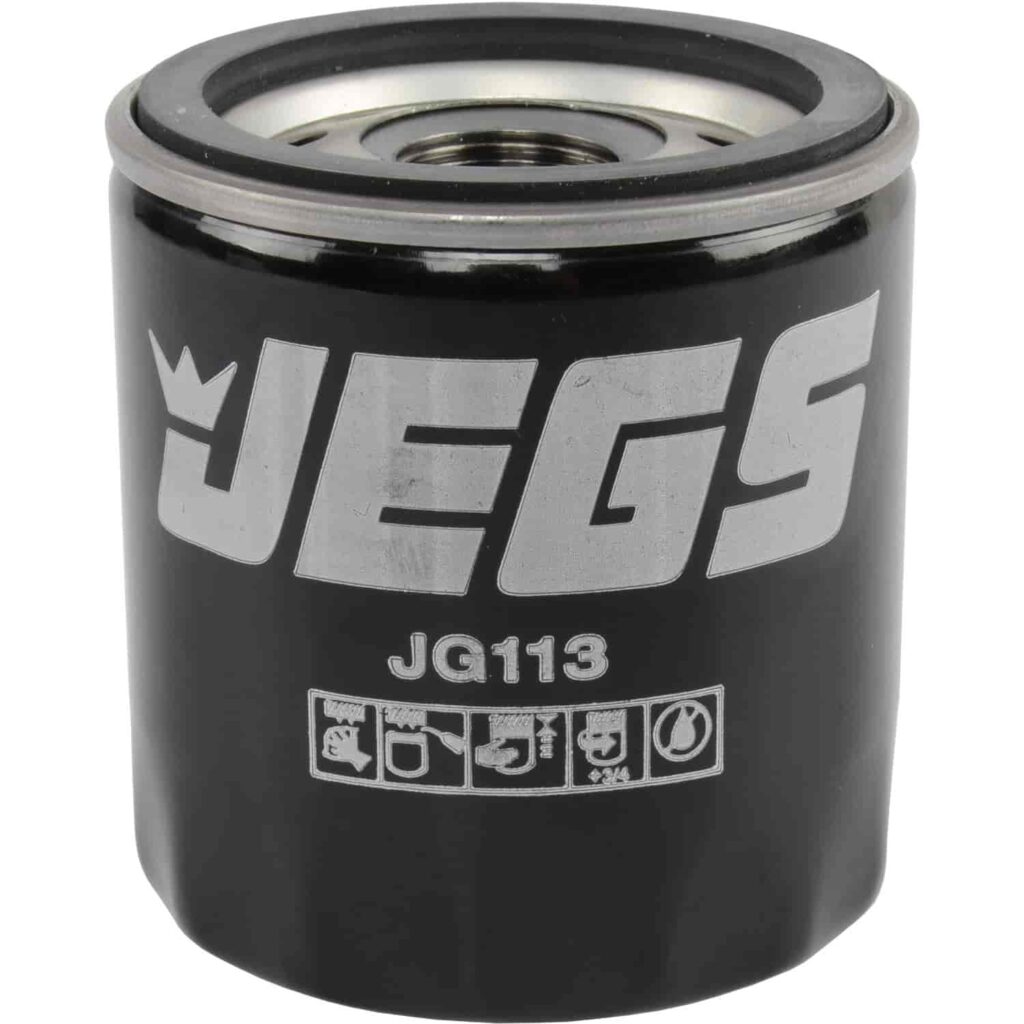
Some builders choose to run break in oil for a short driving period after the initial cam break in. This is common for freshly built engines where piston rings and bearings are also seating.
In most cases, COMP Cams break in oil should not be run longer than 100 miles. It is not designed for extended use and lacks the detergent package found in standard engine oils.
For engines with flat tappet camshafts, switching to a high zinc performance oil or adding a ZDDP additive is recommended after the break in oil is drained.
Sign up now to join the JEGS email newsletter and be the first to learn about new products, special deals and e-mail only offers!
Flat tappet cams are the most sensitive to lubrication during break in. COMP Cams break in oil is strongly recommended for these engines.
Failure to use proper break in oil can result in cam lobe wear within minutes of startup. Always follow COMP Cams recommended procedures when breaking in a flat tappet camshaft.

Roller camshafts do not require the same aggressive break in process as flat tappet cams. However, break in oil is still beneficial for protecting new bearings, rings, and other internal components.
For roller cam engines, break in oil is often used for initial startup and a short driving period before switching to standard performance oil.

Once the break in oil is drained, the next oil choice depends on camshaft type.
For flat tappet camshafts, a high zinc oil designed for classic or performance engines is recommended. Many builders continue using oils specifically labeled for flat tappet applications.
For roller cam engines, a high quality synthetic or conventional performance oil is typically sufficient.
Always follow COMP Cams and engine manufacturer recommendations when selecting oil.

Several common mistakes can shorten camshaft life:
Avoiding these mistakes greatly improves camshaft longevity.
In addition to break in oil, COMP Cams recommends proper assembly lube on cam lobes and lifter faces. High quality oil filters and correct valve spring pressures also play a role in successful break in.
All of these components are available at JEGS, making it easy to gather everything needed before starting your engine.

COMP Cams break in oil plays a critical role in protecting new camshafts and engine components during the most vulnerable phase of engine life.
For flat tappet cams, use break in oil during initial startup and drain it after the first heat cycle. Do not run it longer than necessary. For roller cam engines, break in oil is still a smart choice for early engine protection.
Following proper break in procedures and oil recommendations helps ensure long camshaft life and reliable performance.
Find COMP Cams break in oil and performance engine oils at www.jegs.com and give your engine the protection it needs from the very first startup!




Leave a Reply