Sign up now to join the JEGS email newsletter and be the first to learn about new products, special deals and e-mail only offers!

 2 People Found This Article Helpful


The 700R4 transmission is one of the most popular overdrive automatic transmissions ever produced by General Motors. Found in a wide range of GM cars and trucks from the early 1980s through the early 1990s, it remains a favorite for swaps and performance builds thanks to its overdrive gear and strong aftermarket support.
If you are working on a project vehicle or buying a used transmission, knowing how to identify a 700R4 transmission is essential. This guide explains how to confirm what you have and how to tell it apart from similar GM automatics.
The 700R4 is a four speed automatic transmission with overdrive. It was introduced in 1982 as a replacement for the TH350 and later evolved into the 4L60. Unlike the later 4L60E, the 700R4 is not electronically controlled. It uses a throttle valve cable for shift timing and line pressure control.
This transmission is known for its 3.06 first gear ratio, which provides strong off the line acceleration, and its overdrive fourth gear for improved highway cruising.
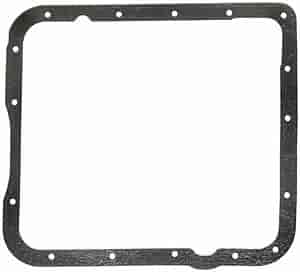
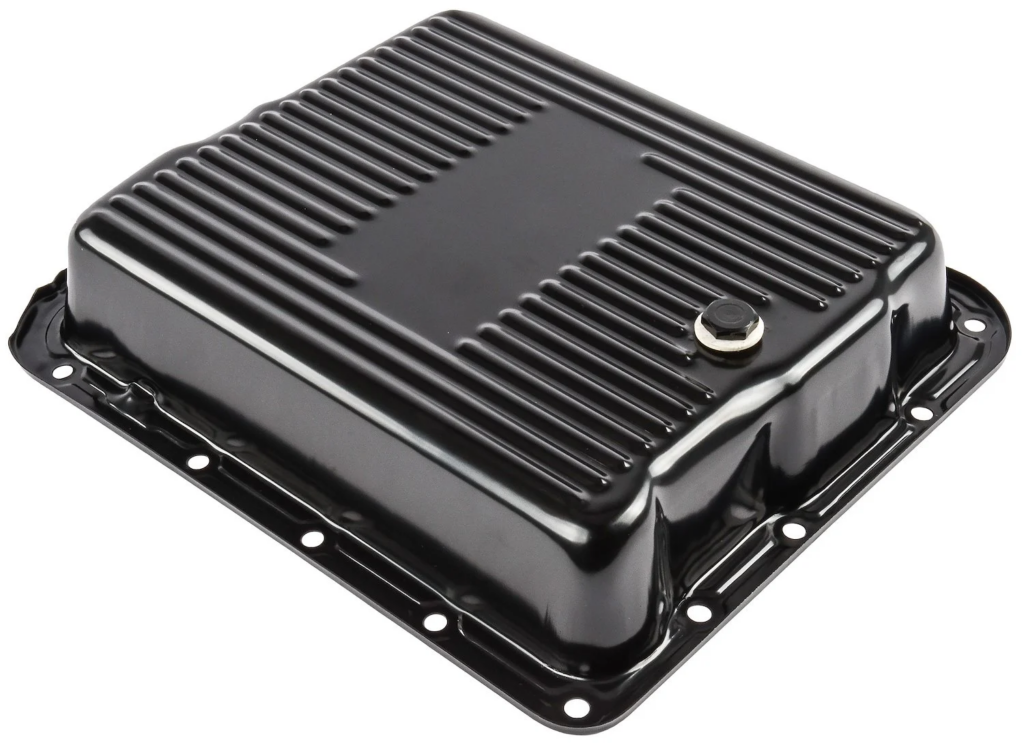
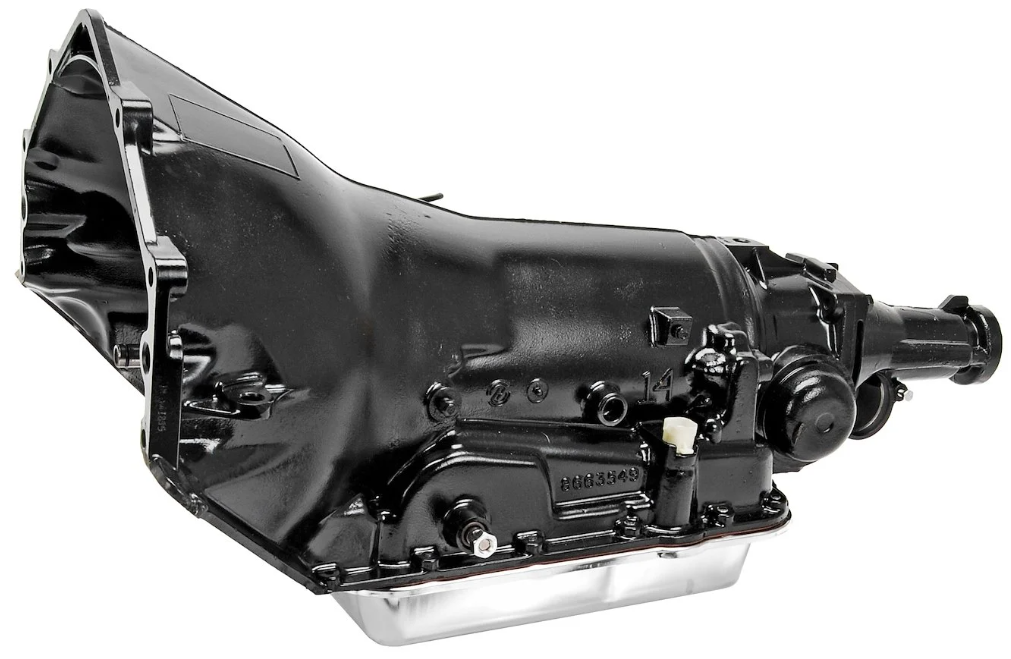
One of the easiest ways to identify a 700R4 is by looking at the transmission pan. The 700R4 pan is almost square and typically has 16 bolts securing the pan to the case.
For comparison, the TH350 has a more rectangular pan shape with an angled corner, while the TH400 has a distinctively shaped pan with a large hump.
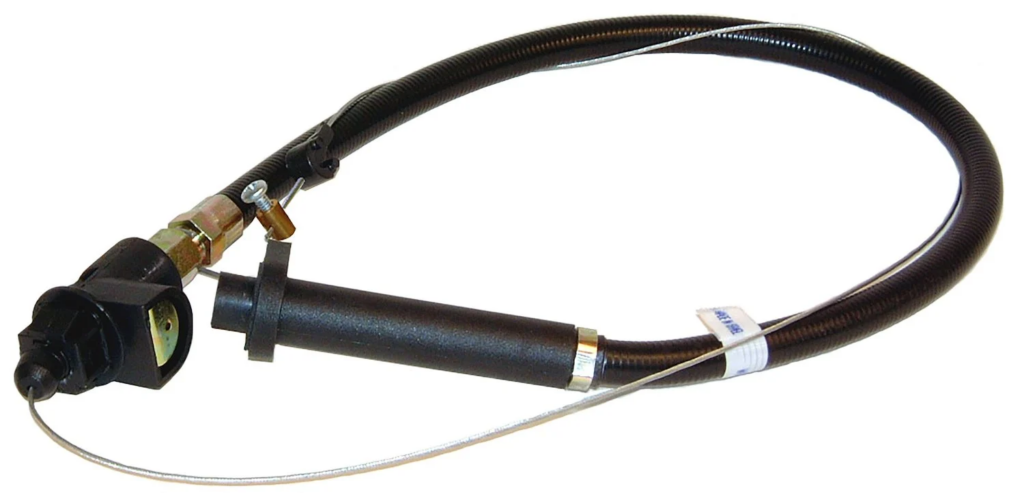
The 700R4 uses a throttle valve cable that connects from the transmission to the throttle body or carburetor. This cable plays a critical role in shift timing and transmission line pressure.
If you see a cable connected to the transmission that runs to the throttle linkage, it is likely a 700R4 or early 4L60. Later 4L60E transmissions do not use a TV cable because they are electronically controlled.
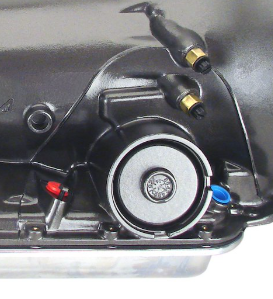
The 700-R4 transmission is longer than a TH-350 (around 3 inches) but shorter than some larger heavy duty units.
Check for casting numbers on the case. While casting numbers alone may not confirm the exact model, they can help narrow down production years.
Sign up now to join the JEGS email newsletter and be the first to learn about new products, special deals and e-mail only offers!
The 700R4 was produced with different output shaft lengths and tailhousing designs depending on vehicle application. Two wheel drive versions have a longer tailshaft housing, while four wheel drive versions are shorter and designed to connect to a transfer case.
Knowing whether the transmission came from a truck, SUV, or passenger car can help confirm identification.
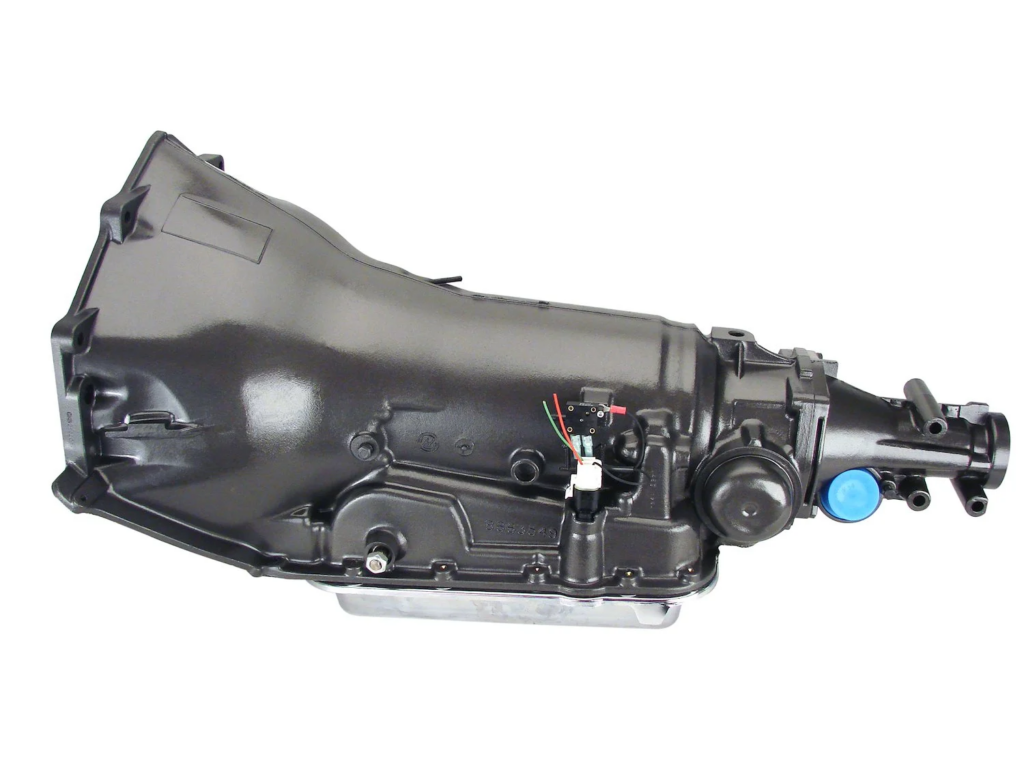
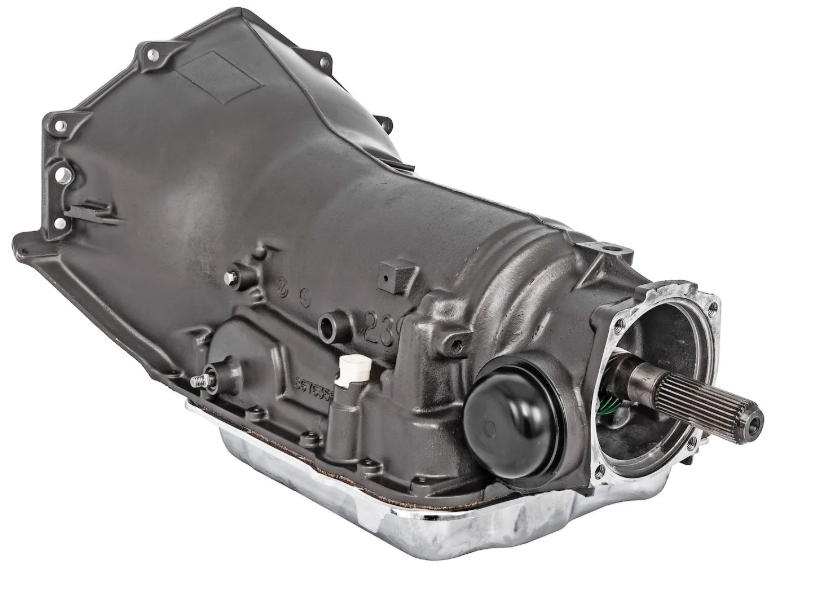
Some 700R4 transmissions have identification tags or stamped codes that indicate production year and application. These codes are typically found on the passenger side of the case or on a metal tag attached to the transmission.
Matching these codes to known GM references can help verify model year and configuration.
The 700R4 was renamed 4L60 around 1990. Early 4L60 transmissions are mechanically very similar to the 700R4 and still use a TV cable.
The 4L60E, introduced later, is electronically controlled and does not use a TV cable. It also has a different internal design and requires electronic control through an engine control module.
If the transmission has a large electrical connector on the case and no TV cable, it is likely a 4L60E rather than a 700R4.

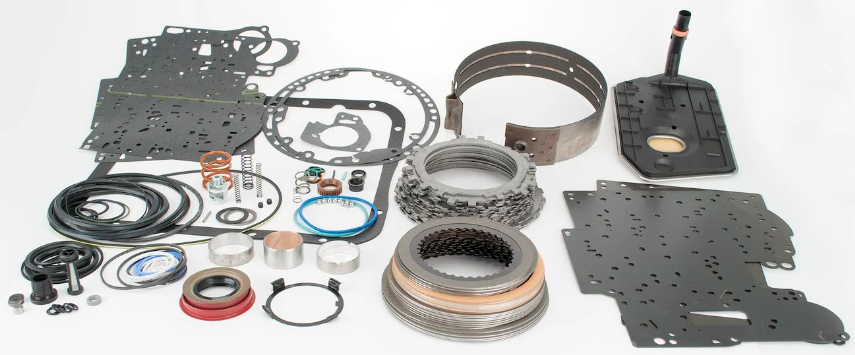
Accurate identification ensures you purchase the correct rebuild kit, torque converter, crossmember, driveshaft components, and transmission mount. Using incorrect parts can lead to installation problems or premature failure.
Whether you are rebuilding, swapping, or upgrading your transmission, confirming the model is the first step.
At www.jegs.com, you will find a wide selection of 700R4 rebuild kits, torque converters, transmission mounts, crossmembers, and performance upgrades designed to fit your specific application.
If you need help identifying your transmission or selecting the right parts for your build, the JEGS Tech Specialists are available to help you choose components that match your vehicle and performance goals.




Leave a Reply