Sign up now to join the JEGS email newsletter and be the first to learn about new products, special deals and e-mail only offers!

 2 People Found This Article Helpful


Drifting is exhilarating to watch and even more thrilling to master behind the wheel. When you’re in control, pointing your car exactly where you want as it slides sideways at high speeds with tires screeching and the engine roaring, you reach a whole new level of driving enjoyment. However, getting there takes practice, as drifting requires precise coordination of the throttle, brakes, and steering.
If you want to learn the basics of how to drift a car, this guide offers a general overview, from key techniques to the right car setup. You'll find tips on how to select the best car for drifting and insights into advanced techniques to master as you improve.
The first step in learning how to drift a car—and making the process much easier—is selecting the right vehicle. While many factors affect drift performance, here are the most critical ones:
Choose a rear-wheel-drive (RWD) car. Although it's possible to drift with a front-wheel-drive (FWD) vehicle, RWD offers much better control, predictability, and enjoyment. A proper drift car needs to be RWD to give you the control needed for smooth, consistent drifting.

While not essential, a self-locking or limited-slip differential makes drifting easier, more predictable, and controllable. Look for cars with this type of differential rather than an open one. Alternatively, some drifters weld open differentials to keep both wheels spinning at the same speed, making handling more predictable while drifting. However, this can affect daily driving by making turning more challenging and increasing tire wear as wheel hop will be the result. Beginners can still drift with an open differential, so don’t let this deter you from getting started.

Higher power makes it easier to lose traction and initiate a drift, which is why cars with powerful engines are common at drift events. However, for beginners, a moderately powered car provides a safer starting point, allowing more room for error and better control during practice. As you gain confidence, you can consider upgrading to a higher-powered car.

There’s always a chance of damaging a drift car, so it’s wise to start with a vehicle that’s affordable, widely available, and easy to repair. Choosing a car that’s popular among drifters means you'll have access to parts and a community of enthusiasts who can provide guidance and advice.
Drifting requires three main steps: initiating, maintaining, and exiting the drift. Mastering each phase will help you gain control and confidence as a new drifter.
To initiate the drift, approach the corner at a moderate speed in a gear that provides immediate power. Avoid low RPMs, as they’ll make the engine slower to respond. Just before reaching the corner, apply light braking to shift the car's weight forward, lifting the rear axle and setting up for the drift. Then, turn the wheel sharply into the corner to start the drift.
Once the car starts sliding, you need to control the drift through the corner. This involves balancing steering and throttle inputs: adding throttle increases the drift angle, while reducing it decreases the angle. Meanwhile, counter-steering (turning the wheel opposite the direction of the slide) helps control the drift’s direction. Mastering this balance is key to smooth, controlled drifting.
When the corner opens, it’s time to end the drift and return to straight driving. Ease off the throttle to allow the car to regain traction naturally, while gradually adjusting the steering to bring the car back in line. This phase requires finesse, as sudden inputs can cause a spin or loss of control.
Sign up now to join the JEGS email newsletter and be the first to learn about new products, special deals and e-mail only offers!
As you gain experience, you can start exploring techniques to maintain a continuous drift from one corner to the next, as well as various methods to initiate drifts more dynamically.
Once you’ve mastered single-corner drifts, learning to transition from one corner to another without ending the drift is your next challenge. This technique requires the right speed and angle; too much speed can lead to spinning out, while going too slow may cause understeer and loss of drift.
To execute a transition, over-rotate the car slightly as you exit the first corner, then lift off the accelerator to regain traction at the rear wheels. The car will start to rotate in the opposite direction. Allow the steering wheel to turn on its own, then catch it at the right moment and apply throttle again to maintain the drift through the next corner.

A clutch kick is a popular technique where you press the clutch pedal while maintaining throttle. Then, quickly release the clutch, causing a spike in RPMs. This sudden power boost breaks rear traction, initiating or enhancing a drift. This technique works best at moderate speeds and lower gears to prevent engine strain or over-revving.
For sharp corners, a feint drift (or Scandinavian flick) can help initiate the drift. Start by steering slightly away from the corner, then sharply turn into it. This opposite motion builds momentum, helping the car enter the drift with a higher angle and stability.
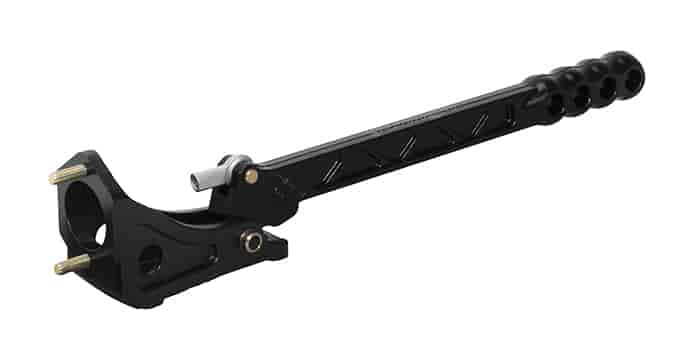
Using the handbrake to initiate a drift is common for front-wheel-drive cars but can also help with rear-wheel-drive models, especially in low-speed corners. To perform a handbrake drift, steer into the corner, then quickly pull and release the handbrake to lock the rear wheels and initiate the slide. Release the handbrake once the rear wheels lose traction to maintain the drift with throttle control.
Drifting is a skill that requires practice in a safe, controlled environment. A final important recommendation: never drift on public or busy roads, as this is illegal and dangerous. Instead, practice in dedicated spaces such as drift tracks, racing circuits, or closed-off courses. These venues offer the safety and support needed to learn and refine your skills.
Once you’re set on your drift car, check out the wide range of aftermarket parts and accessories available at JEGS to customize your setup. From performance tires to suspension upgrades, JEGS offers the products you need to improve your drift performance. The team at JEGS is ready to help you choose the right parts and answer any questions you have, so don’t hesitate to reach out.



Leave a Reply