Sign up now to join the JEGS email newsletter and be the first to learn about new products, special deals and e-mail only offers!

 23 People Found This Article Helpful
Key Takeaways

When you're making repairs to your vehicle, you have two options: OEM parts and aftermarket. Auto enthusiasts have long debated OEM vs aftermarket parts and which is the right option, and the truth is that it depends.
Before you buy parts for your car, get to know the differences between OEM and aftermarket parts. Then you'll understand when each option is best for your situation.
In this guide, you'll learn what each part type is, how OE differs from OEM, and how aftermarket parts affect your warranty. You'll also get a step-by-step process for weighing OEM car parts vs aftermarket options on your next job.
When you're ready to upgrade, JEGS carries a broad selection of high performance aftermarket parts, tools, and garage gear for car and truck projects.
OEM parts are the products that come standard on your vehicle off the factory line. OEM stands for original equipment manufacturer, and many people wonder what OEM parts are and why they're often recommended.
These parts have been carefully tested and verified to be compatible with your vehicle. When you use OEM parts, no research is necessary once you get the right match, because it's the only OEM option available for your vehicle.
OEM components must meet industry standards, and they're built for durability. By investing in OEM components, you get parts that behave and look exactly like the originals. That's a good thing if you don't know how to judge part quality yourself. The tradeoff is that OEM components often come with a higher price tag than aftermarket products do.
Automakers don't build every part themselves. Many OEM parts come from Tier 1 suppliers and are sold in the automaker's "Genuine" branded boxes. Some OEM part numbers also get superseded by updated versions over time.
You'll typically source OEM parts through a dealer. Some brands JEGS carries specialize in original-equipment service parts, such as ACDelco parts.
So, what are aftermarket parts? An aftermarket car part is a component that's made by a company other than the original car manufacturer. These components are produced by hundreds of different manufacturers and offered at a wide range of quality levels.
Many are more affordable than OEM parts are, and some offer a lower cost while meeting the same quality as the OEM components.
It's important to realize that aftermarket components aren't as closely regulated as OEM parts are. Many of these parts are high quality, but some are inferior to their OEM alternatives.
When you're working with aftermarket components, be careful to research the brand and learn about the specific products, too. By relying on parts from proven aftermarket brands like JEGS, you get access to components that will enhance your vehicle.
When you're looking at different aftermarket components, consider the warranty offered for the product as well as the specific features and the materials used. If you're willing to spend the time on this research, you can identify high-quality components that will work well on your vehicle.
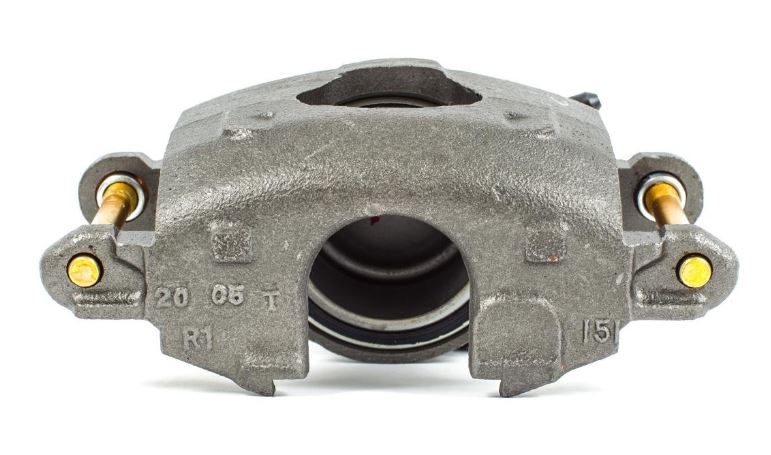
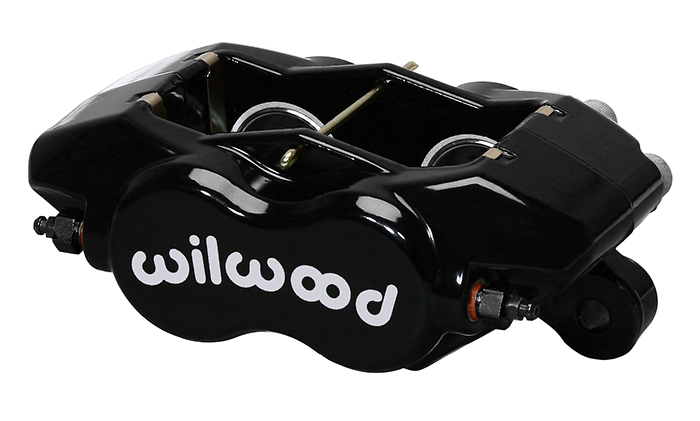
Aftermarket parts fall into two broad groups. Direct-fit OE-style replacements are built to match factory fit and function, so they're a common pick for everyday repairs. Performance upgrades are engineered to exceed stock in specific areas, like braking, starting, handling, or exhaust flow.
These three terms get mixed up a lot, especially when you're comparing OEM vs OE on a parts listing. OE (original equipment) is the part installed on your vehicle at the factory. OEM is the same part, or its updated version, sold as a replacement by or for the automaker.
Aftermarket is any part made by another company. So, is OEM aftermarket? No, but some aftermarket parts are labeled "OE-style" or "OE replacement," which means they're built to match factory fit.
| Factor | OEM Parts | Aftermarket Parts |
|---|---|---|
| Who Makes It | The automaker or its suppliers, sold under the automaker's brand | Companies other than the original vehicle manufacturer |
| Price | Often higher | Many options cost less; premium performance parts can cost more than OEM |
| Selection | Typically one OEM option for your vehicle | Many manufacturers and a wide range of options |
| Fit | Matches the original part | OE-style parts are built to match factory fit; confirm year, make, and model |
| Availability | Often sourced through dealers; some parts face delays or backorders | Many suppliers, so parts are often easier to get quickly |
| Quality Range | Consistent and built to match the original | Wide range, from inferior to superior; research the brand |
| Performance Potential | Matches stock | Performance upgrades can exceed stock |
| Warranty | Set by the automaker | Varies by brand; some products may have no warranty |
OEM vs. aftermarket parts at a glance. Quality, price, and warranty vary by brand and part, so check the details before you buy.
Not just because you installed them. Under the federal Magnuson-Moss Warranty Act, an automaker can't void your warranty just because you used an aftermarket part.
However, the automaker can deny coverage for damage the part caused. For example, if a defective or improperly installed part damages another component, that repair may not be covered.
A few simple habits help protect you:
OEM components are the right choice in some circumstances, and aftermarket parts are better in others. Depending on your repair or upgrade, you'll have to decide which option is best. Here's where each one tends to make the most sense.
Most insurance companies prefer that drivers and garages use OEM components when repairing a vehicle that's covered by insurance. This is especially important when you're having repairs done after an accident that wasn't your fault.
Insurers generally prefer OEM components because they're more closely regulated and aren't considered as much of a risk as aftermarket components. Even though OEM parts are generally required for insurance repairs, you can ask about aftermarket parts. In some cases, you can use an accident as a way to upgrade your vehicle.
OEM also makes sense if your vehicle is leased or still under its new-car warranty, where the terms may call for factory parts. The same goes for advanced sensors, modules, and ECUs, which may need exact specs or dealer programming to work correctly.
Not sure which aftermarket brands to trust or which part specs are best for your vehicle? OEM parts are the simple solution. You know you're getting the original quality your vehicle started with.
OEM components are more carefully regulated, so you don't have to worry about reducing your vehicle's quality.
Sign up now to join the JEGS email newsletter and be the first to learn about new products, special deals and e-mail only offers!
One of the best ways to reduce the cost of a vehicle repair is to invest in an aftermarket component instead. Choose a well-regarded brand that uses similar materials and offers a respectable warranty, and you can save money while fixing your vehicle.
Be careful to avoid parts from companies with a poor reputation. Also, avoid working with companies that don't warranty their products at all. If you're careful when choosing the source of your aftermarket components, you can avoid the most common problems while saving money on your repairs.
Planning a bigger project? See where it pays to spend and where to save in our look at a budget vs performance engine build.
OEM components are generally more difficult to obtain than aftermarket parts. This is because OEM products are made by a single manufacturer, and aftermarket parts are made by dozens of different companies.
With so many different suppliers to choose from, it's easier to get repair parts faster when you opt for aftermarket components. Many OEM parts come with a delay when they're ordered, and some may be back ordered or difficult to obtain at all.
Before you order, confirm fitment by your vehicle's year, make, and model so the part that shows up is the part you need.
An aftermarket car part can save you money on a vehicle upgrade, and it can also enhance the quality of your ride. Whether you're outfitting your vehicle for intense off-roading or you want performance improvements on your sports car, aftermarket parts can outperform OEM components.
So, are OEM parts better than aftermarket? Not when you're chasing performance. Many aftermarket components are made from better materials and engineered to perform at a higher level than the OEM component.
Many of these superior aftermarket components cost more than the OEM part. In return, they often come with better warranties, superior materials, and a better-engineered design. Getting familiar with companies that stand behind their products and deliver peak performance will help you get the best results with aftermarket parts.
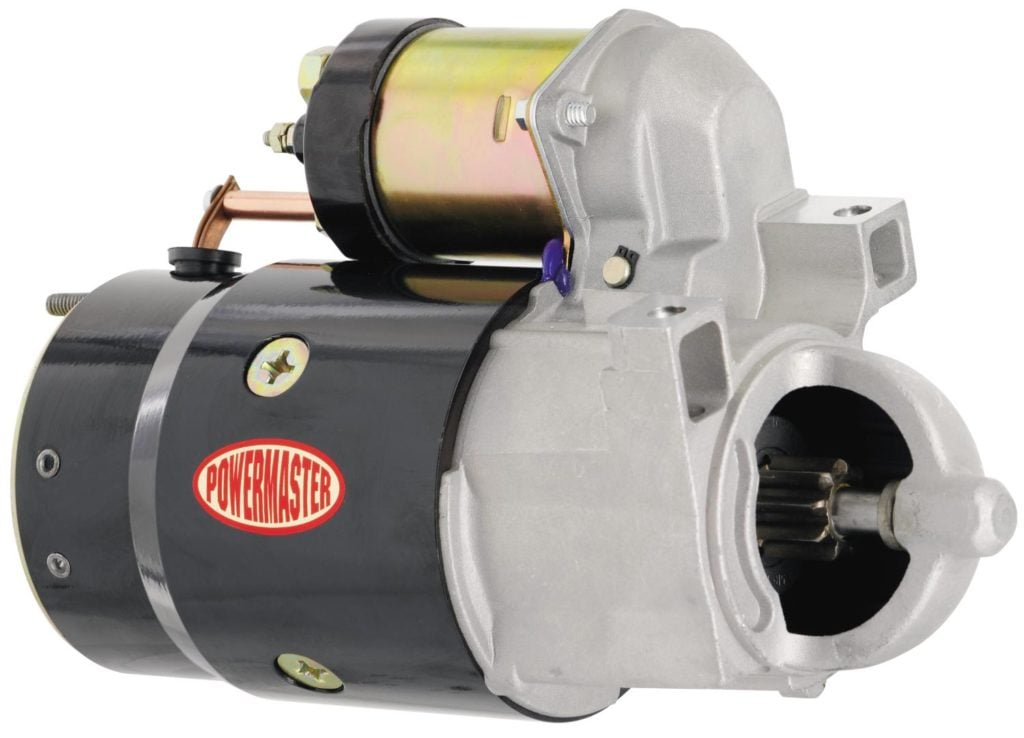
Here are a few common upgrades where aftermarket parts can beat stock:
Not sure where to start? Our guide covers which performance car parts are worth it for your budget.
Use these six steps whenever you're weighing your options for a repair or upgrade.
1. Define the job. Decide whether you're making a repair, handling routine maintenance, or planning an upgrade. A straight repair or maintenance job usually points you toward OEM or an OE-style aftermarket replacement. An upgrade opens the door to performance parts built to exceed stock.
2. Check warranty, lease, and insurance requirements. If your vehicle is leased, still under its new-car warranty, or part of an insurance claim, review those terms before you buy. Insurers often prefer OEM components for covered repairs, and your lease may have its own rules about modifications.
3. Rate how safety- or electronics-critical the part is. Sensors, modules, and ECUs may need exact specs or dealer programming, so OEM is often the simpler path. For safety-critical systems like brakes and steering, buy only from proven brands.
4. Set your goal and budget. Decide whether you want to match stock or beat it. Factory-backed Chevrolet Performance parts offer a middle ground between OEM and aftermarket. For power-focused builds, our guide on how to increase horsepower can help you plan.
5. Research the brand, materials, and warranty. Aftermarket components aren't as closely regulated as OEM parts, so the brand matters. Look at the materials, the specific features, and the warranty offered for the product. Avoid companies with a poor reputation or no warranty at all.
6. Confirm fitment and factor in install time. Check the part against your vehicle's year, make, and model before you order. Then think about labor: will you install it yourself, or will you pay a shop for the time?
Once you've worked through all six steps, the right choice for your job is usually clear.
Quality aftermarket car parts can match or beat OEM, but a few common mistakes can cost you time and money. Here's what to watch for:
Both OEM and aftermarket automotive components can work well in specific situations. Neither is best for every circumstance, so it's important to understand the benefits and downsides of each.
When you're weighing OEM vs aftermarket parts, consider your budget, how soon you need the repair, and the availability of parts. Insurance, warranty, and lease terms may also point you toward OEM.
If you want high-quality aftermarket upgrades for your vehicle, JEGS offers high-performance products. JEGS parts are warranted and built to last, and you can order upgraded components through our online store and catalog for convenience.
Shop JEGS for the parts your next project needs, then keep learning with more JEGS tech articles. Read More
It depends on the job, since OEM is the simple choice for collision and in-warranty repairs. For many repairs and upgrades, quality aftermarket parts, like performance brake parts, match or beat OEM.
They usually match in spec, but OE is the factory-installed part, while OEM replacements may be updated versions. Some aftermarket lines, like Hawk Performance brake pads, include OES-style replacement pads.
Under the Magnuson-Moss Warranty Act, installing an aftermarket part can't void your warranty by itself, but damage the part causes may not be covered. That means brake master cylinder upgrades won't void your coverage on their own.
Many bolt-on aftermarket parts are DIY-friendly if you have the right tools and follow the instructions. A good first project is learning how to change brake pads.


Leave a Reply