Sign up now to join the JEGS email newsletter and be the first to learn about new products, special deals and e-mail only offers!

 291 People Found This Article Helpful


Welcome to our ultimate guide to 5.3L engine performance upgrades. Here, we’ll detail everything you need to know to take your 5.3 to the next level.
We’ll start by reviewing the engine power limits of the different 5.3 generations. While they maintain the same general design, some variants offer different engine tech that may influence your performance goals.
Next, we’ll share five basic 5.3 bolt-on performance upgrades that are relatively easy to perform and will yield some noticeable gains. Finally, we’ll reveal five larger performance upgrades for 5.3 drivers wanting to get the most out of their rides.
Let’s get started.
First up, engine power limits, and thankfully, there are many custom rides on the road safely pushing 450-500 horsepower with aftermarket 5.3 bolt-on performance mods. Some 5.3s even cross into the 1,000+ range, but require many internal upgrades like forged pistons, upgraded connecting rods, a more robust camshaft, etc. to bolster durability.
Here’s a quick breakdown of the 5.3’s evolution since its debut:

Before diving into aftermarket options, it’s worth noting that several factory-based upgrades, such as swapping the L83 intake for the L86 version, can also provide noticeable performance gains when combined with proper tuning.
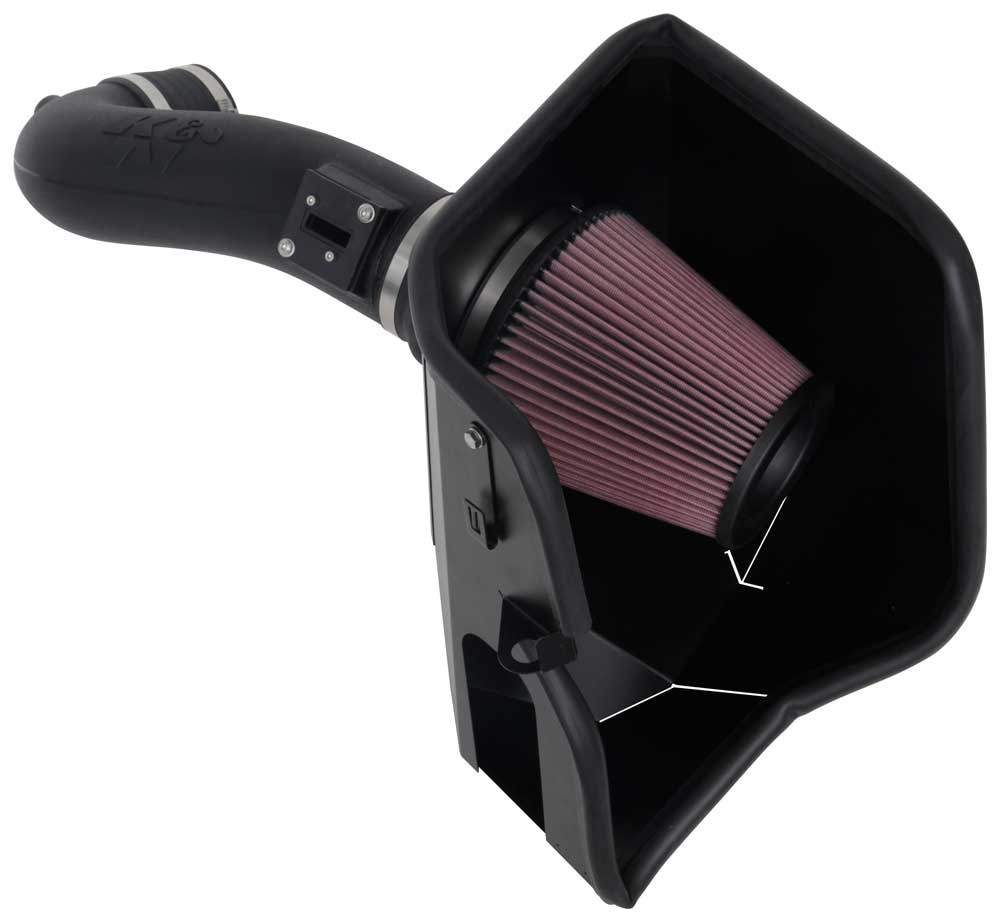
A fundamental and easy 5.3 bolt-on performance upgrade is replacing the stock air intake with a high-performance cold-air intake system. Brands like K&N are renowned for their quality cold-air intakes, which improve airflow to the engine. This enhancement allows the engine to breathe easier, resulting in better throttle response and a modest increase in horsepower.
The next 5.3 performance parts upgrade involves replacing the stock exhaust system. Performance exhausts from brands such as Magnaflow, Gibson, Flowmaster, and Borla make kits for the 5.3. These systems reduce exhaust backpressure, allowing the engine to expel exhaust gas more efficiently, boosting horsepower and torque while also adding a more aggressive exhaust note.

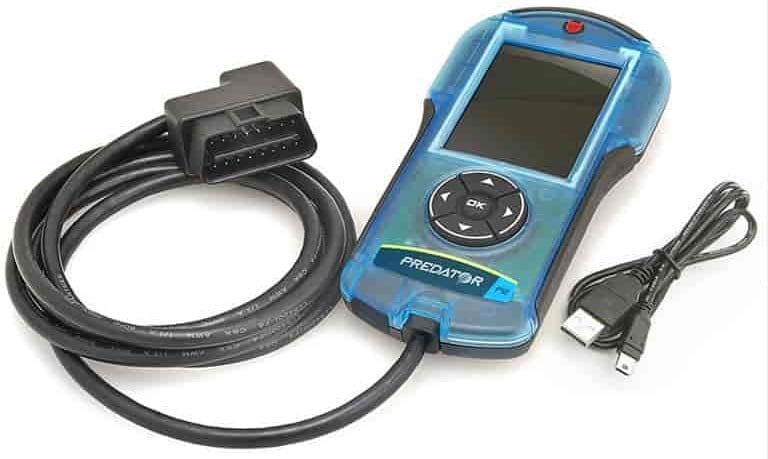
Tuning the engine's computer with a flash tuner, like the DiabloSport Predator P2 or the Bully Dog GT Platinum, is a quick way to boost performance. These devices can adjust parameters like fuel mixture, ignition timing, and rev limits, unlocking more power and improving fuel economy.
Upgrading to a high-performance throttle body, like this Silverado/Sierra Powr-Flo option from Jet, can increase airflow to the engine. This results in quicker throttle response and increased horsepower, especially when combined with other modifications like a cold-air intake.

The final basic modification is upgrading the fuel injectors. Brands like AUS and ACDelco offer direct-fit kits for the 5.3L engine. Performance fuel injectors provide a more precise fuel delivery, improving the engine's efficiency and power, particularly in high-demand situations like towing a heavy load or roasting tires at the track.

Sign up now to join the JEGS email newsletter and be the first to learn about new products, special deals and e-mail only offers!
Not every performance gain requires an aftermarket part. In fact, swapping certain factory components can deliver solid results for a relatively small investment. One proven option is upgrading the L83 5.3L intake manifold to the L86 intake and throttle body combination. This setup improves airflow and midrange torque, especially when paired with a custom tune.
If you’re planning a DoD/AFM delete, doing the intake swap at the same time makes sense since both upgrades complement each other. You’ll gain consistent power across the rev range while maintaining OEM drivability and reliability. Just remember that the throttle body and wiring connectors may differ slightly between the two intakes, so a compatible adapter or harness might be needed depending on your setup.
JEGS offers tuning options from brands like DiabloSport and Bully Dog, which help you dial in your fuel and timing after the swap for the best results.
Many Gen V 5.3L engines feature Active Fuel Management, which helps fuel economy but limits performance potential and long-term reliability. When upgrading for more power, deleting AFM/DoD is a common step that replaces the factory lifters, valley cover, and camshaft with non-AFM versions.
Pairing this delete with a performance camshaft can make a big difference. A mild cam designed for street performance offers a noticeable bump in power without sacrificing idle quality or drivability. JEGS carries components from BTR, Comp Cams, and Lunati, all of which offer kits suited for daily drivers or more aggressive builds depending on your goals.
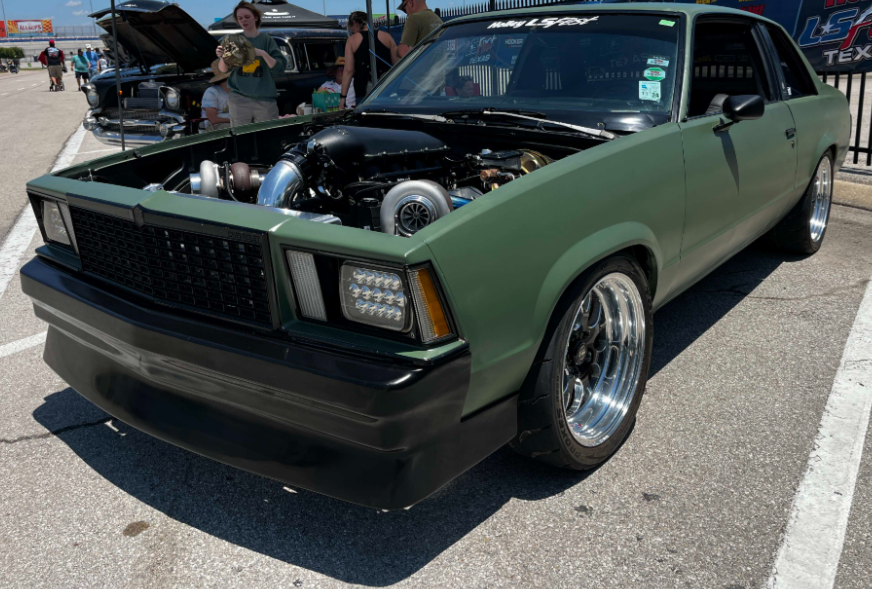
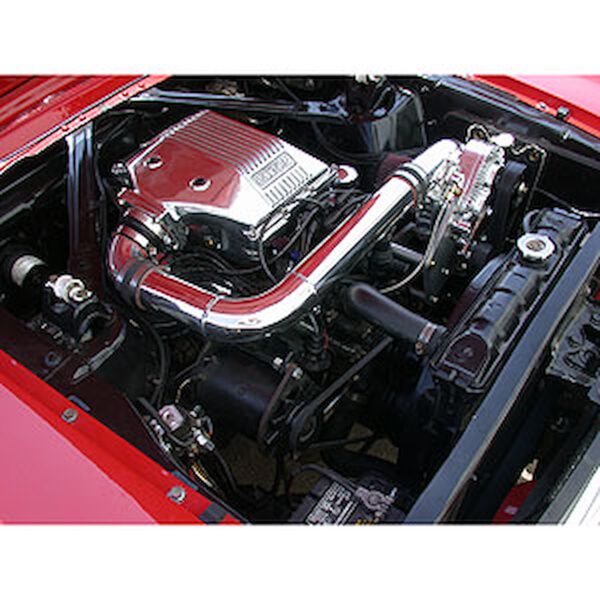
If you’re really looking to upgrade a 5.3, forced induction (supercharger or turbocharger) is a great way to go. This modification significantly increases the amount of air entering the engine, enhancing combustion and power output. While more complex and costly than basic bolt-on upgrades, the return in terms of horsepower can be massive (get 45-50% extra with a 5.3 supercharger kit from ProCharger).

Forged pistons are another 5.3 engine upgrade worth your while, especially in setups boasting more than 500 horsepower. They're robust, with stronger wrist pins, thicker ring lands for durability, and additional valve reliefs for accommodating larger cams. Forged Dome Nitrous pistons from JE are a top-tier option for those looking for the ultimate 5.3 performance setup with increased compression for race setups.

Upgrading to a performance camshaft dramatically enhances valve timing in the 5.3L engine, leading to massive power and response improvements. A camshaft with higher lift and longer duration ensures optimal airflow. Comp Cams offers camshafts for the 5.3, each designed to boost torque and horsepower and pair especially well with direct-injection 5.3 variants like the L83.

Reinforcing the 5.3 engine with a high-performance crankshaft is key for engines exceeding 500 horsepower, especially with forced induction or nitrous systems. A forged or billet crankshaft withstands higher torque and stress, preventing failure in demanding conditions. This upgrade is important for maintaining engine integrity and performance in highly modified builds.

No list of 5.3 performance parts upgrades would be complete without suggesting a nitrous oxide system. Nitrous Express is a popular name known for their universal nitrous systems catering to all sorts of custom builds. Nitrous systems deliver an immediate boost in horsepower and torque, providing a significant edge during high-performance situations. They are relatively easy to install and offer a cost-effective way to dramatically increase engine power.

Whether you’re upgrading the intake, adding a cam, or deleting AFM/DoD, a proper tune is essential for getting the most out of your 5.3L. The factory ECU isn’t programmed to take full advantage of increased airflow or modified valve timing, which means power gains can be left on the table without recalibration.
For most bolt-on setups, a handheld flash tuner from DiabloSport, Bully Dog, or Superchips can handle basic adjustments to ignition timing, throttle response, and air/fuel ratios. If you’ve gone deeper with cam or intake modifications, a professional tuner using software can fine-tune your setup for maximum performance and reliability.
Tuning isn’t just about horsepower, it’s also key to maintaining drivability and keeping your fuel trims, idle, and transmission behavior smooth and consistent after upgrades.
In this guide, we’ve outlined 10 impactful bolt-on upgrades for the 5.3 325 engine. Starting with foundational mods like cold air intakes and performance exhausts, these enhance efficiency and sound. Flash tuners and performance throttle bodies further refine power.
For serious power gains, consider larger upgrades like forced induction for a substantial increase in horsepower, and nitrous oxide systems for a quick performance boost. Adding forged pistons ensures durability under this enhanced power, and a camshaft upgrade optimizes valve timing for even greater efficiency and response.
No matter the 5.3 bolt on performance mods you opt for, remember to balance these power upgrades with the engine's power limits and overall durability. While you may be able to squeeze 1,000 horsepower out of a 5.3, you’ll surely run into durability issues without the right upgrades.
Ready to take your 5.3 to new highs? Consider JEGS for all your performance automotive needs. Our massive selection of quality performance auto parts is sure to include just what you need. Complete your order online and have your products sent straight to your garage.
Still have questions? Contact our team today.


Got a 2023 Chevy Silverado with the 2.7l and I would like to swap it too a 5.3 V8 but trying to see if it would be a stretch considering how much would have to be changed. Lmk

Josh, swapping a 5.3 V8 into a 2023 Silverado that originally came with the 2.7L turbo four cylinder would be a much bigger project than most people expect. On the older trucks this type of swap was fairly common, but on the newer GM platforms the engine, transmission, electronics, and security systems are all closely integrated. The 2.7L trucks use different engine mounts, wiring harnesses, computers, and calibration compared to the 5.3 equipped trucks. You would also be dealing with the ECM, body control module, and the truck’s anti theft and communication networks, which all have to match the engine and transmission combination. In most cases the transmission, cooling system components, exhaust system, accessory drives, and fuel system pieces also differ between the 2.7L and 5.3 trucks. Because of that, the swap usually ends up requiring a large list of factory parts from a V8 truck along with programming work to make everything communicate correctly. By the time the engine, electronics, mounts, exhaust, cooling system, and calibration are addressed, it often becomes more expensive and complicated than most people expect. From a practical standpoint, many builders find it more realistic to either modify the 2.7L with tuning and bolt on upgrades or start with a truck that already came with the 5.3 from the factory. If you would like to talk through the options and what would realistically be involved with a swap like that, give us a call at 1-800-345-4545 and speak with a Tech Specialist and we will be glad to help.

I have a 2017 GMC with the 5.3 liter. It’s a manufactured engine from jasper with the afm deleted internally as well as computer. I wanted to run a pro charger and try to get between 600 to 800 horses out of the engine but don’t know which route to go that’s gonna save me money. I hate to start breaking down the engine to add a bunch of expensive upgrades. What do I need to get it right without killing my engine?
John, you are thinking about this the right way, because on a 2017 5.3 the difference between a fun boosted setup and a short lived one usually comes down to fuel, tuning, and heat control, not just bolting on the blower. The money saving route is to set a realistic goal and build the supporting pieces once, the first time. In general, getting to the low 600 horsepower range can be doable on a healthy stock style bottom end with a ProCharger setup if boost is kept reasonable and the tune and fuel system are truly dialed, but pushing toward 700 to 800 horsepower typically crosses into “built engine” territory where upgraded pistons and rods, tighter ring gap control for boost, and more fuel volume become the difference between reliable and broken. The big item on your truck is fueling because the 2017 5.3 is usually a direct injection combo, so you need enough injector and high pressure pump capacity for boost, plus a proper in tank pump and clean fuel supply, and many higher power builds also add supplemental port fuel injection when chasing big numbers. You will also want a real intercooler setup, colder plug heat range, excellent ignition health, a known good wideband O2 for logging, and a reputable tune using a platform like HP Tuners or EFI Live so you are not guessing. Since your engine is a Jasper reman with AFM already deleted, the other huge money saver is confirming exactly what Jasper built it with, because if it is stock style cast pistons and stock style rods, planning for 600-ish and keeping it conservative is a very different plan than chasing 800. To be accurate on what you need without overspending, the missing info is your exact engine code, what Jasper used for pistons and rods, what fuel you plan to run, what transmission you have, and whether you want this as a daily driver or more of a weekend setup. If you want, call us at 1-800-345-4545 and speak to a tech specialist to handle any additional questions you might have.

I am really disappointed in this write up. You go from minor bolt-ons that do very little, straight to forced injection. The simple fact that swapping the L83 intake with the L86 intake, throttle body and new Air tube reusing the factory air box with a new tune of course. Puts out more performance, but I guess Jegs can’t make any money off swapping factory parts. I was lookin into doing the DoD/AFM delete and doing the intake swap at the same time. Sadly there isn’t much information available .
Hi Scott, thanks for taking the time to share your thoughts, which is great feedback. You’re absolutely right that swapping the L83 intake for the L86 intake, throttle body, and air tube is a worthwhile upgrade. That combination can noticeably improve airflow and midrange torque when paired with proper tuning. While our article focused mainly on aftermarket bolt-ons and larger power adders, OEM component swaps like the L86 intake are solid, budget-friendly options that many builders use successfully, especially when doing a DoD/AFM delete at the same time.
For what you’re describing, the L86 intake and throttle body upgrade works best when you combine it with a quality tuner to recalibrate airflow and fuel tables, since the larger throttle body and intake will change the way the engine meters air. JEGS carries tuners from DiabloSport, HP Tuners, and Bully Dog, which can help unlock the benefits of that swap. Pairing that with a DoD/AFM delete kit from BTR or Comp Cams will give you better reliability and consistency at higher RPM.
You’re not wrong that there isn’t a ton of detailed information online about factory part swaps like this, especially across L83 and L86 platforms, because they’re both part of the Gen V architecture but have different airflow and control strategies. If you’re doing both the intake swap and DoD/AFM delete, it’s smart to plan the calibration ahead of time to keep drivability smooth and prevent check-engine codes.
If you’d like, our tech specialists can walk you through the exact parts and tuning considerations for your setup and make sure everything matches. You can reach them at 1-800-345-4545 for help planning the combination that’ll give you the best results without spending more than necessary.

I have a 2011 Avalanche 5.3 flex fuel and of course the lifters are ticking at 180,00p miles. I want more performance of course but can I just do a top end kit like heads and camshaft. Maybe shorty headers but would really like to be able to still use flex fuel for the e-85 octane ratings. Or do I need to start over withe a complete crate engine and computer? Thanks
Hi Michael, the ticking lifters you’re hearing at that mileage are a common problem with the AFM (Active Fuel Management) setup on the 5.3 flex-fuel engines. If you want more performance and reliability, the first step most people take is addressing that AFM system. That usually means deleting the AFM lifters altogether, because simply putting a new cam and heads on top of a worn-out bottom end with AFM still in place can lead to the same problems coming back.
If your short block is in good shape and compression is still solid, you can absolutely add a camshaft and better heads, along with shorty or long-tube headers, and keep flex-fuel capability. The stock ECU can be retuned to handle those upgrades while still running E85, but the tune is critical. If you want to stay on budget and not tear down the whole engine, an AFM delete with a mild performance cam, upgraded lifters, and valve springs paired with headers and a good tune will give you a noticeable jump in power while keeping drivability.
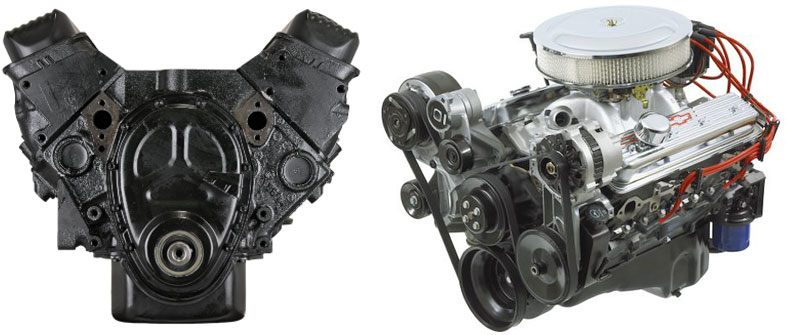
On the other hand, if you’re aiming for a long-term solution and don’t want to worry about mileage wear or AFM failures, a complete crate engine with AFM deleted from the start plus a fresh ECU or tune might be the smarter investment. That route costs more up front but saves headaches down the road, especially if you’re chasing higher performance numbers.
If you want help deciding between a top-end build and a full crate swap, I recommend giving us a call at 1-800-345-4545 to talk with a JEGS tech specialist. They can go over your budget, power goals, and whether keeping the original short block is realistic in your case.



Leave a Reply