Sign up now to join the JEGS email newsletter and be the first to learn about new products, special deals and e-mail only offers!

 3 People Found This Article Helpful
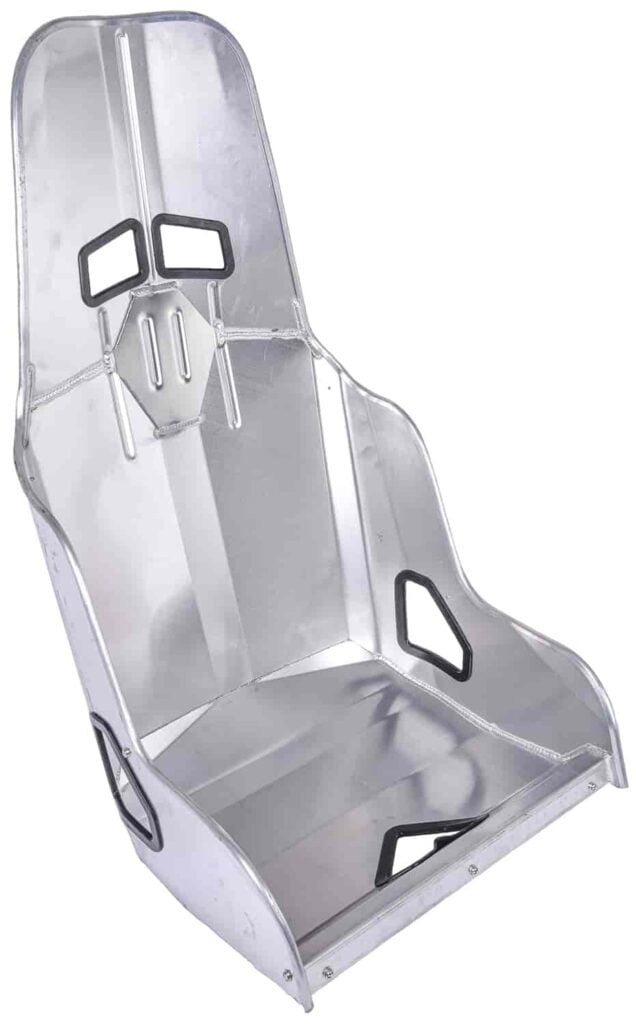

A bucket seat is a contoured seat built for one person, with raised sides that hug your body. The name comes from that shape, which feels a lot like sitting in a "bucket" and keeps you from sliding out of place.
Fit matters more than most people think. A seat that's uncomfortable or doesn't fit right becomes a distraction. It pulls your focus off enjoying the ride or winning the race.
So what are bucket seats good for, and which one's right for you? Below, you'll learn the main types, how they compare to bench seats, how to install them and how to make them more comfortable. JEGS has a large selection of seats for virtually any vehicle, with both universal and specific-fit options.
A bucket seat is an automotive seat designed for one person. A bench seat, by contrast, spans the interior from the driver side to the passenger side. It typically seats up to three people in either the first or second row.
A typical bucket seat for a car has side bolstering that supports your legs and body. Those raised bolsters keep you planted when you corner, brake or accelerate hard.
Seats come in materials like cloth, velour, leather and vinyl. You'll also find them in colors like black, red, tan and other shades, so it's easy to match your interior.
Sport seats typically refer to bucket seats for car and truck applications that have holes above the shoulders for racing harnesses. If you plan to run a harness, look for those slots before you buy.
The biggest difference between bucket seats vs. bench seats is how many people fit in the row. A bench is one continuous cushion. Bucket seats split the row into individual seats with space between them.
Most modern cars and SUVs use bucket seats up front, usually with a center console in between. That's what people mean by bucket seats in an SUV: two separate front seats instead of one bench.
Bench seats still show up in many pickups and classic cars, where room for an extra passenger matters. If you own a classic with a bench, you can often convert it to bucket seats with the right brackets.
| Feature | Bucket Seats | Bench Seats |
|---|---|---|
| Seats Per Row | One person per seat | Up to three people |
| Side Support | Bolsters help hold you in place | Little to no side bolstering |
| Center Console Room | Leaves space for a console or shifter | Cushion fills the space |
| Harness Compatibility | Some sport and racing seats offer harness slots | Generally not designed for racing harnesses |
| Best For | Daily drivers, performance cars, and race cars | Work trucks, classic cars, and extra passenger capacity |
Bucket seats trade passenger capacity for support, while bench seats prioritize passenger capacity over individual support.
Racing seats and street seats come in several styles, and each one suits a different kind of driving. For build-specific picks, see our guide to the best racing seats for street, track and drag builds.
Reclining bucket seats let you change the seat-back angle for better comfort and visibility. They're the go-to choice for street cars and daily drivers, where you'll spend long hours behind the wheel. If you want a place to start, look at options like the Corbeau GTS II reclining seats.
Low back bucket seats are ideal for smaller passenger compartments and don't include head support. They fit tight cabins and give a classic look, and you'll find options like the RCI low-back poly racing seat. Check whether your build needs a separate headrest.
A high back seat is like a low back seat, but with added height to support your head. The head support is part of the seat back, so you don't need a separate headrest.
Fixed-back racing seats don't recline. They're rigid and usually have harness holes above the shoulders, and Sparco racing seats are a popular fixed-back choice for track cars. The tradeoff is less adjustability on the street.
Aluminum racing bucket seats are lightweight seats built for race cars and trucks, like the one shown at the top of this article. They make sense in a drag car, where every pound you save counts. Kirkey aluminum racing seats are a common pick for drag cars.
You've got plenty of places to shop for bucket seats for cars, bucket seats for trucks or universal bucket seats. JEGS offers a large selection of racing seats to choose from.
Need a stock replacement bucket seat for your classic, custom or hot rod? We've got you covered. We also carry aluminum racing bucket seats for your race car or truck.
JEGS carries aftermarket bucket seats from brands like Corbeau, Kirkey, Procar seats, Sparco and RCI. You can filter by width, material and color to narrow the list fast.
Not sure whether to shop street or race, or curious about the reasons to run racing seats in your street car? If the car sees daily miles, start with reclining seats that work with your factory belts. If it's a dedicated track car, look at fixed-back or aluminum seats built for harnesses.
Sign up now to join the JEGS email newsletter and be the first to learn about new products, special deals and e-mail only offers!
Gather everything before you pull the old seat. Having it all on hand keeps the job moving and saves you a mid-project parts run.
Before you order, confirm the seat works with your factory seat belts or your harness setup. A seat that blocks the belt buckle or lacks harness slots creates problems you'll have to fix later.
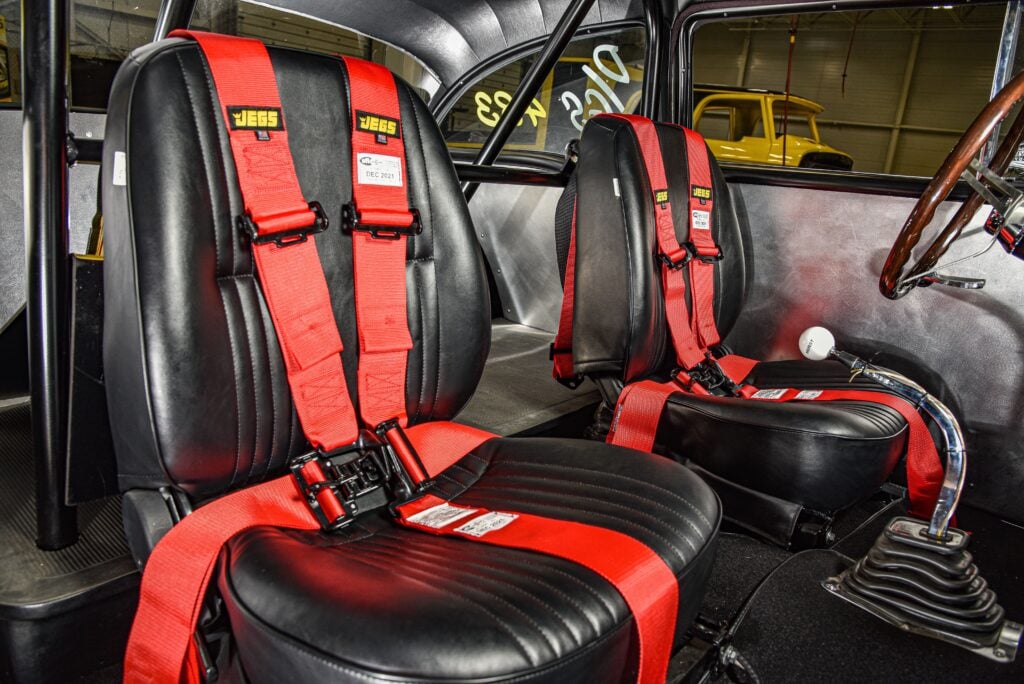
Installing racing bucket seats takes careful planning. Work through these steps in order, and don't skip the checkpoints.
Are bucket seats comfortable? They can be, but comfort comes down to fit first. A seat that's too narrow for your hips pinches, and one that's too wide lets you slide around.
If you drive on the street, reclining bucket seats are easier to live with on long trips. Breathable bucket seat covers can also help on hot days.
If your seats aren't comfortable, you can add some seat padding to the seat bottom or back. Beyond padding and covers, there aren't many options. Purchasing a replacement seat may be the only way to improve driver or passenger comfort.
A few common mistakes cause most seat-swap headaches. Keep these in mind before you order and while you install.
Bucket seats are contoured seats built for one person, with side bolstering that holds you in place. You can choose reclining, low back, high back, fixed-back or aluminum racing seats, depending on how you drive.
When you're ready to upgrade, measure your cabin, seated height and bracket height first. Then mock up the seat before you drill, and confirm your belts or harness fit.
Shop JEGS for seats, brackets and other interior parts, then check out our other tech articles for more build help.
They're named for their deep, rounded shape, which cradles you like sitting in a bucket. That shape and the side bolsters keep you from sliding around, and our guide shows you how to buy quality racing seats online.
Most cars and trucks can run bucket seats with the right brackets or seat adapter brackets. Check your cabin space first, and make sure the seats work with your factory belts or plan on replacement seat belts.
Yes, as long as the seat fits your body. Reclining bucket seats, like Corbeau reclining seats, are the best match for street use and long drives.
Bucket seats are common in street cars, but rules can vary depending on your belt and harness setup. Check your local regulations before you finalize your build, and see whether racing seats are street legal in our guide.
Bucket seats offer better side support and can work with racing harnesses. Real safety depends on proper mounting and the right restraints and racing safety equipment for how you drive.



Leave a Reply