Sign up now to join the JEGS email newsletter and be the first to learn about new products, special deals and e-mail only offers!

 2 People Found This Article Helpful
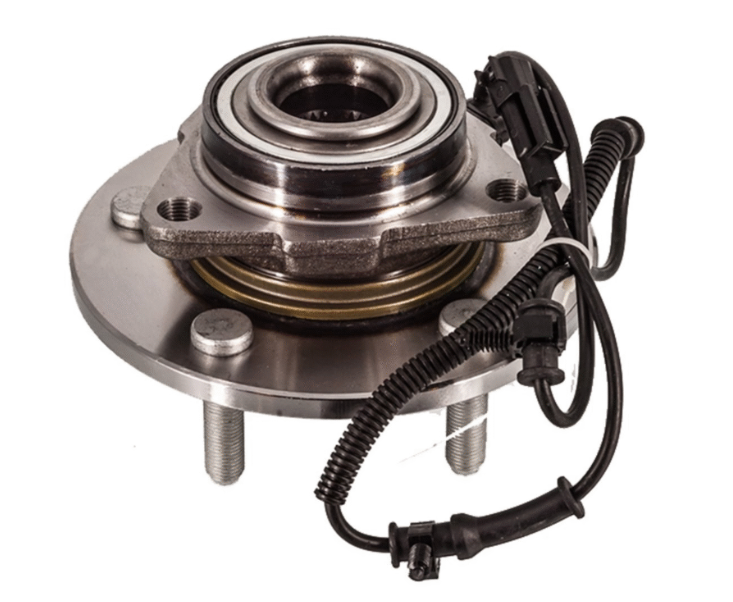

Wheel bearings are built to last tens of thousands of miles, but when they fail early it can lead to noise, vibration, uneven tire wear, and unsafe driving conditions. If you are dealing with a bad wheel bearing sooner than expected, it is important to understand what causes premature wheel bearing failure and how to prevent it from happening again.
This guide explains the most common causes of early wheel bearing failure, the warning signs to watch for, and what you can do to protect your suspension and drivetrain.
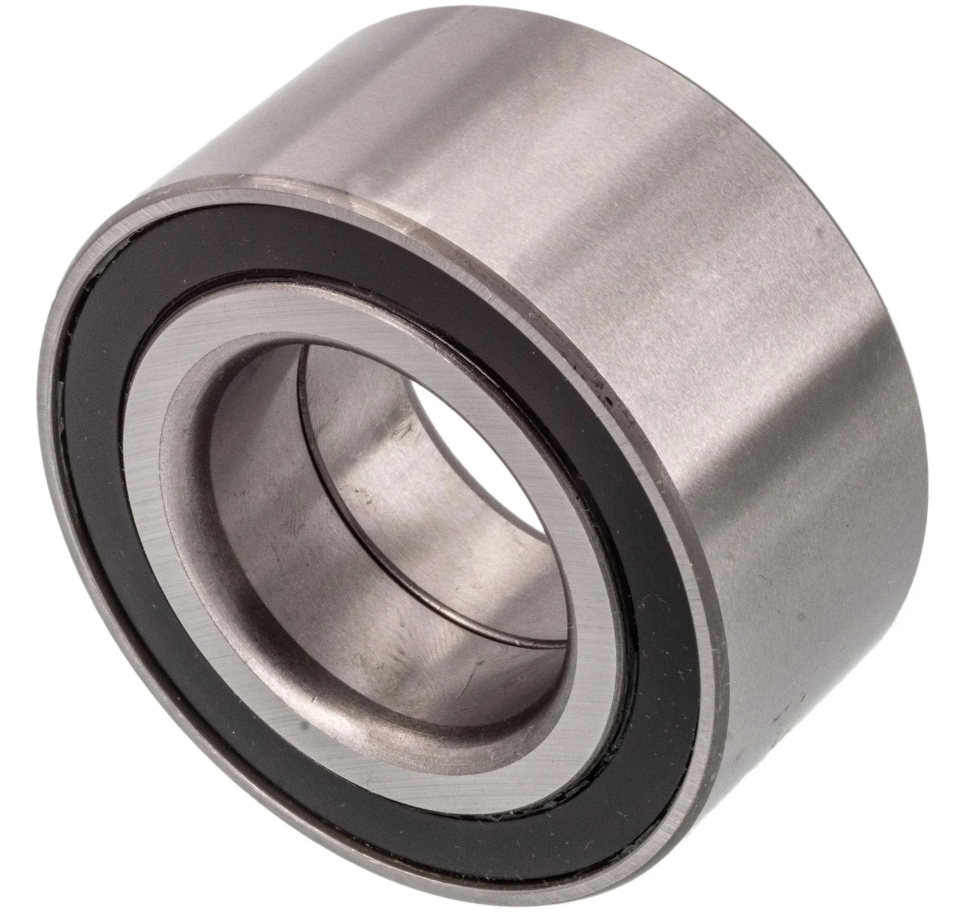
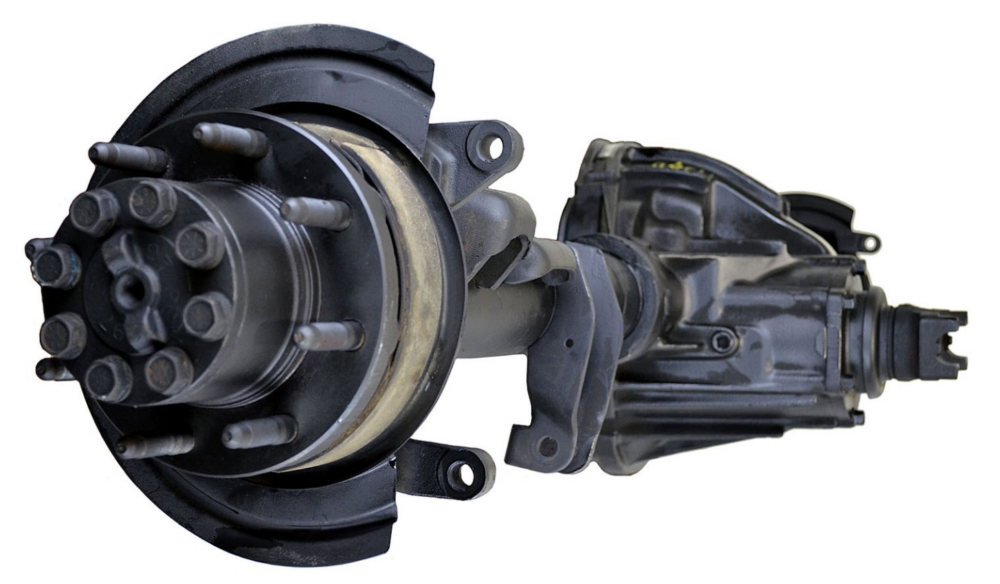
Wheel bearings allow your wheels to rotate smoothly with minimal friction. They support the vehicle’s weight while handling the loads created by cornering, braking, and acceleration. Most modern vehicles use sealed hub assemblies, while some older vehicles use serviceable tapered roller bearings.
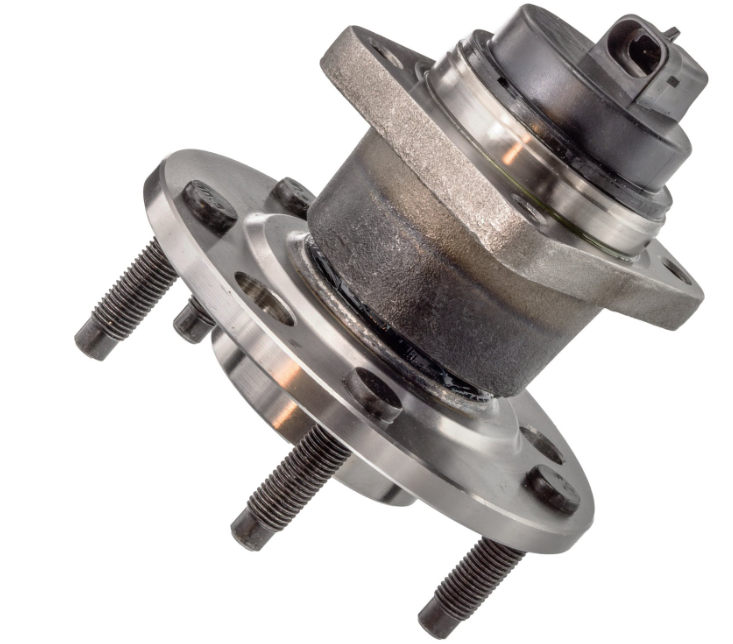
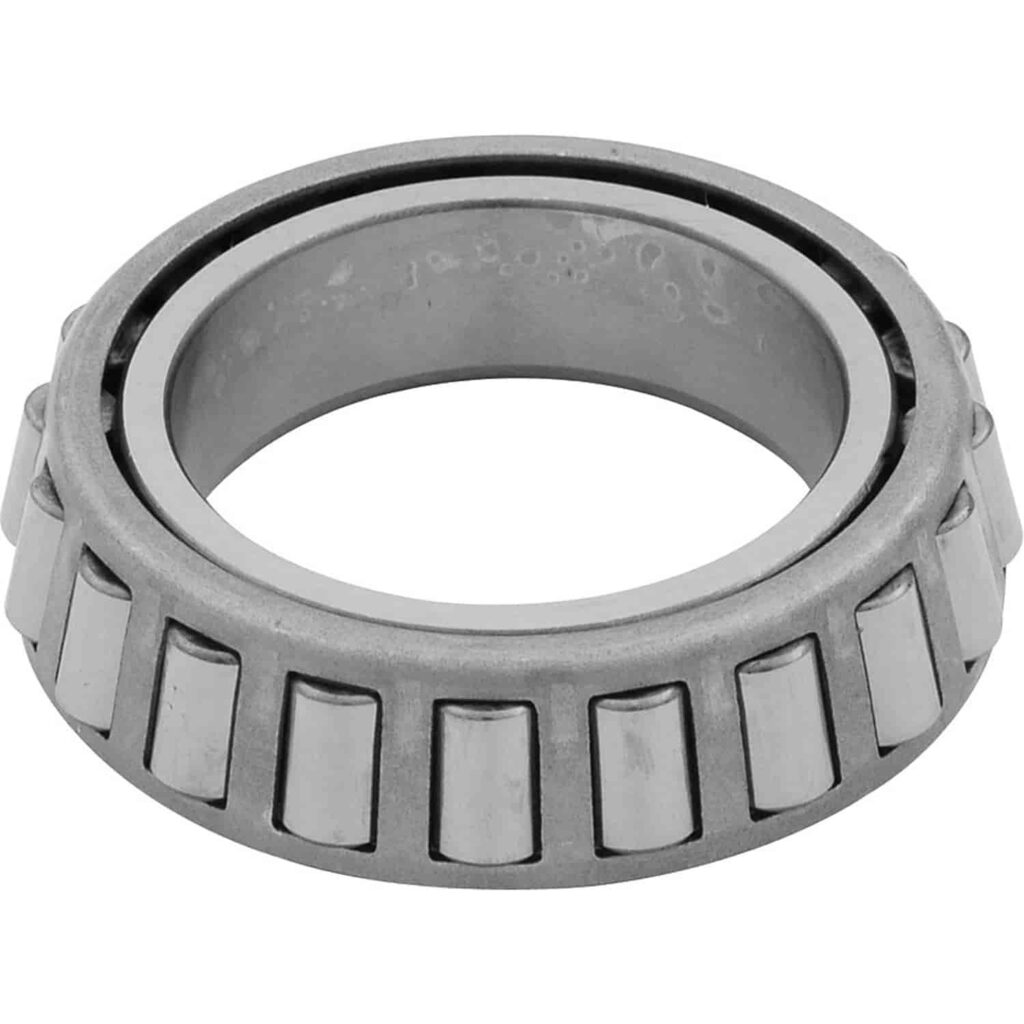
When wheel bearings are properly installed and protected from contamination, they typically provide long service life. Premature failure usually points to an underlying issue.
Incorrect installation is one of the leading causes of early wheel bearing failure. Bearings that are pressed in at an angle, installed with improper tools, or damaged during installation can fail quickly.
Using impact tools on axle nuts or failing to torque fasteners to specification can also create excessive preload. Too much or too little preload increases heat and wear, shortening bearing life.
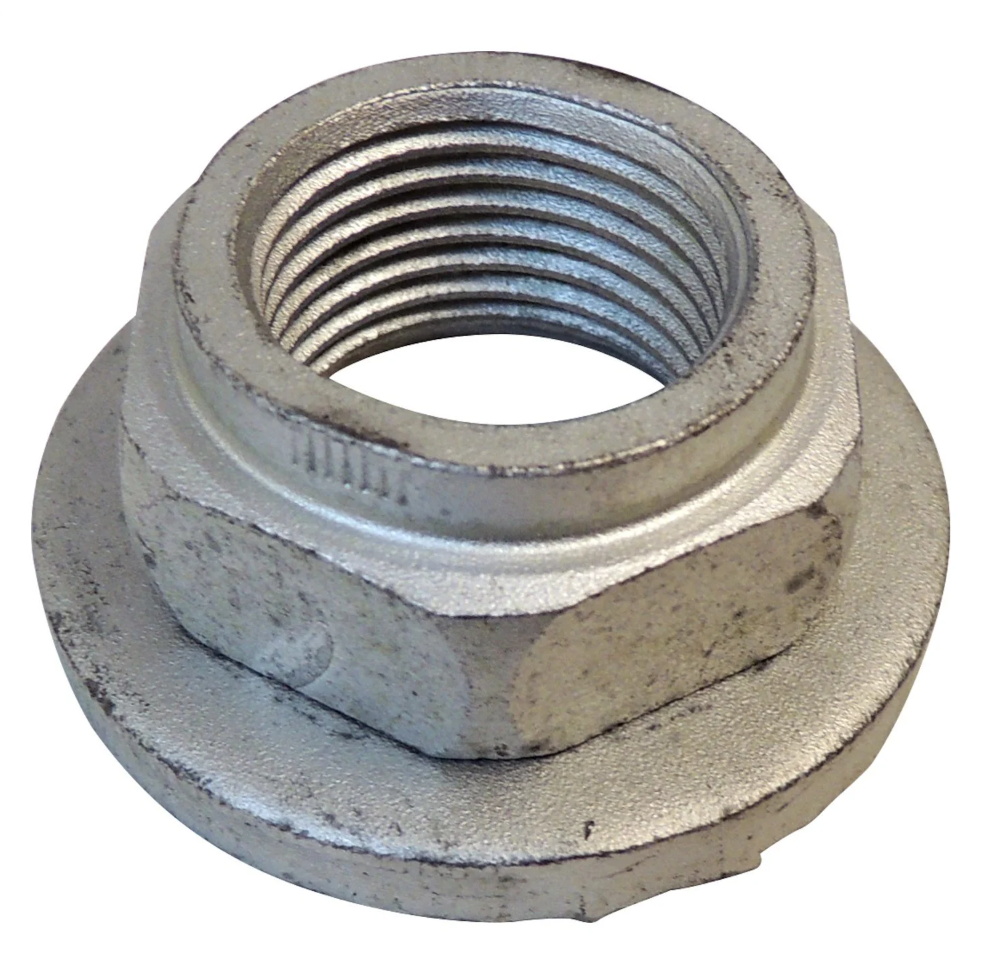
Axle nut torque is critical for proper bearing operation. If the nut is under torqued, the bearing can develop play, which leads to internal damage. If it is over torqued, excessive pressure can cause overheating and premature wear.
Always follow manufacturer torque specifications and use a calibrated torque wrench when servicing wheel hubs and bearings.

Wheel bearings rely on clean lubrication to operate correctly. If water, dirt, or road debris enters the bearing assembly, it can damage internal surfaces and degrade grease.
Driving through deep water, mud, or road salt can increase the risk of contamination. Damaged seals or improper installation can also allow contaminants to enter.

Hitting potholes, curbs, or road debris can create shock loads that damage wheel bearings. Even if the wheel and tire appear fine, the internal bearing components may be compromised.
Repeated impacts or driving on rough roads can accelerate wear, especially in performance vehicles with stiff suspension setups.
Sign up now to join the JEGS email newsletter and be the first to learn about new products, special deals and e-mail only offers!
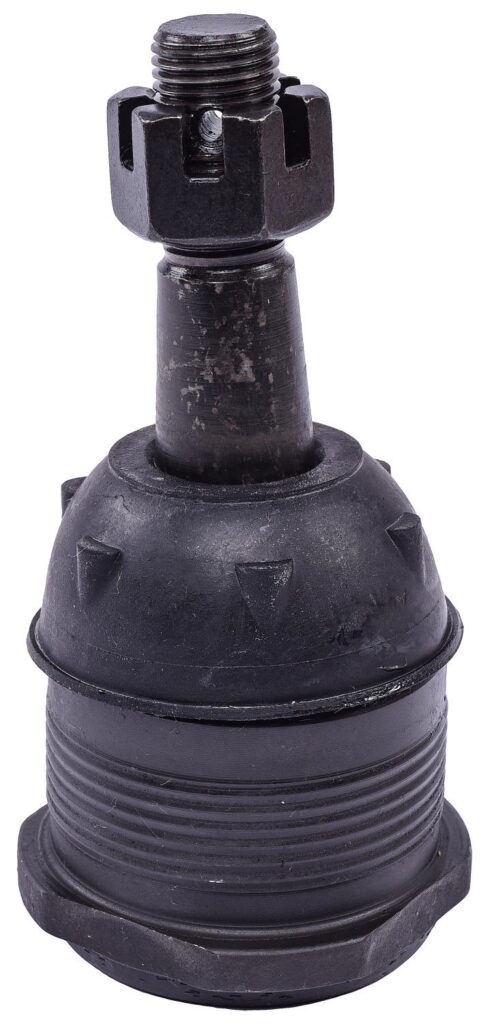
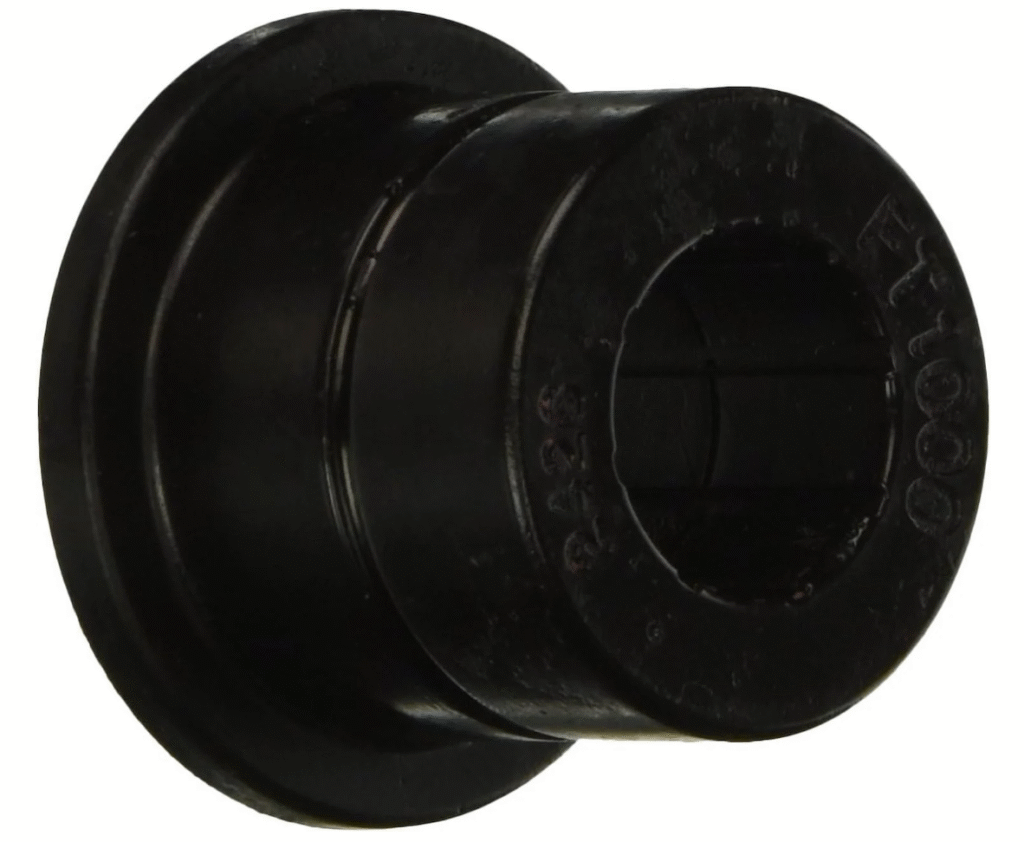
Loose or worn suspension parts can place extra stress on wheel bearings. Failing ball joints, tie rod ends, or control arm bushings allow abnormal movement, which increases bearing load.
If you are replacing a wheel bearing, it is wise to inspect surrounding suspension components to prevent repeat failures.

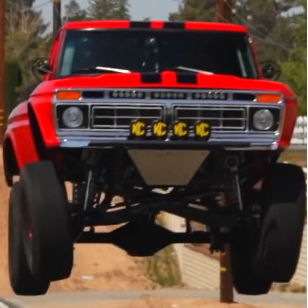
Aftermarket wheels and tires that are significantly larger or heavier than stock can increase load on wheel bearings. Changes in offset or backspacing can also alter load angles, adding stress to the hub assembly.
Performance upgrades should be selected carefully to maintain proper geometry and load distribution.
For vehicles with serviceable wheel bearings, incorrect grease type or insufficient lubrication can lead to overheating and wear. Bearings must be packed correctly and adjusted to proper preload during installation.
Neglecting routine maintenance on serviceable bearings increases the risk of early failure.

Common symptoms include a humming or growling noise that changes with speed, vibration in the steering wheel, uneven tire wear, or play in the wheel when lifted off the ground. The noise often becomes louder during turns, depending on which side is failing.
Addressing these symptoms early can prevent additional damage to hubs, axles, and braking components.
Preventing premature wheel bearing failure starts with proper installation, correct torque procedures, and regular inspection of suspension components. Avoiding harsh impacts and selecting wheels and tires that maintain proper fitment also help extend bearing life.
When replacement is necessary, using quality components makes a significant difference in durability and performance.
If you are dealing with premature wheel bearing failure, upgrading to high quality replacement hubs or performance grade components can restore smooth, quiet operation. At www.jegs.com, you will find a wide selection of wheel bearings, hub assemblies, suspension components, and related parts for street and performance vehicles.
If you need assistance selecting the right wheel bearing or hub assembly for your application, the JEGS Tech Specialists are available to help you make the right choice and keep your vehicle running safely and smoothly.




Leave a Reply