Sign up now to join the JEGS email newsletter and be the first to learn about new products, special deals and e-mail only offers!

 6 People Found This Article Helpful


The Chevrolet Chevelle is an iconic muscle car that underwent several transformations throughout its production years. Among the most notable models are the 1967 Chevelle and the 1970 Chevelle, each with its unique characteristics and features. In this article, we'll explore the main differences between the 67 Chevelle vs 70 Chevelle to help you understand what sets these classic cars apart.
The design evolution from the 1967 Chevelle to the 1970 Chevelle marked a significant change in the vehicle's overall appearance. Each model year brought updates that enhanced the car's style and presence on the road.
The 1967 Chevelle retained the classic muscle car look with clean lines, a slightly curved body, and a wide stance. It featured a more refined grille and sharper headlight design compared to earlier models, giving it a sleek yet aggressive look.

The 1970 Chevelle introduced a more muscular and bold design, emphasizing its performance-oriented nature. It had a broader and more pronounced front end, with quad headlights and a new grille that added to its aggressive look.
The 67 Chevelle vs 70 Chevelle design changes reflect the shift towards a more performance-driven and visually striking muscle car in the early 1970s.

Sign up now to join the JEGS email newsletter and be the first to learn about new products, special deals and e-mail only offers!
One of the most significant differences between the 1967 and 1970 Chevelle models is the variety of engine options available. Each model year offered powerful engines, but the 1970 Chevelle took things to a whole new level.
The 1967 Chevelle came with a range of engine choices that catered to both everyday drivers and performance enthusiasts. The available engines included the following V8 options:
The 1970 Chevelle is often celebrated for its powerful engine lineup, which included some of the most legendary big-block V8s of its time:

The 1970 Chevelle's engine lineup set a new standard for power and performance, highlighting the key differences in the 67 Chevelle vs 70 Chevelle battle.
Suspension and handling are crucial aspects that influence the driving experience, and both the 1967 and 1970 Chevelle models offered different setups to enhance their ride quality.
The 1967 Chevelle came with a basic suspension system that was effective for its time but lacked some of the advanced features seen in later models. It featured:

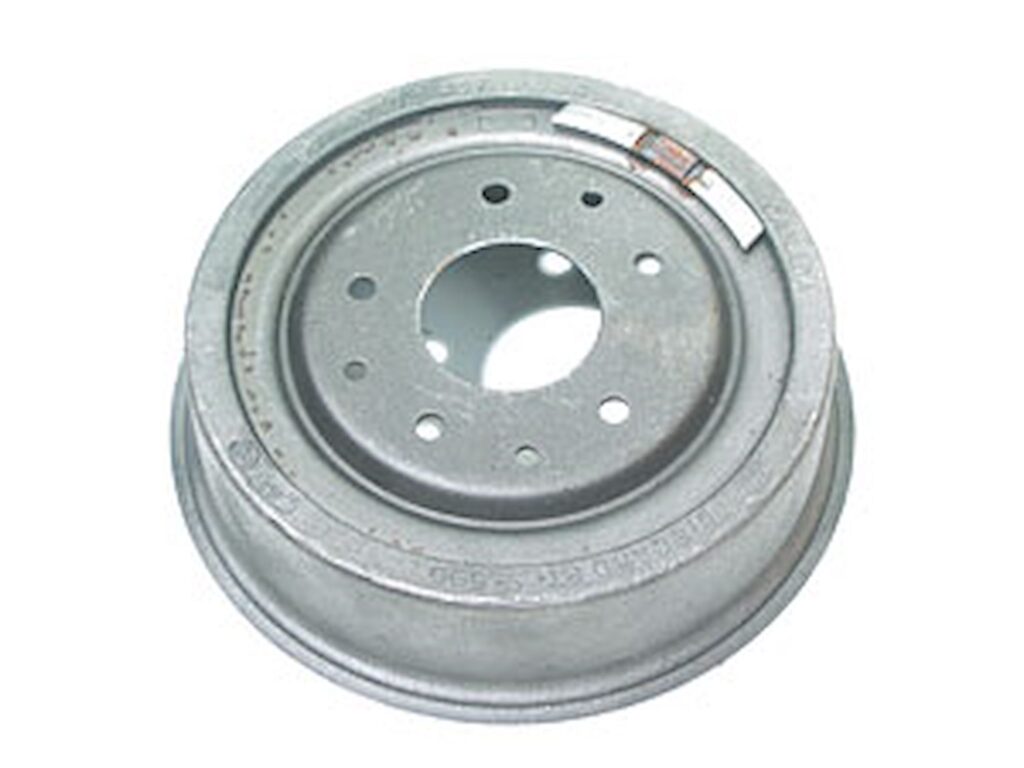
By 1970, Chevrolet had improved the Chevelle's suspension and handling capabilities to match its increased power:
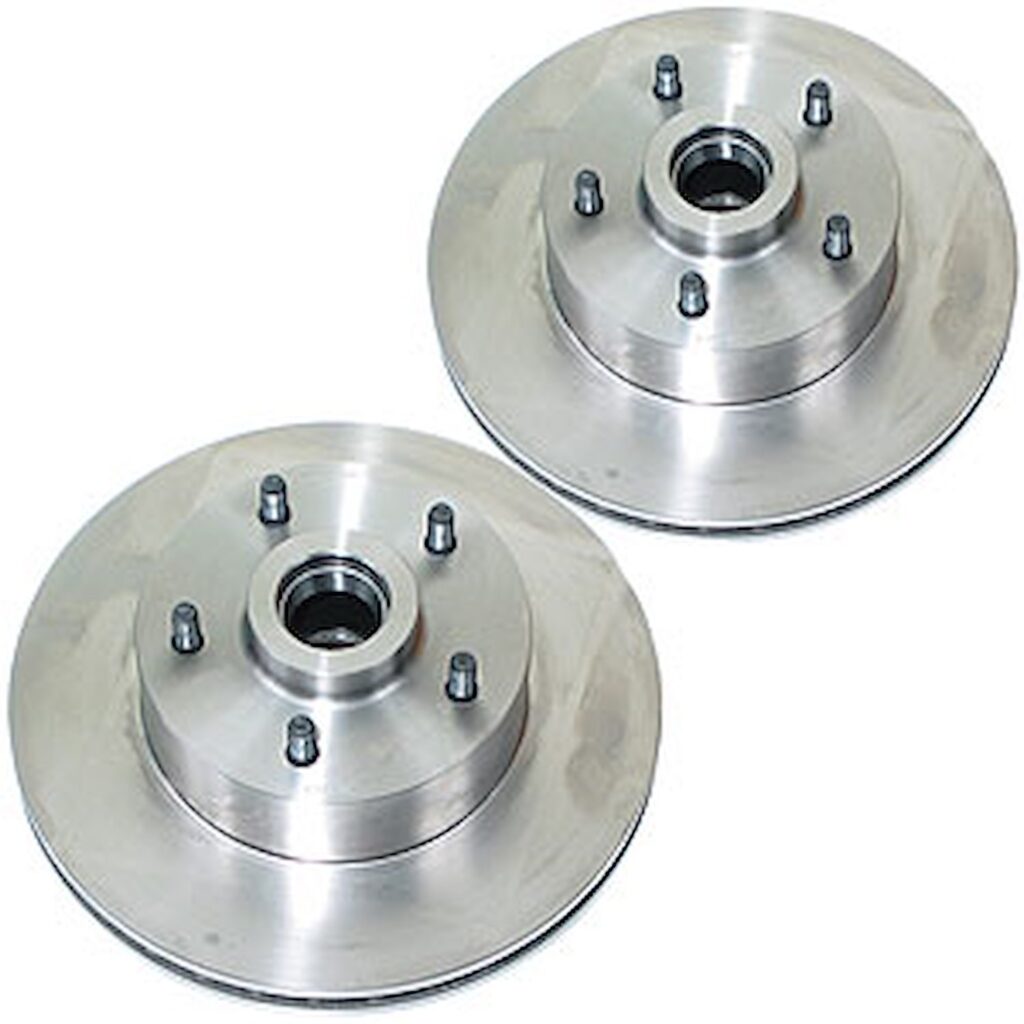

The enhancements in the 70 Chevelle's suspension system allowed it to handle the increased horsepower more effectively, providing a superior driving experience compared to its predecessor.
Whether you're restoring a 67 Chevelle or upgrading a 70 Chevelle, JEGS offers a wide range of parts and accessories to help you bring your classic car project to life. From performance parts to suspension upgrades, we have everything you need to enhance your Chevelle's performance and style.
Our team of experts is available to provide tech support and guidance, ensuring you have all the assistance you need for your next automotive project. Visit JEGS.com to explore our extensive selection of products and take the next step in building your dream Chevelle.

I am looking for a partial floor pan for a 1969 Chevelle Concourse (station wagon) to replace the drivers side (front). Also my drivers side header (collector box ) is lower than passenger side and keeps on bottoming out. Any solutions to these problems?

Hey Earl,
For the driver-side floor pan in your 1969 Chevelle Concours station wagon, a standard front floor pan for a 2-door or 4-door Chevelle coupe or sedan will often work with minor trimming. While wagon-specific pans aren’t always listed separately, many manufacturers like Sherman or Auto Metal Direct make universal front patch panels that will fit the footwell area with some adjustment. Just double-check measurements before welding it in.
As for your header bottoming out on the driver’s side, that’s a common issue, especially if the collector hangs a bit lower than the frame or suspension clearance allows. You could try a few things:
Make sure your engine and transmission mounts aren’t sagging. A worn-out mount can cause the engine to tilt and drop the header lower on one side.
A different header brand or series may give you better ground clearance. Look for tight-fit or mid-length headers, especially ones built for clearance on lowered vehicles or those with wider frames like wagons.
Lastly, exhaust shops can sometimes modify the collector angle slightly to tuck it up closer to the floor without affecting performance.
If you’d like to go over part options or have more details to share, give us a call at 1-800-345-4545 and one of our tech specialists will be happy to help.



Leave a Reply