Sign up now to join the JEGS email newsletter and be the first to learn about new products, special deals and e-mail only offers!

 21 People Found This Article Helpful

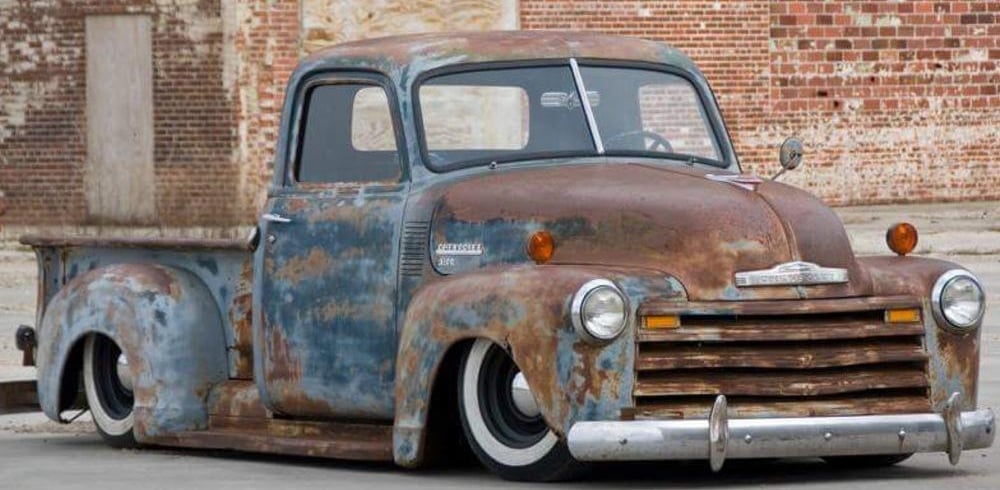
Trucks continue to dominate American roads, job sites, and garages for good reason. They are tough, versatile, and endlessly customizable. Whether you are restoring a classic pickup, repairing collision damage, or refreshing the look of a daily driver, choosing the right truck body panels matters. This guide covers what truck body panels are, common materials, signs of wear, panel types, replacement considerations, and how to choose the best aftermarket body panels and parts for your build.
Truck body panels are exterior components that form the structure, shape, and protective shell of a truck. They shield critical systems such as the engine bay, electrical components, passenger cabin, and cargo area. Body panels also provide mounting points for lights, trim, bumpers, and accessories while playing a major role in overall appearance.
Modern trucks and classic models alike rely on properly fitted body panels to maintain safety, aerodynamics, and resale value. When panels are damaged or deteriorated, replacement becomes more than a cosmetic decision.

Truck body panels are manufactured using several materials, each with distinct advantages depending on application and budget.
Sign up now to join the JEGS email newsletter and be the first to learn about new products, special deals and e-mail only offers!
Truck body panels are built to last, but exposure to road debris, weather, and accidents can take a toll. Common signs that replacement is needed include:
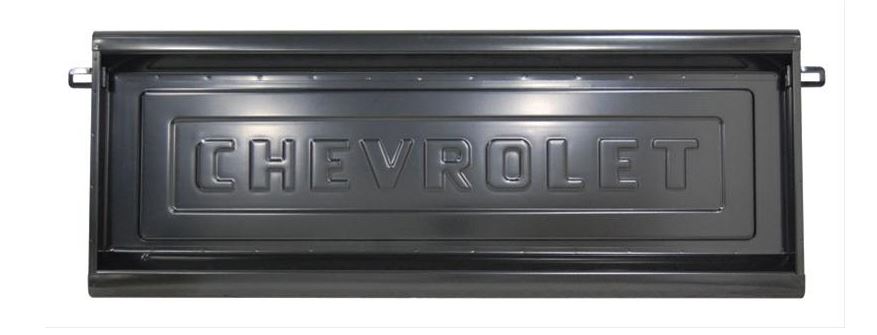
Understanding the different truck body panels helps when planning repairs or restorations.
Selecting the best aftermarket body panels starts with fitment and material quality. High-quality aftermarket panels are designed to match factory dimensions, mounting points, and contours. Poorly made panels can lead to alignment issues, increased labor costs, and unsatisfactory results.
Look for manufacturers known for consistent quality, accurate stamping, and corrosion protection. Many truck owners and builders turn to trusted brands that specialize in replacement body panels for both classic and late-model trucks.
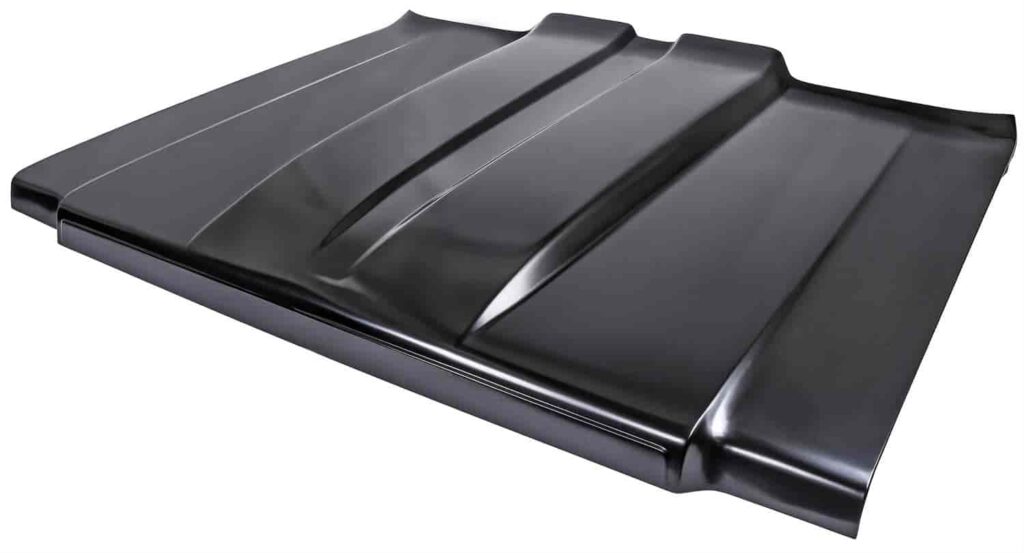
In addition to body panels, many restoration and repair projects require supporting components such as inner fenders, braces, mounts, and hardware. Choosing the best aftermarket body parts ensures compatibility, durability, and long-term reliability. Matching panel materials and quality across all components helps achieve a factory-correct finish and proper structural support.
Truck body panel pricing varies based on panel type, material, brand, and vehicle application. Steel panels are generally the most affordable, while aluminum and fiberglass panels cost more. Larger panels such as bedsides and doors typically cost more than smaller components like fenders.
Installation costs should also be considered. Professional bodywork may include fitting, welding, painting, and finishing, all of which affect total project cost.

Some truck owners with mechanical and bodywork experience choose to replace panels themselves. Bolt-on components such as hoods, tailgates, and some fenders are more DIY-friendly. Welded panels, structural components, and aluminum panels often require specialized tools and skills.
For best results and safety, professional installation is recommended for major repairs, structural panels, and full restorations.
Chevy trucks remain one of the most popular platforms for restoration and customization. From classic 1973 to 1987 Chevy pickups to later model Silverados, aftermarket suppliers offer a wide range of replacement body panels designed for proper fit and appearance.
Similar support exists for Ford, Dodge, and GMC trucks, making it easier than ever to source panels for nearly any build.

Truck body panels play a critical role in protection, performance, and appearance. Knowing when to replace them and choosing quality components makes a major difference in the success of any repair or restoration project. By investing in the best aftermarket body panels and the best aftermarket body parts, truck owners can restore strength, improve looks, and extend the life of their vehicles.
When you are ready to explore replacement body panels and parts for your truck, visit www.jegs.com to find options that support your build from start to finish.


I’ve been restoring cars and trucks for over 40 years and great to know these body panels now fit better than they ever did before! Thank you for making them available to us shop owners and vehicle owners as well!




Leave a Reply