Sign up now to join the JEGS email newsletter and be the first to learn about new products, special deals and e-mail only offers!

 2 People Found This Article Helpful


Without your car’s battery, you’d have to hark back to the glorious days of the early 1900s, when everything needed effort. You’d need to start your engine by hand-cranking it, waiting for the right moment to release the crank in order to avoid a broken arm when the engine ‘kicks’ as it starts. Then, you’d need to manually light up your headlamps with a match. Creature comforts and infotainment? No chance! So, you see, the humble car battery has far-reaching consequences. If not for its silent, faithful service, our vehicles wouldn’t be 10% as pleasant, comfortable, and powerful as they are today.
If you’re wondering about how it all works and terms like ‘voltage’, we’ve got the information you should know about your car battery. We’ll tell you how many volts is a car battery, and the right ranges for its voltage, depending on the scenario. This is a fantastic way to catch a bad battery before it catches you. After all, you know very well that the worst tends to happen when you least expect it – or need it, such as when taking a time-critical journey or during a spell of bad weather.
You can stay ahead of car battery issues by reading this article and knowing what to watch out for. You can also talk to the JEGS team about the basics of car batteries, choosing the right battery for your car, and identifying tools such as multimeters and battery testers that every auto enthusiast should have in their garage.
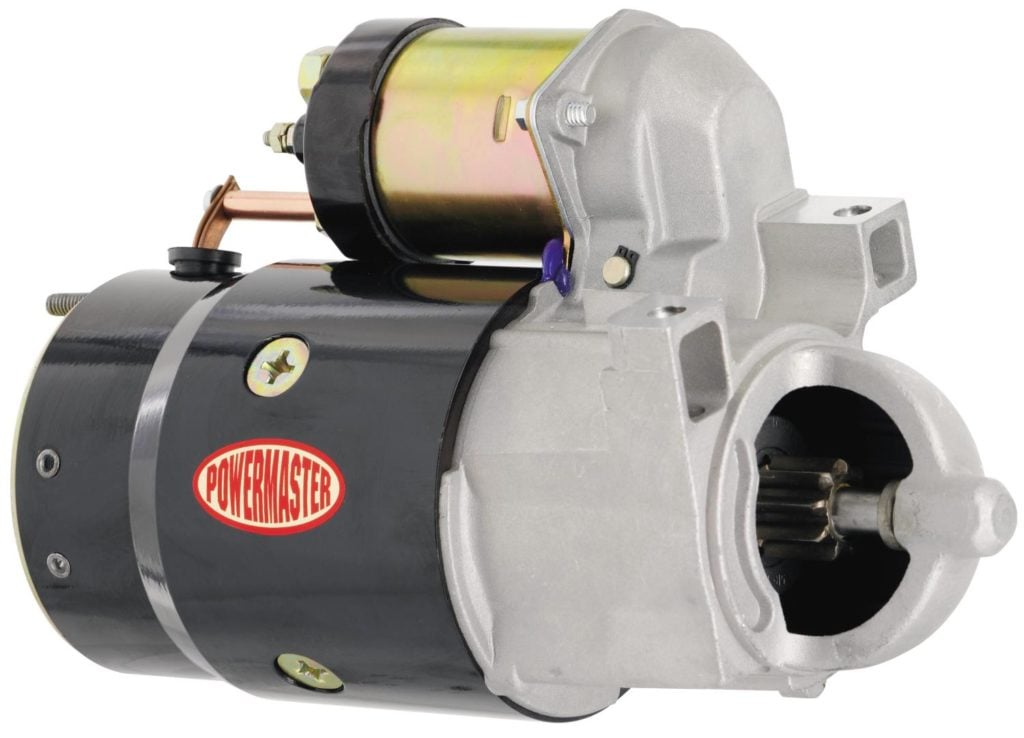

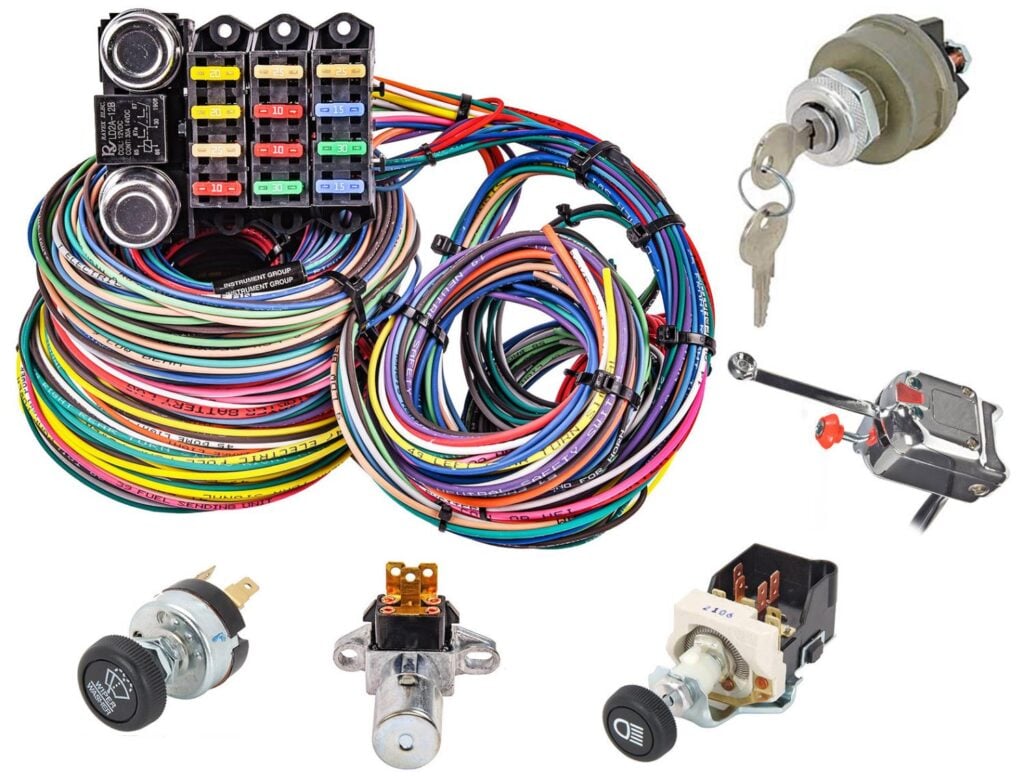
A car battery is basically a reservoir. It stores electricity which is used for various purposes. In the old days, the battery’s primary job was to power the starter motor and crank your engine. Then, the generator or alternator usually took over. It charged the battery, as well as helped power electrical accessories, in conjunction with the battery.
Today, the battery plays a role even when your car is switched off and safely parked in your garage or driveway. Modern cars have several computer control units, and these require power to maintain their settings. They draw a tiny bit of electricity from the car battery in order to stay alive. Even your radio and clock need constant power to maintain their relevant settings and parameters. That’s why the car battery is so important, and even hybrids and EVs tend to have a regular 12V battery as well.
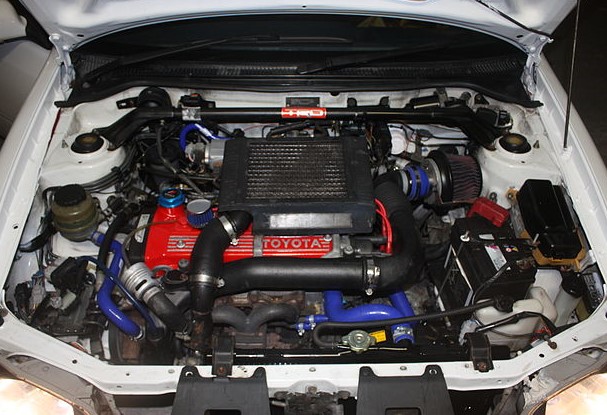
Many vehicles have it under the hood, in the engine compartment. Some vehicles place it in the trunk or under the rear seat for better weight distribution. There are some older supercars that had a dedicated battery compartment elsewhere in the car. So, it’s always best to consult your owner’s manual or check online if you’re unsure.
When talking about car batteries, you’ll hear the term ‘voltage’ most commonly. The car battery may even be referred to as “the 12-volt battery”. That’s because 12 volts is the most common type of car battery. In the early days of batteries, 6 volts was common because battery technology was still in its infancy. Today, modern passenger cars, SUVs, and pickup trucks use 12-volt batteries. Commercial and heavy-duty vehicles may use 24-volt systems, either in the form of one battery or two identical units.
Voltage is defined as the pressure from an electrical circuit that pushes the electrons through the circuit, enabling them to do work. This is the simplest way we can put it. Voltage is constantly in a three-way relationship with two other factors, namely current and resistance. That’s where we get the popular V=IR equation that everyone learns about in High School Physics. This is called Ohm’s Law.
Sign up now to join the JEGS email newsletter and be the first to learn about new products, special deals and e-mail only offers!
Choosing the voltage of your car battery is almost always a no-brainer because most cars, trucks, and SUVs use 12 volts. So, just replace your battery with one of the same voltage and capacity, and you’ll be good to go. If you’re using a commercial or heavy-duty vehicle with a 24-volt system, just find a battery with the same voltage and capacity. It’s that simple. Of course, we at JEGS are ready to help if you need assistance.
The only time that you need to worry about choosing the right voltage is when dealing with an older classic car, such as something from the 1950s or earlier. You see, some early classic cars, such as the oldest Volkswagen Beetles used 6-volt electrical systems. Upgrading the electrical system of these cars to a 12-volt system is a popular fix, but some owners like to keep their classics as original as possible.

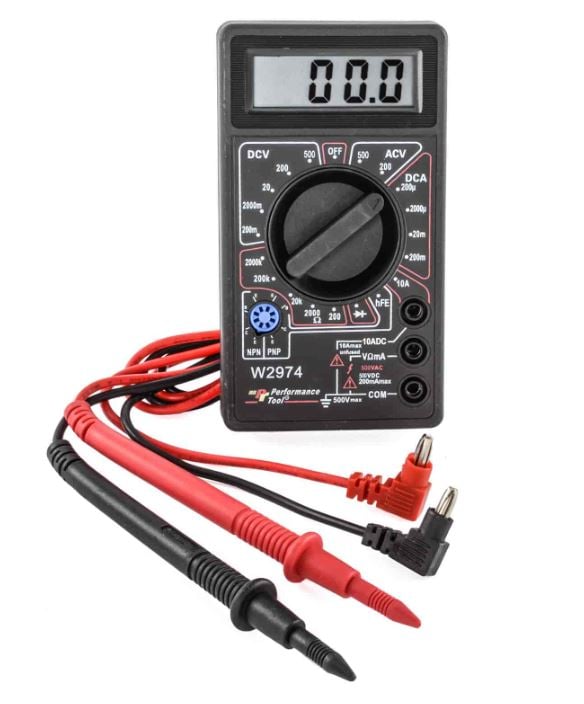
Now, here’s how you can identify a healthy battery, as well as get an early warning about potential charging system issues. Get yourself a multimeter and start testing. Set the meter to the voltage range (50 volts is typical), and place the red probe over the positive terminal and the black probe on the negative terminal. A fully charged, healthy battery should read around 12.6 volts when your car is fully switched off. If the voltage is a flat 12 volts or less, your battery isn’t at peak health. But wait! Is it really the battery’s fault, or could the charging system be the root cause? It’s always best to verify this before splashing out on a new battery.
To check if your vehicle’s charging system is working effectively, measure the voltage of the battery while the engine is running. Now, the voltage should read over 13.5 volts, typically around 14 volts. If it is still hovering around the 12-volt range, your charging system is faulty and your battery will slowly discharge away.
No matter what you need, it’s easy to get electrified with JEGS’ excellent array of performance parts. We only deal in top-quality products from the world’s best brands. Plus, it’s all backed by our fantastic after-sales service and all applicable warranties. That’s why thousands of customers have chosen us time and time again as their trusted auto parts supplier. Why not join them?


Really useful information, especially for drivers who don’t know much about battery voltage. I like how the guide explains what different voltage readings can tell you, because a quick check can help spot a weak battery before it leaves you with a starting problem. Definitely worth checking before replacing a battery unnecessarily.

Thank you, Sanja! We’re glad you found the guide helpful and easy to understand. Battery voltage can be a useful first step in diagnosing starting and charging issues, and we appreciate you taking the time to share your feedback. If you have any additional questions or need help troubleshooting your vehicle, one of our JEGS Techs would be happy to assist you at 1-800-345-4545.



Leave a Reply