Sign up now to join the JEGS email newsletter and be the first to learn about new products, special deals and e-mail only offers!

 2 People Found This Article Helpful


If you are tuning, rebuilding, or troubleshooting a classic V8, knowing the firing order for a Chevy small block is essential. Installing spark plug wires in the correct sequence ensures smooth operation, proper combustion timing, and reliable performance. Even one wire out of place can cause misfires, backfiring, and rough idle.
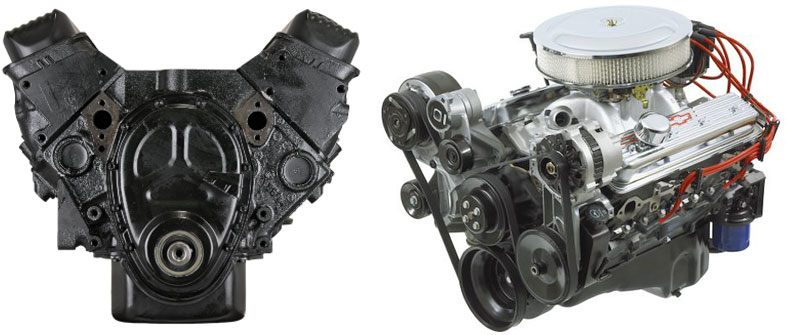
Whether you are working on a 350, 327, 305, or 400 small block Chevy, understanding the correct firing order helps you get the engine running right the first time.
The traditional firing order for a Chevy small block is:
1-8-4-3-6-5-7-2
This firing order applies to most classic small block Chevy engines including the 283, 302, 305, 327, 350, and 400 when using the standard camshaft design.
Always verify your specific camshaft and engine combination, as certain aftermarket camshafts may use a different firing order.

To correctly install spark plug wires, you need to understand cylinder numbering.
On a Chevy small block V8:
The driver side cylinders, from front to rear, are 1-3-5-7.
The passenger side cylinders, from front to rear, are 2-4-6-8.
Cylinder number 1 is the front cylinder on the driver side of the engine.
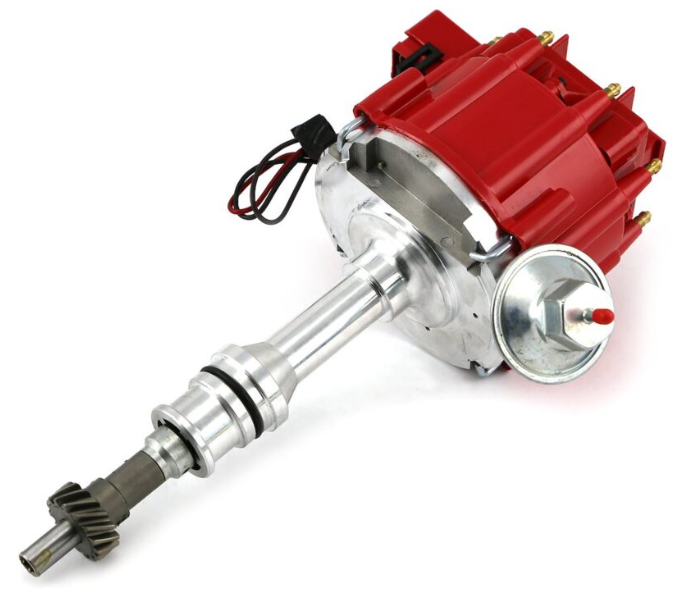
Most small block Chevy distributors rotate clockwise. When routing spark plug wires, begin with the terminal that aligns with cylinder number 1 at top dead center on the compression stroke.
From that starting point, follow the firing order 1-8-4-3-6-5-7-2 in a clockwise direction around the distributor cap.
Correct routing helps prevent crossfire and ensures proper ignition timing.
Sign up now to join the JEGS email newsletter and be the first to learn about new products, special deals and e-mail only offers!
The firing order is carefully engineered to balance engine operation and reduce vibration. It allows even distribution of combustion forces across the crankshaft.
Incorrect firing order can cause rough idle, hesitation, poor acceleration, and in some cases engine damage due to backfiring or detonation.
When installing a new distributor, camshaft, or spark plug wires, always double check firing order before starting the engine.
Some performance camshafts use alternative firing orders to improve crankshaft loading characteristics. These are less common in traditional small block Chevy builds but may appear in specific racing applications.
If you are installing an aftermarket camshaft, consult the cam manufacturer’s specifications to confirm the correct firing order.

Route spark plug wires neatly and keep them away from hot headers or sharp edges. Use wire separators to prevent contact between adjacent wires, which can reduce electrical interference.
Ensure wires are fully seated on both the distributor cap and spark plugs.
Replacing worn spark plug wires during tune ups helps maintain strong spark energy and consistent engine performance.
Whether you are refreshing a classic 350 or building a high performance small block, having the correct firing order for a Chevy small block is just the beginning. Quality ignition components help ensure reliable spark and smooth operation.
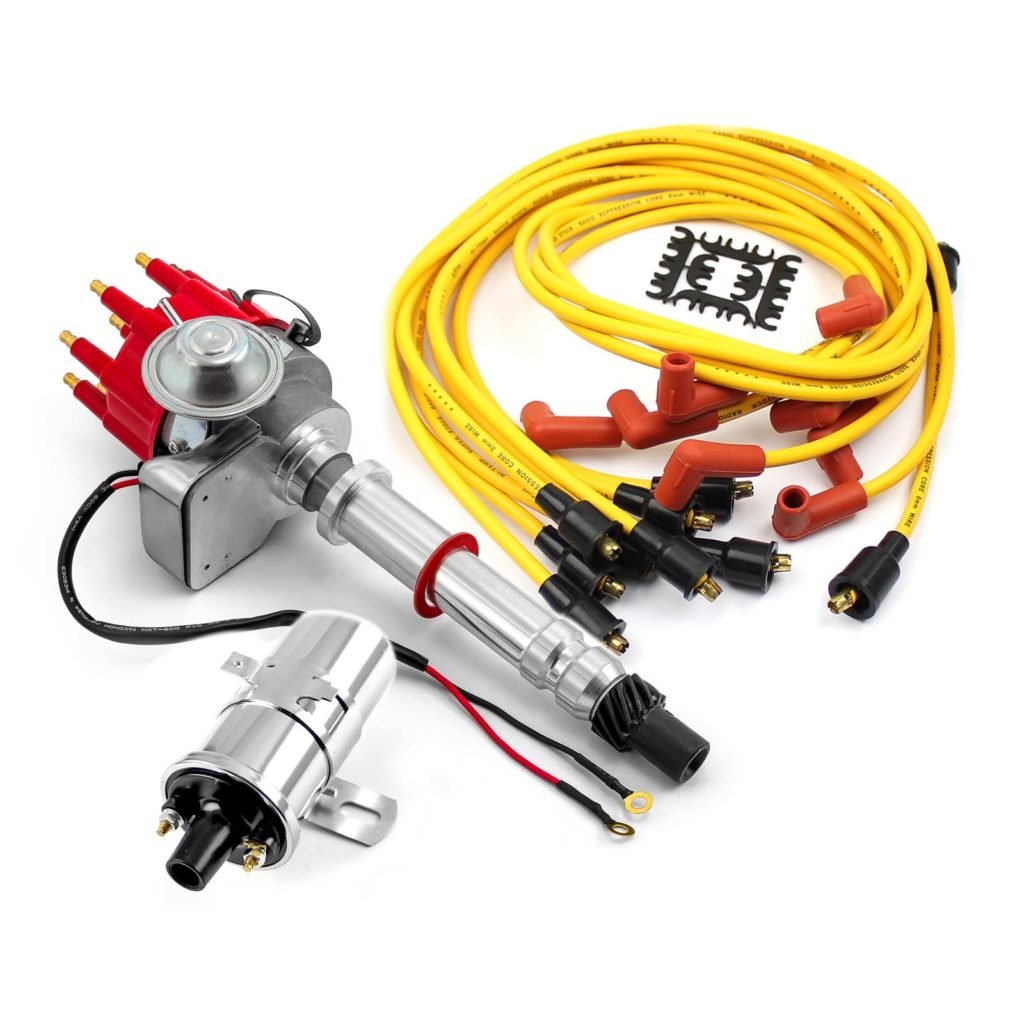
At www.jegs.com, you will find distributors, spark plug wire sets, ignition coils, caps and rotors, and performance ignition systems designed for small block Chevy engines.
If you need help selecting ignition parts for your small block Chevy build, the JEGS Tech Specialists are available to help you choose the right components for dependable performance.


Leave a Reply