Sign up now to join the JEGS email newsletter and be the first to learn about new products, special deals and e-mail only offers!

 10 People Found This Article Helpful
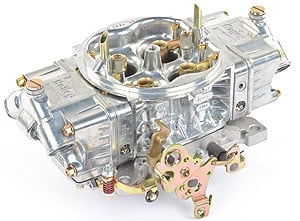

If your engine is running poorly or you've noticed a decrease in performance, it may be time for a Holley carburetor rebuild. Rebuilding a carburetor can breathe new life into your engine, improving fuel efficiency and restoring power. In this guide, we’ll walk you through the steps on how to rebuild a Holley carburetor, covering everything from disassembly to reassembly and tuning.
The first step in a Holley carburetor rebuild is to carefully disassemble the carburetor. Taking the time to do this correctly will make the rebuilding process much easier.


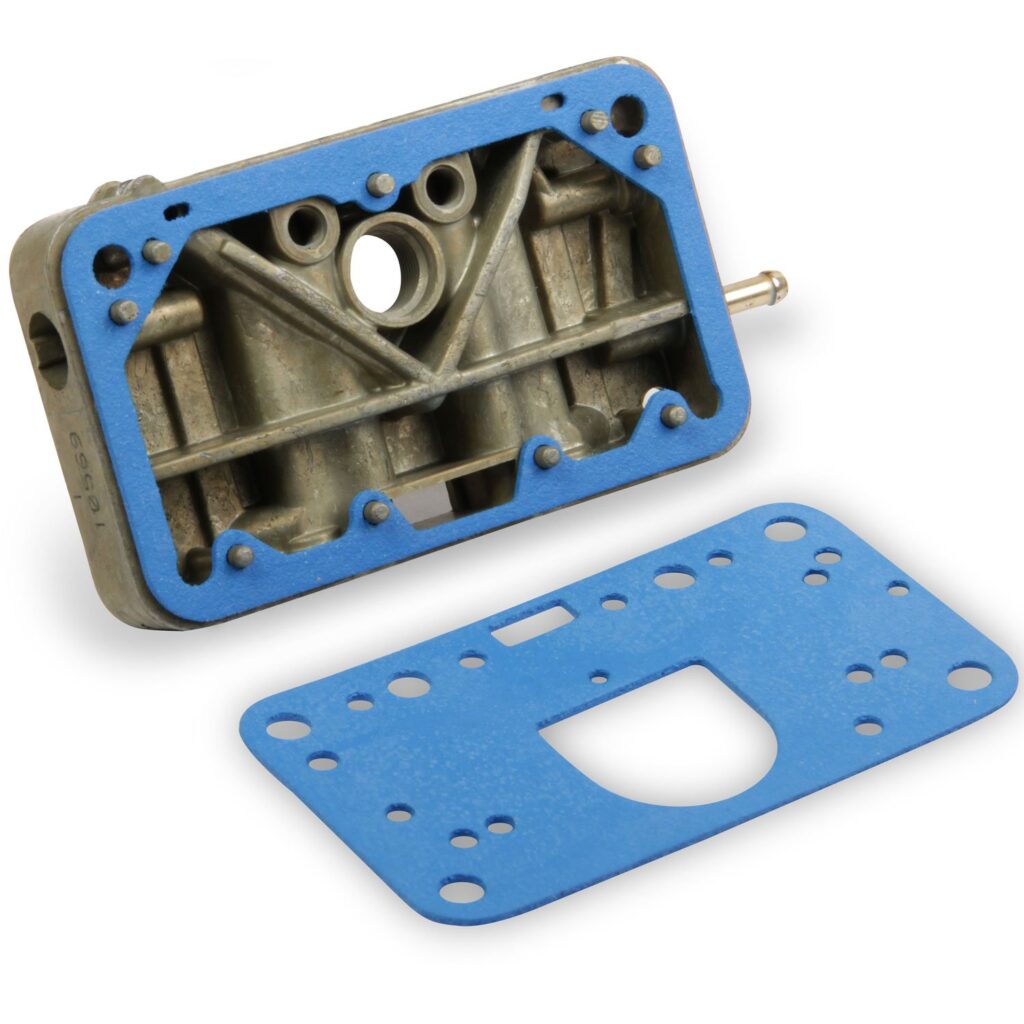
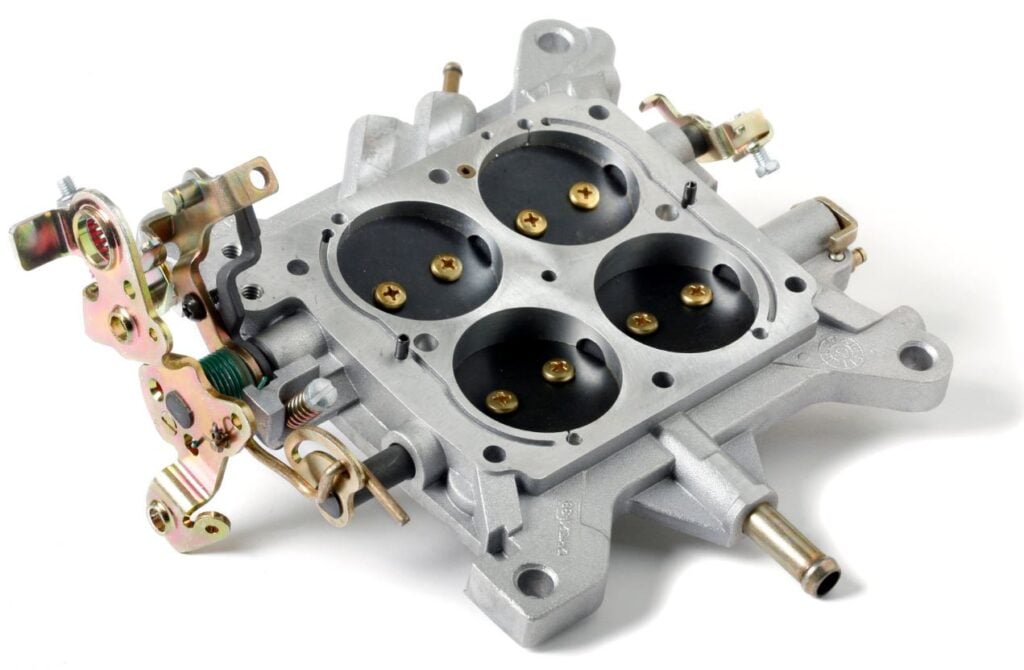

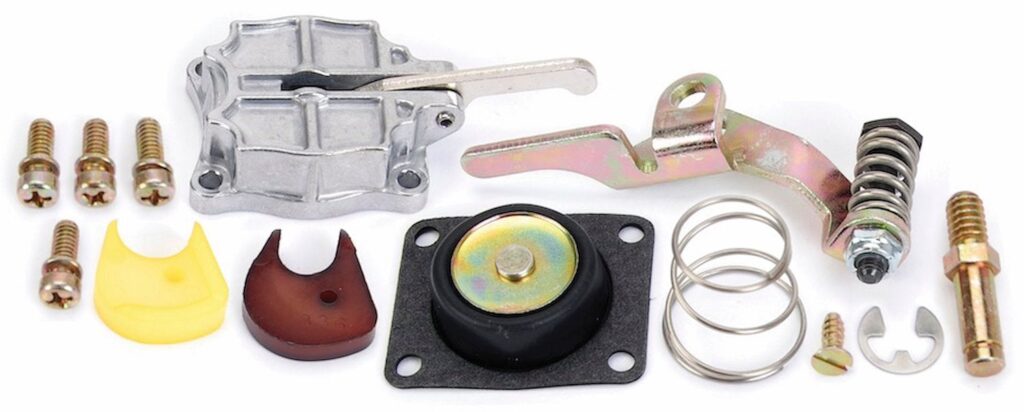

Disassembling your Holley carburetor thoroughly is crucial for effective cleaning and inspection of each part before moving on to the next steps.
Before replacing worn-out components, it’s important to clean and inspect each part of the carburetor. A clean carburetor will improve engine performance and ensure consistent fuel delivery.
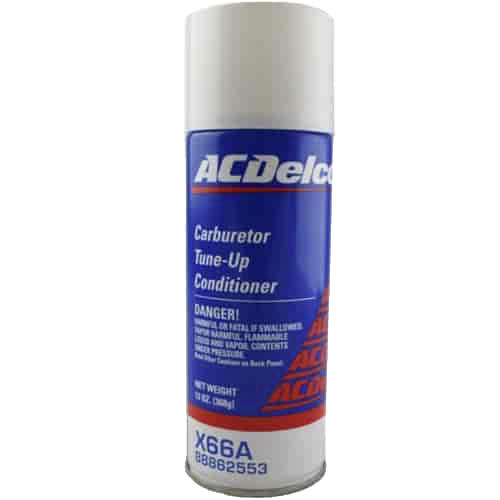
Proper cleaning and inspection will set you up for a successful rebuild and help avoid future issues.
Now that you have all the components disassembled and cleaned, it's time to replace any worn or damaged parts. Rebuilding kits are available that include the most common replacement parts for a Holley carburetor rebuild.
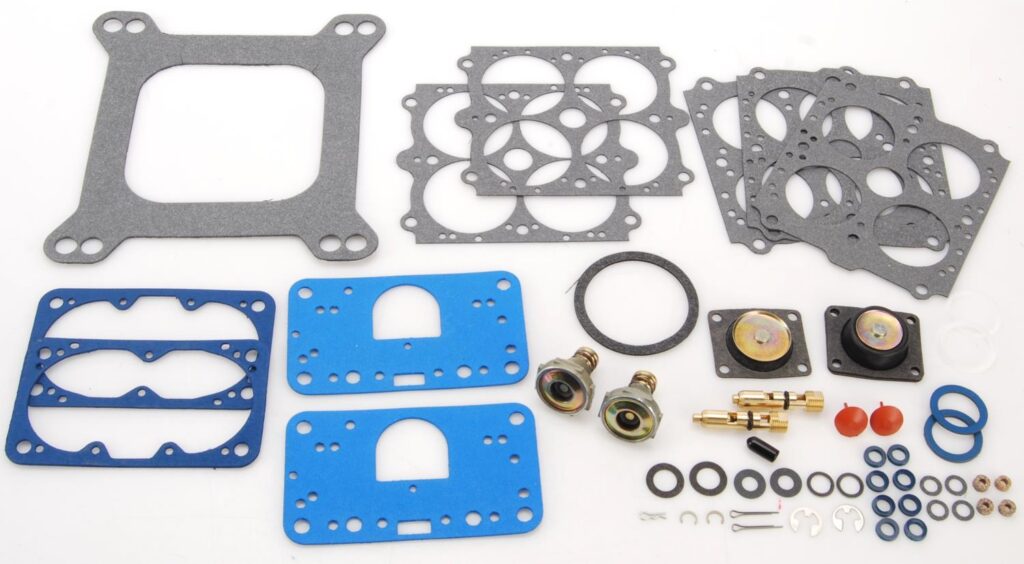
Replacing these components will help restore the performance of your carburetor and improve overall engine efficiency.
Sign up now to join the JEGS email newsletter and be the first to learn about new products, special deals and e-mail only offers!
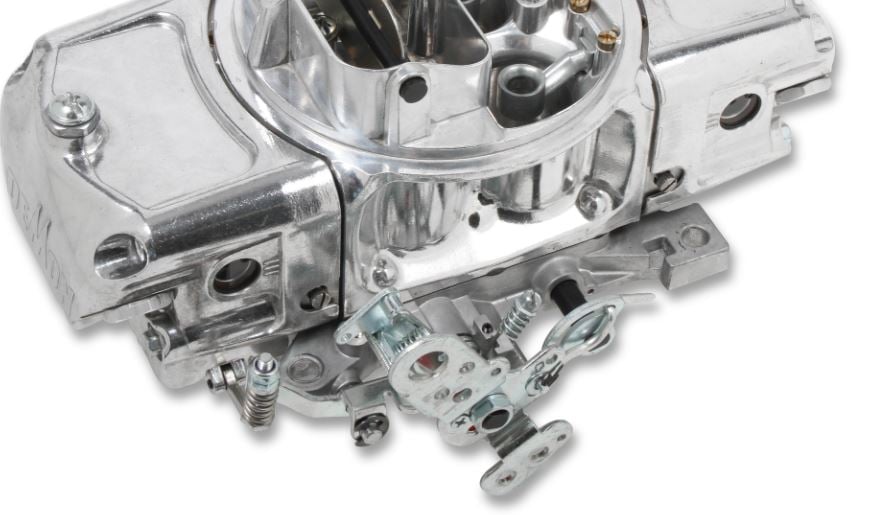
Once you've replaced the necessary components, it's time to reassemble and tune your Holley carburetor. Proper reassembly and tuning are crucial for optimal engine performance.

Proper tuning will ensure that your rebuilt carburetor delivers the right air-to-fuel ratio, providing optimal performance and fuel efficiency.
Even after rebuilding your Holley carburetor, it’s important to watch for common issues that may arise:
Addressing these issues early can prevent major engine problems and ensure a smooth driving experience.
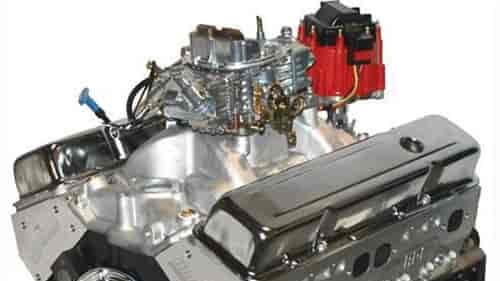
If you're ready to tackle your Holley carburetor rebuild, JEGS offers a wide selection of parts, rebuild kits, and tools to help you get the job done right. From gaskets and power valves to complete rebuild kits, we have everything you need to restore your carburetor's performance.
Our team of experts is also available to provide tech support and guidance, ensuring you have all the assistance you need for your next automotive project. Visit JEGS.com to explore our range of products and get started on your carburetor rebuild today.


As was disassembling the float bowl on the non power valve side was a piece of plastic about 1 inch long what is it

Hi Douglas,
Thanks for the question. That 1-inch plastic piece you found inside the float bowl on the non-power valve side is most likely the accelerator pump transfer tube or a float guide insert, depending on your specific Holley model. Some Holley carbs use a small plastic or nylon tube inside the metering block or bowl that directs fuel between passages or helps guide the float arm.
However, without knowing the exact model number of your Holley carburetor, it’s tough to say with 100% certainty. Holley has produced a lot of variations over the years, and different series have different internal parts.
If you’re unsure, we recommend comparing the part to a diagram from a Holley rebuild kit for your specific carb model. Or better yet, give us a call at 1-800-345-4545 and talk with one of our tech specialists. If you have your carb’s list number handy, we can tell you exactly what that piece is and whether it needs to be reinstalled or replaced. We’re here to help.





Leave a Reply