Sign up now to join the JEGS email newsletter and be the first to learn about new products, special deals and e-mail only offers!

 2 People Found This Article Helpful


If you want to get the most out of your Holley carburetor, precise tuning is essential. Holley carburetors are popular among performance builders and racers because of their responsiveness, modular design, and adjustability. One of the most important adjustments you can make is tuning the power valve channel restrictor, often referred to as PVCR. Proper Holley PVCR tuning allows you to fine-tune fuel delivery under load, which can help improve throttle response, prevent lean conditions, and optimize overall drivability.
Whether you’re preparing for competition or improving your daily driving experience, understanding how the Holley carburetor power valve functions and how to tune it correctly will help you unlock the full performance potential of your engine.
The power valve in a Holley carburetor is designed to deliver additional fuel during conditions of low manifold vacuum, such as when you open the throttle under load. The PVCR regulates how much fuel is added when the power valve opens, and adjusting it allows you to fine-tune the enrichment rate during heavy throttle input.
From the factory, the power valve enriches the fuel mixture at a specific vacuum threshold, typically around half of your engine's idle vacuum. By modifying the PVCR or selecting a power valve with a different opening point, you can tailor your carburetor’s behavior to match your driving style and engine demands.
Adjusting the PVCR can solve issues such as hesitation under load, flat spots in throttle response, or overly rich or lean conditions at part throttle. Holley PVCR tuning gives you more control over the transition from cruising to acceleration.

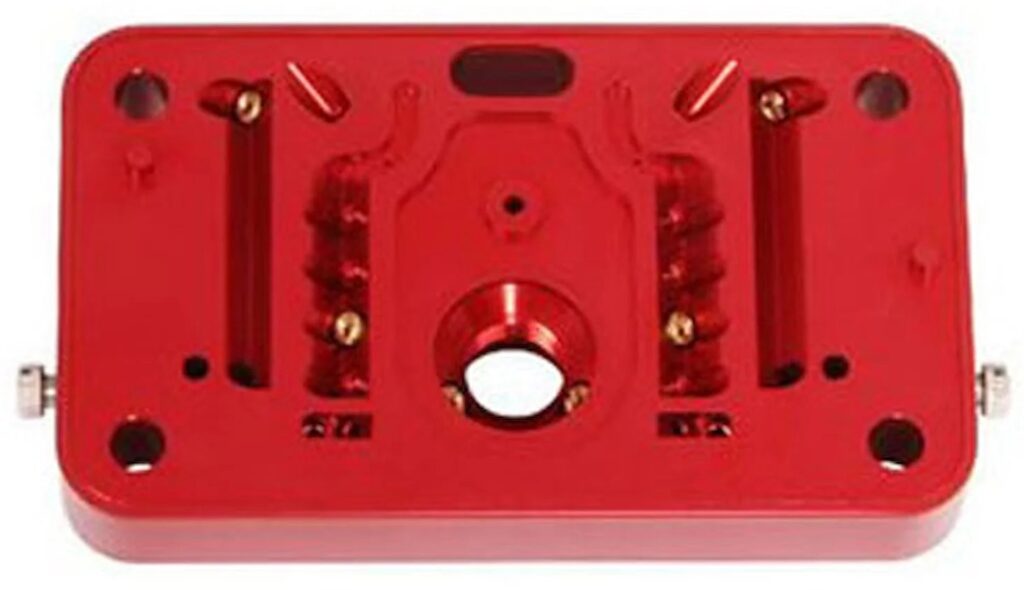
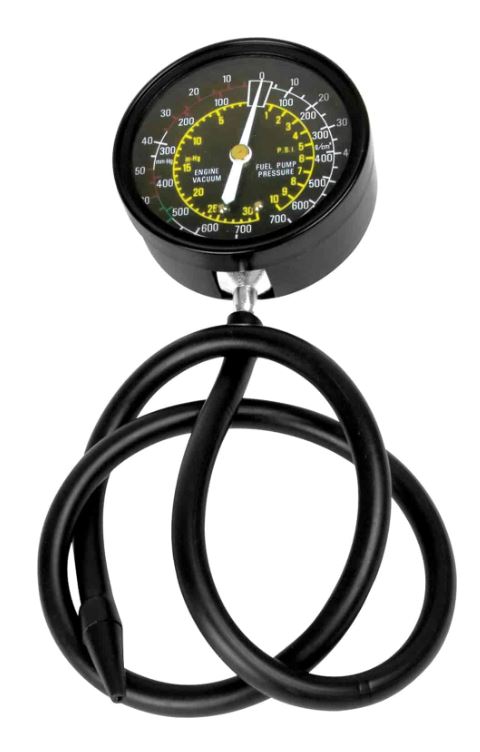
Before making any changes, it is important to measure your engine’s idle vacuum using a gauge with the engine fully warmed up and in gear. A common rule is to select a power valve rated for roughly half the measured vacuum reading. For example, if your engine pulls 13 inches of vacuum at idle, you would start with a 6.5 in-Hg power valve.
The PVCR tuning itself involves adjusting the restrictor size, which controls the volume of additional fuel delivered when the power valve opens. If your vehicle bogs or hesitates under acceleration, especially during transition from cruise to power, your PVCR may be too small. If the engine runs rich, smokes, or fouls plugs, it may be too large.
There are two ways to adjust the PVCR:
Some aftermarket metering blocks come with removable jets in the PVCR locations, which make tuning easier without permanent modification.
Sign up now to join the JEGS email newsletter and be the first to learn about new products, special deals and e-mail only offers!
1. Measure Idle Vacuum
Start by measuring vacuum at idle with the engine fully warmed up. Use this to select the correct power valve rating.
2. Establish a Baseline
Check your current air-fuel ratio using a wideband O2 sensor. Take readings under wide-open throttle and heavy load conditions to assess if the mixture is too rich or too lean.
3. Inspect and Record PVCR Size
If your carburetor has removable PVCR restrictors, use pin gauges to record the current size. If they are fixed, you may need to remove the metering block and inspect the passages directly.
4. Modify the PVCR
5. Reinstall and Test
Reassemble the carburetor and test the vehicle under the same load conditions. Use your wideband O2 sensor to monitor changes. The ideal air-fuel ratio under load is generally in the 12.5 to 13.0:1 range for naturally aspirated engines.
6. Evaluate Spark Plug Color
After testing, inspect your spark plugs. A dry, tan color indicates a proper mixture. Black or sooty plugs suggest a rich condition, while white or blistered plugs point to a lean mixture.
7. Fine-Tune Jetting as Needed
If further tuning is needed, consider adjusting the main jets. A slightly lean part-throttle issue may be addressed with jet changes in combination with PVCR adjustments.


Holley power valve tuning is a critical step in getting the best possible performance from your carbureted engine. When dialed in correctly, your Holley carb will respond smoothly to throttle inputs and deliver consistent power. Whether you're tuning for street use or track days, mastering Holley PVCR tuning will help you take control of your fuel delivery and achieve the performance results you are looking for.
For tools, tuning parts, metering blocks, and Holley carburetor components, JEGS is your trusted source. Our tech support team can help guide you through the tuning process and make sure you get the right parts the first time. Visit JEGS.com or call 1-800-345-4545 for expert advice and fast shipping.




Leave a Reply