Sign up now to join the JEGS email newsletter and be the first to learn about new products, special deals and e-mail only offers!

 2 People Found This Article Helpful


Smelling fuel inside the cabin is never something to ignore. Even if the odor seems faint or only appears occasionally, a fuel smell inside the vehicle can point to a leak, ventilation issue, or exhaust problem that affects both safety and drivability. In some cases, it can also indicate a risk of fire or exposure to harmful fumes.
This article explains the most common causes of fuel smell inside the cabin, how to identify the source, and what steps are typically needed to fix the problem.
Fuel systems are sealed and designed to keep vapors contained. When fuel or fuel vapor enters the cabin, it usually means something is no longer sealed correctly. Gasoline vapors are flammable and prolonged exposure can cause headaches, dizziness, or nausea.
Addressing the issue early helps protect both the vehicle and its occupants.
One of the most common causes of a fuel smell is a leak in the engine compartment. Fuel lines, injectors, or fittings can develop leaks due to age, heat, or vibration.
A fuel smell may be more noticeable after starting the engine, during acceleration, or after the vehicle has been parked. Inspecting fuel rails, injectors, rubber hoses, and connection points can help identify visible leaks or wet spots.

Fuel lines run from the tank to the engine and are exposed to road debris, moisture, and corrosion. A damaged or rusted fuel line can leak fuel or vapors that are then drawn into the cabin through the ventilation system.
This type of issue may cause a fuel smell while driving, especially at highway speeds or when the windows are down. A thorough inspection underneath the vehicle is often required to locate the source.
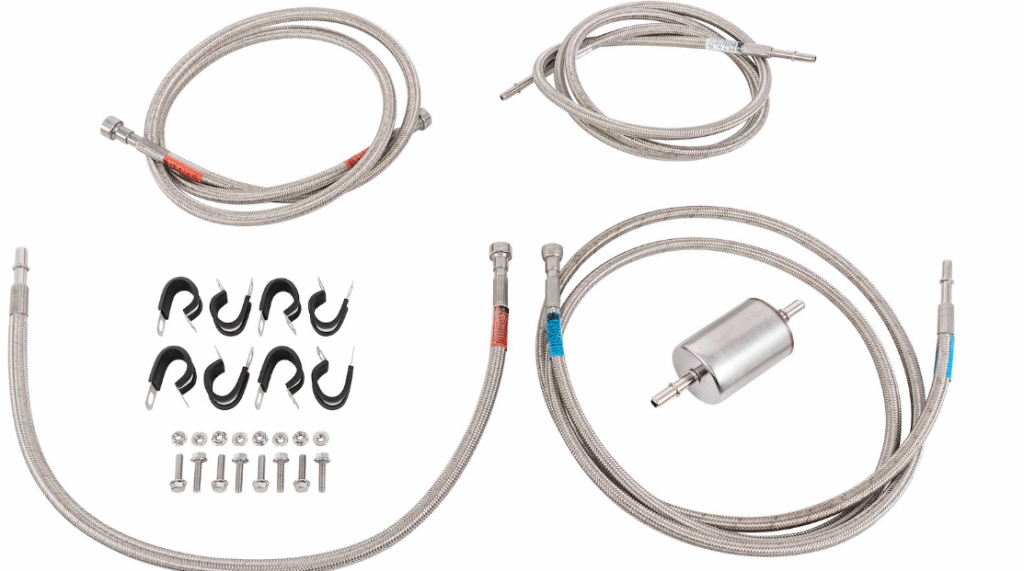
Cracks in the fuel tank, damaged seals, or a failing fuel pump gasket can allow fuel vapors to escape. These vapors may enter the cabin through the rear of the vehicle or through the trunk area.
A fuel smell that is stronger near the back seats or cargo area often points to a problem near the fuel tank. In some cases, the smell may be more noticeable after filling the tank.

Sign up now to join the JEGS email newsletter and be the first to learn about new products, special deals and e-mail only offers!
The evaporative emissions system is designed to capture and store fuel vapors so they can be burned by the engine. If a component such as the charcoal canister, purge valve, or vent valve fails, fuel vapors may escape instead.
A malfunction in this system may cause a fuel smell without a visible liquid leak. It may also trigger a check engine light, although this does not always happen right away.
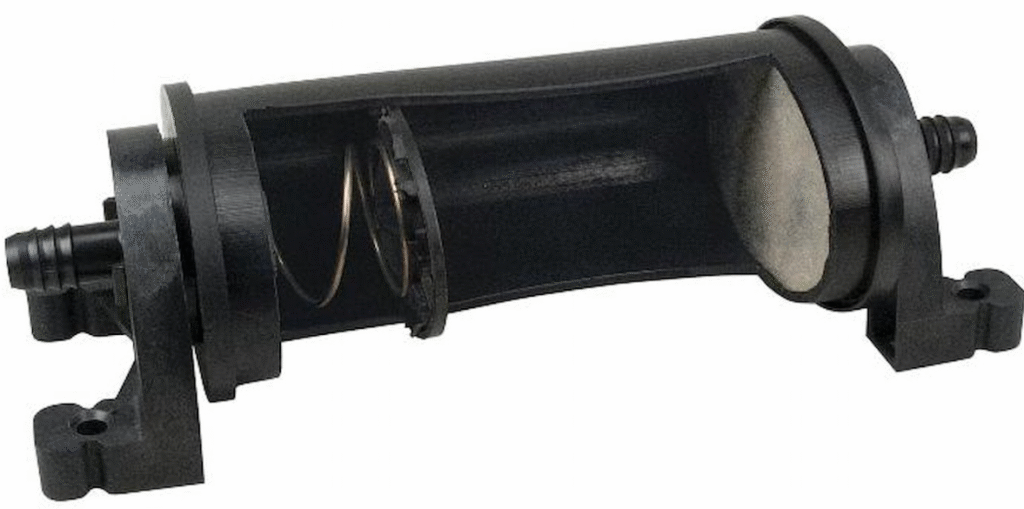
A loose, damaged, or incorrect gas cap is a simple but common cause of fuel odor. If the gas cap does not seal properly, fuel vapors can escape and enter the cabin, especially after refueling.
Tightening the cap until it clicks or replacing a worn cap is an easy first step when diagnosing fuel smells.

In some cases, what smells like fuel is actually exhaust entering the cabin. Exhaust leaks near the engine or under the vehicle can allow fumes to be drawn inside through the heating and ventilation system.
Exhaust leaks are dangerous and should be addressed immediately. A strong odor, unusual noises, or visible exhaust damage are signs that require prompt inspection.
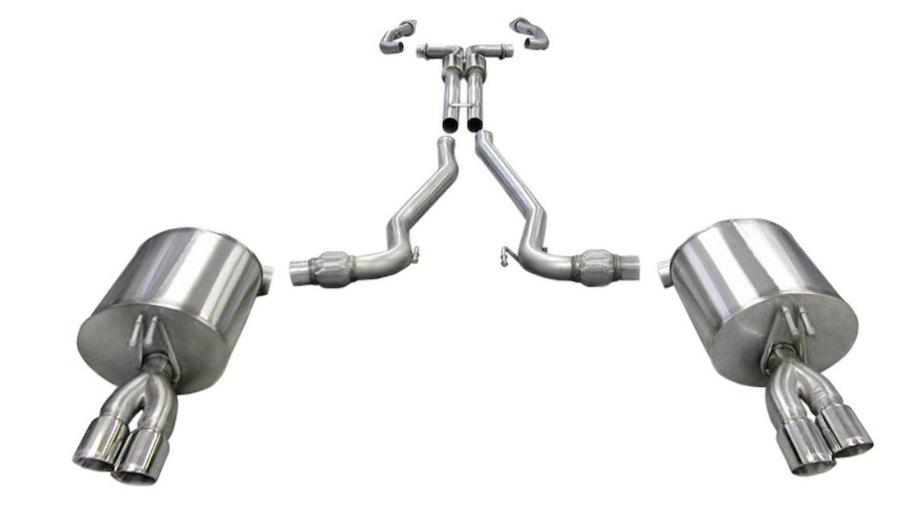
Paying attention to when the fuel smell occurs can help narrow down the cause. A smell at startup may point to engine bay leaks. A smell after refueling often suggests a gas cap or fuel tank issue. A smell while driving may indicate fuel line or evaporative system problems.
Noting these details can make diagnosis faster and more accurate.
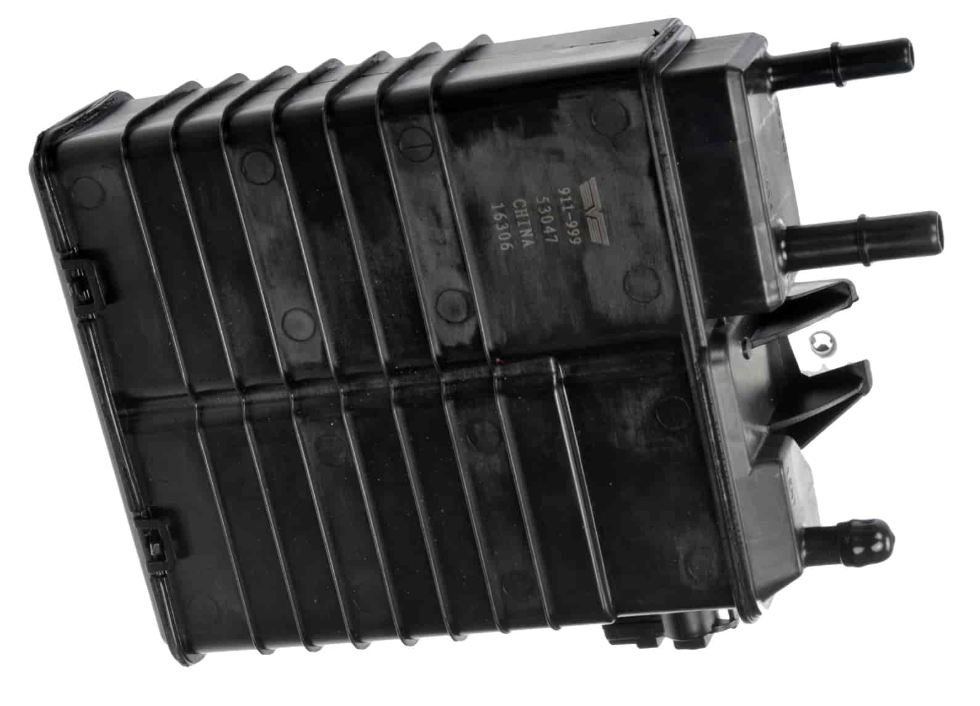
If you notice a fuel smell inside the cabin, avoid ignoring it. Inspect the gas cap, look for visible leaks if it is safe to do so, and avoid driving if the smell is strong or persistent.
Having the vehicle inspected by a qualified technician can help identify the source and prevent further issues. Fuel system problems should always be treated as a priority.
Once the cause of the fuel smell is identified, replacing damaged or worn components restores safety and peace of mind. At www.jegs.com, you will find a wide range of fuel system components, hoses, fittings, pumps, seals, and emissions system parts for street and performance vehicles.
If you need help diagnosing a fuel smell or selecting the right parts for your application, the JEGS Tech Specialists are available to help you resolve the issue and get back to safe, confident driving.




Leave a Reply