Holley carburetors are among the most respected and widely used components in the world of classic American muscle cars and hot rods. Known for their tunability and performance, Holley carbs provide enthusiasts with the flexibility to optimize fuel delivery across different driving conditions. However, one common challenge many encounter is the Holley cracked throttle lean spot.
This guide explains what the cracked throttle lean spot is, how to identify it, and the most effective tuning steps to eliminate it.
Understanding the Holley Cracked Throttle Lean Spot
The Holley cracked throttle lean spot refers to a momentary hesitation or stumble that occurs just as the throttle begins to open from idle. The issue is caused by an excessively lean air-fuel mixture during that initial throttle crack, resulting in sluggish response, hesitation, or even popping through the intake or exhaust.
While it only lasts for a brief moment, this hesitation can be frustrating and affect drivability, especially during low-speed acceleration. The lean spot is not due to a design flaw but rather a byproduct of improper carburetor adjustment or supporting component issues.
Common Causes Behind the Holley Cracked Throttle Lean Spot
Several factors can contribute to this lean condition when transitioning from idle to part throttle. Understanding these potential causes is key to effective tuning.
Incorrect carburetor tuning: Factory settings are often too generic. Holley carburetors (and any off-the-shelf carburetor) are meant to be fine-tuned for each specific application.
Low float levels: Inadequate fuel in the bowls reduces available fuel for the accelerator pump shot.
Weak accelerator pump shot: Worn pump diaphragms or undersized squirters can delay or reduce the fuel squirt needed during throttle transition.
Ignition timing issues: Insufficient initial timing can delay combustion and worsen the hesitation.
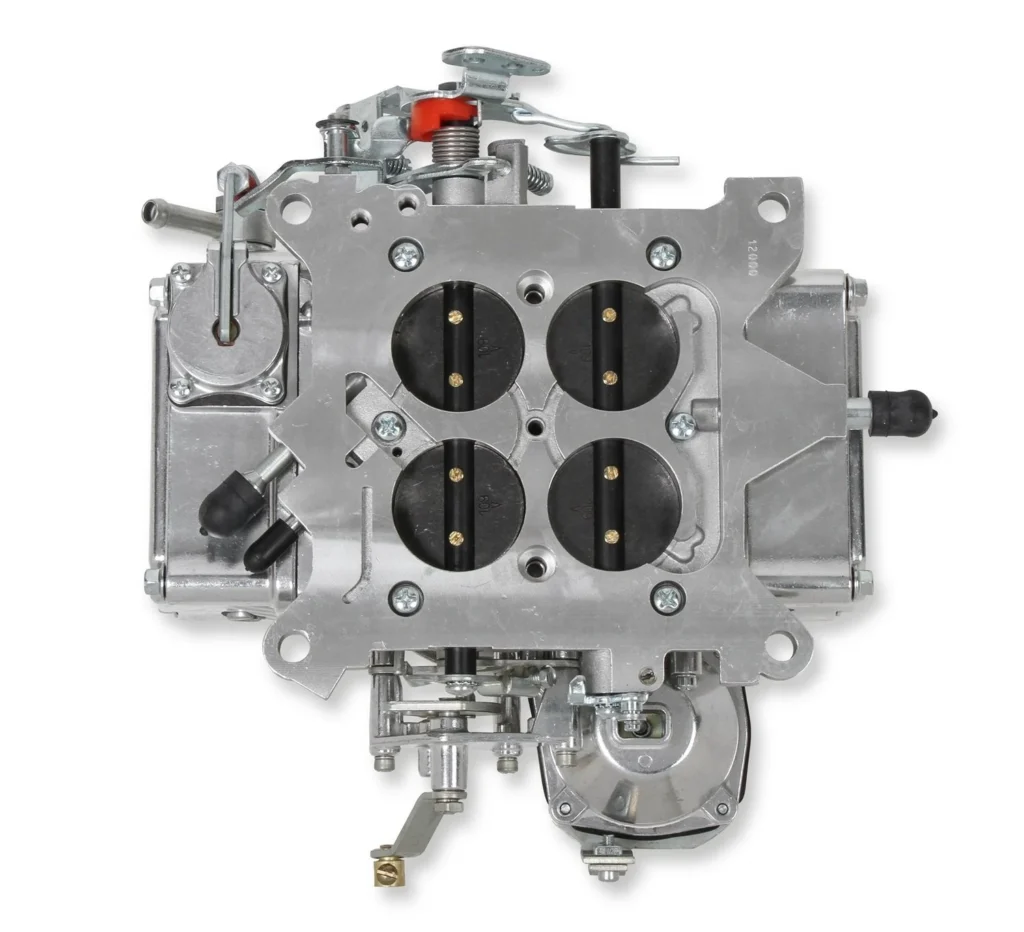
Throttle plate positioning: If the throttle plates are open too far at idle, the transfer slots may be overexposed, leading to poor transition behavior.
How to Identify and Diagnose the Lean Spot Issue
A true Holley cracked throttle lean spot is typically felt just as you gently depress the accelerator from idle. Here are the most recognizable signs:
Hesitation or stumble: A noticeable lag in throttle response, often described as a flat spot or stumble when accelerating from a stop.
Popping or spitting: These sounds, either through the exhaust or carburetor, can indicate a lean air-fuel condition.
Engine stutter: Light throttle application causes a stutter or delayed acceleration before smoothing out.
Only under light throttle: This issue does not usually present itself under wide-open throttle or aggressive acceleration.
To accurately diagnose the issue:
Warm the engine to operating temperature. Cold engines often hesitate due to other reasons not related to the lean spot.
Drive gently from a stop. Apply light throttle and listen for any hesitation, stumble, or popping.
Compare behavior at different throttle inputs. If hesitation only occurs under light throttle but not during moderate or hard acceleration, it is likely a cracked throttle lean spot.
JEGS Newsletter Signup
Sign up now to join the JEGS email newsletter and be the first to learn about new products,
special deals and e-mail only offers!
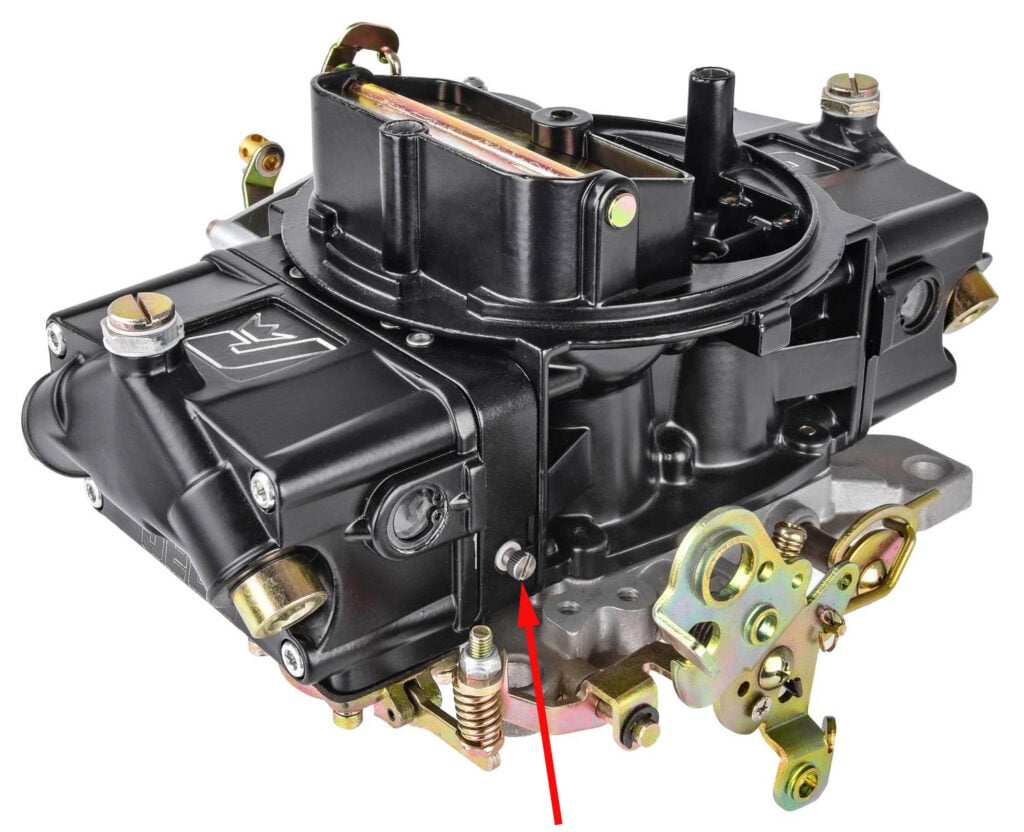
Fuel should be at the bottom edge of the sight hole or just barely trickling out.
Adjust the float as needed using the external float adjusters.
Step 4: Tune the Accelerator Pump System
Check pump arm clearance. The pump arm should have zero slack at idle. Adjust the pump cam or linkage screw to maintain constant contact.
Change pump cam profile. A more aggressive cam will deliver a stronger initial squirt.
Increase squirter size. If hesitation persists, try a larger squirter (e.g., move from a 28 to a 31). Use the smallest size that eliminates the lean spot.
Step 5: Adjust the Throttle Plate Position
Remove the carburetor and flip it over to view the transfer slots.
Ideally, the transfer slot should appear as a square, not a vertical slit. Overexposed slots can disrupt fuel delivery during throttle transition.
Use the throttle blade stop screw to slightly close the blades and re-center the slots.
Final Thoughts
The Holley cracked throttle lean spot can be a persistent and frustrating issue, but with the right approach and attention to detail, it can be resolved. Taking the time to fine-tune your carburetor setup not only improves drivability but also teaches you more about the inner workings of your engine.
Always work methodically, make one adjustment at a time, and test after each change. By addressing both the carburetor settings and the supporting systems, you can eliminate the hesitation and get the throttle response and power delivery your Holley carburetor is designed to provide.

 2 People Found This Article Helpful









Leave a Reply