Sign up now to join the JEGS email newsletter and be the first to learn about new products, special deals and e-mail only offers!

 4 People Found This Article Helpful
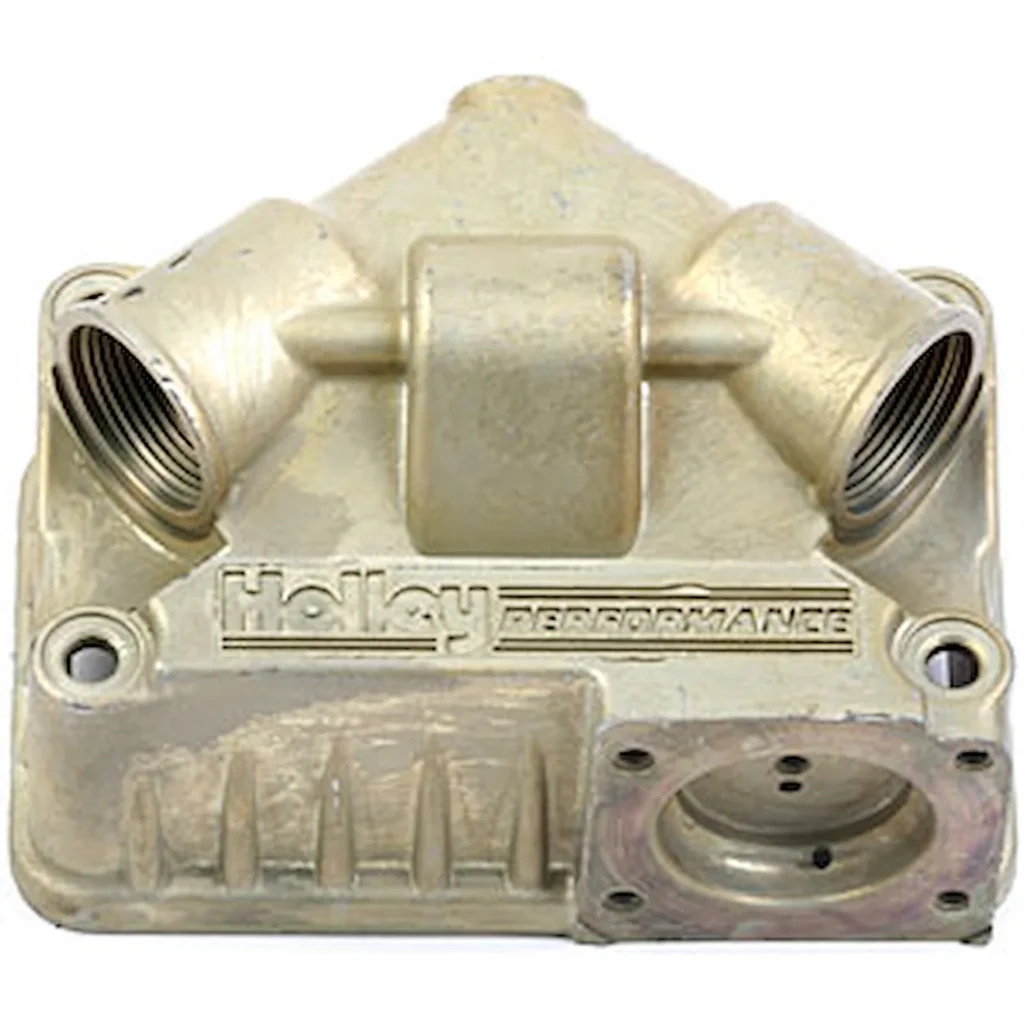
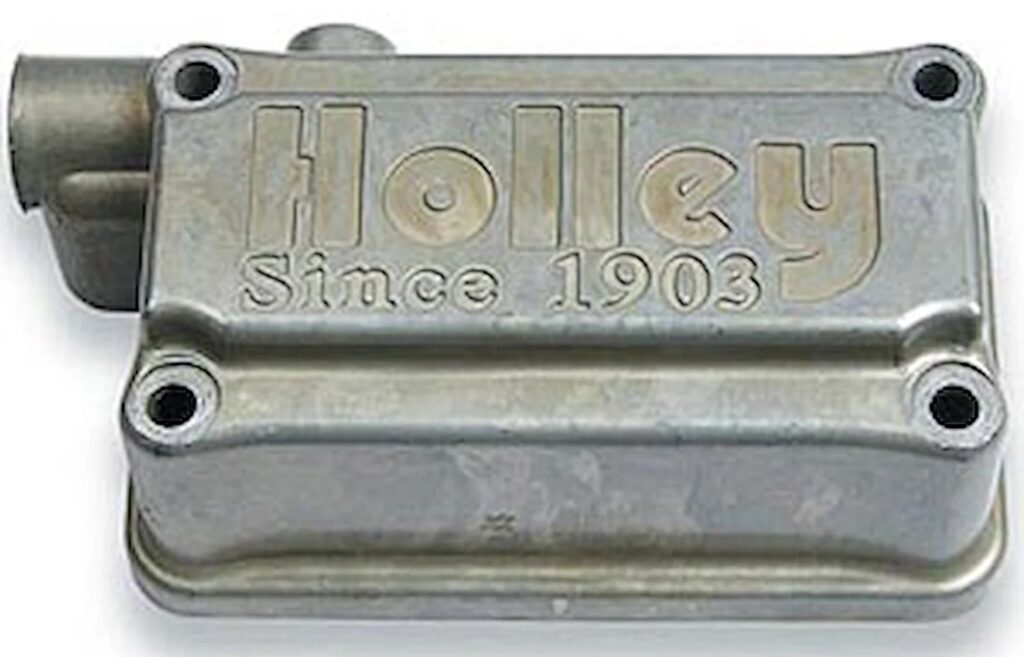

Holley is one of the most recognized names in performance carburetors, known for its high-quality designs, reliability, and ability to deliver maximum power. Whether you're restoring a classic muscle car or fine-tuning a street machine, Holley offers a range of carburetor configurations designed to meet different driving demands.
Among these configurations, two standout designs are the cathedral-style fuel bowl and the side pivot fuel bowl. While both serve the same essential function (delivering fuel to the engine) there are key differences that impact performance, fuel delivery stability, and compatibility with different applications.
This article provides a detailed comparison of what is Holley cathedral-style fuel bowl vs side pivot, explains how to identify Holley 1850, and offers expert tips to maximize performance with Holley carburetors.
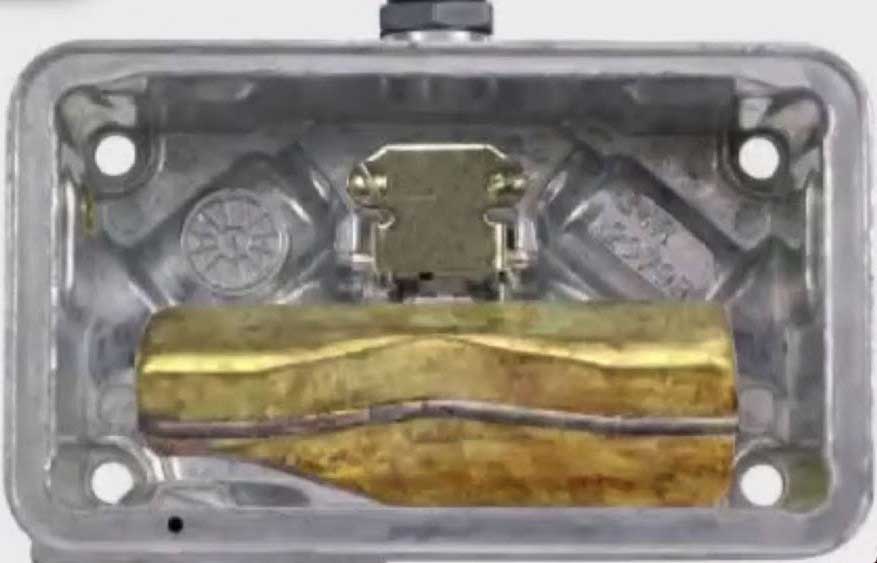
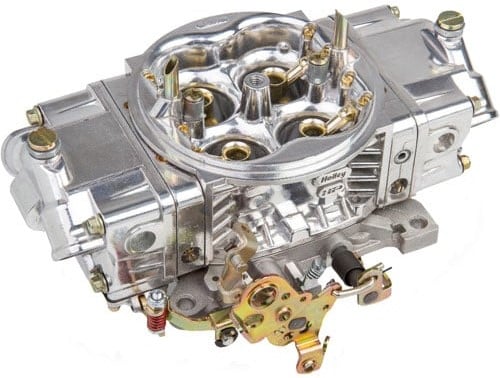
The cathedral-style fuel bowl is a classic Holley carburetor design that has been popular among racing enthusiasts and high-performance builds. It earned its name due to its arched top, which resembles the architecture of a cathedral.
The cathedral-style fuel bowl functions similarly to other carburetor bowls but features a larger fuel capacity. This design reduces fuel starvation and ensures a steady supply in high-performance conditions, particularly under:
-Rapid acceleration
-Hard braking
-High-speed cornering
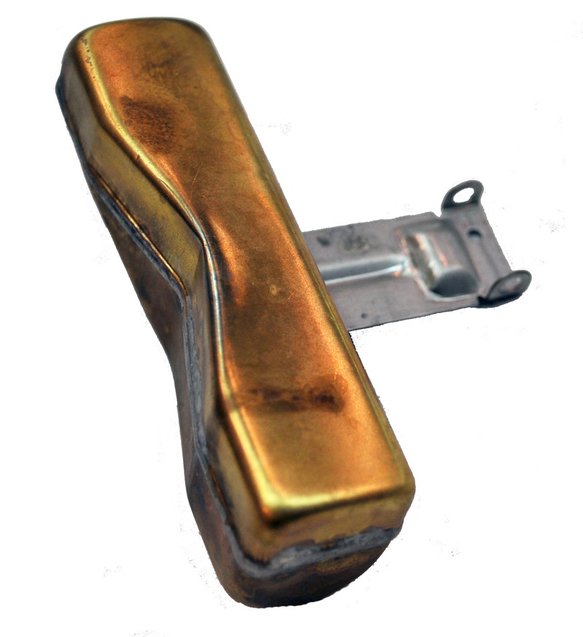
Inside the fuel bowl, a float regulates fuel levels. When fuel is drawn into the carburetor, the float lowers, allowing the needle and seat assembly to open and refill the bowl. The larger fuel reservoir in cathedral-style bowls means fuel delivery remains stable, even when pushing the engine to its limits.
More consistent fuel delivery – Ideal for drag racing, street performance, and high-horsepower applications
Minimizes fuel slosh – Reduces fuel starvation during aggressive driving
Larger fuel capacity – Helps maintain optimal air-to-fuel ratios in demanding conditions
The cathedral-style fuel bowl was commonly found on high-performance street cars and race cars during the 1960s and 1970s. While modern fuel injection has largely replaced carburetors, this design remains a favorite among restorers and performance tuners who seek authenticity and power.
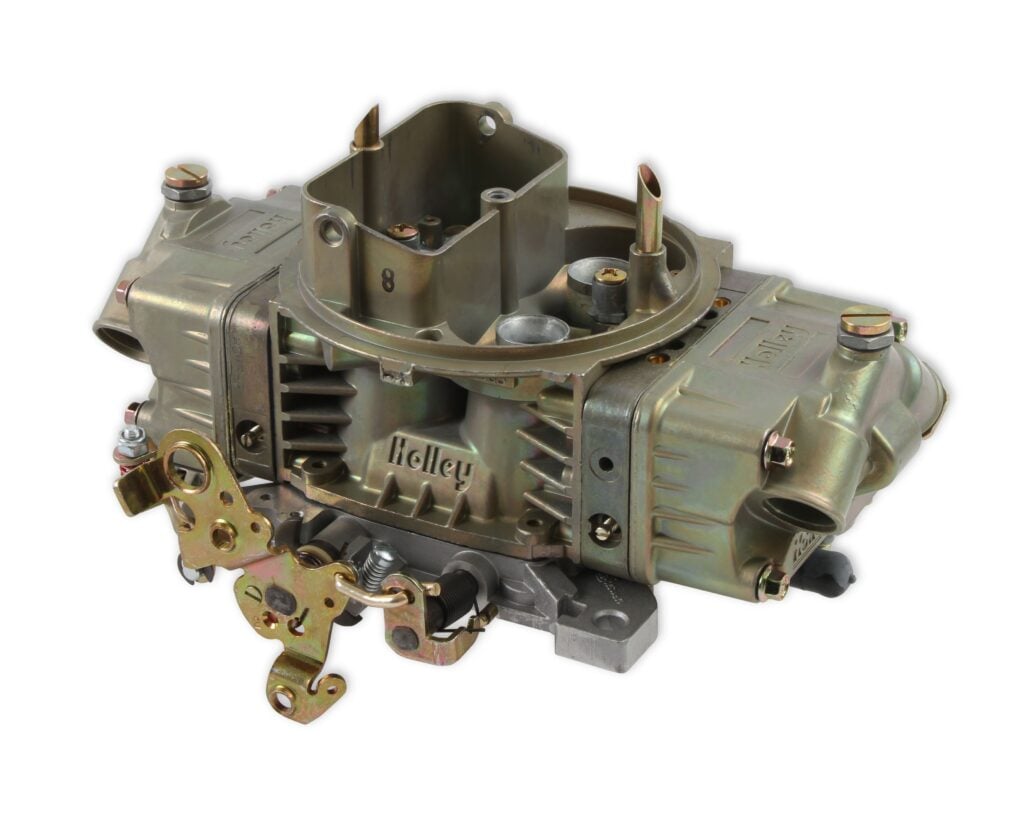
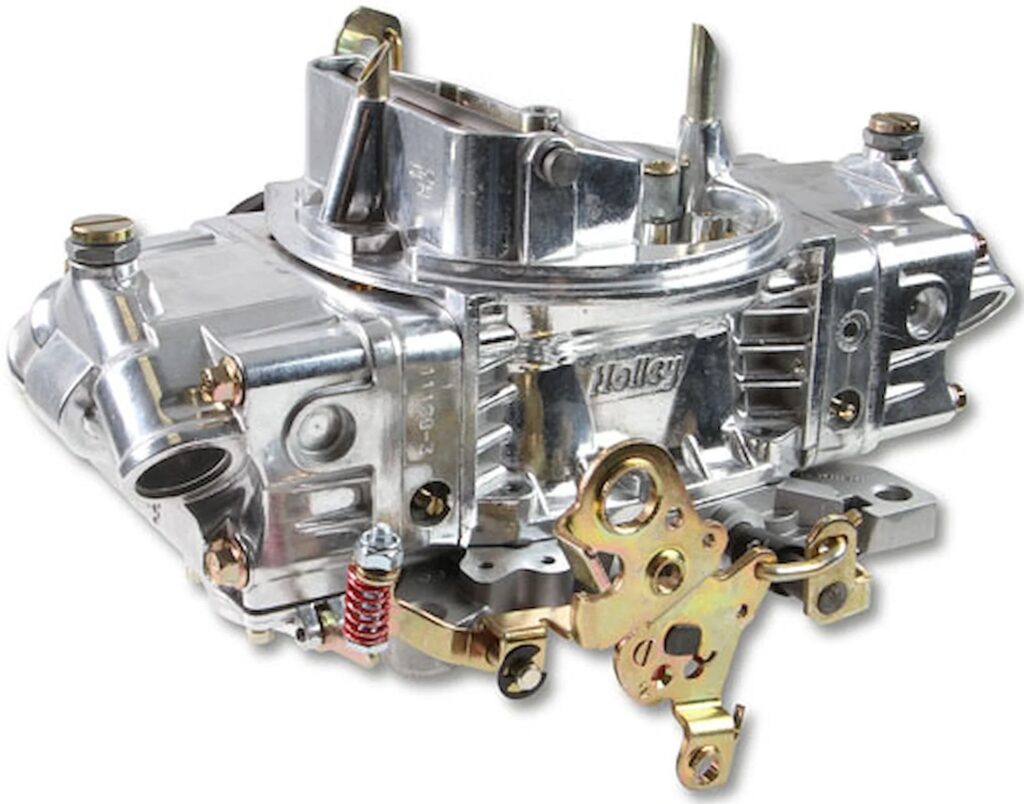
The side pivot fuel bowl, also known as a side-hung float bowl, is a Holley carburetor design commonly found in street-driven muscle cars, light trucks, and daily drivers. Unlike the cathedral-style fuel bowl, which features a centrally located float, the side pivot design places the float off to one side, influencing fuel control and carburetor performance in specific driving conditions.
The side pivot fuel bowl operates similarly to other carburetor bowls but is designed to prioritize fuel efficiency and smooth operation over extreme performance demands. The key difference is the float’s placement on the side of the bowl, which affects how fuel is metered into the carburetor during acceleration, braking, and cornering.
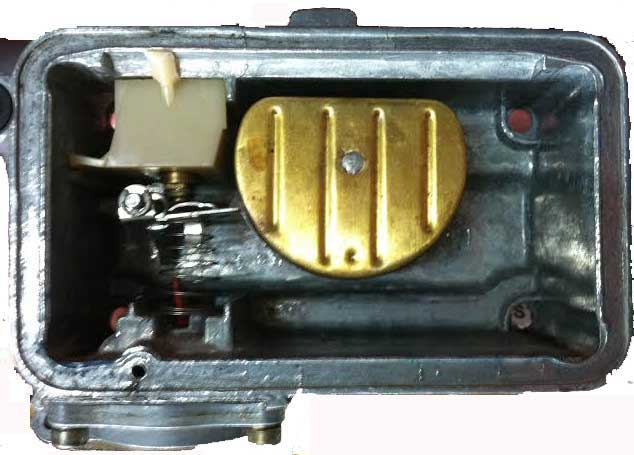
During operation:
Fuel enters the side pivot fuel bowl from the fuel inlet.
A float mechanism regulates the amount of fuel stored in the bowl.
As the engine consumes fuel, the float lowers, allowing the needle and seat assembly to open and replenish the supply.
Fuel is drawn through jets into the carburetor where it mixes with air before entering the engine.
Because the float is positioned to the side, it provides consistent fuel delivery under normal driving conditions. However, this design is more susceptible to fuel slosh under hard acceleration and braking compared to cathedral-style fuel bowls.
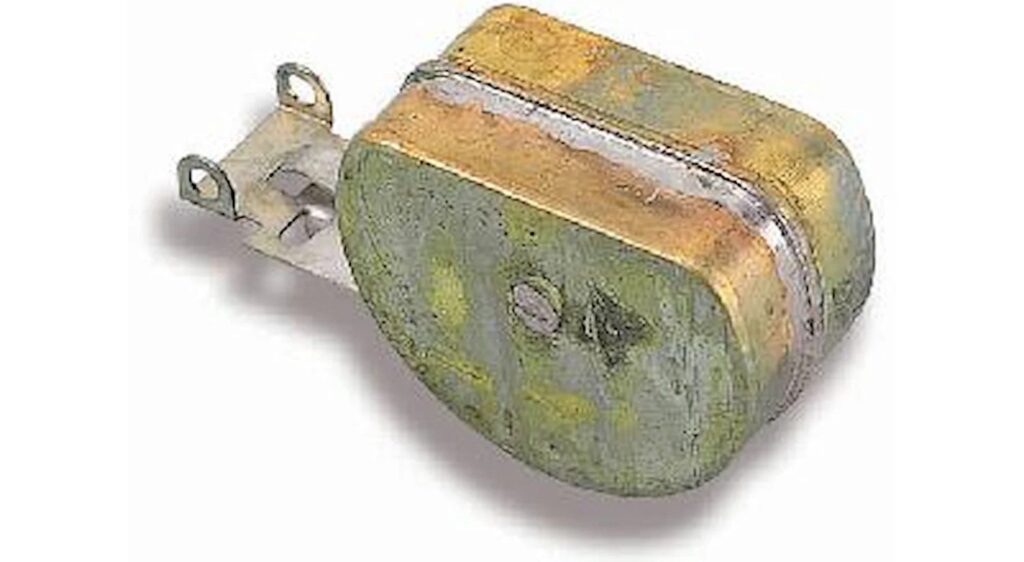
Smooth fuel metering – Designed for consistent and reliable performance in daily driving.
Better fuel efficiency – Provides accurate fuel control for improved economy compared to race-focused fuel bowls.
Easier tuning – Side pivot floats are simpler to adjust and maintain, making them user-friendly for most applications.
The side pivot fuel bowl is commonly found in Holley 1850-series carburetors and other 4160-series street-performance models. It is ideal for:
Daily-driven muscle cars and hot rods
Mild street performance builds
Light trucks and classic vehicles used for cruising
While not optimized for extreme racing conditions, the side pivot fuel bowl remains a reliable choice for drivers who want Holley carburetor performance without excessive fuel consumption or complex tuning requirements.

Sign up now to join the JEGS email newsletter and be the first to learn about new products, special deals and e-mail only offers!
The Holley 1850 is one of the most widely used Holley performance carbs, particularly in street-driven muscle cars, hot rods, and mild performance builds. If you need to determine whether your carburetor is a Holley 1850, follow these steps.
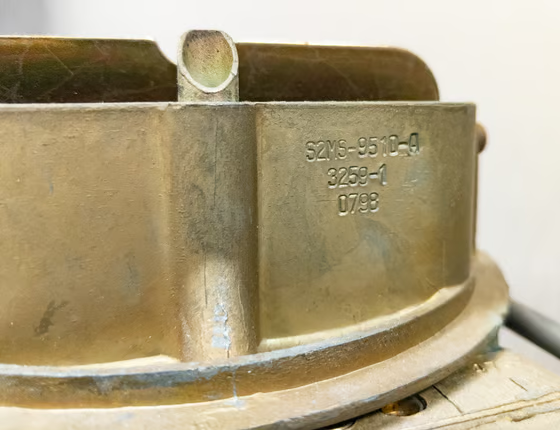
The easiest and most accurate way to identify a Holley 1850 carburetor is by checking the list number. This number is stamped on the choke horn and typically appears as R1850-2 or a similar format.
Once you locate the list number, you can cross-reference it with Holley’s database to confirm that you have an 1850-series carburetor.
Unlike Holley 4160 carburetors, which feature cathedral-style fuel bowls, the Holley 1850 uses side-pivot fuel bowls. This is a key visual difference that sets the 1850 apart.
Holley 1850 = Side Pivot Fuel Bowls
Holley 4150/4160 = Cathedral-Style Fuel Bowls

The Holley 1850 is rated at 600 CFM, making it a popular choice for mild V8 engines. If your carburetor falls within this CFM range and has side-pivot fuel bowls, it’s likely a Holley 1850.
-Carburetor identification helps with tuning and upgrades
-Knowing the right model ensures compatibility with replacement parts
-Side-pivot and cathedral-style bowls impact fuel delivery differently
Upgrading to a Holley performance carb is a great way to boost horsepower, throttle response, and fuel efficiency. However, achieving optimal performance requires proper tuning and maintenance.
One of the biggest mistakes enthusiasts make is installing the wrong-sized carburetor. To calculate the correct CFM for your engine, use this formula:
(Engine CID × Max RPM × 0.85) ÷ 3,456 = Recommended CFM
Smaller carburetors improve fuel efficiency and low-end torque
Larger carburetors enhance high-RPM horsepower and throttle response
For example, a 350 CID small-block V8 spinning at 6,000 RPM requires a 600-650 CFM carburetor—making the Holley 1850 a great choice.
For best performance, set the fuel levels in the bowls correctly and adjust the air-to-fuel ratio. Use a vacuum gauge and wideband O2 sensor to dial in the mixture for the best throttle response and fuel economy.
If you're rebuilding or upgrading your Holley performance carb, invest in high-quality components such as:
Brass floats – More durable than plastic floats
Performance jets – Improve fuel delivery efficiency
Enhanced accelerator pumps – Boost throttle response
Over-tightening fuel bowl screws, jets, or float adjustments can damage the carburetor body and cause fuel leaks or poor performance. Always use the recommended torque specs from Holley.
Check for vacuum leaks – A lean condition can cause hesitation and poor acceleration
Inspect gaskets and seals – Prevents fuel leaks and ensures smooth operation
Use high-quality fuel filters – Keeps contaminants out of the carburetor

Both cathedral-style and side-pivot fuel bowls offer unique advantages, and choosing the right one depends on your driving style and performance goals.
Cathedral-style fuel bowls are best for high-performance applications, racing, and aggressive driving.
Side pivot fuel bowls, such as those found on the Holley 1850, are ideal for street performance, reliability, and daily driving.
Understanding the differences between Holley fuel bowls can help you fine-tune your carburetor selection for maximum performance. Whether you're building a track monster or a weekend cruiser, Holley carburetors continue to be a top choice for classic and modern muscle car enthusiasts.
If you need a new Holley carburetor, rebuild kits, or performance components, JEGS has everything you need. Browse our full selection of Holley carburetors, tuning kits, and performance parts.
Need expert help? Call JEGS Tech Support at 1-800-345-4545 for advice on selecting and tuning your Holley carburetor.




Leave a Reply