Sign up now to join the JEGS email newsletter and be the first to learn about new products, special deals and e-mail only offers!

 2 People Found This Article Helpful


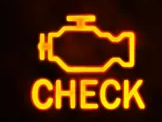
Seeing the check engine light turn on can immediately raise questions. Is it safe to keep driving, or do you need to stop right away? The answer depends on what triggered the light and how your vehicle is behaving. In some cases, you may be able to drive for a short time without causing damage. In others, continuing to drive can lead to costly repairs.
This article explains what the check engine light means, how serious it can be, and how long you can safely drive before addressing the problem.
The check engine light comes on when the engine control unit detects a problem that affects engine performance, emissions, or both. This can range from something minor like a loose gas cap to more serious issues involving ignition, fuel delivery, sensors, or internal engine components.
The light does not tell you exactly what is wrong. It is simply a warning that something needs attention.

A solid check engine light usually indicates a non-emergency issue. The vehicle may still drive normally, but a fault has been detected and should be diagnosed as soon as possible.
A flashing check engine light is more serious. This typically indicates an active engine misfire that can damage the catalytic converter. If the light is flashing, it is best to reduce speed and load immediately and avoid driving until the problem is addressed.

If the check engine light is solid and the vehicle is running normally, you can usually drive for a short period. This gives you time to schedule diagnostics or get the vehicle checked without immediate risk.
However, continuing to drive for days or weeks without diagnosis is not recommended. Even minor issues can worsen over time, reduce fuel economy, or cause damage to other components.
If you notice symptoms such as rough running, loss of power, hesitation, stalling, or poor fuel economy, driving should be limited until the issue is identified.
Sign up now to join the JEGS email newsletter and be the first to learn about new products, special deals and e-mail only offers!

Some problems that may allow short term driving include a loose or damaged gas cap, minor sensor faults, or small evaporative emissions leaks. These issues may not affect drivability right away but can still cause the check engine light to stay on.
Even in these cases, scanning for diagnostic trouble codes is important to confirm the cause and prevent future problems.
Certain problems mean you should stop driving as soon as it is safe to do so. These include a flashing check engine light, severe misfires, overheating, or major loss of power. Driving under these conditions can cause engine damage, catalytic converter failure, or leave you stranded.
Unusual noises, strong fuel smells, or visible smoke are also signs that driving should stop immediately.

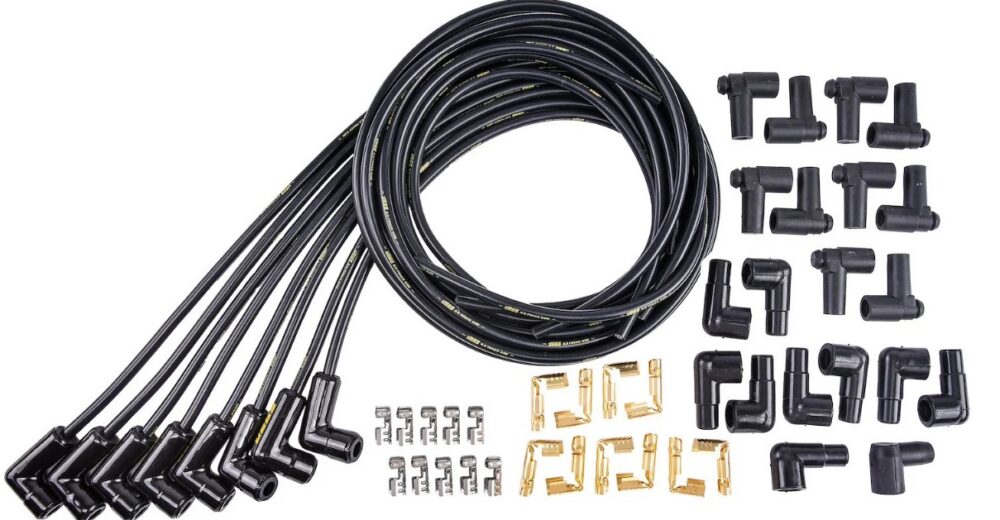
Ignoring the check engine light can lead to more than just inconvenience. A small issue can turn into a larger repair if left unresolved. For example, a misfire caused by a worn spark plug can damage the catalytic converter over time, leading to a much more expensive repair.
In addition, many vehicles will fail emissions testing if the check engine light is on, even if the car seems to run fine.
The first step is to note whether the light is solid or flashing and whether the vehicle is showing any drivability issues. Checking the gas cap is a quick and easy step that can sometimes resolve the problem.
Using an OBD-II scanner to read diagnostic trouble codes provides valuable information about what triggered the light. This helps narrow down the cause and determine how urgent the repair may be.
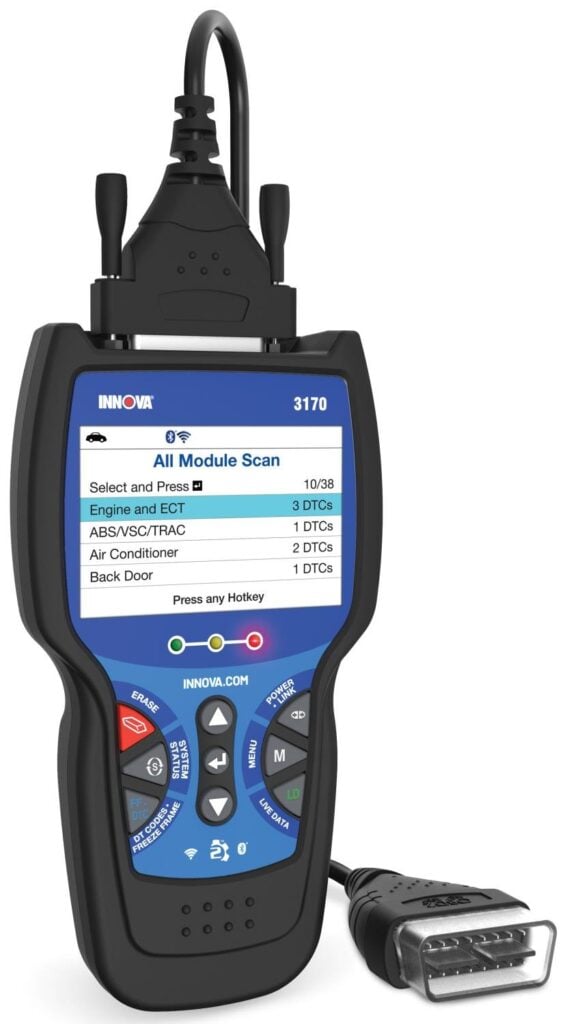
Once the issue is identified, addressing it promptly helps protect engine performance and reliability. At www.jegs.com, you can find a wide selection of ignition components, sensors, emissions parts, fuel system components, and diagnostic tools to help resolve check engine light issues.
If you are unsure how serious the problem is or what parts may be needed, the JEGS Tech Specialists are available to help you understand the issue and get your vehicle back to reliable operation.





Leave a Reply