Sign up now to join the JEGS email newsletter and be the first to learn about new products, special deals and e-mail only offers!

 7 People Found This Article Helpful


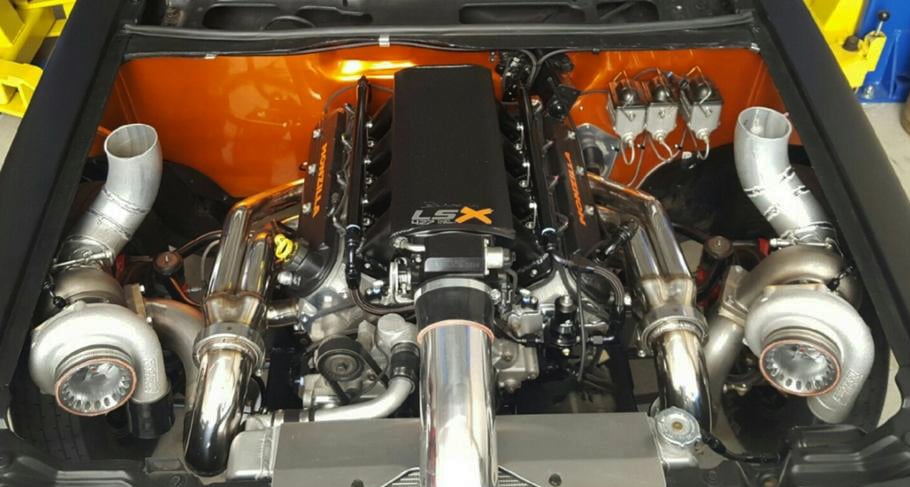
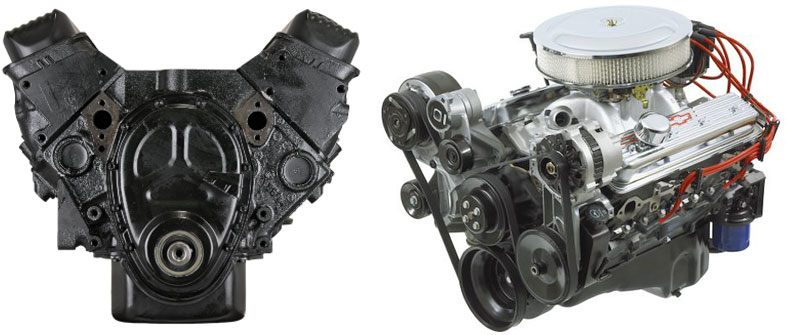
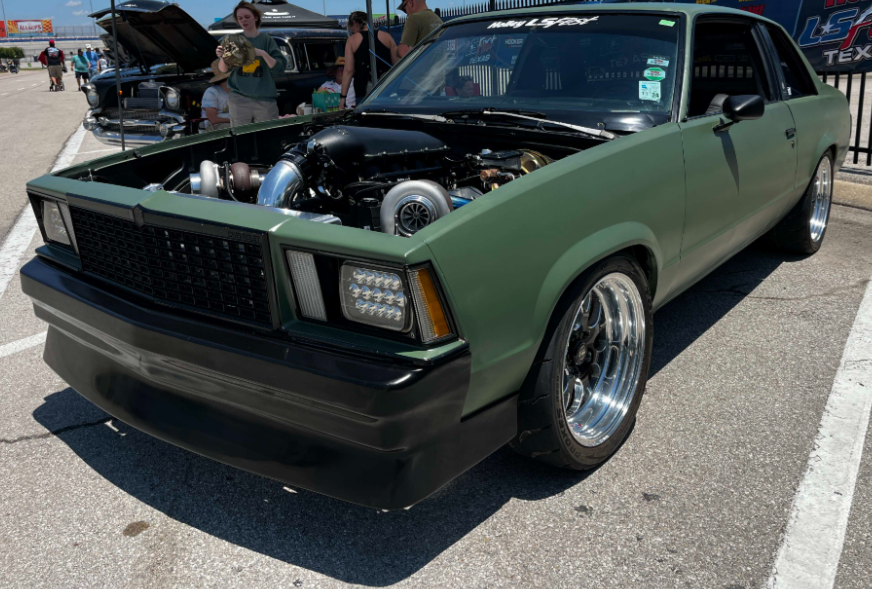
An engine swap is a great way to take your vehicle to the next level. Stock engines can be sufficient, but a new engine can work wonders if you want to increase your horsepower and get better overall performance out of your car. This is especially true if you swap out the stock motor for an LS engine, which can have a power output ranging from 300 to 500 horsepower, even at the base level. Swapping out a stock powertrain for an LS engine is a fairly complex process, but if you know the steps and take them individually, you can inject some serious power into your car.
Before you start the process of your LS swap, you need to ensure you have all the right tools and parts. LS engine conversions require serious modification of the engine compartment, which means you should feel comfortable using an angle grinder and other cutting tools and understand how to use them safely. The things you should gather before starting include:
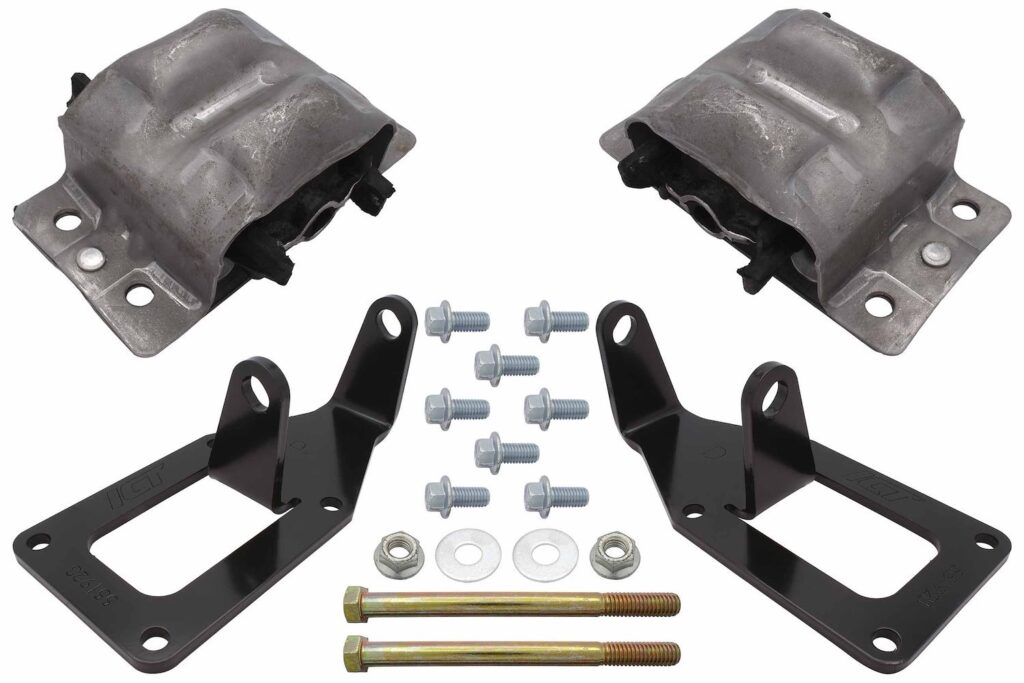
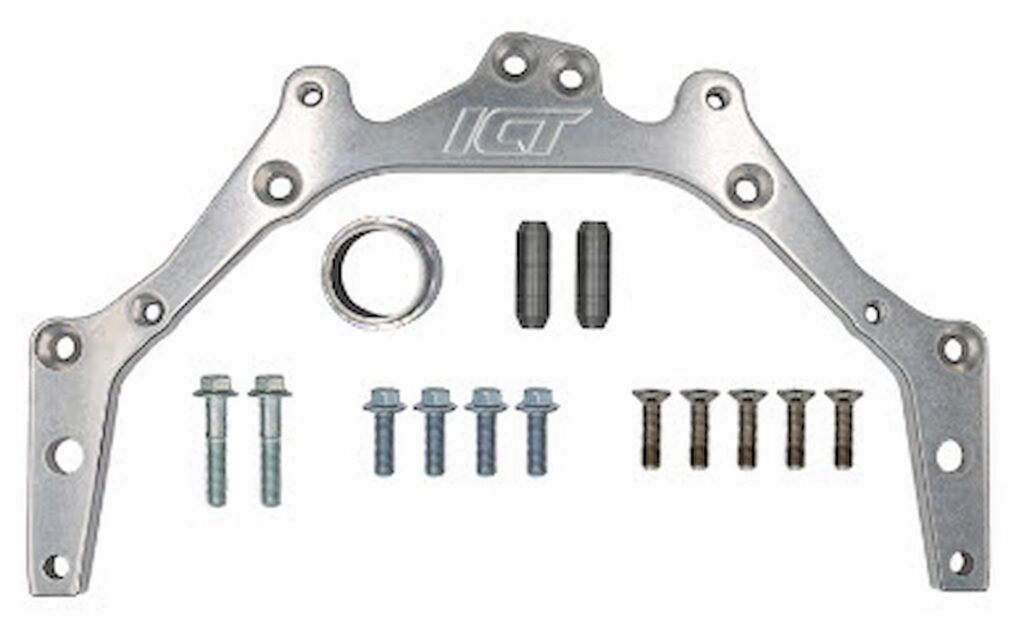
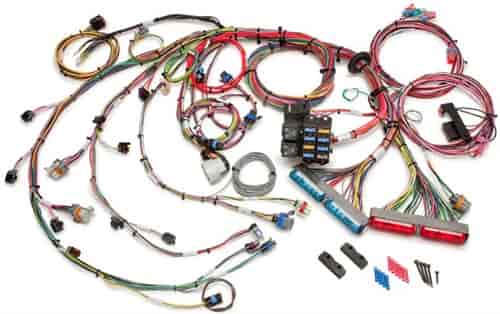
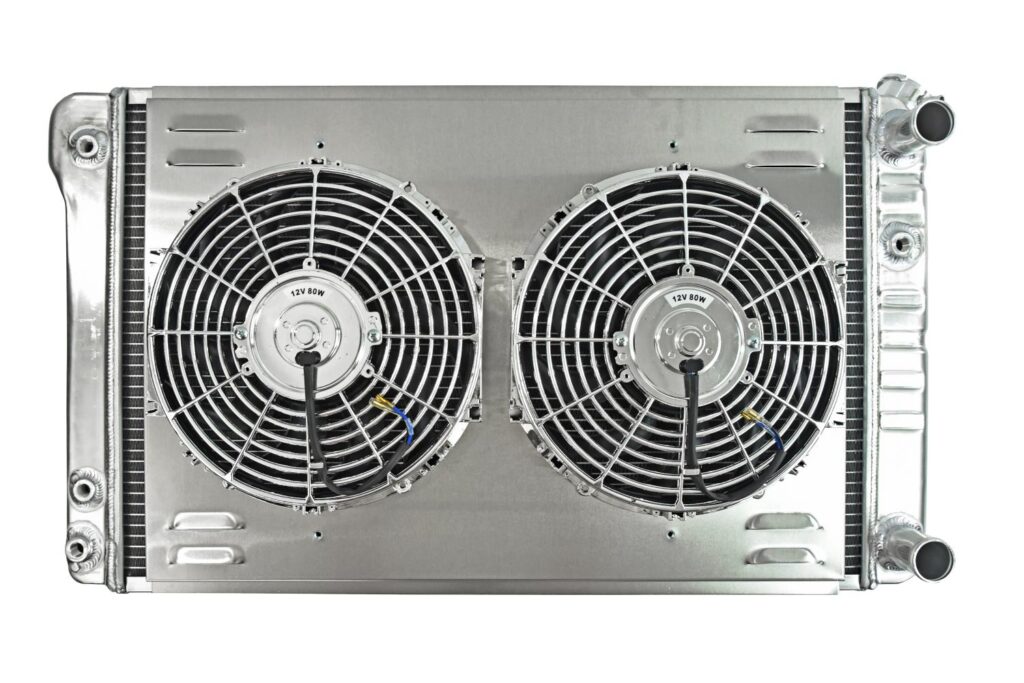


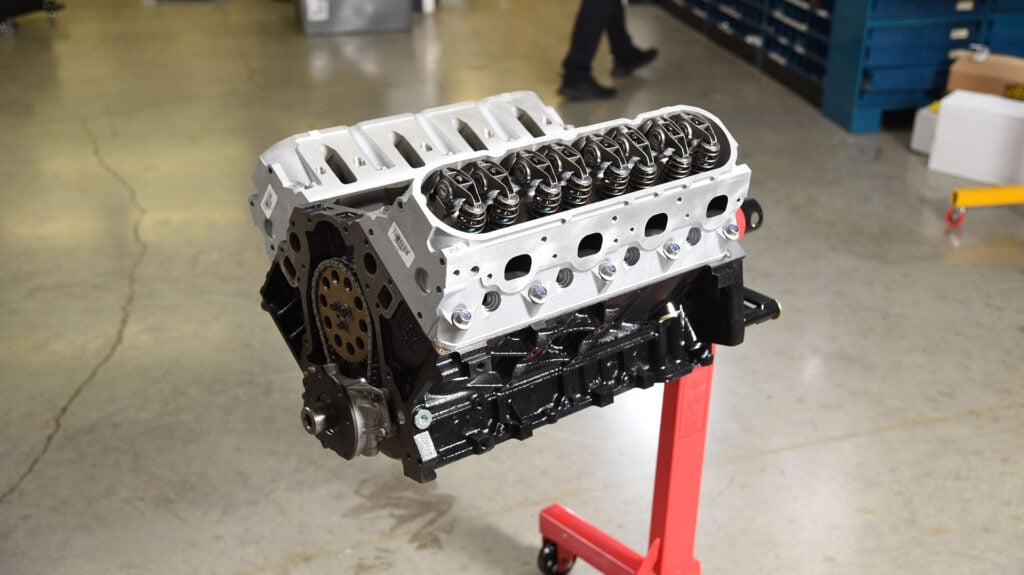
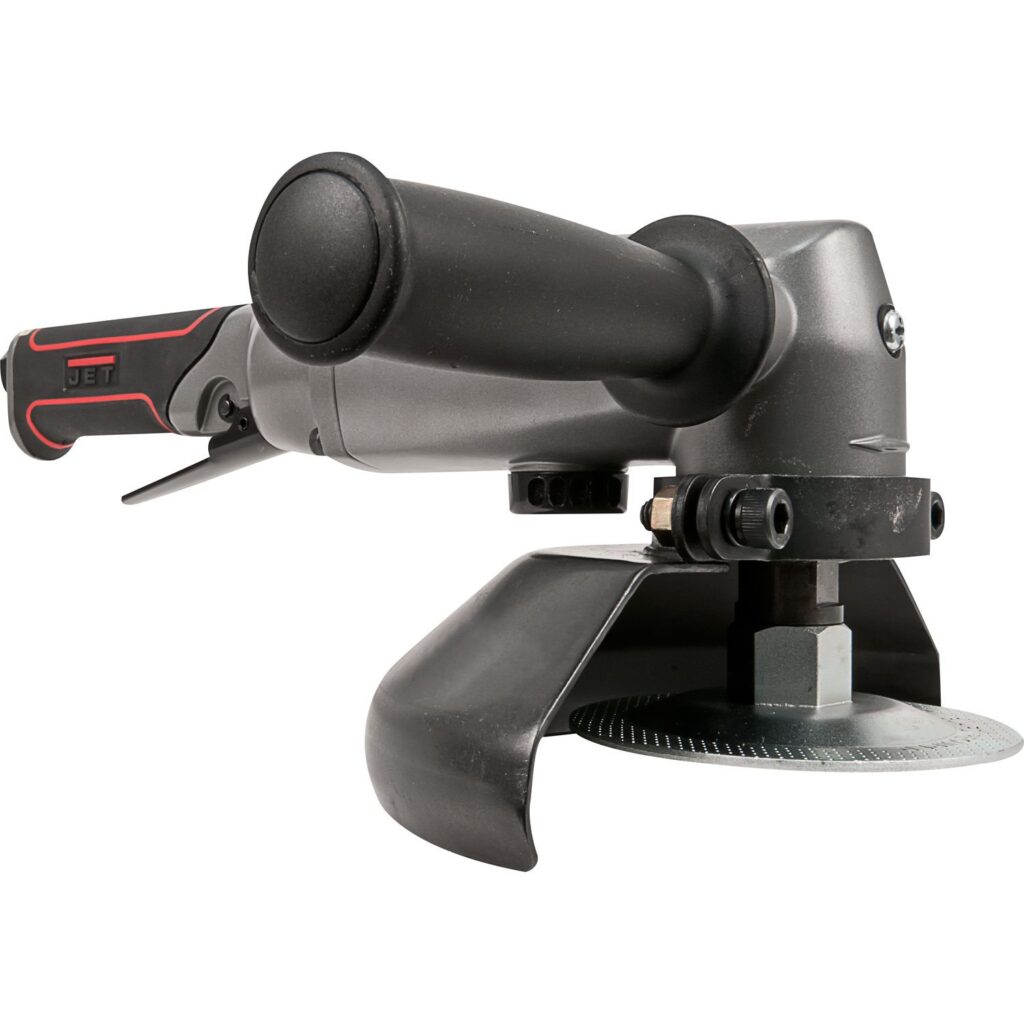
To start with the LS swap, you must first remove the old engine. This will include disconnecting things like the transmission, cooling system, electrical wiring, and motor mounts and unbolting them. It sounds easier said than done, and it is. But in your original planning, you should figure out which parts can stay and which ones will have to go, getting replaced so they’re compatible with your new Chevy LS engine.
You will also have to drain the engine of all fluids, including gasoline, motor oil, and coolant. Labeling all the different connections can be helpful so they will be easier to reconnect once the new engine is installed and mounted. Then, you can pull the engine out using the engine hoist.
Once you have the old engine out of the vehicle and off the engine hoist, test-fit the new LS motor. This is a great way to see where to modify the engine compartment. If everything fits without making any cuts or adjustments, you can start mounting the motor and reconnecting the different systems.
However, LS engines tend to be larger than stock motors, so you may have to cut away some areas of the engine compartment to make the new engine fit. Being familiar with a welder will come in very handy here.

Before you mount the engine, ensure it aligns with the transmission and that your adapter fits appropriately if you use one. Then, mount the engine with the new motor and transmission mount, taking care to use all the connection points. If you have correctly modified the engine compartment, you shouldn’t have any issues with fitment during this step. But no issues at all is rare… be prepared for some fiddling.
Sign up now to join the JEGS email newsletter and be the first to learn about new products, special deals and e-mail only offers!
Once the engine is mounted, you can reconnect all the different systems and install the new wiring harness. This is where it can be incredibly helpful to label everything before you take the old engine out. Check the specs and layout of the new wiring harness to ensure everything is properly connected and that all the different electrical loads match up.

After all the connections have been made, refill all the fluids and start tuning the engine. Whatever engine management system you have will most likely need to be recalibrated to make the new LS swap work properly. Whether you have an ECU or a carburetor, you must make adjustments to ensure you have the correct idle speed and air-fuel mixture.
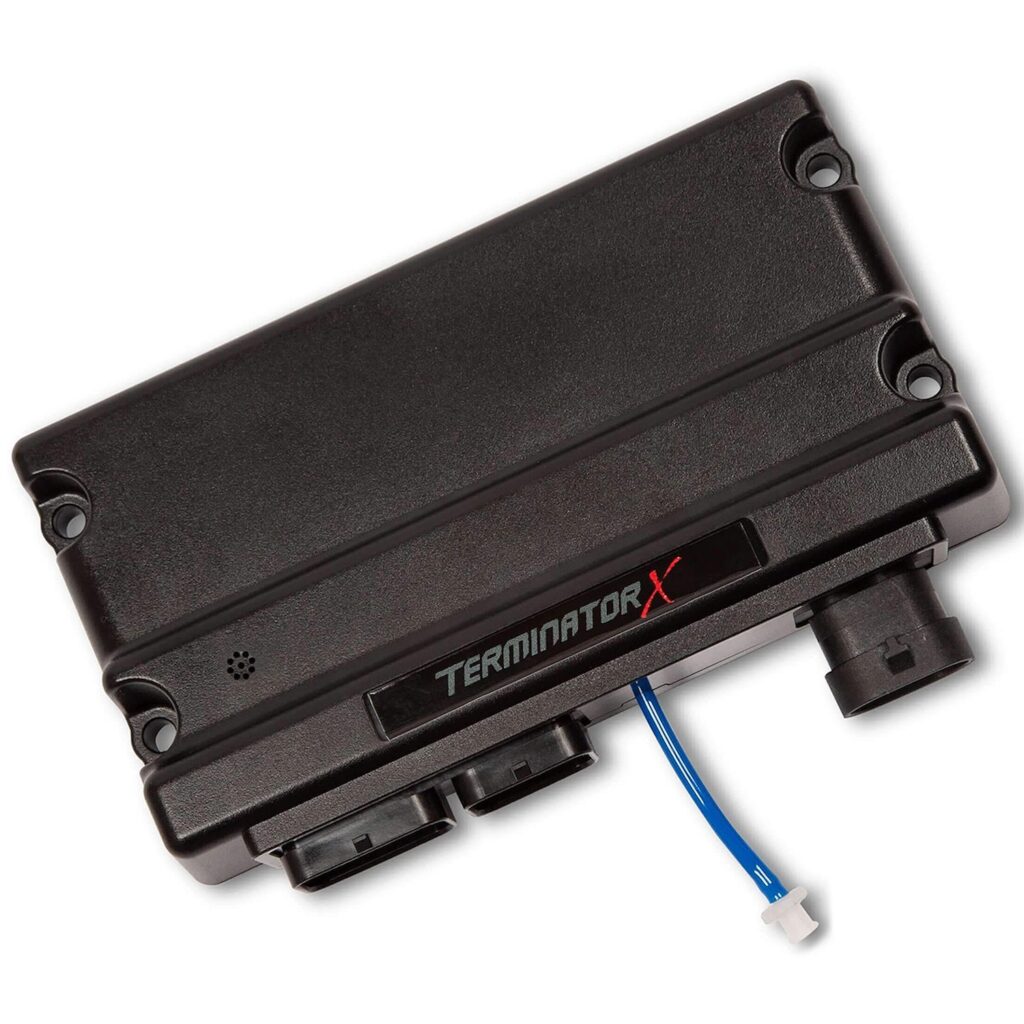
With everything calibrated and tuned, you can take your vehicle out for a test drive with its new LS engine conversion. As you are driving, listen for any unusual sounds or inconsistencies in the engine's running. This will tell you if you have to make tuning adjustments or if there is a vacuum leak in any of the connections.
Fitment is the most common issue that people come across when they swap an LS engine. LS engines are generally bigger than the stock motors they’re replacing, so the engine compartment may need some modifications before you can make the switch. There will also be some fitment issues with the transmission, so you will most likely need to replace the transmission entirely or use a transmission adapter to make everything compatible. Since it’s a popular swap, tons of different conversion kits are on the market, helping solve the problem faster.
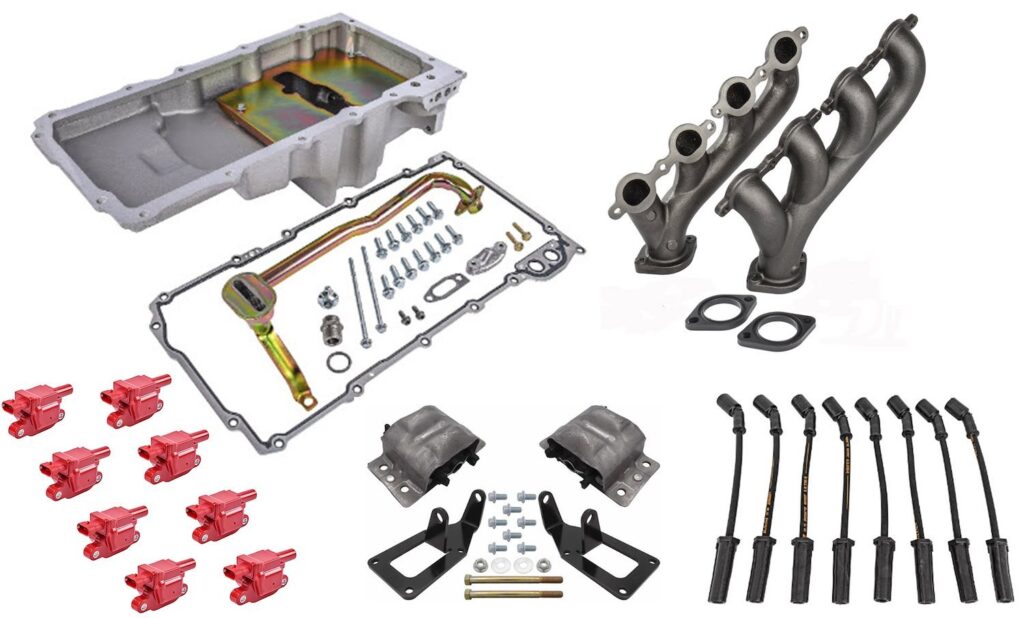
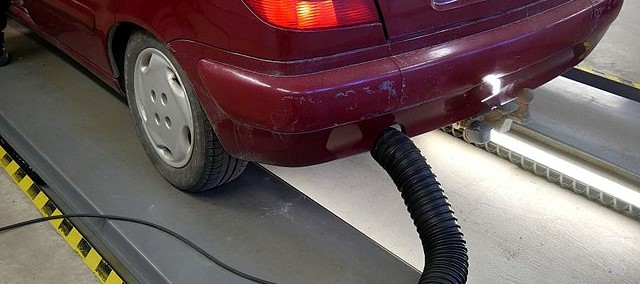
Emissions regulations are also a common challenge when doing an LS swap. Depending on where you live, there may be specific laws that you have to abide by when it comes to your vehicle and its emissions. For the most part, you should be able to swap without problems. However, you may have to take your car in for an emissions test before registering it with its new engine. Knowing the rules and regulations in your state before you make the switch can be helpful.
If you’re ready to do an LS engine swap, JEGS is your source for everything you need. With a wide range of tools, including engine hoists, socket sets, and parts that will help you make the switch quickly and painlessly, you can get the power and performance you have been looking for. Plus, you can have everything delivered right to your garage, so you can get started in no time.



Leave a Reply