Sign up now to join the JEGS email newsletter and be the first to learn about new products, special deals and e-mail only offers!

 2 People Found This Article Helpful


As winter approaches, it’s essential to prepare your vehicle for the colder months. Properly winterizing your car can help prevent breakdowns, extend the life of your vehicle, and keep you safe on icy roads. In this beginner’s guide, we’ll cover everything you need to know about how to winterize a car, from preparing your tires to ensuring your fluids are ready for the cold.
Winter conditions can be harsh on your vehicle. Freezing temperatures, icy roads, and corrosive salt can impact everything from tire grip to engine performance. Taking the time to winterize your car can help you avoid costly repairs and ensure your vehicle operates safely. Many car owners also wonder, how much does it cost to winterize your car? Costs can vary depending on your vehicle's needs, but most winterizing tasks are affordable and well worth the investment.
1. Install Winter Tires or Check Your All-Season Tires
One of the most critical steps in winterizing your car is ensuring your tires are ready for winter. Winter tires offer better traction on snow and ice due to their unique rubber composition and tread patterns. If you live in an area with heavy snowfall, switching to winter tires is highly recommended. For areas with milder winters, all-season tires may suffice, but make sure they have sufficient tread depth (at least 4/32 of an inch) to handle slippery conditions.

2. Check Your Tire Pressure
Cold weather can cause tire pressure to drop, affecting traction and fuel efficiency. Check your tire pressure regularly with a tire pressure gauge throughout the winter to keep it within the recommended range. Properly inflated tires ensure better grip on icy roads.

3. Inspect Your Brakes
Brakes are crucial for safe winter driving. Have your brakes inspected for wear and tear, and replace any worn brake pads or rotors before the winter season. This ensures reliable stopping power on slick, icy roads.

Sign up now to join the JEGS email newsletter and be the first to learn about new products, special deals and e-mail only offers!
1. Antifreeze/Coolant
Antifreeze is essential for keeping your engine from freezing in extremely low temperatures. Check your coolant levels and add more if necessary, or flush and refill the coolant system according to your car's maintenance schedule. Using the right antifreeze mix for your region’s climate is crucial for optimal protection.

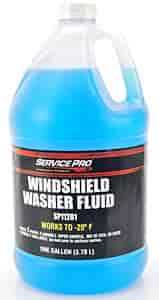
2. Windshield Washer Fluid
Regular windshield washer fluid can freeze in low temperatures, so switch to a winter formula that won’t freeze. This helps you maintain visibility during snow and slushy conditions. Make sure your wiper blades are also in good condition to keep your windshield clear.
3. Engine Oil
In colder temperatures, your engine oil can thicken, making it harder for the engine to start and run smoothly. Consider switching to a winter-grade oil that flows more easily in low temperatures. Check your owner’s manual or consult a professional to ensure you’re using the best oil for winter conditions.

1. Test Your Battery
Cold weather can reduce your battery’s efficiency, increasing the likelihood of a dead battery. To avoid getting stranded, have your battery tested at a local auto shop. If it’s over three years old, consider replacing it as part of your winter prep.

2. Check Electrical Connections
Inspect your battery cables and terminals for corrosion, which can interfere with starting in cold weather. Clean any corrosion with a wire brush and ensure the connections are secure. A little maintenance now can save you from winter morning frustrations.
3. Ensure Your Lights Are Working Properly
Winter means shorter days and often poor visibility. Check that all your lights, including headlights, taillights, and turn signals, are working correctly. Replacing dim or burnt-out bulbs can make a big difference in your visibility on dark winter roads.

The cost to winterize your car varies depending on the services required and your vehicle’s condition. Here’s a general breakdown:
While some may consider these costs unnecessary, the peace of mind that comes with winterizing your car—and avoiding expensive emergency repairs—is well worth the investment.
Knowing how to winterize your car is essential for safe winter driving. From tires and brakes to fluids and battery care, each step is crucial in protecting your vehicle from the harsh winter conditions. By following this guide, you’ll ensure your car is ready to face the season head-on. Remember, a little preparation goes a long way, keeping you safe and helping prevent costly repairs.

This is a really helpful guide for getting a car ready for winter, especially for beginners. I think checking the battery, tire pressure, coolant, and other fluids before temperatures drop is something many drivers overlook. Taking a little time to inspect these basics can help prevent unexpected issues and make winter driving safer and more comfortable.

Thank you, Sanja! We’re glad you found the guide helpful, especially for those preparing their vehicle for winter for the first time. Checking key items like the battery, tire pressure, coolant, and other fluids can go a long way toward preventing unexpected problems when temperatures drop. We appreciate you taking the time to share your feedback! If you have any additional questions or need help getting your vehicle winter-ready, one of our JEGS Techs would be happy to assist you at 1-800-345-4545.



Leave a Reply