Sign up now to join the JEGS email newsletter and be the first to learn about new products, special deals and e-mail only offers!

 2 People Found This Article Helpful


A slipping transmission is a problem that should never be ignored. When a transmission slips, engine speed increases without a matching increase in vehicle speed, which can affect performance, safety, and long term reliability. Whether the vehicle is equipped with an automatic or manual transmission, slipping is a clear sign that something is not working correctly.
This article explains what transmission slipping means, why it happens, and whether it is safe to keep driving when the symptoms appear.
Transmission slipping usually shows up as delayed acceleration, sudden changes in engine speed, or a feeling that the vehicle is struggling to stay in gear. In automatic transmissions, the engine may rev higher than normal before the vehicle accelerates. In manual transmissions, the clutch may feel like it is not fully engaging.
Slipping can occur during acceleration, when shifting gears, or while climbing hills.
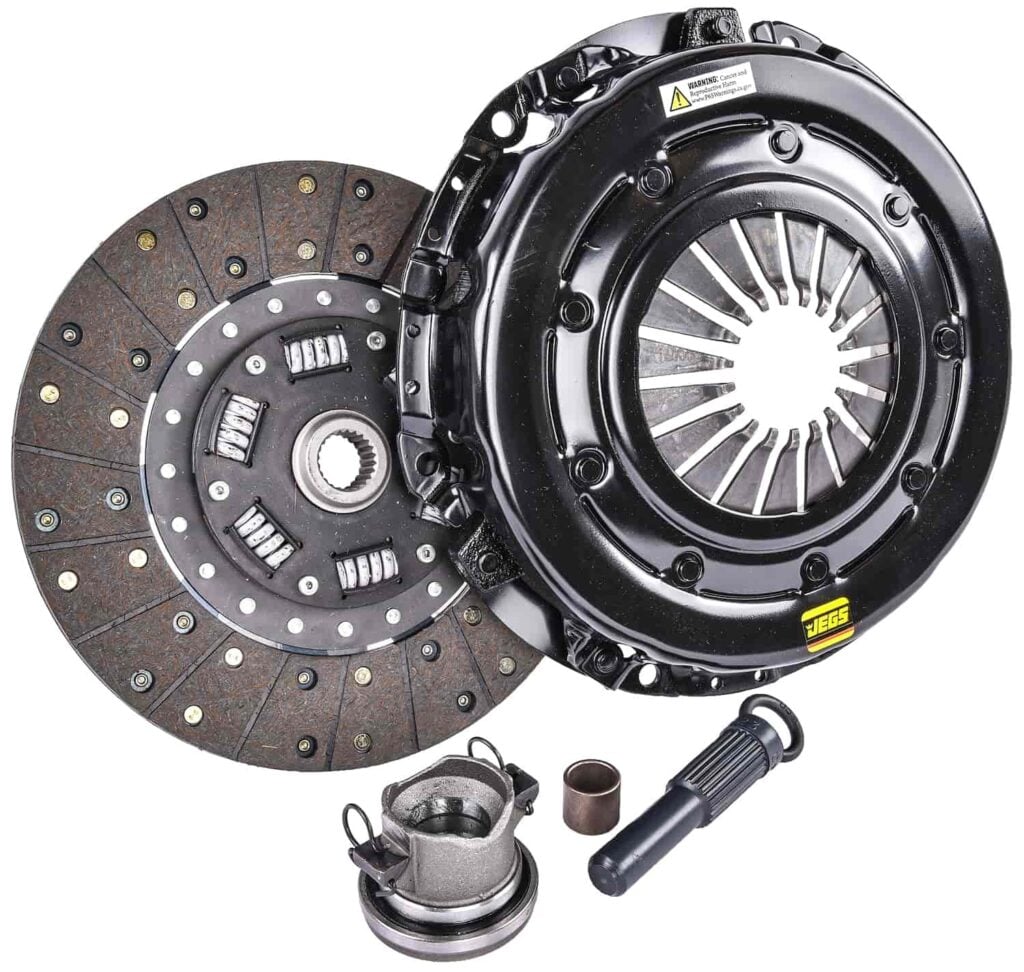
There are several reasons a transmission may begin to slip. Low or contaminated transmission fluid is one of the most common causes. Fluid that is old, dirty, or low cannot provide the hydraulic pressure or lubrication needed for proper operation.
Worn clutch packs, bands, or friction materials inside an automatic transmission can also cause slipping. In manual transmissions, a worn clutch disc, pressure plate, or release mechanism is often the source of the problem.
Other possible causes include faulty solenoids, valve body issues, or electronic control problems in modern transmissions.

In most cases, it is not safe to continue driving with a slipping transmission. Slipping generates excess heat and accelerates internal wear. Continued driving can quickly turn a repairable issue into a complete transmission failure.
In addition to mechanical damage, slipping can create safety concerns. Loss of power during acceleration or unpredictable gear changes can make merging, passing, or driving in traffic dangerous.
Sign up now to join the JEGS email newsletter and be the first to learn about new products, special deals and e-mail only offers!
If slipping is mild and caused by low transmission fluid, topping off the fluid may temporarily improve operation. However, this should only be considered a short term solution until proper repairs can be made.
Even if the vehicle seems drivable, it is best to limit driving and address the issue as soon as possible to avoid further damage.
Certain symptoms mean you should stop driving right away. These include burning smells, loud grinding or whining noises, slipping that worsens rapidly, or a transmission that will not stay in gear.
A flashing warning light or the transmission going into limp mode are also signs that driving should be avoided until the problem is diagnosed.

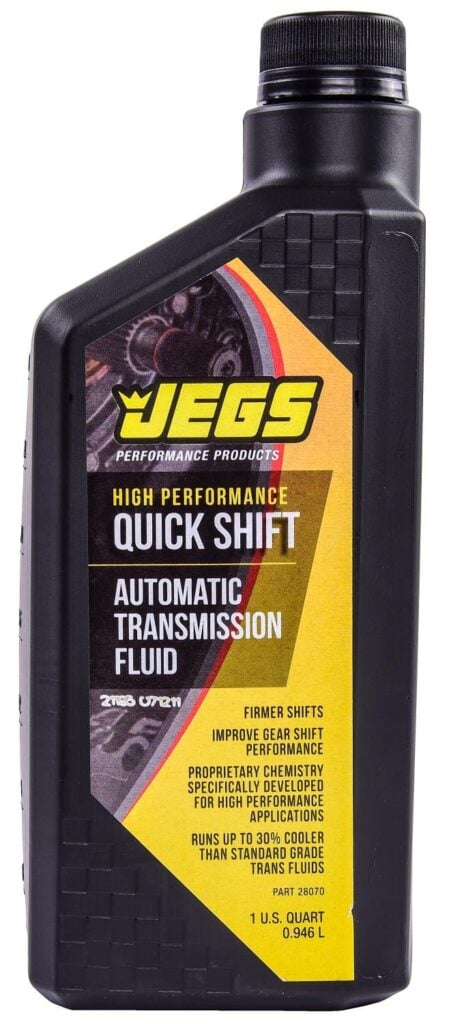
The first step is to check the transmission fluid level and condition if the vehicle allows it. Fluid that is dark, burnt smelling, or contaminated indicates a problem that needs attention.
Having the transmission scanned for diagnostic trouble codes can reveal electronic or control issues. A professional inspection may be needed to determine whether the issue can be repaired or if more extensive service is required.

Regular maintenance plays a major role in transmission health. Following recommended fluid service intervals, using the correct fluid type, and addressing small leaks early can help prevent slipping issues.
Avoiding excessive heat, heavy towing without proper cooling, and aggressive driving habits can also extend transmission life.

If you are dealing with a slipping transmission, addressing the problem quickly can help protect your vehicle and avoid costly repairs. At www.jegs.com, you will find a wide selection of transmission fluids, filters, coolers, clutch components, and drivetrain parts designed for both street and performance applications.
If you need help determining the cause of transmission slipping or selecting the right parts for your vehicle, the JEGS Tech Specialists are available to help you make the right decision and get back on the road safely.





Leave a Reply