Sign up now to join the JEGS email newsletter and be the first to learn about new products, special deals and e-mail only offers!

 2 People Found This Article Helpful
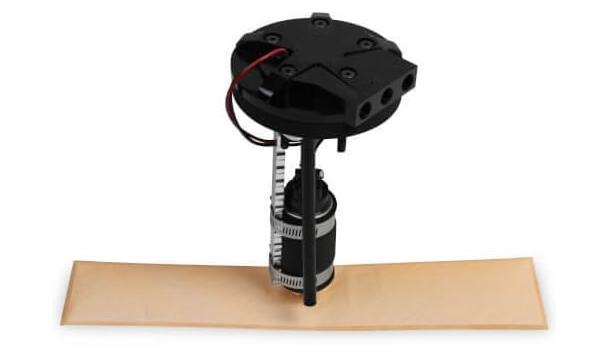

A fuel pump does not usually fail all at once. In many cases, it slowly weakens over time, causing drivability problems long before the engine refuses to start. Knowing the warning signs of a failing fuel pump can help you catch the issue early, avoid getting stranded, and prevent damage to other fuel system components.
This article explains what happens when a fuel pump is failing but not completely dead, the symptoms to watch for, and what steps to take to restore reliable performance.
The fuel pump delivers gasoline from the tank to the engine at a specific pressure and volume. Modern fuel injected engines rely on consistent fuel pressure to maintain the correct air and fuel mixture under all driving conditions.
When a fuel pump starts to fail, it often cannot keep up with demand, especially when the engine is under load.
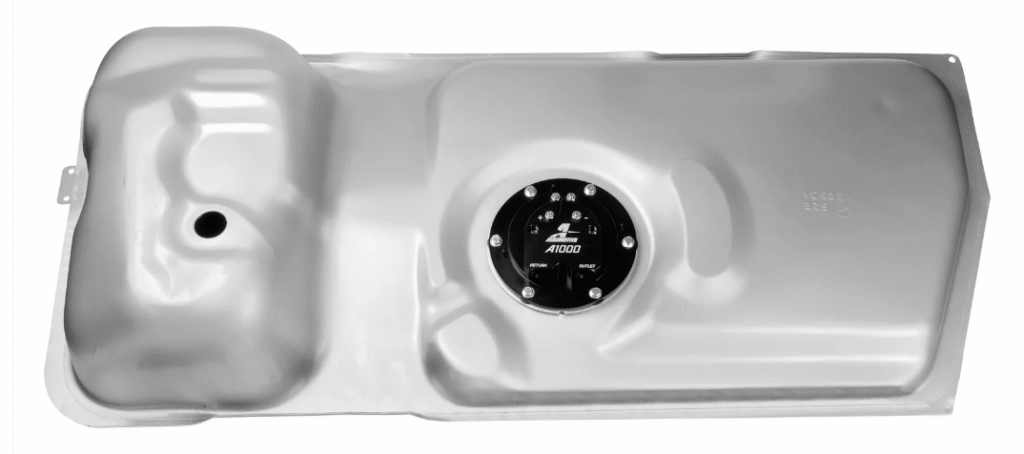
One of the earliest signs of a weak fuel pump is hard starting. The engine may crank longer than normal before starting, especially after sitting overnight.
This happens because the pump is struggling to build and maintain proper fuel pressure. In some cases, cycling the key a few times before starting may temporarily help, which is a strong indicator of a fuel pressure issue.

A failing fuel pump often shows its weakness when the engine needs more fuel. During acceleration, climbing hills, or merging onto the highway, the engine may hesitate, stumble, or feel like it is running out of power.
At steady cruise, the vehicle may seem fine, which can make the problem harder to diagnose. As the pump continues to weaken, these power loss symptoms usually become more frequent.
Inconsistent fuel delivery can cause the engine to surge or buck while driving. This may feel like the vehicle is briefly accelerating and decelerating on its own.
Surging often occurs at highway speeds or under light throttle and can come and go as fuel pressure fluctuates. This type of symptom is common when a fuel pump is on its way out but still functioning intermittently.
Sign up now to join the JEGS email newsletter and be the first to learn about new products, special deals and e-mail only offers!
At idle, the engine requires a steady but lower amount of fuel. A weak fuel pump may struggle to maintain consistent pressure, leading to rough idle or unexpected stalling.
Stalling may happen at stoplights, during deceleration, or shortly after starting. As the pump degrades further, stalling tends to become more frequent.

A healthy fuel pump typically produces a brief humming sound when the key is turned on. A failing pump may become noticeably louder, producing a whining or buzzing noise from the fuel tank area.
While some noise is normal, a sudden increase in volume or a change in tone can indicate internal wear.
When fuel pressure is inconsistent, the engine control system may struggle to maintain the correct air and fuel mixture. This can lead to inefficient combustion and reduced fuel economy.
If you notice declining mileage along with other drivability issues, the fuel pump should be considered as a possible cause.
A weak fuel pump does not always trigger a check engine light. Unless fuel pressure drops far enough to cause misfires or sensor readings outside acceptable limits, the engine computer may not detect a fault.
This is why fuel pressure testing is often necessary when symptoms point toward a fuel delivery problem but no codes are present.
Fuel pumps can fail due to normal wear, contamination, or overheating. Running the fuel tank very low on a regular basis can cause the pump to overheat, since fuel helps cool and lubricate it. Dirty fuel or debris in the tank can also accelerate wear.
Over time, internal components wear down, reducing the pump’s ability to deliver proper pressure.
If you suspect the fuel pump is failing, testing fuel pressure is one of the most important diagnostic steps. Comparing actual fuel pressure to manufacturer specifications can confirm whether the pump is weak.
It is also important to inspect related components such as the fuel filter, electrical connections, and fuel pump relay, since these can create similar symptoms.
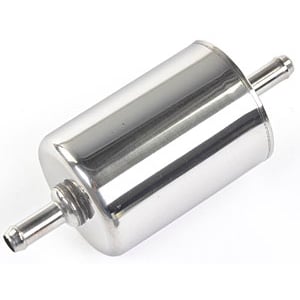
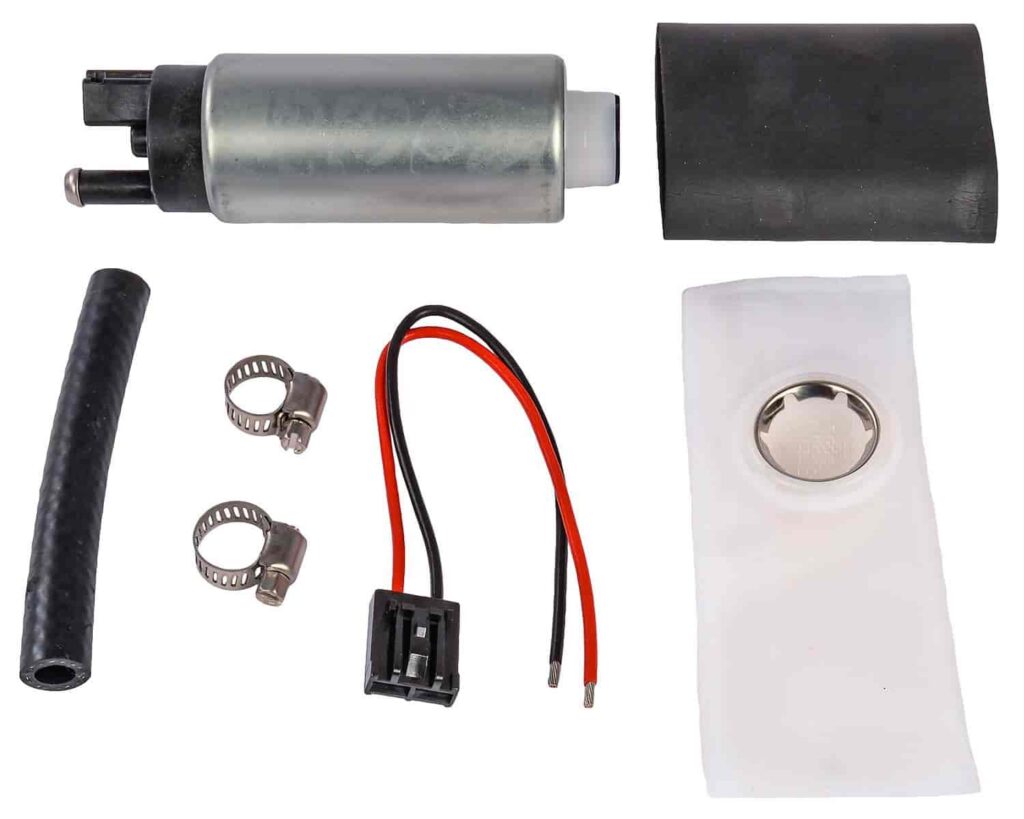
Replacing a failing fuel pump before it completely dies can help prevent unexpected breakdowns and reduce strain on other fuel system components. At www.jegs.com, you will find a wide selection of fuel pumps, fuel filters, fuel system upgrades, and related components designed for street and performance vehicles.
If you need help diagnosing fuel delivery issues or selecting the right fuel pump for your application, the JEGS Tech Specialists are available to help you restore reliable fuel flow and dependable engine performance.





Leave a Reply