Sign up now to join the JEGS email newsletter and be the first to learn about new products, special deals and e-mail only offers!

 2 People Found This Article Helpful


Turbocharged cars have revolutionized the automotive industry by delivering more power, better efficiency, and enhanced driving dynamics. Whether you're a performance enthusiast or someone seeking fuel savings, cars with turbo technology offer a compelling option. This guide explains how turbochargers work, their benefits, and how to maintain them for peak performance.
A turbocharger is a device that boosts an engine’s performance by increasing the amount of air entering the combustion chamber. This results in a more efficient and powerful combustion process.
Turbochargers enable smaller engines to produce power comparable to larger, naturally aspirated engines, making them a popular choice in modern turbo cars.
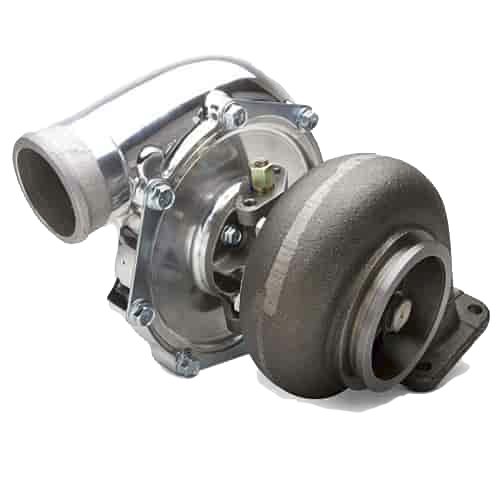
The appeal of turbocharged cars goes beyond raw power. Turbo technology offers a range of benefits that cater to both performance and practicality.
Turbochargers can significantly boost an engine's horsepower and torque, giving even compact cars the feel of a high-performance vehicle.

By enabling smaller engines to produce more power, turbochargers reduce weight and improve fuel economy. Many cars with turbo deliver better mileage than their naturally aspirated counterparts.
Turbocharged engines use exhaust gases to generate power, reducing waste and contributing to lower carbon emissions.
Turbochargers are not limited to performance vehicles. They are now found in a variety of models, from sporty coupes to family SUVs, catering to a broad range of drivers.

Sign up now to join the JEGS email newsletter and be the first to learn about new products, special deals and e-mail only offers!
Maintaining a turbocharged car requires some special attention to ensure the turbocharger operates efficiently and lasts as long as possible.
Turbochargers rely on engine oil for lubrication. Using high-quality oil and adhering to recommended change intervals is crucial for preventing premature wear.

After driving at high speeds or under heavy load, allow the engine to idle for a minute or two before shutting it off. This cools the turbocharger and prevents oil from overheating.
Avoid overloading your turbocharger by ensuring the boost levels remain within the manufacturer’s recommendations.

A clean air filter ensures that the turbo receives clean air, reducing the risk of debris damaging the turbine.

Unusual noises, reduced power, or excessive smoke from the exhaust could indicate a problem with the turbocharger. Address issues promptly to avoid costly repairs.
Turbo cars combine performance, efficiency, and versatility, making them a smart choice for a wide range of drivers. Whether you’re looking for thrilling acceleration or better fuel economy, cars with turbo offer an ideal solution. Proper maintenance ensures your turbocharged engine continues to deliver exceptional performance for years to come.
At JEGS, we offer a wide range of parts and accessories for turbocharged vehicles. From turbo kits to maintenance tools, we have everything you need to keep your turbocharged car running at its best. Contact us today or explore our online catalog to find the perfect products for your vehicle!




Leave a Reply