Sign up now to join the JEGS email newsletter and be the first to learn about new products, special deals and e-mail only offers!

 118 People Found This Article Helpful

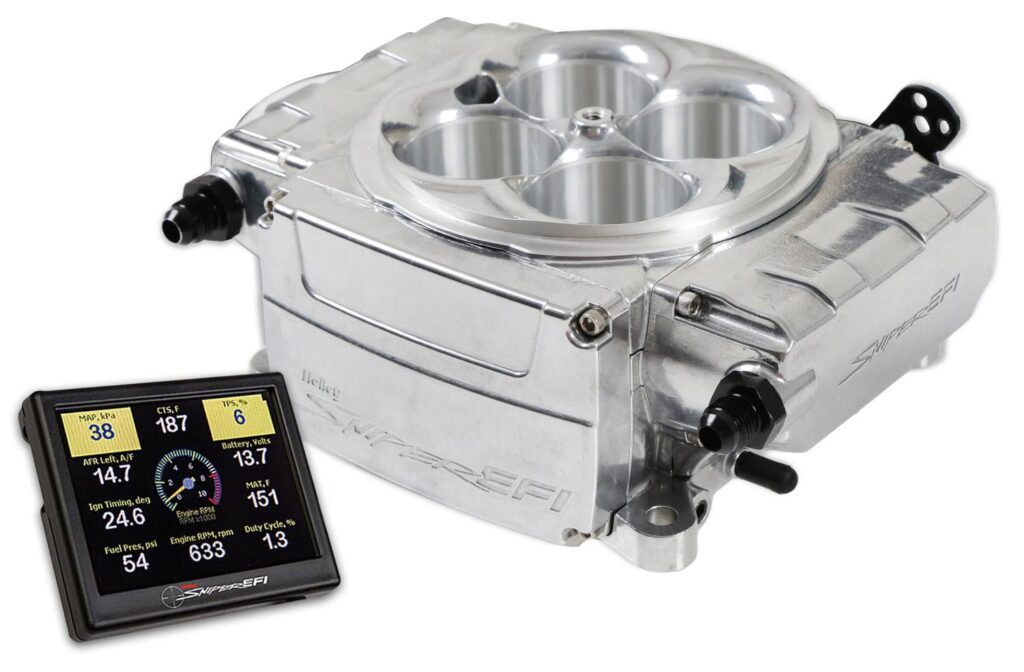

Most modern vehicles use electronic fuel injection, or EFI, to inject fuel directly into the cylinders or intake manifold. The computer controls the mixture of air and fuel, which eliminates the need for an old-school carburetor. While many older vehicles still have carburetors the benefits of EFI systems are challenging to beat.
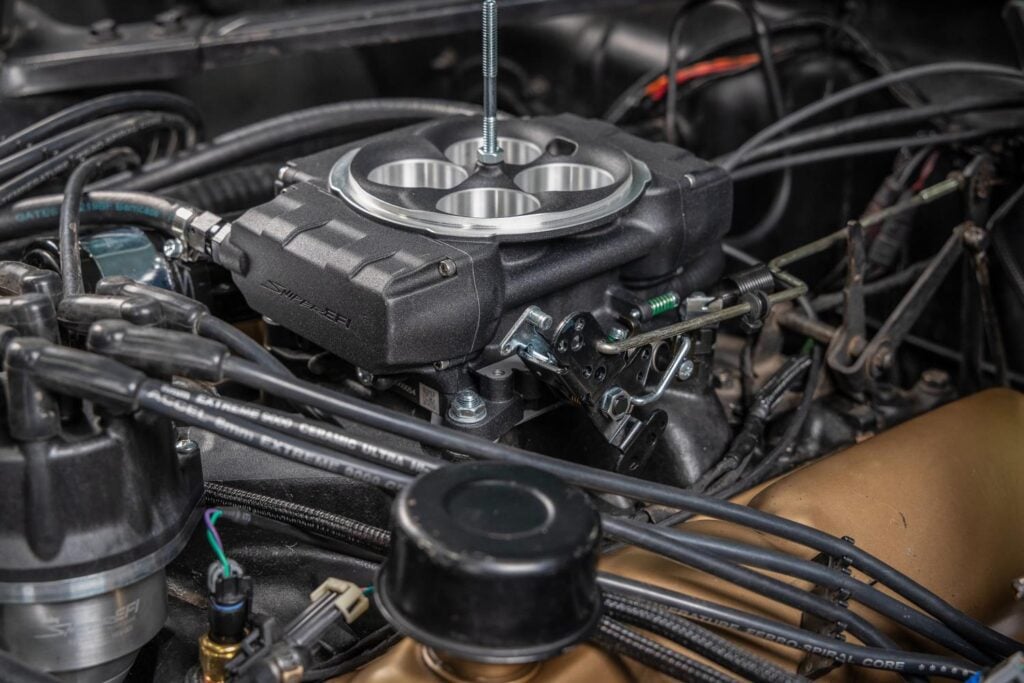
When you want to upgrade to an electric fuel injection system you have two options. You can either replace the entire engine and do an engine swap or you can install an EFI system. The latter is easier and less expensive but you need to get the right system. To help you get the right system we'll compare the top two options on the market: the Holley Sniper EFI 1 and the Holley Sniper EFI 2.
Read on to learn more below.
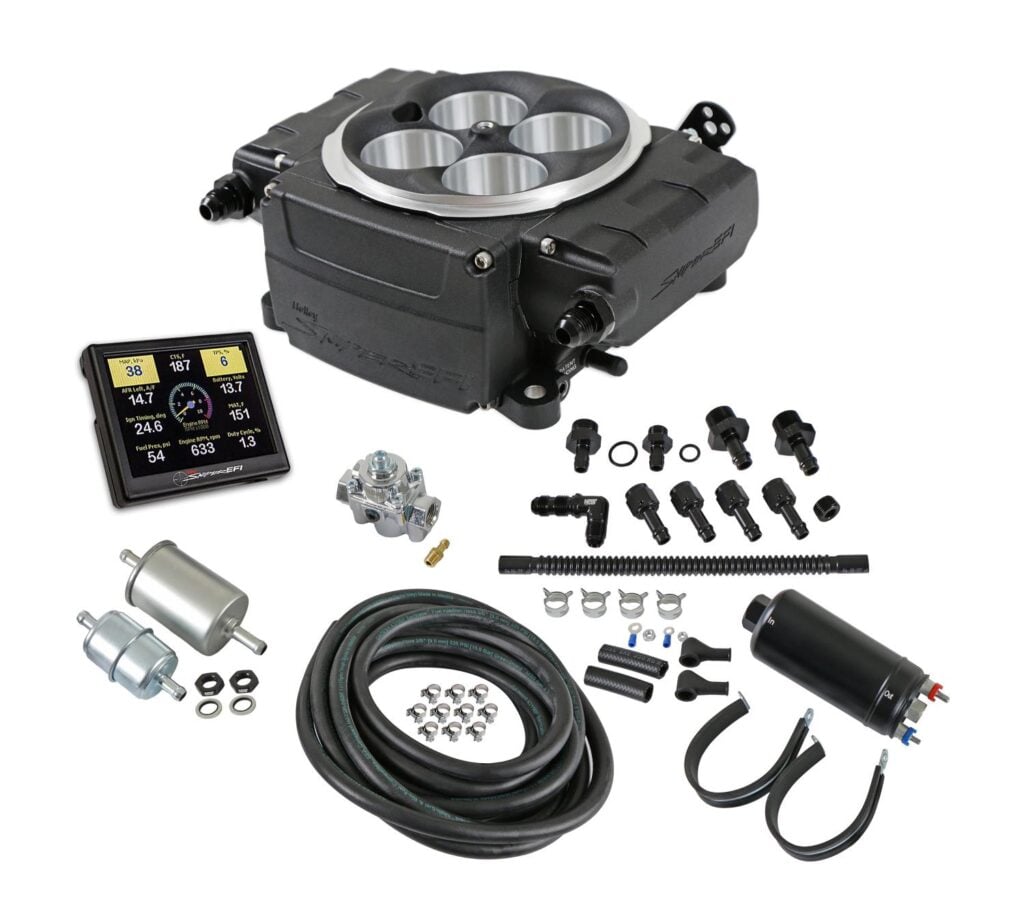
The Holley Sniper EFI 2 is an updated version of the original Holley Sniper EFI. The lead engineer of Sniper 2 at Holley states that the Sniper 2 version incorporates everything the company learned from the Sniper 1 but takes it to the next level. He goes on to state that the company also listened to customer feedback and built everything from the ground up. This includes the throttle body, linkage, and other key elements of the design.
So, what's new?
The Holley Sniper 2 has some new and improved specs that are tough to beat. It's packed with four 100lb/hr fuel injectors that give the Sniper 2 some impressive horsepower capabilities that work for vehicles that have 4-barrel carburetors. For example, it can handle up to 650 horsepower in naturally aspirated engines and up to 575 horsepower if you're working with forced induction.
While this is impressive on its own, it doesn't stop there. Instead of having an additional rubber wire outside the system, the Sniper 2 has a cast-in internal fuel crossover. This enhances performance by reducing the chance of leakage and cleans up the look of the Sniper 2.
Some other specs to consider are:
These are only some of the new features you'll find with the Holley Sniper 2.

The Holley Sniper 2 is loaded with options. First and foremost, we have to cover the Power Distribution Module (PDM). This simplifies the connections and wiring you'll need if you plan on wiring in the ignition in conjunction with the Holley Sniper EFI 2. So, you'll only have to worry about three connection points and most of your engine's electronics can run off of this PDM.
One of our favorite new features is the screen display. You'll have your choice of 3.5-inch or 5-inch displays but there is also a Bluetooth module that allows your smartphone (Android or IOS) to become the display.
The last thing to note is that the Sniper 2 is highly customizable. Several kits are available depending on what you need. One example is the Sniper 2 Returnless Master Kit, which comes out of the box with everything necessary to install the drop-in-style fuel pump on an existing fuel setup. Another example is the traditional return-style kit that comes with similar components but without the fuel pump module.

When it comes to price the Holley Sniper 2 is more affordable than you'd think. Most kits start at around $1,300, which is only a few hundred dollars more than the original Holley Sniper. In most cases, it's worth it to opt for the Sniper 2 because of the new features and options you have available. Depending on how you install the system, a mechanic may charge about $650 to $1,000 for labor.
Overall, the Holley Sniper 2 is one of the most customizable fuel injection kits on the market. Plus, it's affordable and easy to install.
Sign up now to join the JEGS email newsletter and be the first to learn about new products, special deals and e-mail only offers!
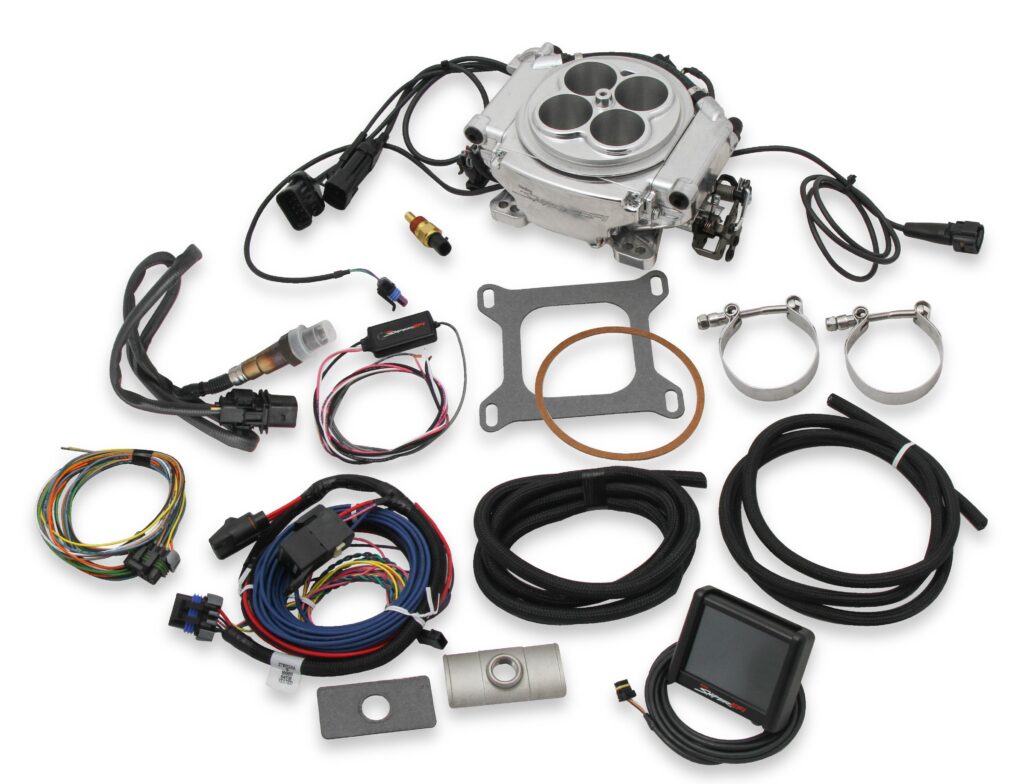
The Holley Sniper EFI is one of the few self-tuning fuel injection systems on the market. It's effective for muscle cars, street cars, and many off-road vehicles. Learn more about the original Holley Sniper 1 below.
The Holley Sniper took the market by storm when it was released. It's a simple kit that's easy to install and it can support engines that produce up to 1,200 horsepower if you go the Super Sniper route. However, there are several available kits and some can even use a single barrel fuel injection system for older 6-cylinder vehicles.
Furthermore, it comes with an internal fuel regulation system that you view on a touchscreen display. It's also easy to tune and doesn't require any advanced computer skills, which makes it more accessible to the public.
Some other notable features include the following:
There are hundreds of features to cover but these options stand out the most.
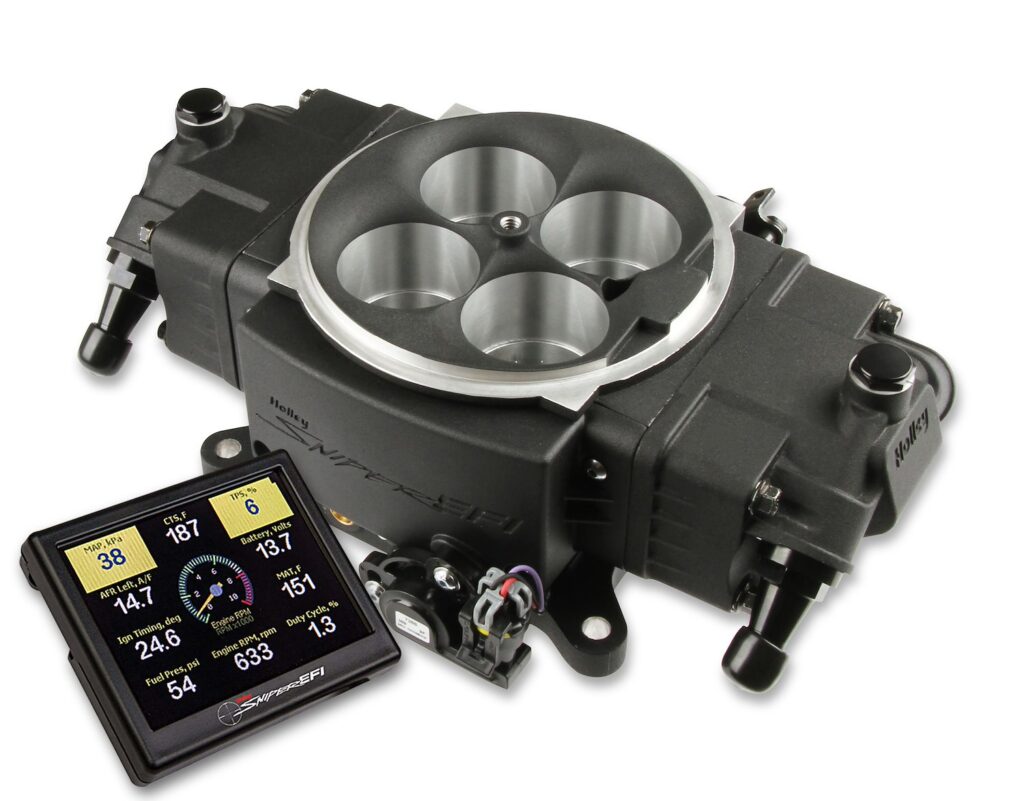
The EFI Sniper 1 will cost you about $1,000 for the fuel injection kit. However, you'll have to install the kit as well. Home installations may only have a couple of hundred to the cost of the system but some mechanics may charge between $600 and $1,000 for the labor. Still, this is more cost-effective than doing an engine swap.
When comparing Holley Sniper products to other EFI systems, it's clear that the Holley Sniper 1 and 2 are bargains.

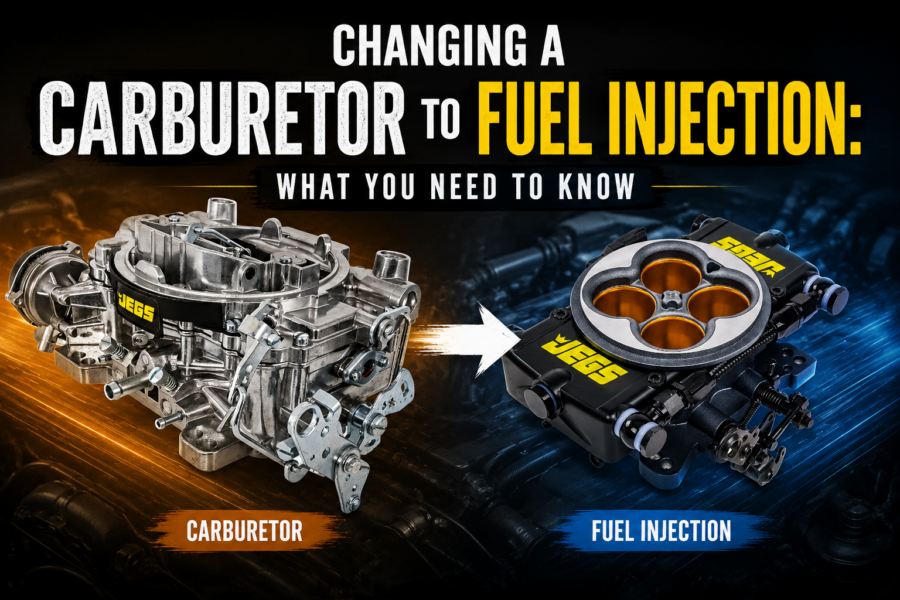
EFI stands for electronic fuel injection. These systems replaced carburetors that used to be responsible for mixing air and fuel. Instead of needing the carburetor, an electronic computer injects fuel directly into the engine's cylinders or manifold. These systems are standard for most modern combustion engines, but some older vehicles will still use carburetors.
Most computers tune a vehicle to ensure that the appropriate amount of air and fuel is dumped into each cylinder. With EFI systems you don't have to worry about constantly updating a carburetor or making new modifications to ensure that everything is tuned properly. The only drawback is that these systems are more complex and challenging to work on.
Still, you're better off switching to an EFI system if you want to maximize your vehicle's performance. In fact, you can gain between 5 and 10 horsepower just by switching to an EFI system.
In conclusion, yes, the Sniper EFI 2 is worth every penny. It takes designs from the original Sniper EFI to the next level, plus Holley Sniper listened to customer feedback and made the unit even more accessible with features like Bluetooth connectivity. When it comes to a cost analysis versus the original Holley Sniper, it definitely comes out on top. The hidden harness and options for an integrated Power Distribution Module make it one of the most customizable fuel injection systems on the market.
When you want to install an electronic fuel injection system on a vehicle that doesn't have it, the days of doing a lengthy engine swap are over. What's more, you don't have to sink $4,000 into an EFI kit or learn about coding to tune the system. Ultimately, the Holley Sniper and Holley Sniper 2 make installing an EFI kit a treat, and you’ll find them at JEGS today.

Hi. So I have a 1982 Camaro with the original 305 Crossfire injection. The fuel pump has been upgraded to meet the 58 PSI that is needed to run the Sniper 2. I have a new low profile intake manifold and a fuel regulator. Will this work without any issues?

Hi Jim,
Thanks for your question! It sounds like you’re well on your way to upgrading your 1982 Camaro with the Holley Sniper EFI 2. Let’s break this down and see if your setup will work as planned.
Compatibility Check for Your Setup
Fuel Pump (58 PSI):
Great job upgrading the fuel pump to meet the 58 PSI requirement of the Sniper 2. That’s one of the key components for proper operation, so you’re set there.
Low-Profile Intake Manifold:
As long as the new intake manifold has a square bore flange or supports the Sniper EFI 2’s throttle body mounting pattern, it should work. Check to ensure there’s adequate clearance under the hood and that the manifold flows well for the original Crossfire 305 engine setup.
Fuel Regulator:
While the Sniper EFI 2 includes a built-in pressure regulator, an external fuel regulator can still work in certain configurations. However, ensure the fuel regulator is properly set to provide consistent 58 PSI to the Sniper EFI unit. Running two regulators (external and the one built into the Sniper EFI) could complicate the system and introduce pressure inconsistencies, so using just the built-in regulator is often recommended.
Wiring and Sensor Connections:
Make sure your Sniper EFI 2 kit is properly wired and that all sensors (coolant temperature, wideband O2, etc.) are installed as required. This ensures the system can self-tune and operate without issues.
Throttle Linkage and Clearance:
Verify that the Sniper EFI’s throttle linkage matches your current setup. You may need an adapter or modification to connect the throttle and kickdown linkage (for the transmission, if applicable).
Tuning:
The Sniper EFI 2 is designed to self-tune once installed, but you’ll want to input the correct parameters during initial setup, such as engine displacement and target idle speed, to avoid any hiccups.
Potential Issues to Watch For:
Return Fuel Line: The Sniper EFI system requires a return line to the fuel tank to regulate fuel pressure properly. If your Camaro doesn’t already have a return line, you’ll need to install one.
Camshaft Compatibility: If your engine has a very mild cam (common in Crossfire setups), the Sniper EFI system may idle slightly richer than expected until it fully learns. Adjusting idle air control settings can help.
Intake Port Matching: Ensure the low-profile intake manifold is compatible with the 305’s head ports. A mismatch can reduce performance.
Based on what you’ve described, your setup should work without major issues as long as the fuel pressure is stable at 58 PSI and the Sniper EFI 2 is properly installed and configured. Just double-check the need for a return fuel line and confirm the compatibility of your intake manifold with the Sniper EFI throttle body.
If you have more questions or run into any issues, feel free to contact us at 1-800-345-4545 and speak to a JEGS tech support specialist. Good luck with your upgrade! It’s going to transform how your Camaro performs!

Hey Pete, great write up. I’m going down the avenue of swapping from carb to EFI on my 77 corvette as getting the carb dialed is perfect is a chore and constantly changing due to the lovely PNW conditions I live in. I’m planning for an in tank retro fit with a corvette style fuel pump and new tank. I’m planning on the Sniper 2 with the hyper spark ignition and PCM but had a concern for how to setup properly. The 350 is built pretty happily with a very healthy “292” cam. What are somethings I might run into on initial setup that I should be concerned about going to the EFI setup?
Thanks for the kind words, Dustin! Swapping to the Holley Sniper 2 EFI system on your ’77 Corvette is a smart move, especially in the Pacific Northwest, where changing weather can wreak havoc on carb tuning. Pairing it with the Hyperspark ignition and a Corvette-style in-tank pump is a solid approach for a clean and efficient setup.
That said, running a “very healthy 292 cam” does raise a few things to consider when tuning your new EFI system:
1. Vacuum Signal:
The 292 cam likely has low vacuum at idle due to its long duration and overlap. The Sniper relies on a stable MAP (manifold absolute pressure) signal for fueling at idle and low throttle. You may need to manually adjust the idle and fueling targets or use “Advanced Idle” settings in the Sniper’s software to stabilize things.
2. Idle Quality:
Expect to do some fine-tuning on idle fuel and ignition timing maps. Use the handheld or laptop to tweak timing and AFR targets to find what your engine likes. Starting with a slightly higher idle RPM (900–1000 RPM) can help smooth out the lope from the cam.
3. IAC (Idle Air Control) Settings:
You might find the IAC reading is erratic at first due to overlap and pulsing in the intake. Be prepared to dial in the throttle blades and IAC position to get smooth cold starts and hot idle.
4. Startup Enrichment & Cranking Fuel:
With a bigger cam, you may need more cranking fuel and enrichment on cold starts. The base Sniper tune may not be aggressive enough for your setup, so keep an eye on how it behaves on the first few starts and adjust the enrichment tables if needed.
5. Fuel Pump & Return System:
Make sure your in-tank pump setup includes a proper return line and fuel pressure regulator. The Sniper likes to see consistent fuel pressure in the 58–60 PSI range, and poor return routing or heat soak can lead to vapor lock or hot restart issues.
6. Syncing Hyperspark with the PCM:
Be meticulous with your ignition setup. Properly indexing the distributor and syncing the timing between the Sniper ECU and your mechanical timing is crucial to prevent backfires, hard starts, or poor performance.
Once dialed in, the Sniper system will make your car way more street-friendly and enjoyable to cruise, especially in changing weather conditions.
If you need additional help, contact us at 1-800-345-4545 and speak to a tech support specialist.






Leave a Reply