Sign up now to join the JEGS email newsletter and be the first to learn about new products, special deals and e-mail only offers!

 6 People Found This Article Helpful


If you're tuning a Holley 4150 Series carburetor, getting the right secondary jet size is essential for optimal performance, throttle response, and fuel efficiency. While Holley carburetors are known for their adjustability and user-friendly design, finding the ideal jet size requires a solid understanding of engine dynamics, air-fuel ratios, and driving conditions.
In this guide, we’ll break down how to determine the right Holley 4150 Series secondary jet size, explore Holley carburetor jet kits, and explain how to maximize performance with the right jet assortment.
The secondary jets in a Holley 4150 control the fuel delivery to the secondaries, impacting power, efficiency, and overall performance. While standard secondary jet sizes typically range from 60 to 70, the exact ideal size depends on multiple factors.
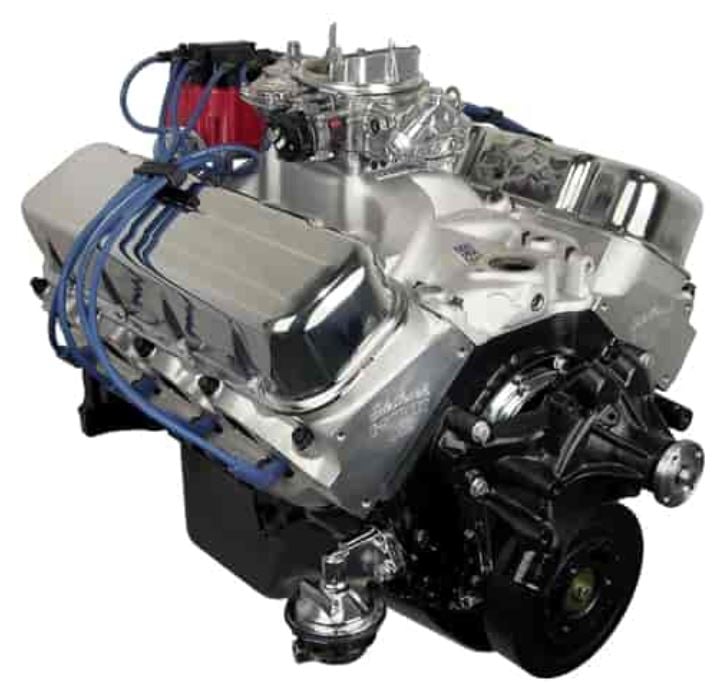
The larger the engine, the more fuel it can handle. A small-block V8 (302 or 350 CID) will typically use smaller jets, while a big-block (454 CID and up) may require larger jets to keep up with increased airflow and fuel demands.
A naturally aspirated street car may be fine with mid-range jet sizes (65-70), while a high-horsepower racing setup may need larger jets (75+), especially with modifications like a high-lift camshaft or free-flowing heads.
Altitude has a direct impact on air density, which in turn affects fuel mixture. At higher elevations, the air is thinner, meaning the engine requires less fuel for proper combustion. A good rule of thumb is to reduce jet size by one step for every 2,000 feet above sea level.
For example, if a car at sea level runs well with size 70 secondary jets, a car at 4,000 feet may need size 68 jets to compensate for reduced air density.
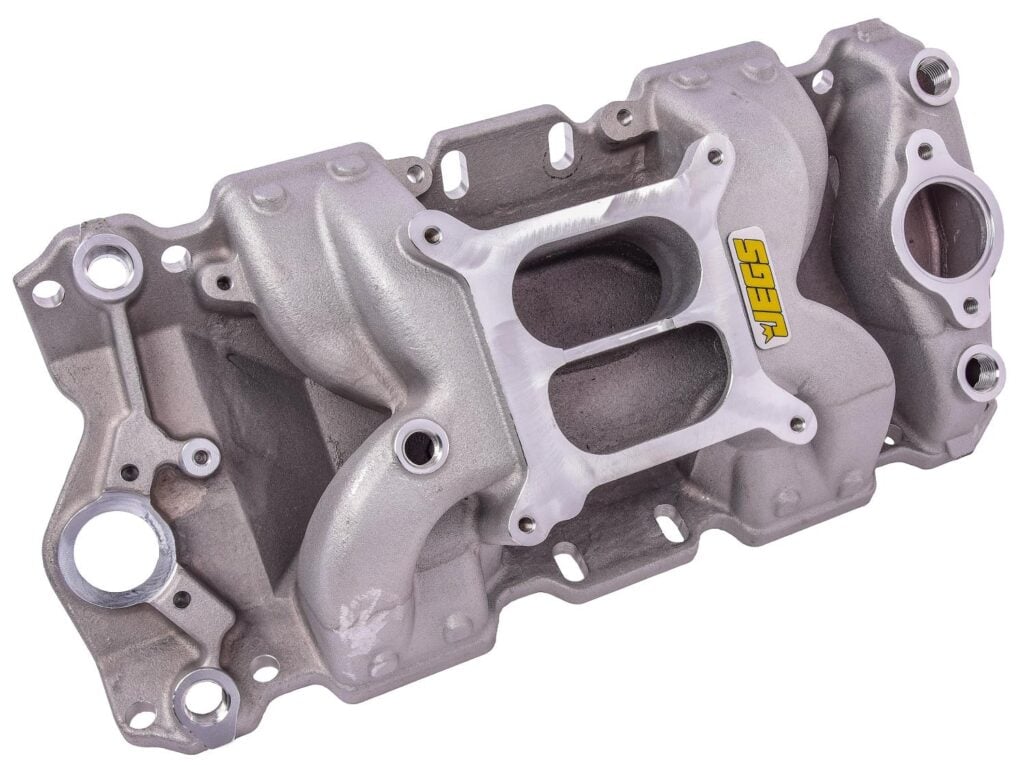
An aftermarket high-rise intake manifold increases airflow, often requiring larger jets to maintain an ideal air-fuel ratio. If you're using a restrictive stock intake manifold, smaller jets may be more suitable.
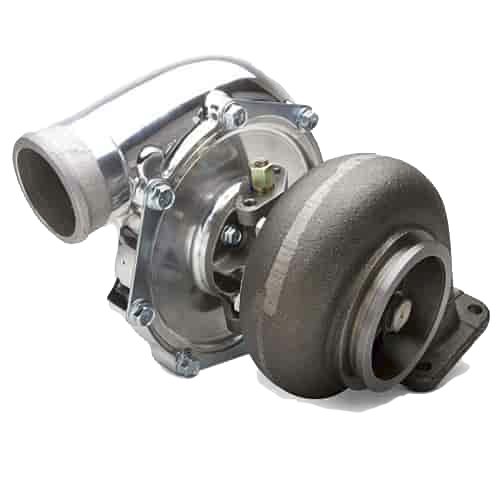
Forced induction setups (turbochargers, superchargers, or nitrous oxide systems) generally require richer fuel mixtures, meaning larger secondary jets are essential to prevent lean conditions that could lead to engine damage.

The best way to fine-tune your secondary jets is to read the spark plugs after a full-throttle run.
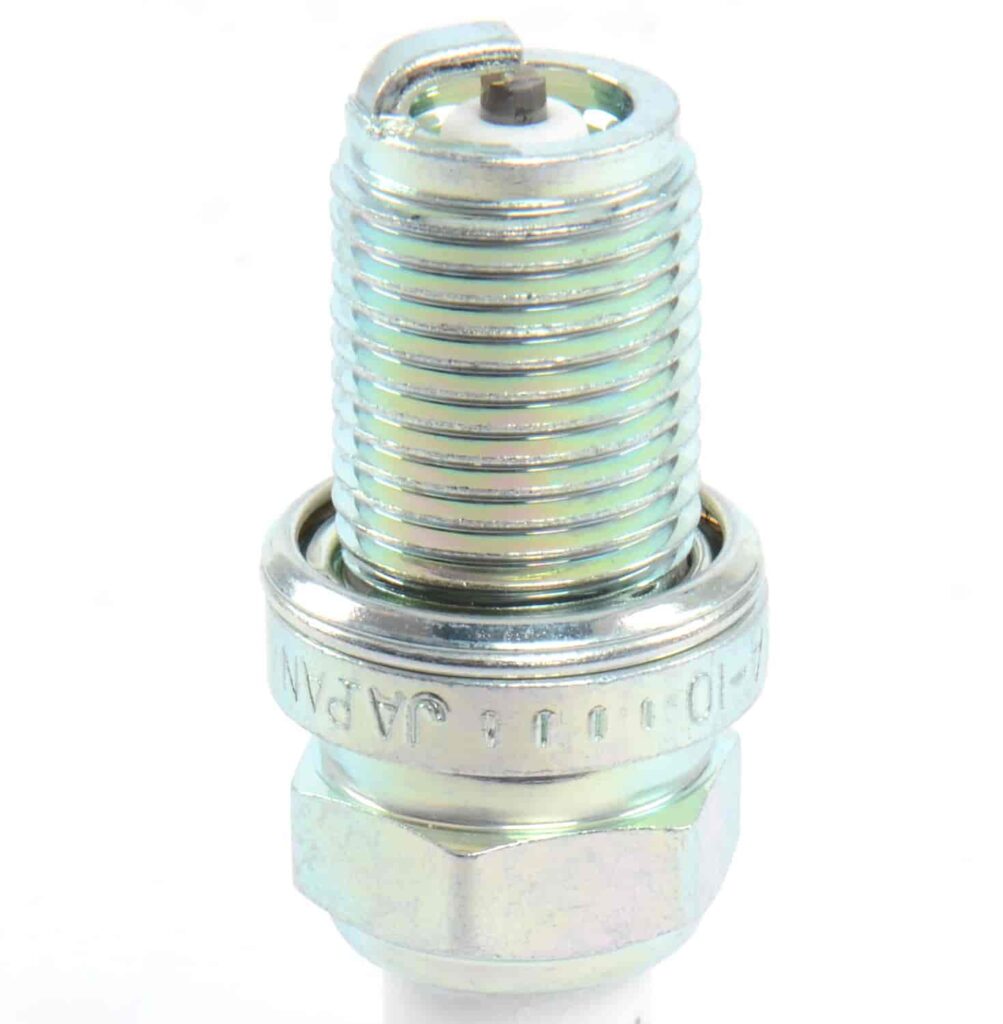
This real-world data helps dial in the perfect jet size for your specific engine setup and driving conditions.
Sign up now to join the JEGS email newsletter and be the first to learn about new products, special deals and e-mail only offers!
For those looking to experiment with jet sizes or keep spares on hand, Holley carburetor jet kits provide an easy solution.
When selecting a Holley carburetor jet kit, always verify compatibility with your specific 4150 model. If you’re unsure, JEGS tech support can help you find the right fit.

A Holley Jet Assortment Kit provides a wide range of jet sizes for precision tuning, allowing you to dial in the perfect air-fuel ratio based on engine modifications, track conditions, and altitude changes.
For street applications, it’s best to tune conservatively to avoid excessive fuel consumption. For track and race builds, larger jets may be necessary to maximize power output and prevent detonation.
Whether you need a replacement secondary jet, a Holley carburetor jet kit, or a complete jet assortment for tuning, JEGS has the parts you need.
Shop online today for fast shipping, or call JEGS Tech Support at 1-800-345-4545 to get expert recommendations on jet sizes, tuning tips, and performance upgrades.



Leave a Reply