Sign up now to join the JEGS email newsletter and be the first to learn about new products, special deals and e-mail only offers!

 2 People Found This Article Helpful


When building or upgrading an engine, many enthusiasts focus on components like pistons, camshafts, cylinder heads, and intake manifolds. While these parts certainly influence performance, one small component often determines whether an engine survives high rpm and heavy loads. That component is the connecting rod bolt.
Rod bolts may be small compared to other engine components, but they play a critical role in keeping the rotating assembly together. In fact, many engine failures trace back to rod bolt failure. Understanding why rod bolts matter and choosing the right ones for your build can protect your investment and ensure long term reliability.
Connecting rod bolts secure the rod cap to the connecting rod body, holding the big end of the rod tightly around the crankshaft journal. This connection must remain perfectly secure as the engine rotates thousands of times per minute.
At high rpm, the forces acting on the connecting rod are extreme. During the exhaust stroke, the piston and rod assembly change direction rapidly. The rod bolts must withstand the stretching forces created as the piston tries to continue moving upward while the crankshaft begins pulling it back down.
If rod bolts stretch beyond their limits or lose clamping force, the rod cap can separate from the rod. When that happens, catastrophic engine damage usually follows.

Rod bolts are exposed to tremendous tensile loads. As engine speed increases, these loads grow rapidly. Even a mild street engine can generate significant stress at higher rpm.
In performance engines with aggressive camshafts, lightweight pistons, or increased compression, the loads become even greater. Forced induction engines and race engines place even more stress on rod bolts due to higher cylinder pressures and increased engine speed.
Because of these conditions, rod bolts must maintain consistent clamping force and resist fatigue over thousands of engine cycles.
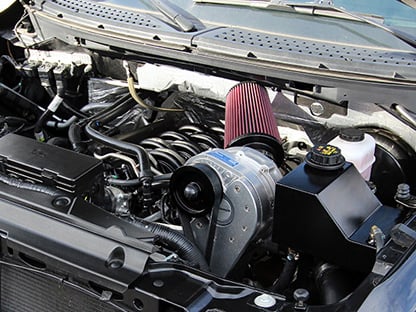
Factory rod bolts are designed for the original power level and rpm range of the engine. Once horsepower increases or the engine operates at higher rpm, the stock fasteners may no longer provide the required strength.
Many builders upgrade rod bolts even when retaining factory connecting rods. High strength fasteners provide improved clamping force and better resistance to stretching under load.
Performance rod bolts from manufacturers such as ARP are commonly used in street performance, racing, and high horsepower builds. These fasteners are engineered to handle extreme stress and maintain consistent torque values.
Sign up now to join the JEGS email newsletter and be the first to learn about new products, special deals and e-mail only offers!
Even the best rod bolts will fail if they are not installed correctly. Proper installation is just as important as choosing high quality hardware.
Rod bolts must be torqued to the correct specification using the recommended lubricant. Many engine builders prefer measuring bolt stretch instead of relying solely on torque values. This method ensures the bolt is tightened to the correct clamping load.
Using quality assembly lubricants and following manufacturer guidelines helps maintain accurate torque readings and consistent clamping force.

Not all rod bolts are the same. Different engines and performance levels require different fastener materials and strength ratings.
Street engines that operate at moderate rpm may only require upgraded performance bolts. High rpm race engines, boosted applications, and nitrous builds often require premium fasteners made from advanced alloys.
If you are installing aftermarket connecting rods from companies such as Eagle Specialty Products or Scat, they are often equipped with high strength rod bolts designed for performance use.
Choosing components that match your horsepower goals and intended rpm range is essential.

Engine builders often say that fasteners are the most important components in an engine. While pistons, crankshafts, and cylinder heads make power, fasteners hold everything together under extreme stress.
Investing in quality rod bolts helps protect the entire rotating assembly. Considering the cost of an engine rebuild, upgrading rod bolts is one of the smartest decisions you can make during an engine build.
At www.jegs.com, you will find high quality rod bolts, connecting rods, rotating assembly components, and engine fasteners from trusted manufacturers such as ARP, Eagle Specialty Products, and Scat.
If you are planning an engine build and want to make sure every component is up to the task, the JEGS Tech Specialists can help you select the right parts to support your power level and ensure long term reliability.



Leave a Reply