Sign up now to join the JEGS email newsletter and be the first to learn about new products, special deals and e-mail only offers!

 19 People Found This Article Helpful

Key Takeaways

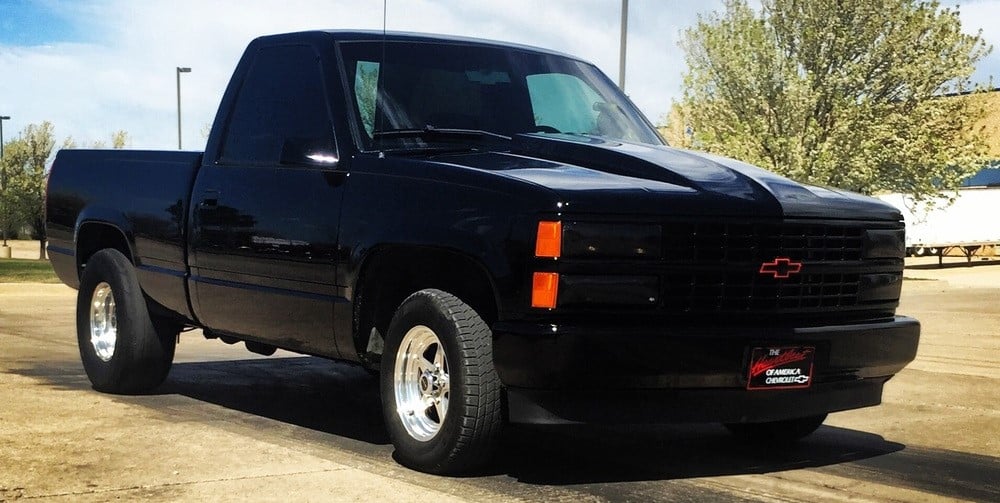
If you're driving a 1988-1998 old bodystyle (OBS) Chevy or GM truck and are considering swapping out your stock engine for an LS, then you've come to the right place. LS swaps are a great way to revitalize these classic pickups with a blend of modern performance, reliability, and efficiency. If you're still sourcing parts, start with our LS engine swap mount kits and our guide to 1988-1998 Chevy C1500 parts.
However, you'll also need to upgrade your fuel system to accommodate the increased power and efficiency demands of the LS engine. Thankfully, this guide covers everything you need to know to build an LS swap fuel system and have a seamless transition.
We'll start by further exploring the benefits of swapping your fuel system. Then, we'll examine which parts and tools you'll need for an OBS LS swap, in return-style systems and returnless. We'll finish with a step-by-step plumbing walkthrough, common mistakes to avoid, and answers to frequently asked questions.
Let's get started.
It comes down to fuel pressure. If you've got a 1988-1995 OBS truck with factory throttle body injection (TBI), its fuel system runs at far lower pressure than an LS needs.
An LS engine needs 58-60 psi at the fuel rail. The factory OBS fuel pump and lines weren't built for that kind of pressure.
LS requirement (58-60 psi)
Aeromotive 340 Stealth max (90 psi)
0 psi30 psi60 psi90 psi
Fuel pressure comparison: LS engine requirement vs. Aeromotive 340 Stealth maximum.
Upgrading the fuel system in your 1988-1998 OBS Chevy truck or GM alternative as part of an LS engine swap offers several benefits that improve both performance and reliability.
As mentioned, a more robust fuel system is needed to meet the higher power outputs of LS engines. By upgrading your fuel system, you ensure there's always enough fuel reaching the engine, helping maintain its efficiency and performance.
What's more, modern EFI fuel injection systems tend to be more precise in fuel delivery. For you, that means better fuel economy and reduced emissions.
Another advantage is the potential for increased durability. Modern fuel systems, especially those designed for high-performance engines like the LS, are usually built to withstand greater stress and offer improved durability. This can translate to fewer maintenance issues and longer service life.
Lastly, upgrading the fuel system allows for greater flexibility in tuning and customization. With the right setup, you can easily adjust for different performance goals or modifications you might make in the future.
The result is a more powerful, efficient OBS truck that's better suited to your specific needs.
Before you buy parts, decide which style of LS fuel system you'll run. That choice decides your regulator, how many lines you'll route, and which parts list below applies to you.
With a returnless system, the regulator lives in the tank or pump module. You run a single feed line to the fuel rail, so there are fewer parts to buy and install.
With a return-style fuel system, an external regulator near the fuel rail sends excess fuel back to the tank. This provides steadier fuel pressure and easier adjustment, but requires an additional return line.
| Feature | Returnless Fuel System | Return-Style Fuel System |
|---|---|---|
| Lines Needed | One feed line | Feed line plus return line |
| Regulator Location | Typically in the tank or pump module | External, often near the fuel rail |
| Pressure Adjustability | Typically fixed | Generally easy to adjust |
| Complexity | Simpler, with fewer components | More components and additional plumbing |
| Best For | Straightforward street builds | Performance builds requiring steady, adjustable fuel pressure for tuning |
Returnless fuel systems offer simpler installation, while return-style systems provide greater flexibility for fuel pressure adjustment and performance tuning.
In most cases, your engine's fuel rail and how you plan to tune the truck make this call for you. Not sure which style your engine uses? Check the return-style vs. returnless guide linked above. For a closer look at each layout, see our guide on how to install LS swap fuel lines.
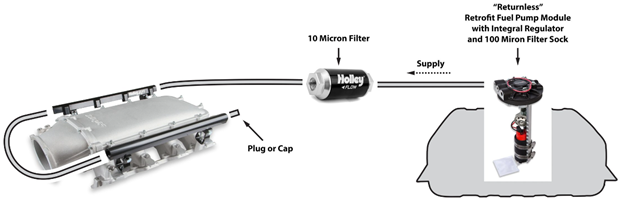
Now that you better understand the benefits (and necessity) of upgrading the fuel system in a 1988-1998 LS swapped OBS Chevy or GM pickup, let's run through the different parts and tools you'll need to get the job done using a returnless style fuel system.
First off, you'll need to upgrade your fuel pump to ensure there's always a sufficient supply of fuel reaching the engine.
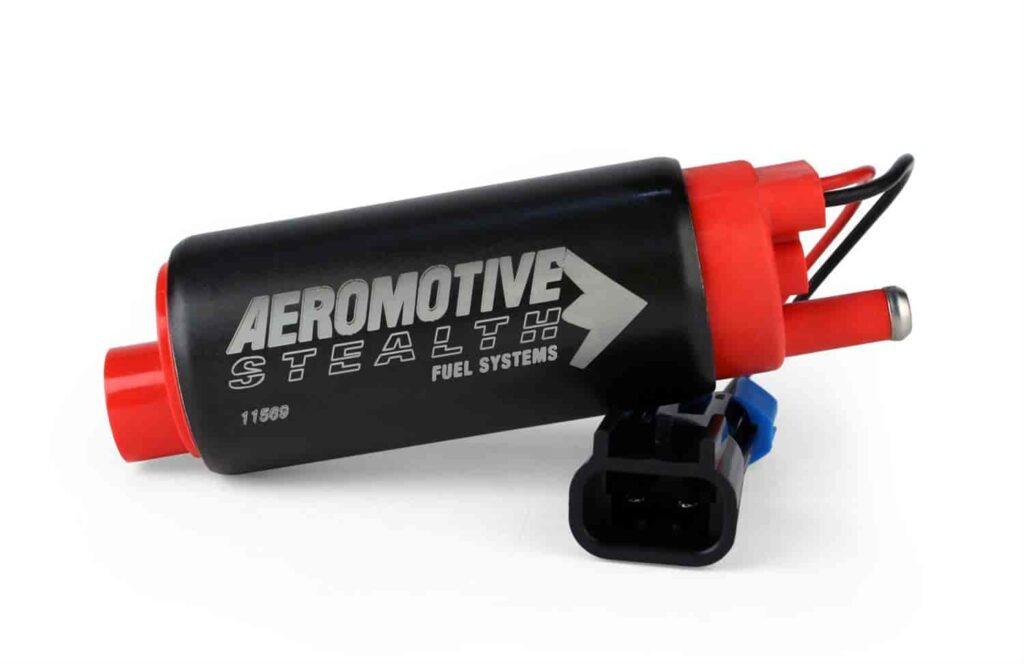
One of the most popular options for these OBS models is the Aeromotive 340 Stealth, a high-output (340 LPH, 90 PSI max), electric, in-tank pump built for EFI applications.
Sign up now to join the JEGS email newsletter and be the first to learn about new products, special deals and e-mail only offers!
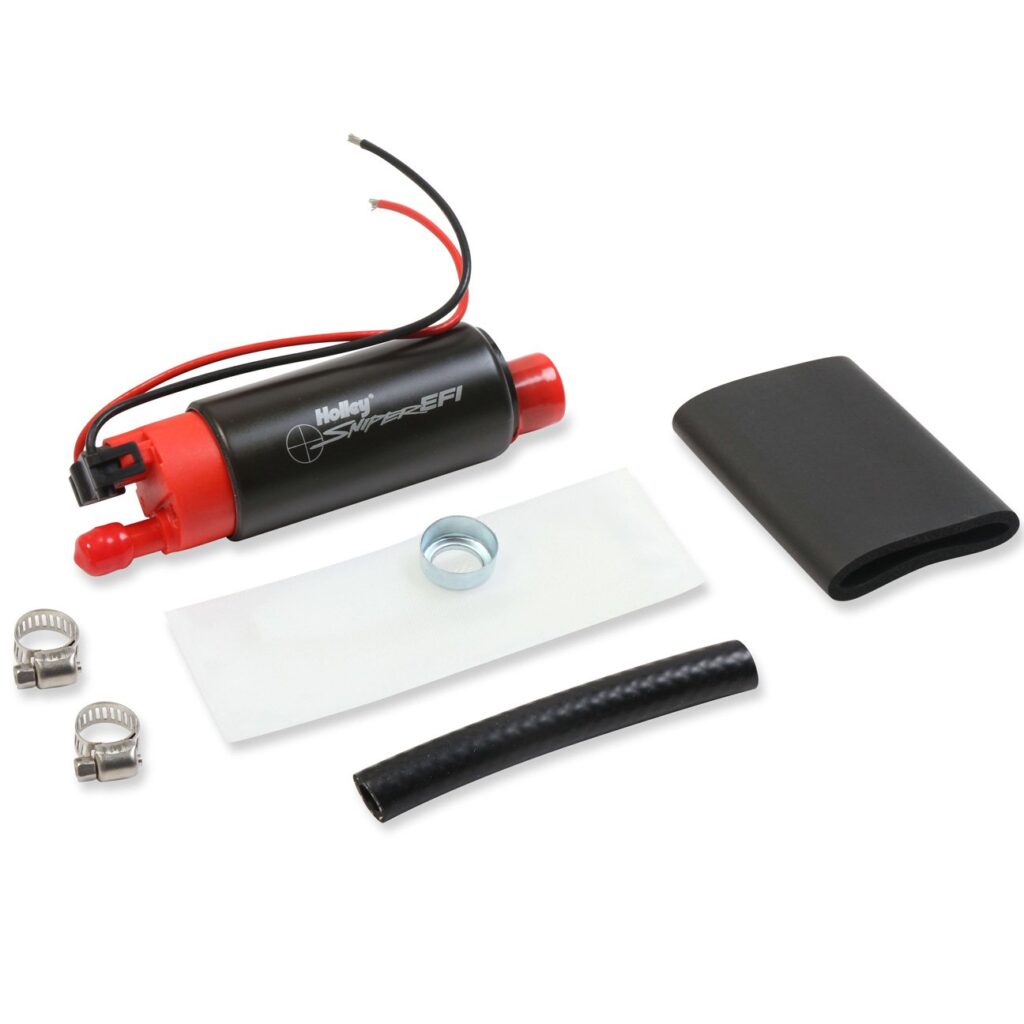
Another option that's perfect for LS swapped OBS Chevy and GM trucks is this in-tank electric fuel pump from Holley, a well-respected brand with over 100 years in the performance auto parts industry.
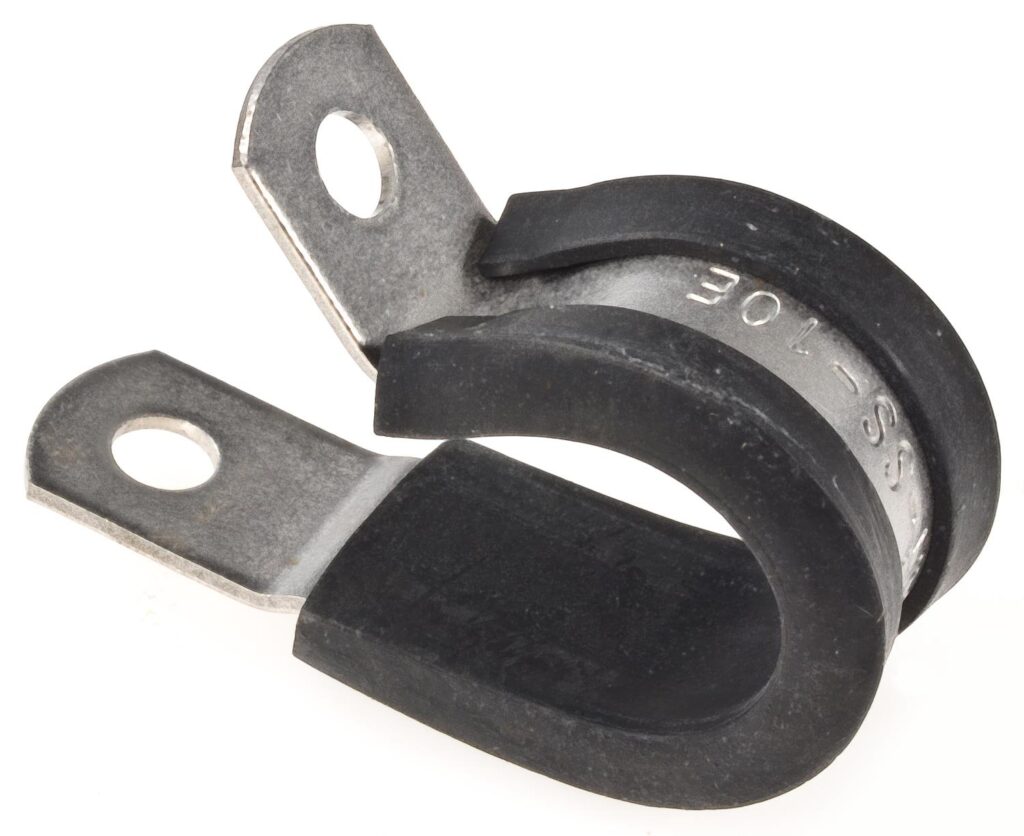
Both options include the fuel pump and a universal drop parts kit (filter, wiring pigtail, rubber hose, (2) clamps, rubber grommet).
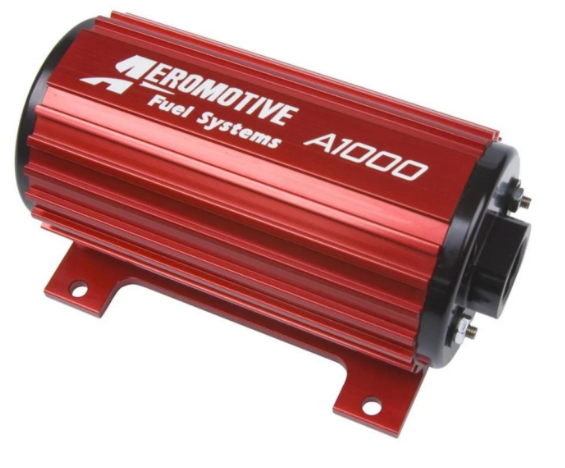
For more fuel pump options, browse our massive selection of electric fuel pumps. Just be sure you're choosing the right parts for your ride, as LS engines typically require pumps pushing at least 190 LPH and 58-60 PSI. Learn more about this in our fuel pump selection guide for LS engines and EFI conversions guide.
When you size your pump, match its flow to your horsepower goal and leave headroom for future mods. In-tank pumps are the common choice for EFI swaps.
Whichever pump you choose, wire it through a relay instead of running it straight off a factory circuit. Holley fuel pump relay kits make that job easier.
Scroll down for a full list of needed plumbing components.
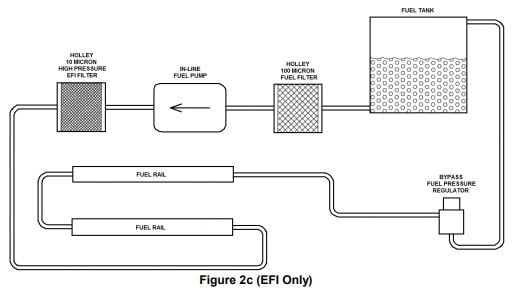
For return-style systems, you'll also need to upgrade your fuel pump. The previously mentioned Aeromotive or Holley options are also ideal for return style setups.
Return style systems differ in that they feature a second "return line" from the fuel rail. To ensure the correct system pressure, they have either an external in-line pressure regulator sending excess pressure and fuel back to the tank, or an in-tank pump with a built-in regulator bleeding excess fuel pressure inside the tank. This is considered "technically" a return-style fuel system, as fuel is being sent back to the tank. However, there are no external return line components.
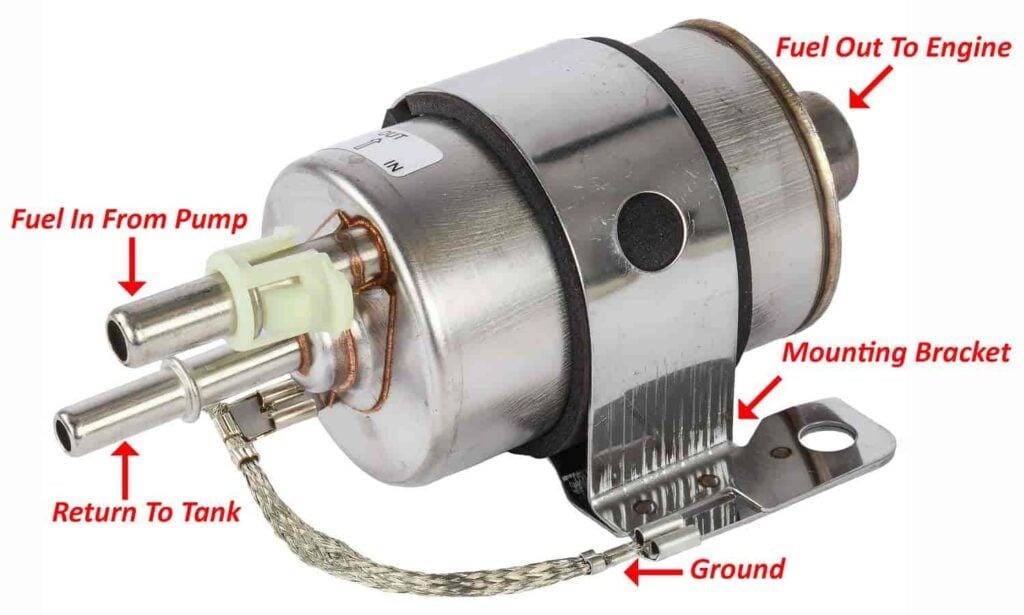
We suggest this non-adjustable JEGS' bypass fuel filter with a built-in regulator, designed specifically for LS swaps. Still, any return-style fuel pressure regulator will work as long as it can handle the inlet pressure determined by the fuel pump and can adjust the pressure down to the required 58-60 psi needed.
See below for a full list of necessary plumbing components.
In addition to the parts and tools mentioned above, you'll also need:
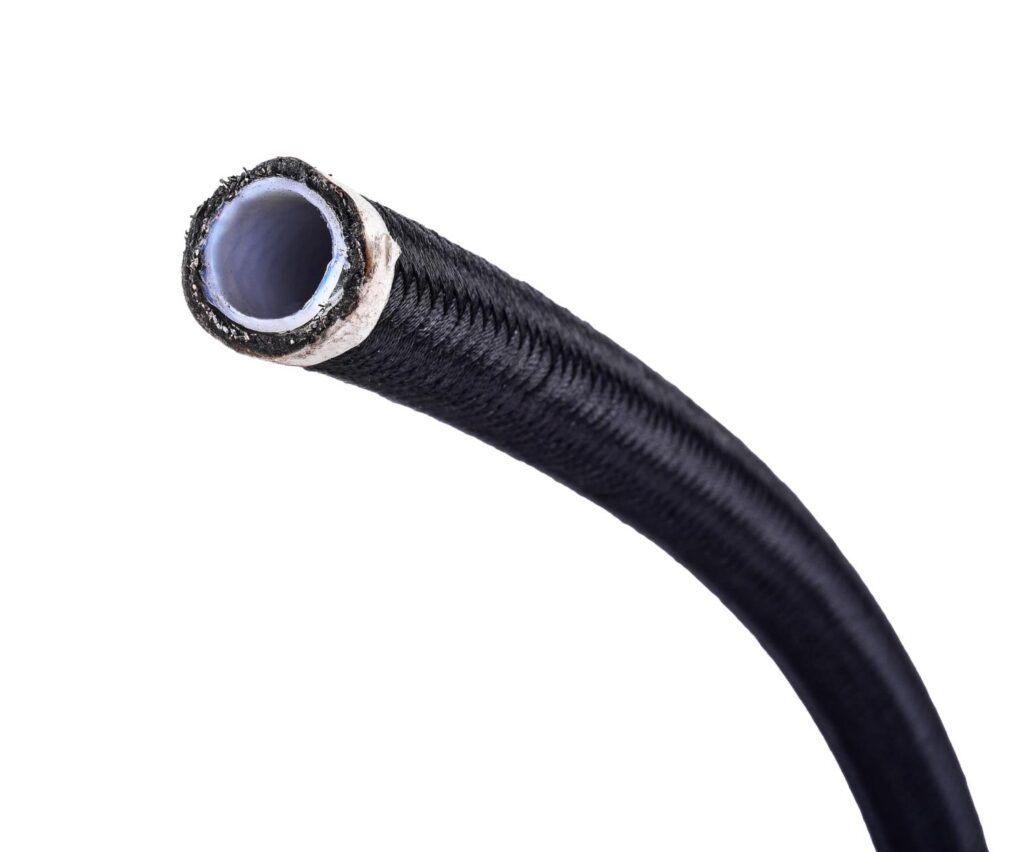
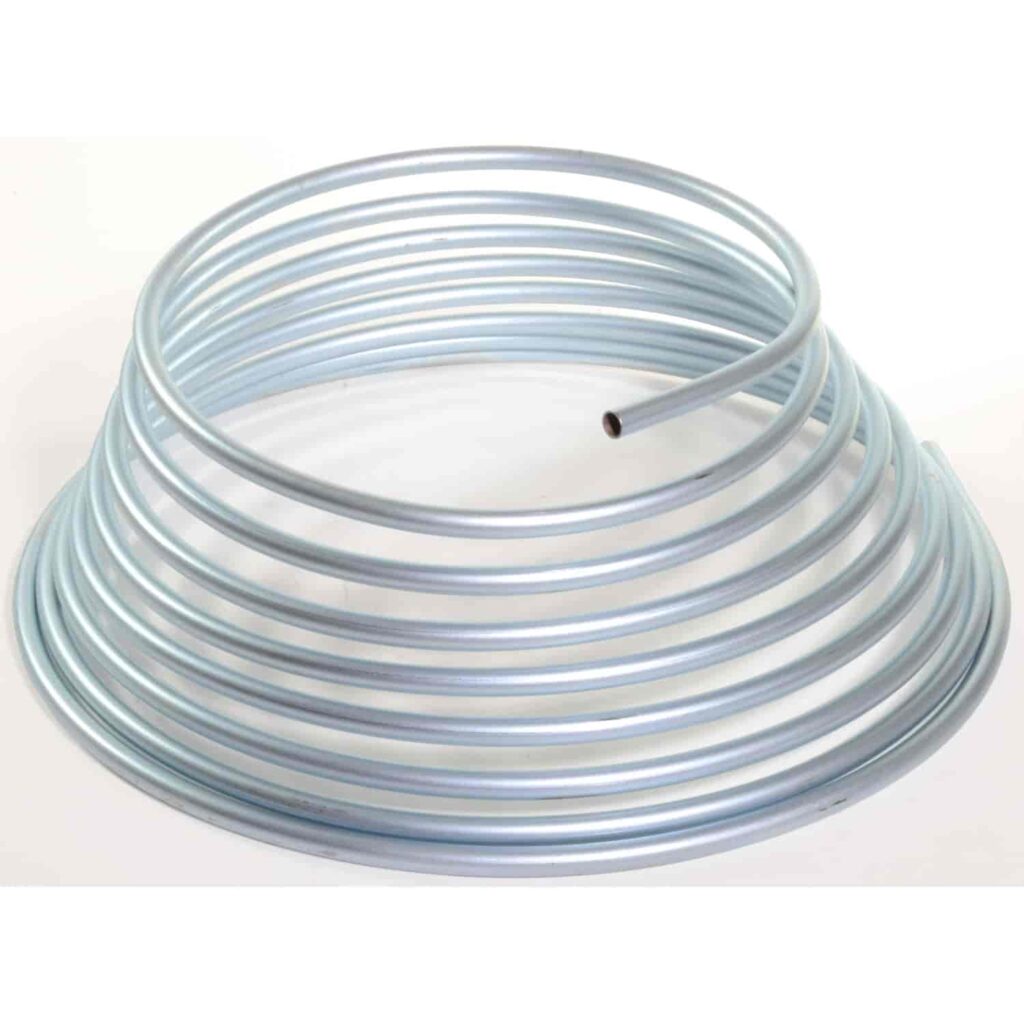
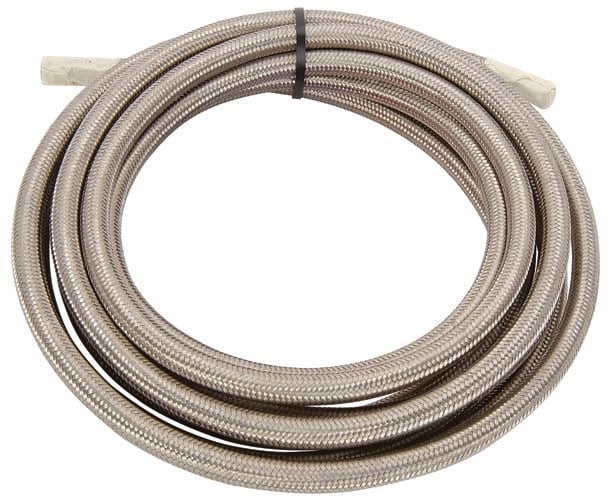
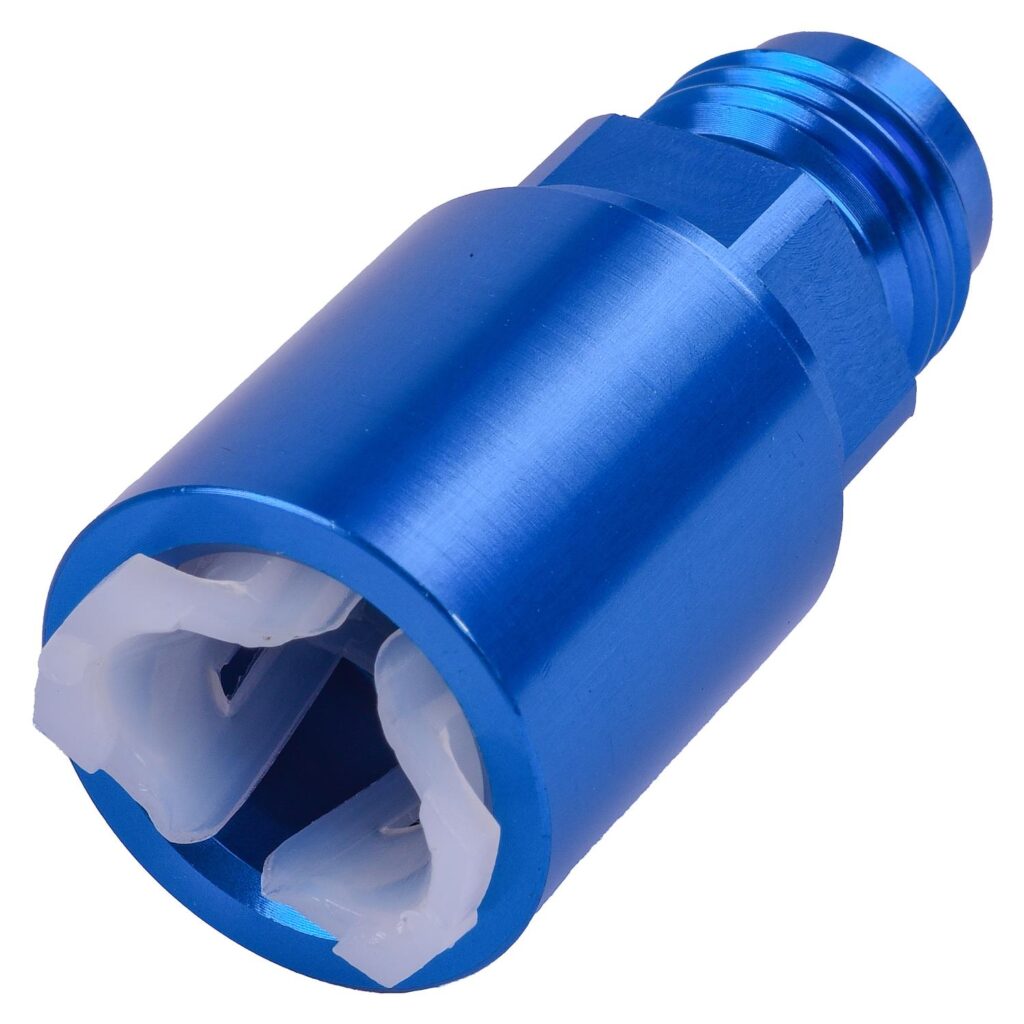
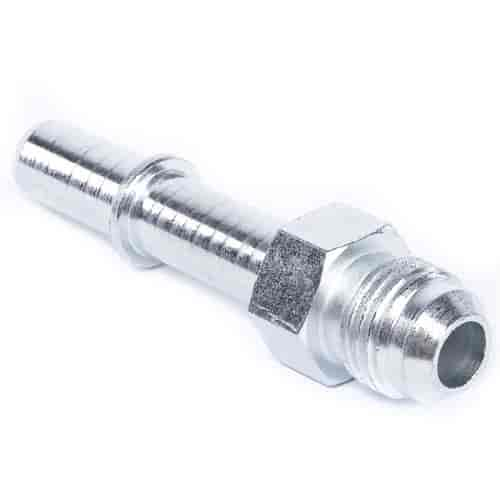
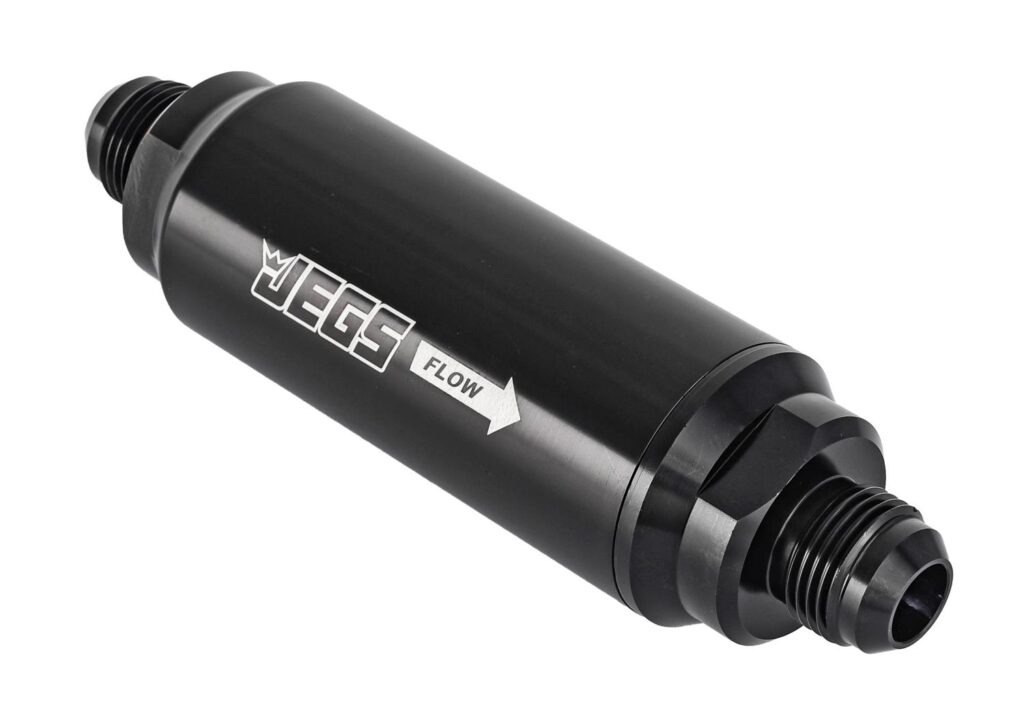

Once you've got your parts together, here's how to plumb an LS swap fuel system in a 1988-1998 OBS Chevy or GM truck. Take your time, and double-check each connection as you go.
A few common slip-ups can cost you time, parts, or performance. Watch for these during your OBS LS swap:
Thanks for checking out our OBS 1988-1998 Chevy and GM LS swap fuel system guide, we hope you enjoyed it. Ultimately, LS swaps are fantastic mods that are sure to improve overall performance, efficiency, and reliability; just make sure to upgrade your fuel system to accommodate.
For all your automotive needs, consider JEGS, a leading supplier of performance auto parts. Browse our extensive selection of parts and tools and have your order sent straight to your door. Still have questions? Contact our team today.
Planning your next truck project? See our squarebody truck fuel system guide for 1973-1987 C10 and K10 trucks. Read more JEGS tech articles.
Most LS engines need 58-60 psi at the fuel rail. Confirm it with a fuel pressure gauge before you start the engine.
No. Factory TBI in 1988-1995 OBS trucks runs at far lower pressure than the 58-60 psi an LS needs, so plan on an EFI pump rated for at least 190 LPH, and compare options like Holley in-tank electric fuel pumps.
Returnless is simpler, with one feed line and the regulator in the tank or pump module. Return-style needs a second line but gives you steadier pressure you can fine-tune with an adjustable fuel pressure regulator.
Plan on about 30 feet of fuel line, depending on your routing and whether you're running a return line. For help choosing the right fuel line size, see our pressure drop guide.
No, braided stainless steel hose doesn't work with E85 or alcohol/methanol-based fuels, so use braided nylon or PTFE hose instead. Pair it with an E85-compatible pump, like one of the Aeromotive Stealth in-tank fuel pumps.

i have a 1994 chevrolet full size 2 door blazer id like to swap the Tbi with a modern version that would be plug in play easy to install can you email me different options you guys offer rockyvaldez79@gmail.com thankyou

Orlando, on your ’94 Blazer, there are definitely upgrade paths from the factory TBI to a more modern fuel injection setup, but truly “plug and play” is a bit of a stretch on these trucks. Most upgrades will still involve some wiring, fuel system changes, and tuning to get everything working correctly.
That said, one of the more straightforward options is a self-learning throttle body EFI system from brands like Holley Sniper EFI or FiTech Go EFI. These are designed to replace your existing TBI unit and simplify tuning, while still giving you better drivability, easier cold starts, and improved overall performance. They are about as close as you’ll get to a simple upgrade without going to a full LS swap.
Keep in mind you may still need to address things like fuel pressure, return lines, and electrical connections to make it all work properly, so it’s important to match the system to your exact setup.
Since there are a few different ways to go depending on your goals and how involved you want the install to be, the best move here is to talk it through with a Tech Specialist so you end up with the right setup the first time. Give us a call at 1-800-345-4545 and we can walk you through the options that fit your Blazer and your budget.




Leave a Reply