
Sign up now to join the JEGS email newsletter and be the first to learn about new products, special deals and e-mail only offers!

 26 People Found This Article Helpful
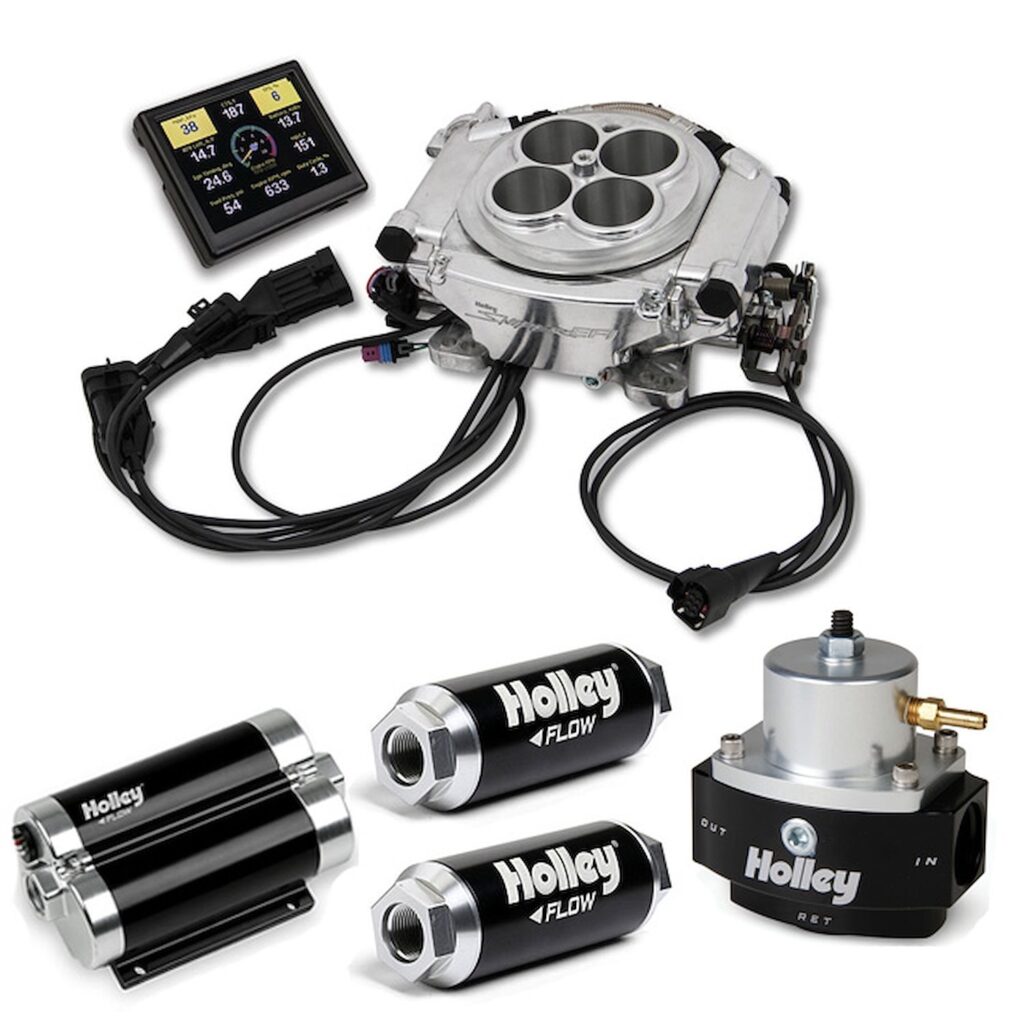

Aftermarket EFI systems have become a popular method of refreshing classic engines on some of our favorite cars, unlocking enhanced reliability, practicality, and fuel economy compared to carbureted setups.
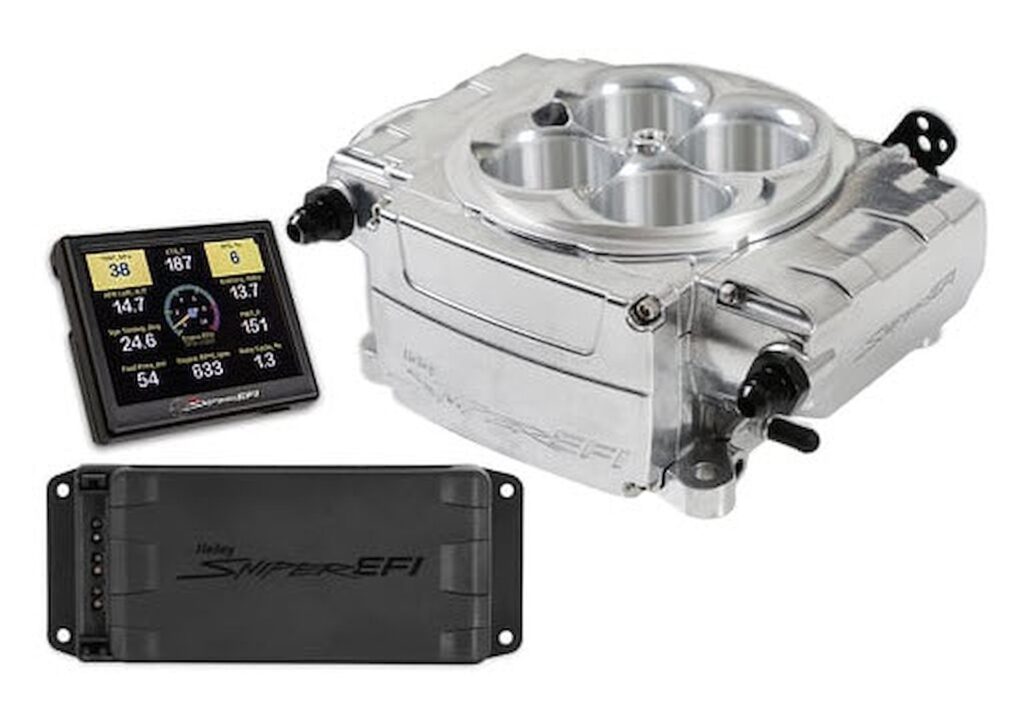
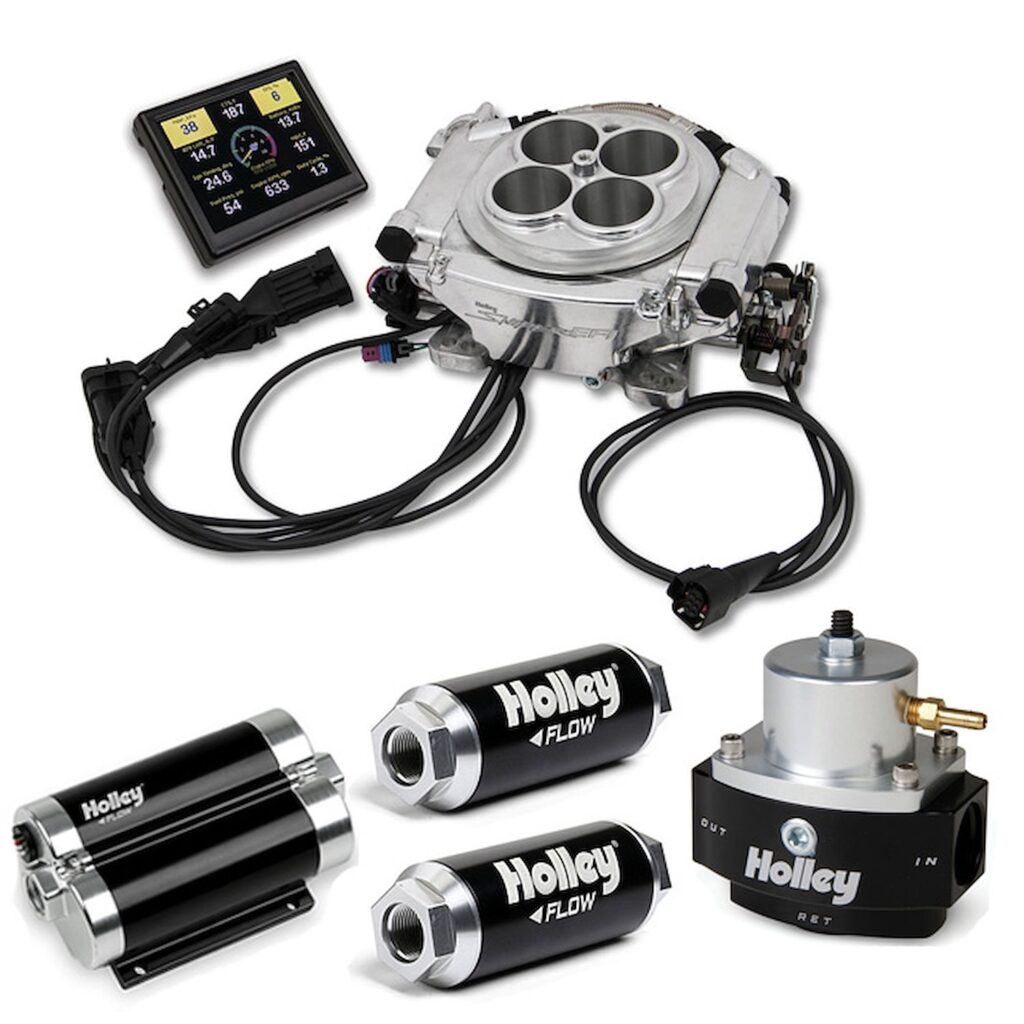
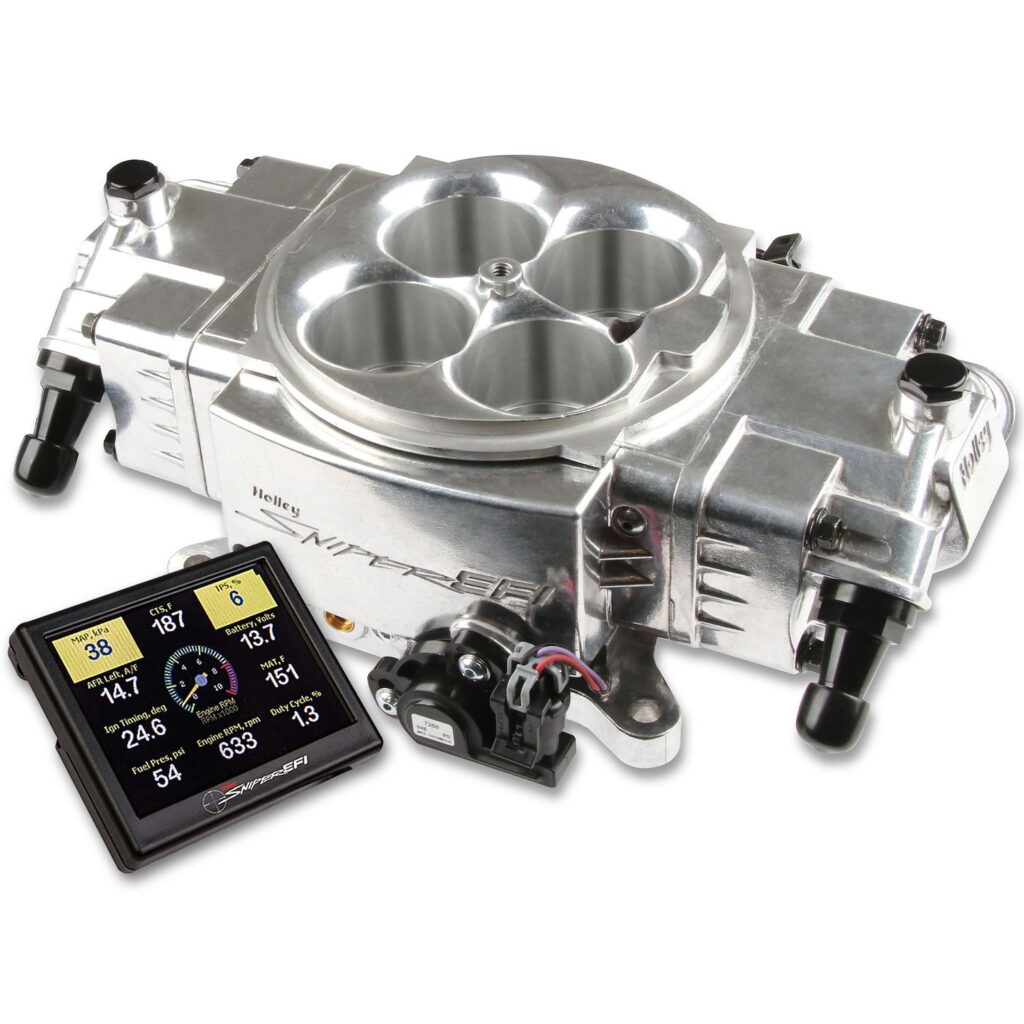
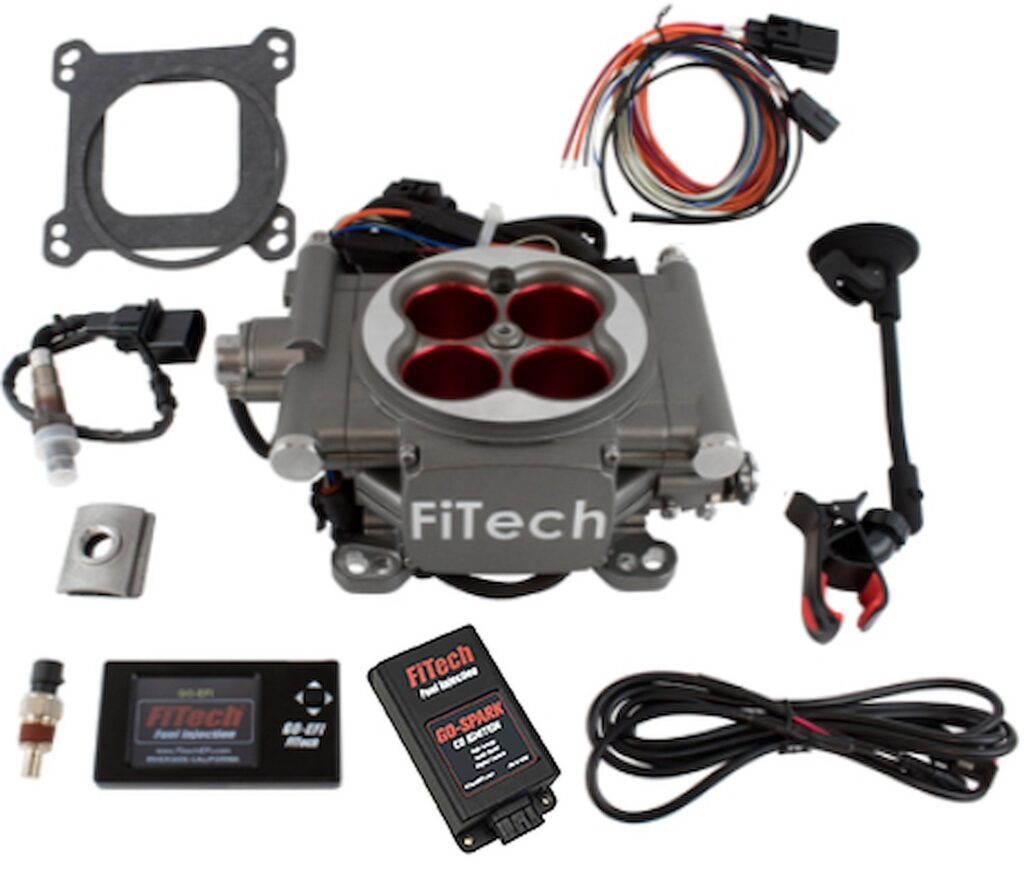
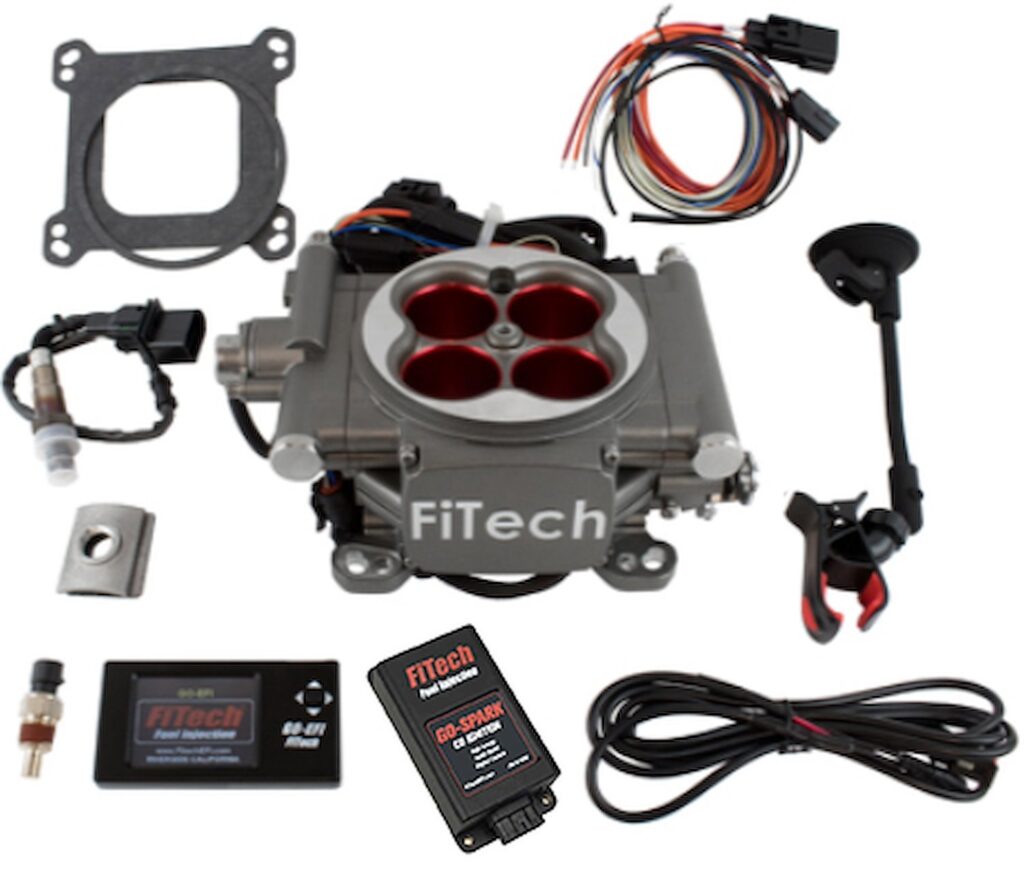
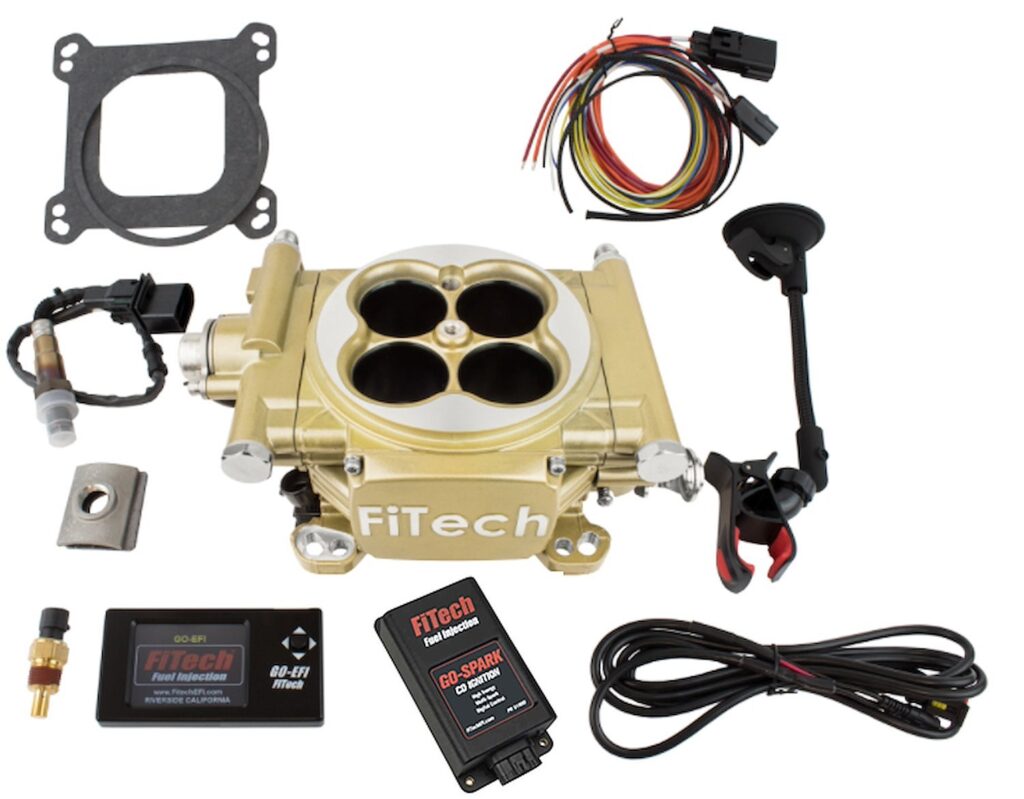
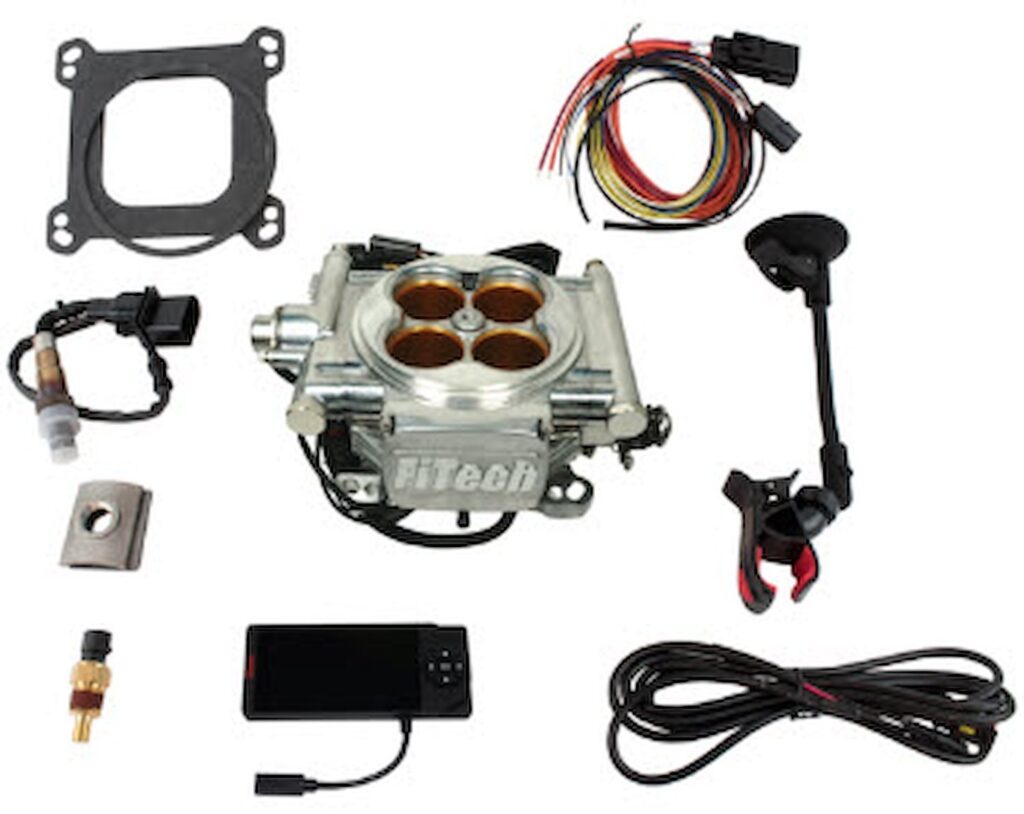
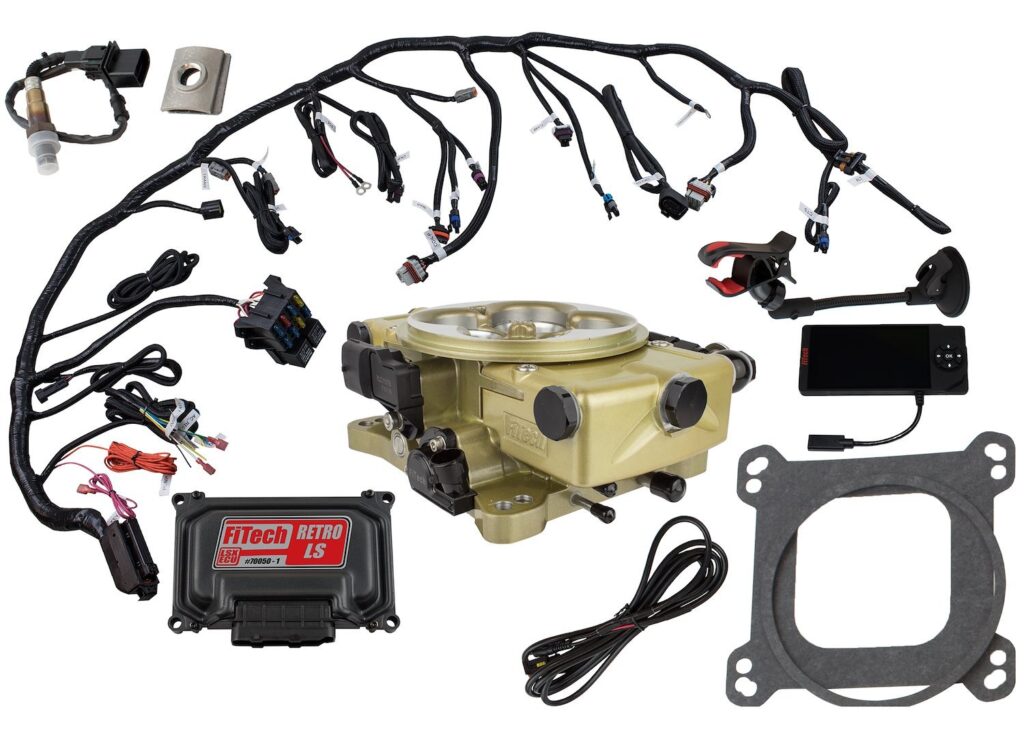
A handful of manufacturers provide plug-and-play EFI systems for carbureted engines, so let’s see which brand comes out on top when we compare the FiTech EFI to the Holley Sniper.
The Holley Sniper and FiTech share some features, including built-in ECUs and GM-style sensors. A built-in ECU is convenient because it allows for a cleaner installation without running extra cables over the engine and potentially drilling through your firewall.
The downside of a built-in ECU is the potential for overheating and damage to the unit because it is placed so close to the hot parts of the engine. Despite the potential for overheating, a built-in ECU seems to be the more popular option in the marketplace.


GM-style sensors make for easy and relatively inexpensive sensor replacements on the FiTech and Holley Sniper since the parts are readily available and cheap enough to stock at home or in your portable tool kit. Some users even upgrade the stock sensors from their EFI units to Delphi parts on installation because they believe it will provide better reliability out-of-the-box.
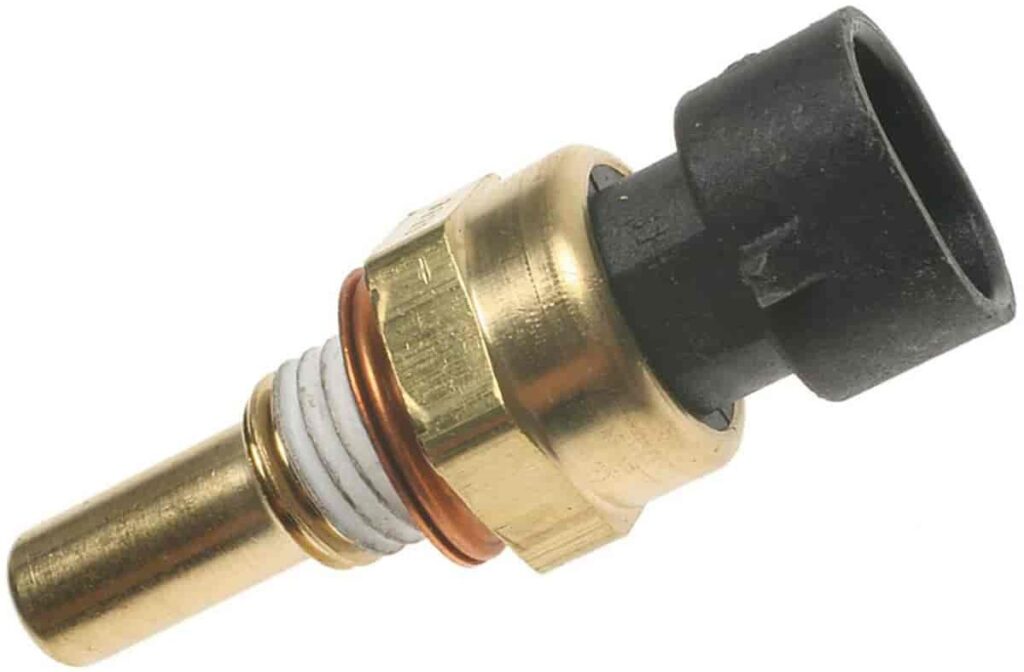
When examining the differences between the Holley Sniper EFI system and the FiTech EFI system in terms of fuel management and delivery, several key distinctions are apparent. The Holley Sniper EFI system is designed with a sophisticated self-tuning ECU that continually adjusts the air-fuel ratio for optimal performance and efficiency. This system also features an integrated fuel pressure regulator, which ensures consistent fuel pressure for precise fuel delivery. Holley Sniper's fuel management capabilities are further enhanced by its advanced sensors and data logging, allowing for fine-tuned control and real-time adjustments to maintain peak engine performance.
In contrast, the FiTech EFI system is notable for its innovative fuel command center, which provides a unique approach to fuel delivery. This feature allows the FiTech system to integrate more seamlessly with existing fuel systems, often requiring less modification to the fuel tank and lines. The command center works by receiving fuel from the tank, regulating pressure, and supplying the EFI unit with a steady flow of fuel. This design simplifies the installation process, making it an attractive option for those looking to upgrade without overhauling their entire fuel system. Additionally, FiTech EFI systems are equipped with a robust, built-in fuel pump capable of supporting high-horsepower applications, ensuring reliable fuel delivery under demanding conditions.
Both the Holley Sniper and FiTech EFI systems offer significant advancements over traditional carburetion, but they differ in their approach to fuel management and delivery. Holley's system emphasizes sophisticated, real-time tuning and precise fuel regulation, while FiTech focuses on ease of integration and robust fuel supply solutions. The choice between the two will depend on the specific needs and preferences of the user, particularly regarding the desired balance between advanced tuning capabilities and installation simplicity.
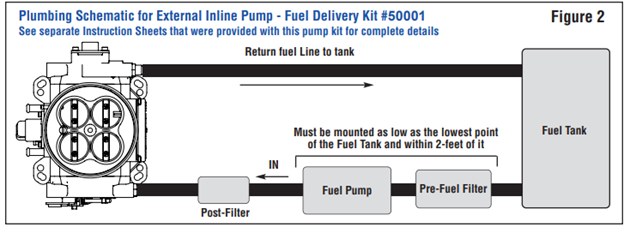
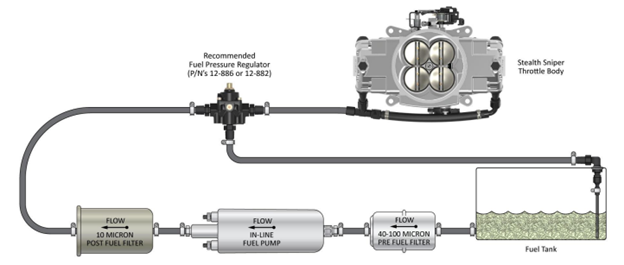
Some users also report that the FiTech fuel pressure regulator, which is based on a Bosch design, provides more consistent fuel pressures than the Holley Sniper setup.
Suppose your project car is destined mostly for cruising, with the occasional fast run. In that case, a deadhead setup might suit your needs and contribute to a cleaner-looking engine bay if that is your priority. For stronger performance under more vigorous driving, a system that includes a fuel return might be your best option.
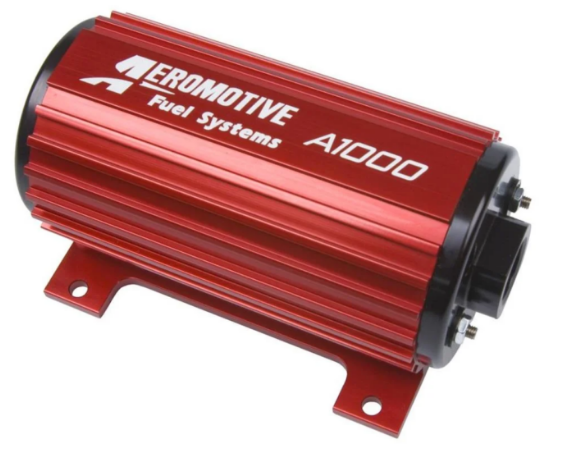
It’s important to note that both the FiTech and the Holley Sniper require higher fuel pressures than the typical OEM fuel pump will provide, so be sure to plan for an in-tank fuel pump for your build.
Sign up now to join the JEGS email newsletter and be the first to learn about new products, special deals and e-mail only offers!
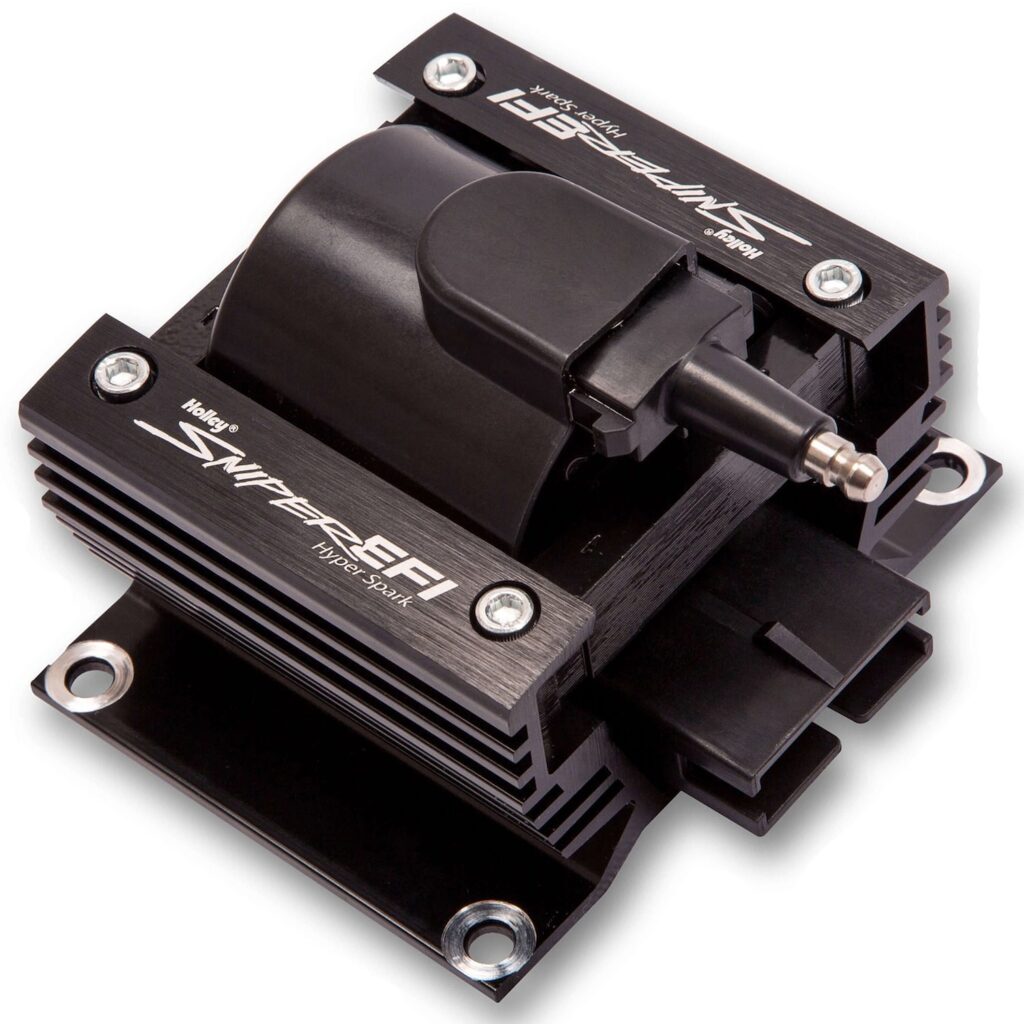
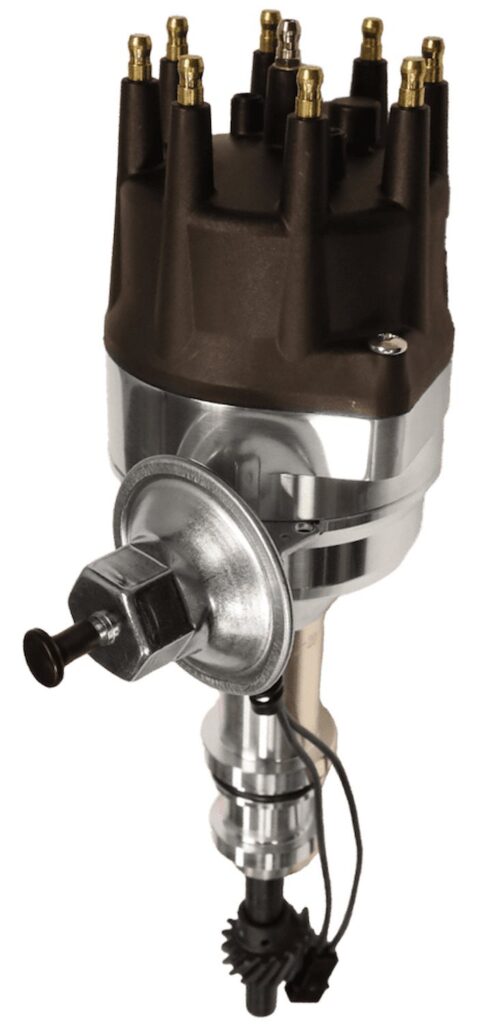
The three essentials required in combustion are fuel, air, and a spark to light the fire. Both manufacturers have integrated ignition control in their EFI units, but you can also purchase replacement ignition coils that integrate seamlessly for best performance. Holley’s Hyperspark ignition coil and box provide a straightforward system that links with the Holley Sniper to manage your ignition. FiTech also has its own FiTech Go spark distributors to help simplify the installation process.
Amateur mechanics often run into trouble when dealing with electrical issues since they can be challenging to track down. A faulty ground can create all kinds of problems with engine electronics, as well as aftermarket EFI systems. The FiTech grounds are directly to the intake manifold, while the Holley Sniper uses a dedicated ground wire connected directly to the unit's ECU. Some users prefer the dedicated ground of the Holley. Still, regardless of which unit you choose, it’s essential to ensure the ground is making good contact when installing your EFI.
The FiTech and Holly Sniper were designed for the consumer market and engineered so that the average person with rudimentary mechanical skills could install and troubleshoot them. As a result, they come with all the necessary parts to complete the installation and handheld screen interfaces to help with tuning and day-to-day operation.
The Holley Sniper handheld screen has a stylus and powers on with the car’s ignition. Those features may help it take the prize for ease of use if you’re contrasting screen interfaces of the FiTech vs. Holley Sniper.
Regarding the self-tuning software for these EFI systems, the FiTech gives the user more options and allows you to dig deeper to find that perfect tune for your engine. That’s not to say that the Holley Sniper software is terrible, but it provides less control than the FiTech software.
Less control might be a feature, not a bug, for the user who wants the most straightforward interface possible since accessing all the capabilities of the FiTech software may require a higher level of technical understanding.

The difference in price between the Holley Sniper and FiTech is not exceptional, and both EFI units have fans in the enthusiast community. Holley has a long history in the automotive industry, so they have the advantage of an extensive support network. Still, FiTech is a smaller company, so it may be easier to develop a personal relationship with their customer support if that is required for troubleshooting.
The FiTech and the Holley Sniper both provide an effective solution for upgrading your carbureted classic to a modern EFI setup; your choice will depend on what you value. If you want the most plug-and-play option, then the Holley Sniper might be a good choice for you, but if you want to do some advanced self-tuning, then the FiTech could be the answer.

Whatever you choose, enjoy revitalizing your project car with parts from JEGS. We’ve got Holley and FiTech solutions for you, and at competitive prices, too.

Hi, I have an older EDELBROCK EFI model 3503 system. I am thinking of an upgrade. Which is the best way to go here. I have the complete system which seems fine but I am concerned about getting parts should I need any to service the older system. So I have the Computer, Electric Fuel pump with returns and a Mallory distributor with Edelbrock coil. If I wanted to go the cheapest route what parts in place can I still keep and use? I am thinking the fuel pump. distributor, coil or should I just replace everything. I am leaning towards the Holly Sniper bolt on system for older 4 barrels so I would need to replace the intake manifold which currently is an Edelbrock with 8 injectors. I have a cast Iron Manifold I could use too or should I replace that with and Aluminum or can I just keep the manifold with injectors in place and disconnect them. It’s in a street rod but I hardly ever open the hood because it looks from the outside like a stock 1934 Dodge pickup. Any ideas? The engine, from what I can tell, is stock 1980 Camaro Engine with a 700 r4 trans. Thanks in advance.

David,
You are thinking about this the right way, especially since parts availability and long term service matter more than chasing the latest setup. Your older Edelbrock multi port EFI system was solid in its day, but you are correct that replacement parts and support are becoming more limited, which is usually the main reason people move on from those systems. Going to a Holley Sniper style throttle body EFI is a very common and sensible upgrade for exactly your situation. If you want the cheapest and cleanest path forward, there are several components you can absolutely keep and reuse. Your existing electric fuel pump and return style fuel system are the biggest wins. As long as the pump is capable of maintaining steady EFI pressure in the high 50 psi range and is in good condition, it will work just fine with a Sniper system. The same goes for your fuel lines and return, which saves a lot of time and money. Your Mallory distributor and Edelbrock coil can also stay if you want. The Sniper can run in fuel only mode and take a simple tach signal, which works well for a mostly stock small block like your Camaro engine. You do not have to switch to a full timing control setup unless you want that extra feature later. Where things do need to change is the intake manifold. The Edelbrock multi port EFI intake cannot realistically be reused with a throttle body EFI system, and it is not recommended to leave the injectors installed and disconnected. That adds complexity and creates sealing and tuning issues for no benefit. The correct move is to remove that intake entirely and switch to a standard four barrel carb style intake. Your cast iron manifold will work just fine for a street rod and a mostly stock engine, especially since you care more about reliability and a clean appearance than squeezing out the last few horsepower. An aluminum intake is lighter and looks nicer under the hood, but it is not required for the Sniper to work well. From a cost standpoint, keeping your fuel system, distributor, and ignition while swapping to a four barrel intake and Sniper throttle body is the most budget friendly route and gives you modern support, easy tuning, and readily available replacement parts going forward. It also keeps the engine bay simple and unobtrusive, which fits the sleeper look of your 1934 Dodge pickup perfectly. If you would like help confirming fuel pump compatibility or choosing the right intake and Sniper setup for your exact engine and driving style, you can call 1-800-345-4545 and speak with a tech specialist who can walk through it with you and make sure nothing gets overlooked.

I’m currently looking to buy the speedmaster 8-stack downdraft EFi and the Holley sniper management system for it how compatible are the two is this wise choice going on my 427-FE
Hi Mike,
Great question. The Speedmaster 8-stack downdraft EFI setup is a really cool choice for a 427 FE, especially from a visual and performance standpoint. That said, compatibility with the Holley Sniper EFI management system can get a little tricky.
The Holley Sniper system is designed to work as a complete self-contained EFI unit, usually on throttle body-style injection setups. It’s not typically meant to serve as a standalone ECU for multi-throttle stack systems like the Speedmaster 8-stack. You might run into issues with tuning flexibility, idle air control, and synchronization, especially if each throttle body has its own injector. The Sniper system doesn’t support sequential fuel injection, which may limit how well it can control a setup like that.
If you’re set on running the 8-stack, you may want to look at Holley’s Terminator X or Dominator systems instead. Those offer more tuning control and are built to handle more complex setups like individual throttle bodies. You’ll also want to make sure the injectors, throttle position sensors, and idle control motors on the Speedmaster unit are fully compatible with Holley’s ECU and wiring.
To be 100% sure you’re picking the right combination, give us a call at 1-800-345-4545. One of our tech specialists can walk through your exact setup and help you avoid any costly compatibility issues. Appreciate you reaching out, Mike. Sounds like an awesome build.

They’re both notorious for electro matic interference (EMI). Huge learning curve. No user information provided on how to optimize the tuning besides provided basic setup and installation you have to call in for support on how to’s.
Hi Terry,
You’re absolutely right that both the FiTech and Holley Sniper EFI systems have earned a reputation for being sensitive to electromagnetic interference (EMI), especially when installation or grounding isn’t done carefully. These systems rely heavily on clean, consistent electrical signals, and things like shared grounds, poor battery connections, or running signal wires too close to ignition wiring can cause serious headaches. Using dedicated grounds, shielding sensitive wires, and keeping high-voltage components (like coil and plug wires) away from EFI harnesses can go a long way toward preventing issues.
As for the learning curve, it’s true that both systems offer basic startup tuning but don’t go very deep in the manuals when it comes to fine-tuning or troubleshooting. This leaves a lot of users turning to forums, YouTube channels, or tech support calls for help. Holley does provide additional training materials online, including their EFI forums and YouTube series, but it can still be overwhelming if you’re not familiar with tuning terminology or strategy.
If you’re looking to optimize performance, it’s helpful to learn how fuel tables, timing control (if applicable), and closed-loop parameters interact. But you’re right—clear user guidance should be more accessible.
If you need additional help, contact us at 1-800-345-4545 and speak to a tech support specialist. We can help walk you through setup tips, common pitfalls, and product support resources to make the process smoother.




Leave a Reply