Sign up now to join the JEGS email newsletter and be the first to learn about new products, special deals and e-mail only offers!

 2 People Found This Article Helpful
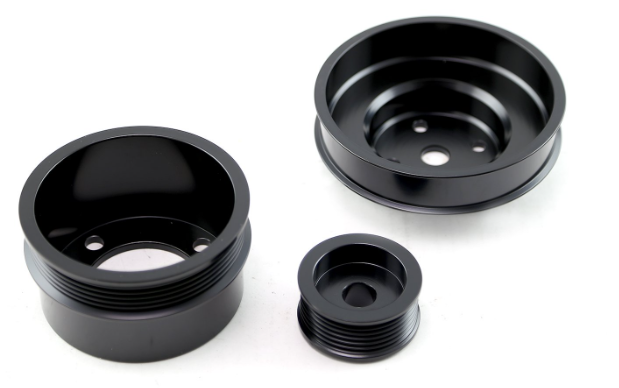

Underdrive pulleys are one of the most common bolt on performance upgrades for street and performance engines. They are marketed as a simple way to free up horsepower by reducing parasitic drag from engine driven accessories. But how much power do underdrive pulleys actually add, and are the gains noticeable in real world driving?
To answer that, it helps to understand how the accessory drive system works and what underdrive pulleys change.
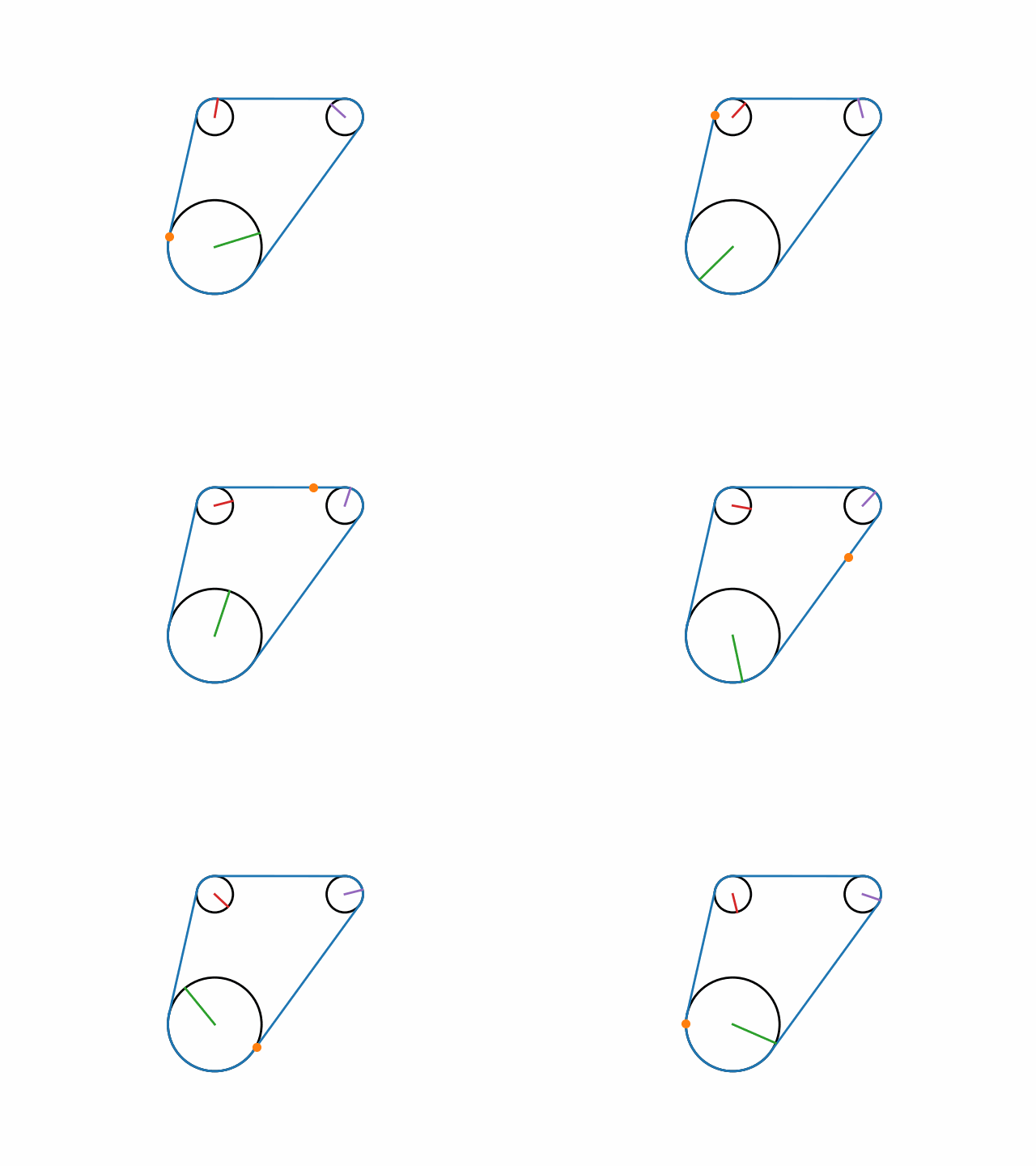
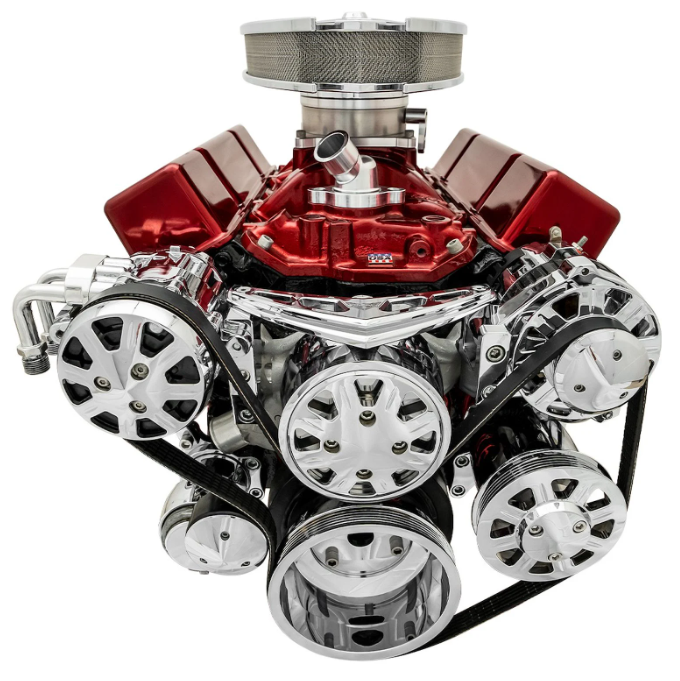
Your engine’s crankshaft pulley drives accessories such as the alternator, water pump, power steering pump, and air conditioning compressor through a belt system. These accessories require power to operate, which creates parasitic loss.
Underdrive pulleys reduce the speed at which these accessories spin by changing pulley diameter. This lowers the load on the engine, which can free up a small amount of horsepower that would otherwise be used to turn accessories.
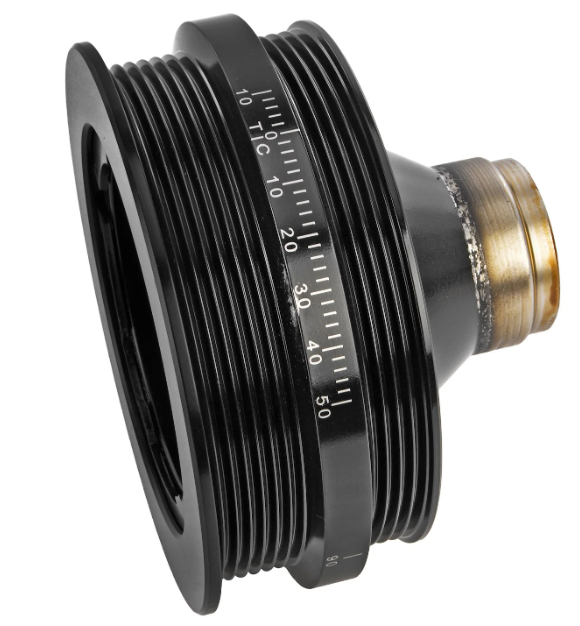
Underdrive pulleys are typically smaller in diameter than the stock crank pulley.
Because they’re smaller, they spin the accessory belts more slowly. That means components like the alternator, power steering pump, and water pump turn at a reduced speed compared to stock. The goal is to lower parasitic drag on the engine and free up a bit of horsepower.
In short:
Some systems also include larger accessory pulleys to achieve the same overall effect, but the most common setup is a smaller crank pulley.


On most naturally aspirated street engines, underdrive pulleys typically add between 5 and 15 horsepower at the crank. The exact gain depends on engine size, factory accessory load, and the specific pulley ratio used.
Engines with higher factory parasitic drag may see slightly larger gains. High performance builds that already have improved airflow and tuning may also benefit more noticeably.
While the numbers are not massive, the gains are real and measurable on a dyno.
In addition to peak horsepower gains, many drivers notice improved throttle response. With less rotating mass and reduced accessory drag, the engine can rev more freely.
This can make the vehicle feel more responsive during acceleration, even if the overall horsepower increase is modest.
Sign up now to join the JEGS email newsletter and be the first to learn about new products, special deals and e-mail only offers!
Several variables influence how much power underdrive pulleys add. Engine displacement plays a role, as larger engines may see slightly different results compared to smaller ones. The condition of existing accessories also matters. Worn components may already create additional drag.
The type of driving you do is important as well. At higher engine speeds, the reduction in accessory load is more noticeable. At idle or low rpm, the difference may be less apparent.
While underdrive pulleys can increase available horsepower, there are trade offs to consider. Slowing accessory speeds can reduce alternator output at idle, which may affect vehicles with high electrical demand. Water pump flow and power steering performance at low speeds can also be slightly reduced.
For most street applications with a well designed pulley kit, these effects are minor. However, vehicles with large sound systems, electric fans, or heavy electrical loads should be evaluated carefully before installation.
Underdrive pulleys are often a good fit for naturally aspirated performance builds, street cars looking for incremental gains, and vehicles that already have supporting modifications such as intake and exhaust upgrades.
They are less commonly used in heavy towing applications or vehicles that rely heavily on accessory output at low rpm.
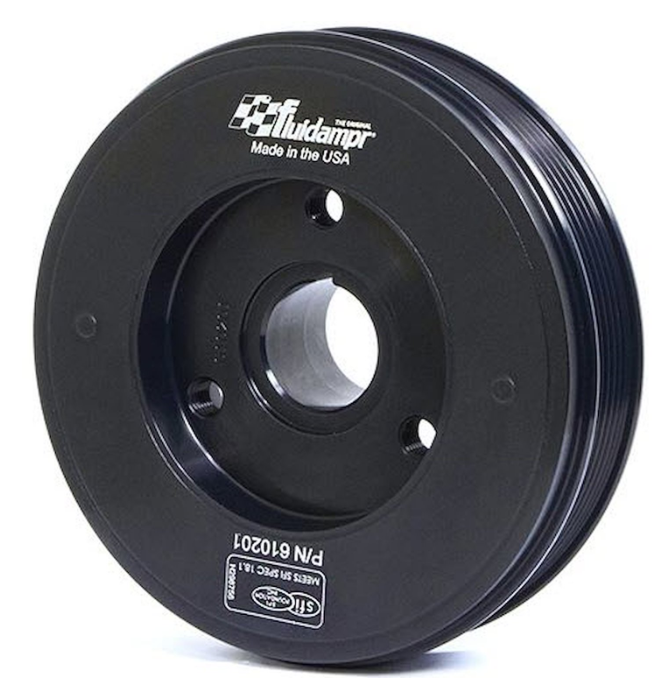
To get the most from underdrive pulleys, they should be part of a balanced performance plan. Combining them with improved airflow, proper tuning, and efficient accessory components helps maximize gains while maintaining reliability.
Proper installation and correct belt tension are essential to avoid slippage and ensure long term durability.
If you are looking to free up horsepower and improve engine response, underdrive pulleys can be a cost effective upgrade. At www.jegs.com, you will find a wide selection of underdrive pulley kits and accessory drive components designed for street and performance applications.
If you are unsure how much power you can expect from underdrive pulleys on your specific engine, the JEGS Tech Specialists are available to help you choose the right setup for your performance goals and driving style.




Leave a Reply