Sign up now to join the JEGS email newsletter and be the first to learn about new products, special deals and e-mail only offers!

 2 People Found This Article Helpful

By
Adding a supercharger is one of the most effective ways to dramatically increase engine horsepower. A properly installed supercharger forces more air into the engine, allowing more fuel to be burned and producing significantly greater power. Many modern supercharger kits are designed as bolt on systems that simplify installation for enthusiasts building street performance cars, trucks, and muscle cars.
While the exact steps may vary depending on the engine platform and the supercharger manufacturer, the overall process is similar for most kits. Companies such as ProCharger, Vortech, and Weiand produce supercharger systems that are commonly used in performance builds.
Before beginning installation, always review the manufacturer’s instructions for your specific kit.
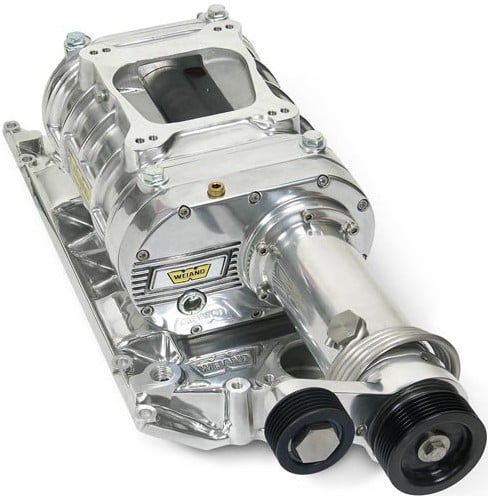
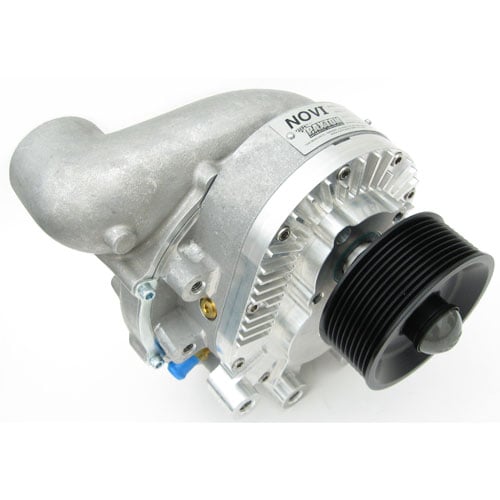
Most complete supercharger kits include the supercharger unit, mounting brackets, drive pulleys, a belt system, and intake components. Depending on the design, the kit may also include an intercooler, fuel system upgrades, and additional hardware required for installation.
Centrifugal supercharger systems from companies like ProCharger and Vortech often include front mounted intercoolers and charge pipes. Roots style superchargers such as those from Weiand typically mount directly on the intake manifold.
Verifying that all components are present before starting the installation will make the process smoother.
Begin by disconnecting the battery to prevent accidental electrical issues during the installation.
Remove any components that interfere with access to the front of the engine. This may include the intake tubing, factory air box, and certain accessory brackets.
If the vehicle uses a serpentine belt system, remove the belt to prepare for the new supercharger drive system.
Taking photos before removing parts can help during reassembly.
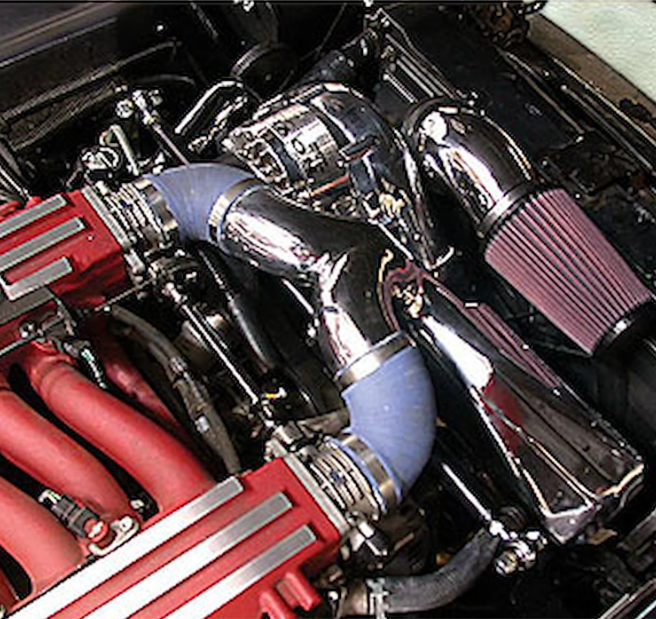
Most supercharger systems include brackets that mount the supercharger to the front of the engine. These brackets are designed to align the supercharger pulley with the crankshaft pulley and accessory drive system.
Secure the brackets using the supplied hardware and follow the torque specifications provided by the manufacturer.
Proper alignment of the brackets is critical to ensure the supercharger belt runs smoothly.
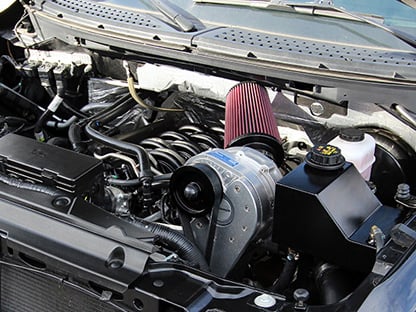
Once the mounting brackets are installed, position the supercharger unit onto the brackets and secure it with the provided fasteners.
Check that the pulley alignment matches the crankshaft pulley and accessory pulleys. Misalignment can cause belt wear or slippage.
Centrifugal superchargers from brands such as ProCharger and Vortech are typically mounted on the front of the engine using this bracket system.
Superchargers are powered by a belt connected to the engine’s crankshaft pulley. Install the new belt according to the routing diagram included with the kit.
Some systems include upgraded pulleys or additional tensioners to maintain proper belt tension.
Ensuring correct belt alignment and tension is essential for consistent boost and reliable operation.
Sign up now to join the JEGS email newsletter and be the first to learn about new products, special deals and e-mail only offers!
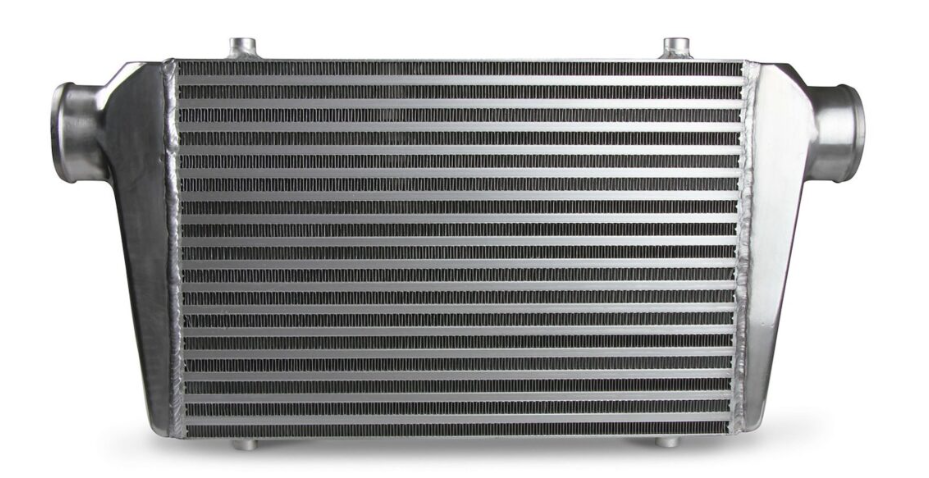
Many supercharger kits include upgraded intake tubing and intercoolers designed to improve airflow and reduce intake air temperatures.
Install the charge pipes and intercooler according to the manufacturer’s instructions. Make sure all clamps and connections are properly tightened to prevent boost leaks.
High quality intercooler systems help maintain safe air temperatures during high boost operation.
Supercharged engines require additional fuel to maintain proper air and fuel ratios. Many kits include larger fuel injectors, upgraded fuel pumps, or fuel system components.
Installing these upgrades ensures the engine receives the correct amount of fuel under boost.
Manufacturers such as Holley offer performance fuel system components that are commonly used in supercharged builds.
After installing all supercharger components, reconnect the battery and inspect the system carefully. Verify that all bolts are tightened, hoses are secured, and electrical connections are complete.
Start the engine and listen for unusual noises. Check the belt alignment and verify that the supercharger spins smoothly.
Monitor engine operation and check for vacuum or boost leaks before driving the vehicle.
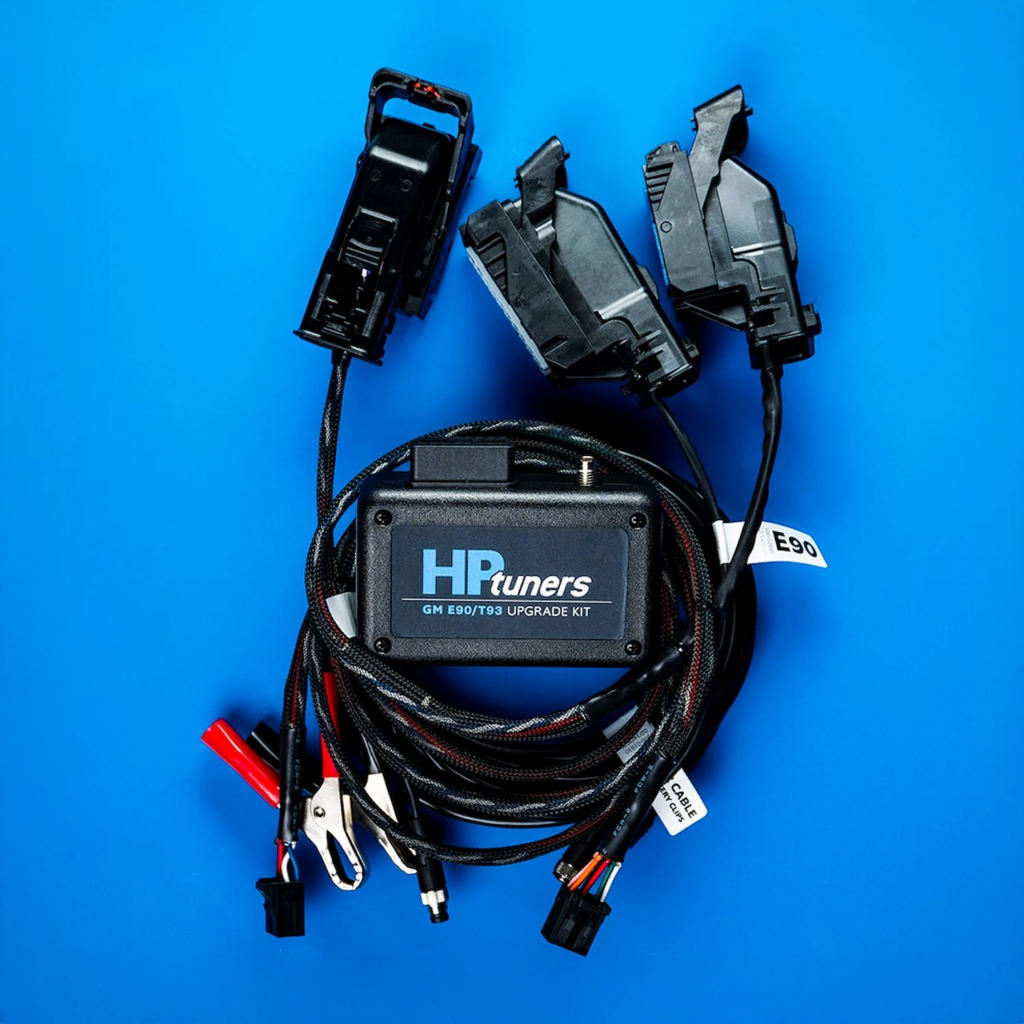
After installing a supercharger kit, proper engine tuning is essential. The engine control system must be calibrated to account for the increased airflow and fuel demand.
Many modern supercharger kits include tuning software or require a professional calibration to optimize performance and protect the engine.
Proper tuning ensures safe air and fuel ratios, correct ignition timing, and reliable power delivery.
Installing a supercharger kit is one of the most exciting upgrades for any performance vehicle. When installed and tuned correctly, a supercharger can significantly increase horsepower while maintaining street drivability.
At www.jegs.com, you will find supercharger systems, intercoolers, fuel system upgrades, and performance components from trusted manufacturers such as ProCharger, Vortech, Weiand, and Holley.
If you need help selecting the right supercharger kit or supporting components for your build, the JEGS Tech Specialists can help you choose the right parts to achieve your performance goals.




Leave a Reply