Sign up now to join the JEGS email newsletter and be the first to learn about new products, special deals and e-mail only offers!

 2 People Found This Article Helpful

An intermittent misfire with no check engine light can be one of the most frustrating engine problems to diagnose. The engine may run perfectly one moment, then stumble, hesitate, or shake the next, all without setting a fault code. While it might seem like a mystery, there are several common issues that can cause a misfire without triggering a warning light.
This article explains why intermittent misfires happen, why a check engine light may not appear, and what components are most often responsible.
Intermittent misfires often show up under specific conditions. You may feel a brief hesitation during acceleration, a stumble at steady cruise, or a slight shake at idle that comes and goes. In some cases, the misfire only occurs when the engine is cold, under load, or after driving for a while.
Because the problem is not constant, the engine computer may not detect the misfire frequently enough to illuminate the check engine light.

Most engine control systems require a misfire to occur repeatedly within a certain time frame before setting a fault code. If the misfire is brief, random, or only happens under very specific conditions, it may not meet the threshold needed to trigger a warning light.
That does not mean the issue should be ignored. Intermittent misfires can still affect performance, fuel economy, and long term engine health.
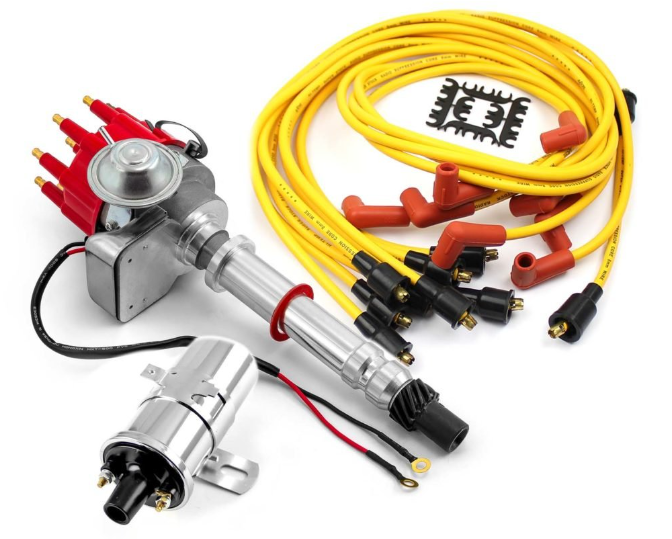
Ignition issues are one of the most common causes of intermittent misfires. Spark plugs that are worn, fouled, or improperly gapped may misfire only under load or during certain engine speeds.
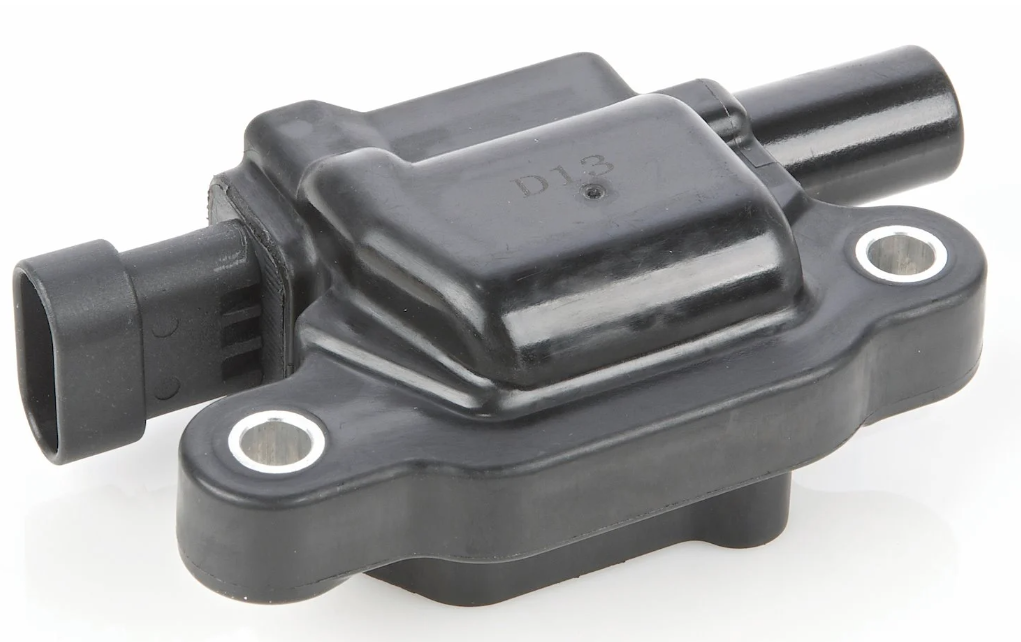
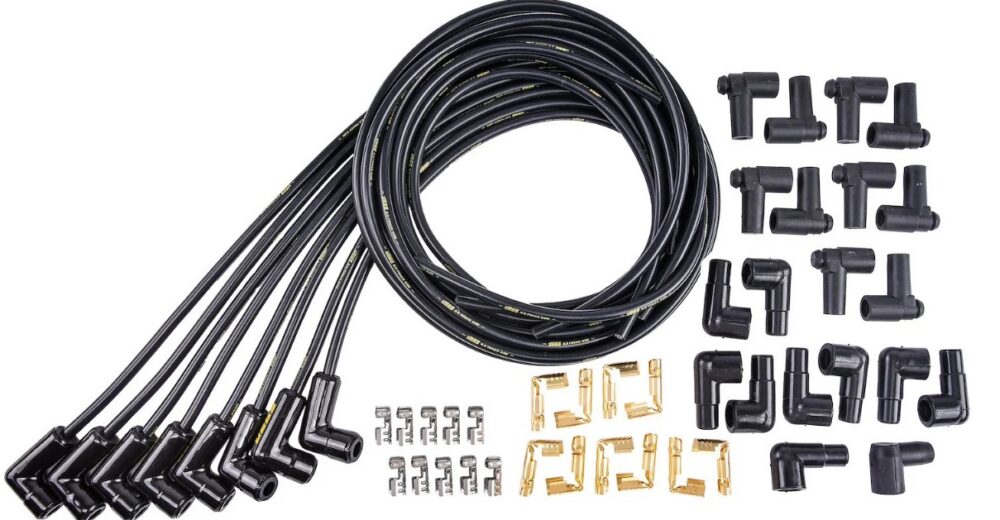
Ignition coils and plug wires can also fail intermittently, especially when they heat up. A weak coil may work fine most of the time, then briefly lose output and cause a misfire without setting a code.
Sign up now to join the JEGS email newsletter and be the first to learn about new products, special deals and e-mail only offers!
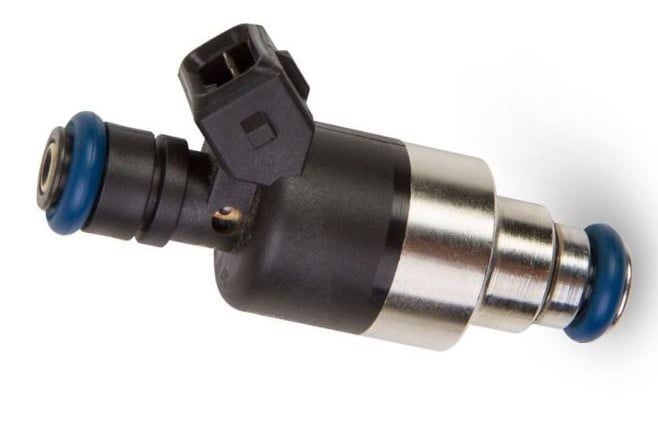
Fuel injectors must deliver a consistent spray pattern for smooth combustion. When an injector becomes partially clogged or sticks intermittently, it can cause a single cylinder to misfire occasionally.
This type of misfire often shows up during light throttle or steady cruising and may disappear under heavy acceleration. Injector cleaning or testing can help confirm the issue.
Small vacuum leaks can be difficult to detect and may only cause problems under certain conditions. A cracked hose or loose connection can open or close as the engine moves or heats up.
When unmetered air enters the engine, it can lean out the air and fuel mixture enough to cause a misfire without consistently triggering a fault code.

Sensors that provide erratic data can cause intermittent misfires. A mass air flow sensor, crankshaft position sensor, or camshaft position sensor that occasionally drops signal may briefly disrupt fueling or ignition timing.
Because the signal loss is brief, the engine computer may not log a fault even though drivability is affected.

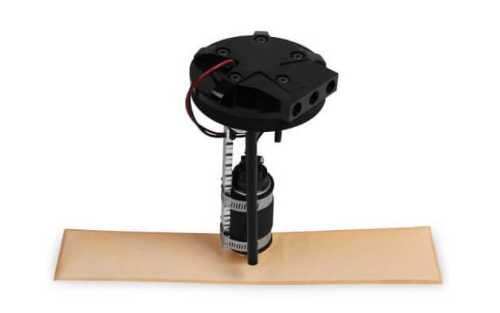
Poor fuel quality, water in the fuel, or inconsistent fuel pressure can also lead to intermittent misfires. A weak fuel pump or restricted fuel filter may only struggle under certain conditions, such as high load or long drives.
These issues can cause misfires that come and go without setting a check engine light.
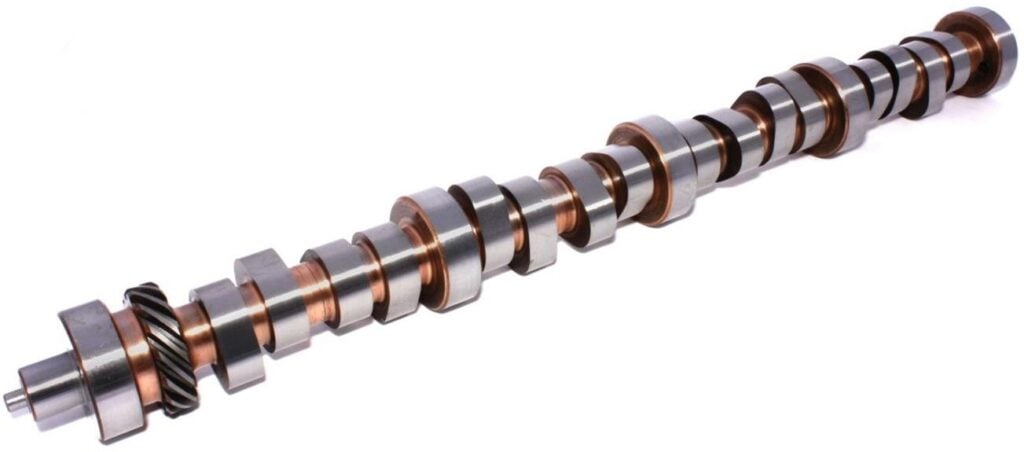
Mechanical problems such as low compression, valve issues, or early camshaft wear can sometimes cause intermittent misfires before becoming severe enough to trigger a fault code.
These issues are less common but should be considered if ignition and fuel systems test normal.
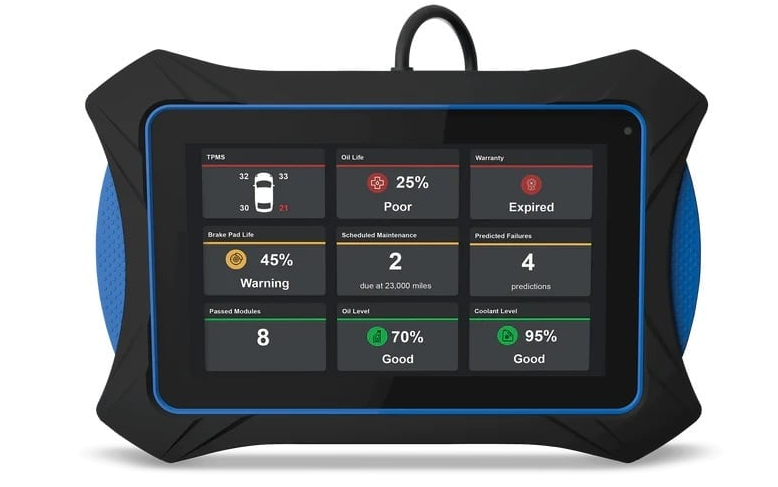
Start by reviewing maintenance history and inspecting ignition components. Check spark plugs, coils, and wires for wear or damage. Inspect vacuum hoses and intake components for leaks. Using a scan tool that can view live data may help identify sensor irregularities even without stored codes.
A methodical approach is key when dealing with an intermittent problem.
Once the root cause is identified, replacing worn or failing components usually resolves intermittent misfires. At www.jegs.com, you will find a wide selection of ignition components, fuel system parts, sensors, and engine maintenance solutions designed to restore smooth and reliable performance.
If you need help tracking down an intermittent misfire or selecting the right parts for your vehicle, the JEGS Tech Specialists are available to help you diagnose the issue and get your engine running the way it should.





Leave a Reply